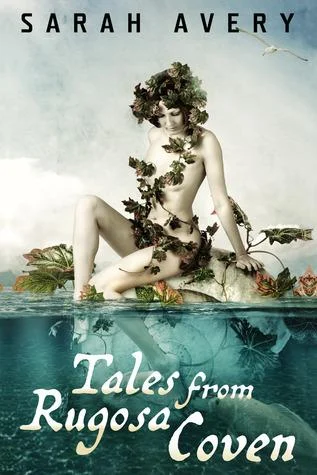
In a literary landscape currently dominated by the high-stakes, angsty "romantasy" genre—where immortal entities wage endless blood feuds and protagonists are frequently tasked with averting multiversal apocalypses—a quiet, grounded alternative is making a highly anticipated return. Tales from Rugosa Coven, a triptych of novellas by author Sarah Avery, is set to be republished in August 2026 by the acclaimed independent publisher Candlemark & Gleam.
The collection, which originally debuted in 2013 and famously secured the Mythopoeic Award in 2015, offers a rare, nuanced look at modern witchcraft. Eschewing the tropes of "Chosen One" narratives and bloated origin stories, Avery presents a vision of magic that is startlingly human, remarkably kind, and refreshingly devoid of talking cats.
Main Facts: The Rugosa Coven Philosophy
At the heart of Tales from Rugosa Coven is a group of practitioners who treat magic not as a tool for godhood, but as a facet of daily life. The novellas follow a mature, established coven—a group that has already navigated the "getting to know you" phase and settled into the complex, messy, and rewarding work of long-term community.
As reviewer Jennifer Stevenson notes, the appeal of these stories lies in their profound relatability. "These are witches you can relate to, with problems they can solve, kinda," Stevenson writes. The protagonists of Rugosa Coven are not teenagers stumbling into forbidden powers, nor are they ancient beings detached from humanity. They are adults who cook, argue, manage "totally non-magickal" laundry, and navigate the interpersonal drama inherent in any long-standing friendship.
The collection is defined by a central, revolutionary theme: kindness. While much of fantasy fiction thrives on conflict and the erasure of human agency through grand, world-ending stakes, Avery’s work champions the "human factor." The magic in Rugosa Coven is deeply tied to the mundane. Whether the characters are dealing with the death of parents, the complications of hoarding, or the bureaucratic nightmares of arguing a case before Anubis, the solutions are found through patience, decency, and the collaborative strength of their diverse traditions.
Chronology: From Cult Classic to Re-release
The journey of Tales from Rugosa Coven reflects the enduring nature of its themes.
- 2013: The collection is first published by Dark Quest, introducing readers to the unique, grounded magic of the Rugosa Coven.
- 2015: The novellas receive critical acclaim, culminating in the prestigious Mythopoeic Award, an honor that recognizes works that best exemplify the spirit of the Inklings and the tradition of mythopoeic literature.
- 2024–2025: Following years of word-of-mouth success and consistent interest from the SFF (Science Fiction and Fantasy) community, the collection undergoes a comprehensive revision by Sarah Avery.
- August 2026: Candlemark & Gleam, under the leadership of SFF luminary Melissa Scott, prepares to reintroduce the updated collection to a new generation of readers.
Supporting Data: Why This Matters to the Genre
The decision to republish Tales from Rugosa Coven arrives at a pivotal moment in speculative fiction. Readers and critics alike have noted a fatigue regarding the "Marvel-sized" storytelling that has permeated the genre, where massive armies clash in CGI-heavy battles and the agency of the individual is often lost in the service of "godhood" tropes.
Sarah Avery’s work serves as a distinct antidote. By intentionally avoiding the "origin story" trap, she allows the reader to drop into a fully realized world where the magic feels lived-in rather than manufactured. The diversity of the coven’s practices—drawn from various occult traditions under the "Big Top" umbrella of modern practice—mirrors the realities of contemporary pagan and occult communities. This adds a layer of authenticity that is rarely seen in mainstream fantasy.

Furthermore, the lack of "talkative familiars" or "angst-ridden immortality" serves a specific narrative function: it forces the characters to rely on one another. The "active witnessing" described in the novellas—the difficult, emotional work of supporting a loved one as they navigate life’s hardships—is portrayed as a form of heroism as significant as any spell-casting.
Official Responses and Editorial Vision
The re-release is being spearheaded by Candlemark & Gleam, a publisher noted for its commitment to high-quality, author-driven SFF works. Melissa Scott, the publisher at the helm of the house, has long been a champion of literature that defies easy categorization.
In her review, Jennifer Stevenson emphasizes the importance of this specific collection, praising the lack of age-related tropes. "Nobody’s fifteen (or fifty) and clueless," she notes, highlighting the maturity of the narrative voice. By removing the cliches of the genre—the "menopause-free" protagonists, the absence of divine interference in tea-time conversations—Avery clears the stage for a more intimate look at how people actually change, grow, and support each other in the face of the bizarre.
The revision process has reportedly polished the novellas, ensuring that the prose remains as sharp as the social dynamics of the coven. For those who read the original, this edition offers a chance to revisit old friends with a new perspective; for new readers, it serves as an introduction to a masterclass in grounded, character-driven fantasy.
Implications: The Future of "Quiet" Fantasy
The impending release of Tales from Rugosa Coven signals a potential shift in reader appetite. While the blockbuster fantasy novel remains a staple of the publishing industry, there is an increasing demand for "quiet" fantasy—stories that prioritize emotional intelligence and character development over geopolitical maneuvering and apocalyptic stakes.
The implications for the genre are significant:
- Normalization of Mature Protagonists: By focusing on characters who are established in their lives, Avery validates a demographic often ignored in favor of young adult protagonists.
- Emphasis on Community Over Conflict: The success of the Rugosa Coven narrative suggests that readers are finding value in stories that emphasize horizontal relationships—friendship, coven unity, and mutual aid—rather than the vertical hierarchies of hero-versus-villain power dynamics.
- The Persistence of Quality: The fact that a 2013 collection is being brought back with such fanfare is a testament to the "long tail" of quality literature. It suggests that books with strong, authentic voices can transcend the rapid-fire release cycles of modern publishing.
As the literary world turns its eyes toward August 2026, Tales from Rugosa Coven stands as a reminder that the most powerful magic often happens in the kitchen, in the middle of a mundane argument, or in the quiet, hard work of witnessing a friend’s evolution. It is, quite simply, a book that understands what it means to be human—even when you happen to be a witch.
For more information on the upcoming re-release, readers are encouraged to monitor the official channels of Candlemark & Gleam. Jennifer Stevenson, the reviewer, continues to contribute her unique voice to the field; her own notable work, "Trash Sex Magic," remains available through Small Beer Press for those seeking further explorations of "witchy" and surreal literature.