Rifan Muazin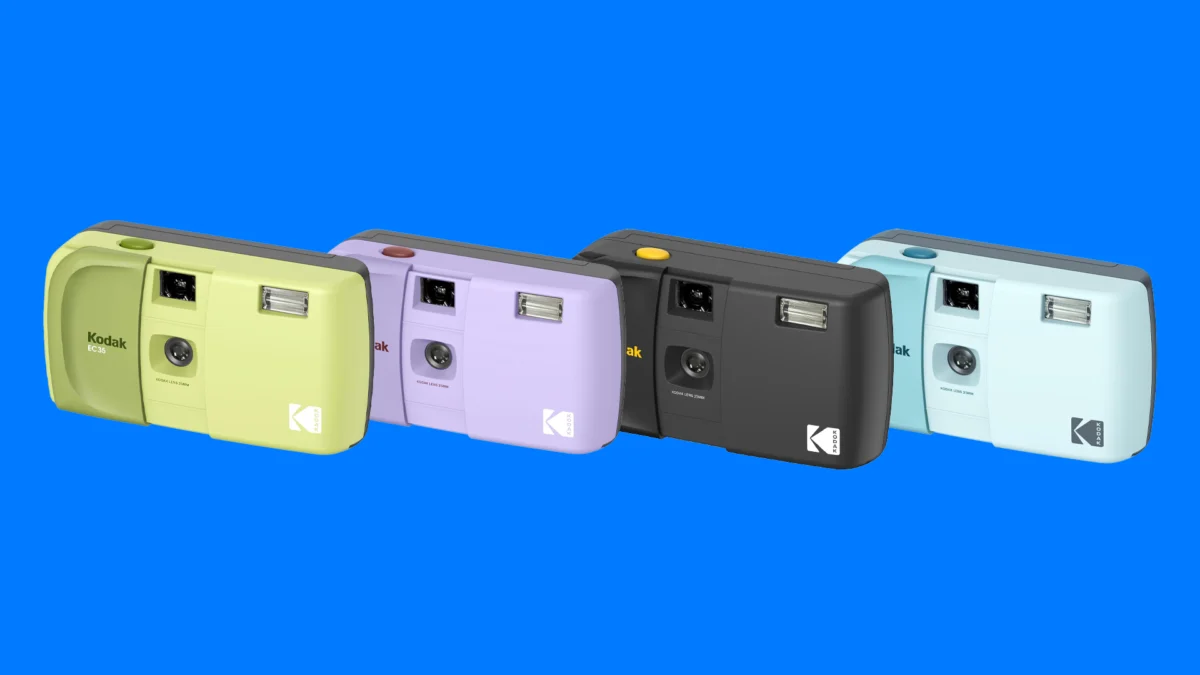
In an era dominated by high-resolution sensors, computational photography, and instant gratification, the resurgence of 35mm film photography stands as a deliberate act of rebellion. While smartphone manufacturers push the boundaries of "perfect" imagery, a growing demographic of enthusiasts is moving in the opposite direction, embracing the grain, the light leaks, and the agonizing suspense of the development process.
The latest development in this trend is the release of the Kodak EC35, a budget-friendly, reusable 35mm film camera. Retailing at approximately $35 / £35, the device occupies a unique niche: it is a bridge between the disposable cameras of the late 1990s and the sophisticated, expensive vintage gear that has long intimidated newcomers. By stripping away digital menus and autofocus algorithms, Kodak is betting that the modern consumer is ready for a more tactile, intentional, and, above all, "silly" approach to capturing memories.
The Core Facts: A Return to Basics
The Kodak EC35 is designed with one primary objective: simplicity. It is not an instrument for technical perfection, nor does it attempt to compete with mirrorless camera systems. Instead, it offers a "point-and-shoot" experience that necessitates a different relationship with the subject matter.
Technical Specifications
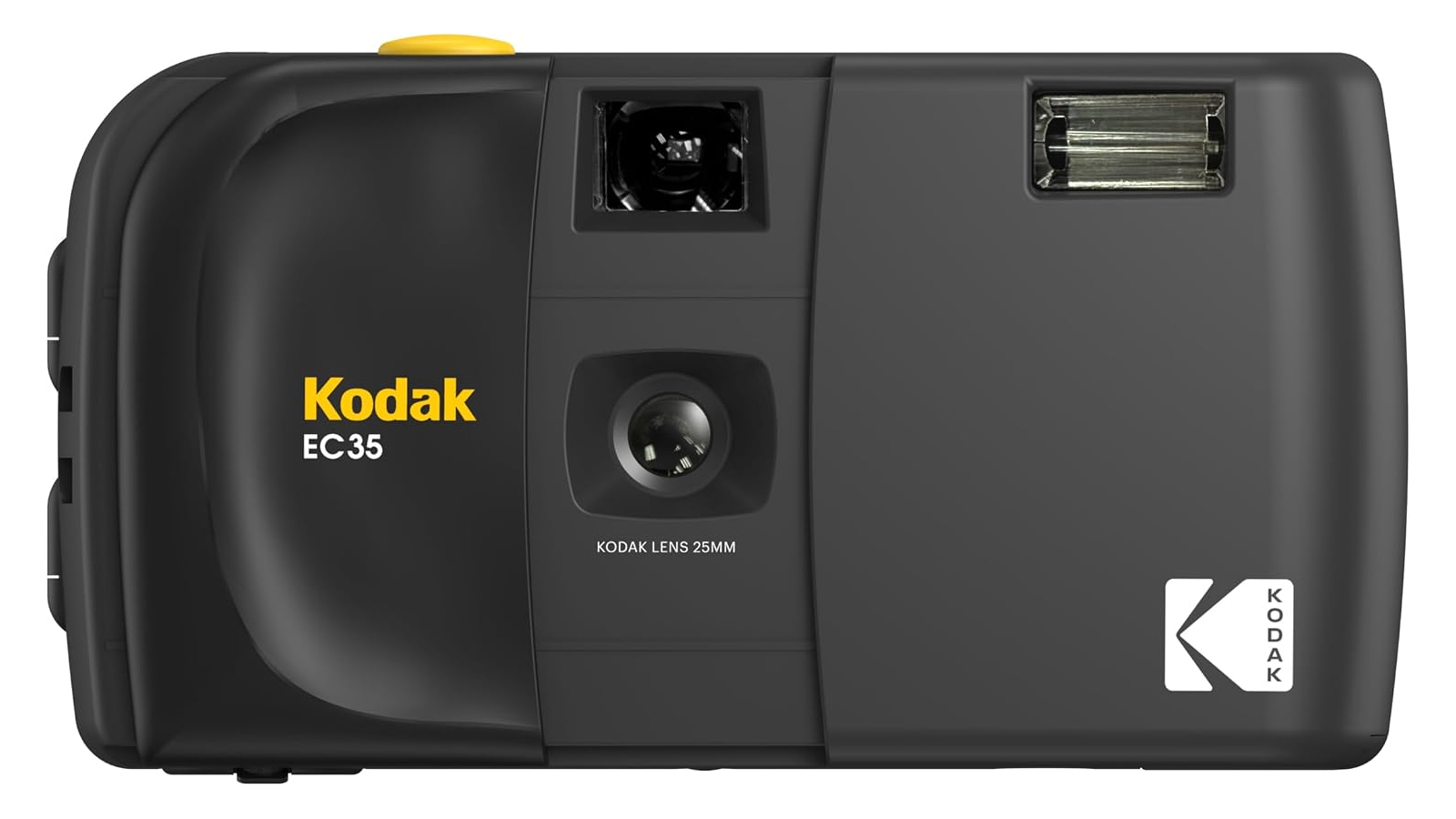
- Lens: Fixed 25mm f/10 lens, designed for wide-angle casual shooting.
- Focus: Fixed-focus design, removing the need for manual calibration.
- Shutter: Fixed shutter speed, ensuring a consistent exposure experience for daylight conditions.
- Flash: Built-in flash powered by a single AA battery, providing necessary light for low-light indoor or evening environments.
- Design: A lightweight, durable plastic body available in a wide spectrum of colors, including Butter Yellow, Lavender, Powder Blue, Blush Pink, Avocado Green, Vanilla White, and Midnight Black.
- Format: Standard 35mm film compatibility, making it compatible with widely available film stocks.
Unlike its single-use predecessors, the EC35 is a "reusable" system. Users can cycle through rolls of film, rewind them manually, and send them off for processing. This shift from disposable to reusable represents a move toward sustainability and a more long-term commitment to the analog craft.
Chronology: The Arc of Analog Persistence
The history of photography is a cycle of innovation followed by a nostalgic re-evaluation of obsolete tools. To understand the release of the EC35, one must look at the trajectory of the medium over the last three decades.
- The 1990s (The Disposable Peak): The 90s represented the zenith of the mass-market film camera. Disposable cameras were fixtures at weddings, graduations, and family vacations. They were the ultimate "low stakes" cameras—if you lost or broke one, the financial loss was negligible.
- The 2000s (The Digital Displacement): As digital point-and-shoots and eventually smartphones proliferated, the convenience of the LCD screen rendered film cumbersome. The "waiting period" of film processing was viewed as a technical hurdle rather than an aesthetic choice.
- The 2010s (The Slow Return): A counter-movement began among Gen Z and Millennials who felt a disconnect from the ephemeral nature of digital files. Film cameras, specifically vintage Olympus and Canon compacts, became "cool" again. Prices on the used market soared as supply dwindled.
- The 2020s (The Re-democratization): The market realized that while vintage cameras were desirable, they were also prone to mechanical failure and required a high barrier to entry. Companies began manufacturing new, low-cost plastic cameras to satisfy the demand for a "new" experience that mimicked the simplicity of the past.
Supporting Data: The Economics of Nostalgia
Why is a $35 camera significant in a world of $2,000 professional cameras? The answer lies in the psychological and economic barriers to entry.
For many aspiring photographers, the prospect of purchasing a vintage film camera is daunting. Repairing a 30-year-old camera can often cost more than the device itself, and the technical knowledge required to navigate shutter speeds and apertures can be alienating.
Market Positioning
Data suggests that the "experience-first" segment of the camera market is growing. The EC35 caters to:
- The "Social" Photographer: Users who attend parties and events and want a physical, tangible result that they can share later.
- The "Creative" Experimenter: Artists looking to break the habit of "spray and pray" photography, where hundreds of digital images are captured in hopes of one being good.
- The Gift Market: The price point makes the EC35 an ideal entry-level gift, particularly in bundles that include film rolls, which lowers the friction of the first purchase.
By pricing the device at $35, Kodak is essentially removing the financial risk. If the user decides that film photography isn’t for them, the investment is comparable to a single evening out, rather than a significant capital expenditure.
Official Perspectives and Industry Philosophy
Kodak’s strategy with the EC35 is not to reinvent the wheel, but to reclaim the "Kodak moment." The company’s philosophy centers on the idea that photography should be an emotional experience.
In a recent product brief, representatives hinted that the appeal of the EC35 lies in its "lack of interference." Digital cameras are full of distractions—notifications, histograms, battery warnings, and menus. By removing these, the camera returns the user to the act of observation. The inherent "imperfections" of the camera—such as the potential for slightly blurry images or the unpredictability of light exposure—are now marketed as features rather than bugs.
This mirrors a broader shift in the tech industry: "Digital Minimalism." Just as vinyl records have returned to the music industry because they force the listener to engage with an entire album, the EC35 forces the photographer to engage with the environment, one frame at a time.
Implications: What This Means for the Future of Photography
The release of the Kodak EC35 has several implications for the future of the imaging industry.
1. The Death of Technical Perfection
For years, the industry measured success through megapixels and dynamic range. The success of the EC35 suggests that for the mainstream user, these metrics have hit a point of diminishing returns. The "vibe" or the "look" of a photograph now holds more social currency than its objective clarity.
2. A Sustainable Shift in Film Use
By pushing the "reusable" model, the EC35 helps reduce the environmental waste associated with single-use cameras. While it is still a plastic device, its ability to be used hundreds of times over many years aligns with a growing consumer demand for products that are not designed for the landfill.
3. The "Hybrid" Photographer
We are seeing the rise of the hybrid photographer: someone who carries a high-end smartphone for utility and convenience, but a dedicated film camera for creative expression. This coexistence proves that analog and digital are not mutually exclusive, but rather serve different purposes in a modern creative’s toolkit.
Conclusion: Embracing the Unpredictable
The Kodak EC35 is not a replacement for a DSLR or a mirrorless camera. If you are looking for high-speed tracking, low-light performance, or the ability to print gallery-quality enlargements, this is not the tool for you.
However, if you are looking to recapture the joy of the "surprise" photograph, the EC35 is a compelling entry point. It is a reminder that photography is, at its heart, about the preservation of a moment. In a world where we capture everything and cherish very little, the limitations of the EC35—its fixed focus, its lack of screens, its reliance on a single AA battery—become its greatest strengths.
It invites us to stop tweaking and start shooting. Whether you are a seasoned professional looking to shake up your creative routine or a curious beginner who has never handled a roll of 35mm film, the EC35 offers a refreshing, uncomplicated way to engage with the world. It’s an inexpensive, colorful, and delightfully simple reminder that sometimes, the best camera is the one that forces you to see the world differently.


 Asep Darmawan
 Nana Muazin