Suro Senen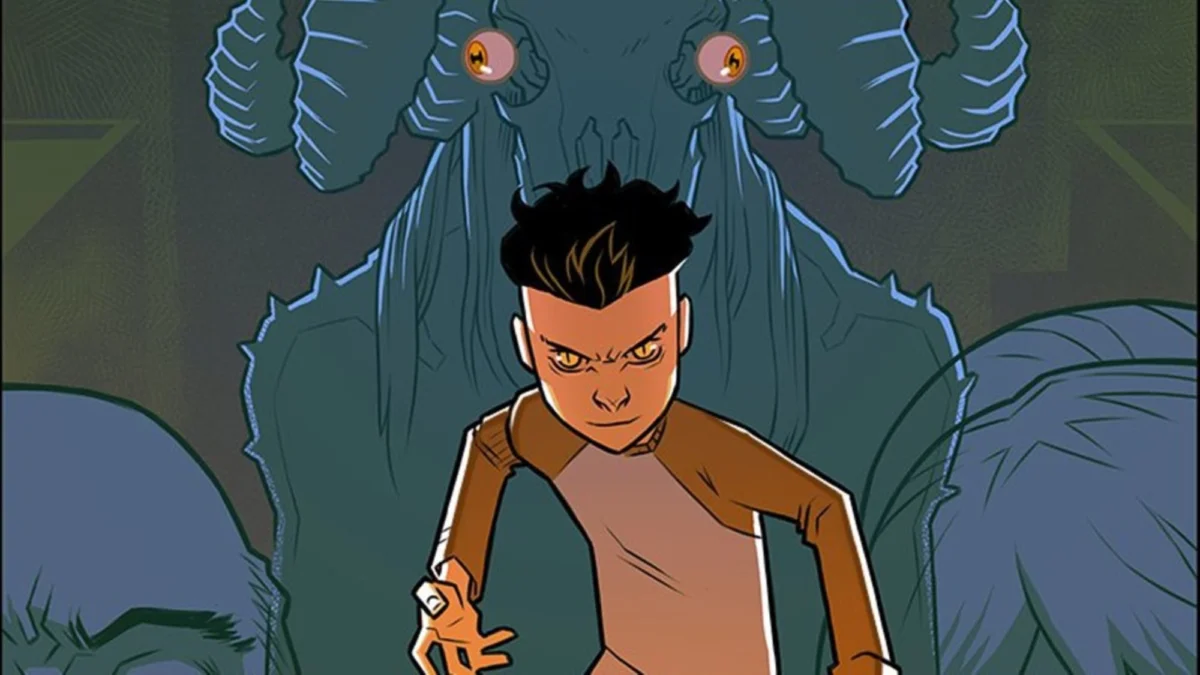
In the traditional comic book industry, success is often measured by diamond-certified sales charts, physical inventory movement, and the prestige of "The Big Two"—DC and Marvel. However, for veteran writer Justin Jordan, the most significant milestone of his career hasn’t come from a comic shop shelf, but from the scrolling infinite canvas of Webtoon. With his series Urban Animal, Jordan has tapped into a burgeoning digital ecosystem that challenges everything the industry thought it knew about monetization, readership, and creator ownership.
The Architect of Modern Sequential Storytelling
Justin Jordan is no stranger to the mechanics of the "direct market." A seasoned professional, his resume reads like a roadmap of modern comic history: he has penned titles such as The Curse of Brimstone, Sideways, New Guardians, and Superboy for DC, while simultaneously helming Shadowman for Valiant. His creator-owned work, most notably the visceral Luther Strode series and Spread for Image Comics, cemented his reputation as a master of high-octane narrative.
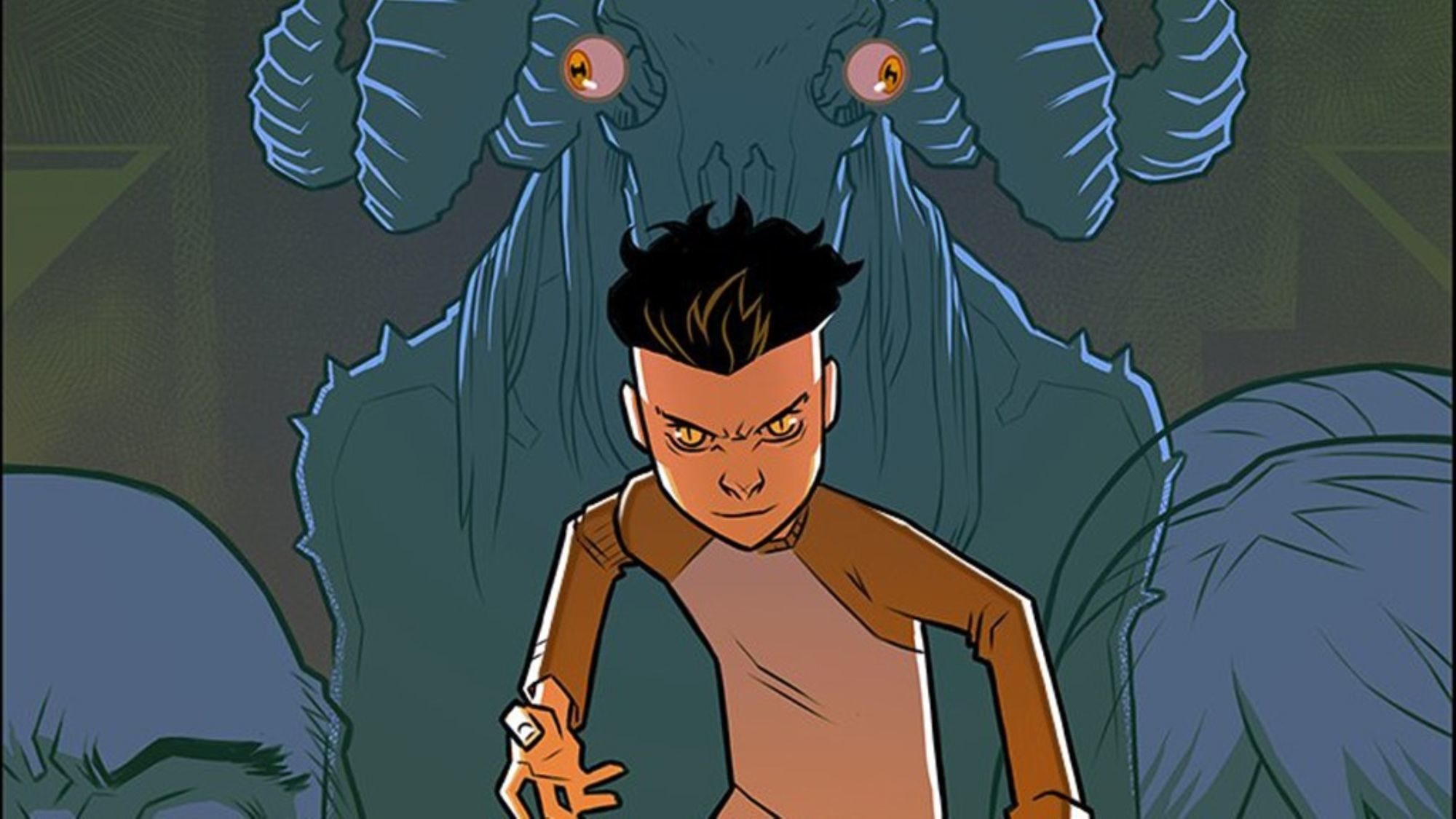
Yet, despite these accolades, Jordan admits that his most impactful work is currently unfolding on the Webtoon platform. Alongside artist John Amor and letterer Micah Myers, Jordan has built a digital juggernaut in Urban Animal. The series follows Joe Gomez, a high schooler whose life is turned upside down when he discovers he is a Chimera—a shape-shifting nature spirit—tasked with protecting humanity. Since its debut, the series has garnered a weekly readership that consistently hovers between 80,000 and 100,000 people, proving that the digital-first model is not just a supplement to print, but a viable, primary platform for professional success.
The Myth of the "Direct Market" Monopoly
For years, the industry has equated the health of comics with the health of the direct market (the traditional comic book shop distribution model). Jordan argues that this perspective is dangerously narrow. "I have a bad habit of saying ‘comics’ when what I am actually talking about is ‘direct market comics,’" Jordan notes.
While the direct market fluctuates, sequential storytelling as a medium is experiencing a global renaissance. When one looks at the staggering success of Dav Pilkey’s Dogman, which boasts print runs in the millions, or the massive footprint of imported manga, it becomes clear that the traditional comic shop is only one part of a much larger, more diverse ecosystem.
Webtoons, in particular, represent a seismic shift. Urban Animal currently boasts over 465,000 subscribers. To put that in perspective, while a successful Image comic might be thrilled with a consistent monthly pull list, Urban Animal operates on a scale that dwarfs traditional sales figures. Even more impressive is the "middle of the pack" status of Jordan’s work; heavy hitters on the platform like Let’s Play command upwards of 3.7 million subscribers. These numbers are not just vanity metrics—they represent millions of individuals actively engaging with, consuming, and waiting for the next installment of these stories.
A Chronology of Digital Transformation
The shift in Jordan’s career trajectory from print-heavy to digital-first follows a strategic evolution in the comics industry:
- Pre-2018: Jordan establishes his career through traditional work-for-hire and creator-owned Image titles.
- 2019-2020: Development and launch of Urban Animal on Webtoon. The series adopts a hyper-serialized, weekly release schedule designed for mobile consumption.
- Late 2020: Urban Animal solidifies a weekly audience of 100,000 readers, prompting a re-evaluation of how creators can leverage digital engagement for physical product.
- 2021-2023: The integration of "Fast Pass" monetization and crowdfunding (via Rocketship Entertainment) creates a hybrid model that blends digital exclusivity with physical collectability.
The Economics of the Infinite Canvas: How It Pays
The central question facing creators in the digital space is: "How do you make it pay?" For Jordan, the answer lies in a multi-tiered revenue model that contrasts sharply with the traditional "sell a book, take a cut" method.
The Licensing Model
Unlike many creator-owned deals in the direct market—where a publisher often gains partial ownership in exchange for financing—Urban Animal functions closer to the prose market. Jordan and his team retain significant creative control and ownership. Webtoon acts as a licensee, paying a fee per episode. This allows the creative team to maintain the ability to exploit the property across other channels, such as merchandise and future print collections, without the legal entanglements that often plague traditional comic ownership.
The Fast Pass System
Webtoon’s "Fast Pass" is the engine of the platform’s micro-transaction economy. Readers can pay a small nominal fee—roughly 50 cents per episode—to access chapters before they are released to the public. While Jordan remains circumspect regarding exact earnings, he confirms a baseline of at least 4,000 dedicated paying readers per week. This provides a steady, predictable income stream that is often more reliable than the volatile sell-through rates of the direct market.
Promotional Synergy
As a "Feature" comic on Webtoon, Urban Animal receives promotional support that elevates it above the "Canvas" (amateur/independent) tier. This institutional backing, combined with ad revenue sharing and Fast Pass income, creates a cumulative financial return that, per page or per episode, rivals or exceeds the compensation for standard work-for-hire assignments at major publishers.
Implications for the Future of Crowdfunding
The natural progression for a successful digital comic is the eventual move to print, a move that Jordan is executing via a partnership with Rocketship Entertainment. Crowdfunding, specifically Kickstarter, has emerged as the bridge between digital engagement and physical ownership.
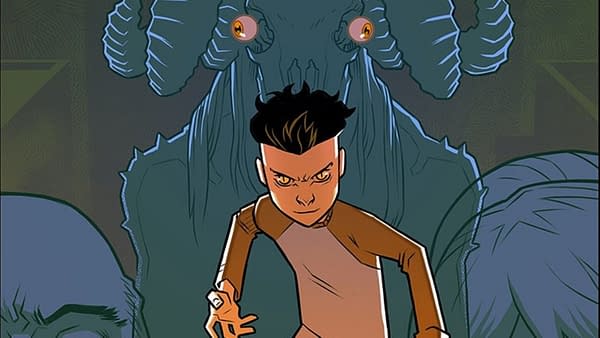
Jordan’s transition into the crowdfunding space is indicative of a broader industry trend. High-profile creators like Scott Snyder are increasingly turning to Kickstarter to bypass the bottleneck of traditional retail distribution, allowing them to deliver premium, collected editions directly to their most loyal readers. For Urban Animal, the Kickstarter campaign is not just a pre-order mechanism; it is a community-building exercise that converts digital subscribers into physical book buyers.
Why the Webtoon Format Works
Beyond the financials, Jordan highlights the creative benefits of the format. The "hyperserialized" nature of Webtoons—where chapters are designed for a vertical scroll on a smartphone—changes the pacing and narrative rhythm. It demands a different kind of storytelling, one that is immediate, visually striking, and consistently engaging.
"I think it’s one of the best things I’ve done," Jordan reflects. By prioritizing accessibility and community, Urban Animal has successfully stripped away the barriers to entry that have plagued the direct market for decades. Readers don’t need to visit a specialty shop on a Wednesday; they don’t need to commit to a monthly budget in advance. They simply need a phone and an interest in a good story.
Conclusion: A Blueprint for the Next Generation
Justin Jordan’s experience with Urban Animal serves as a critical case study for the modern comic professional. It highlights a vital lesson: the future of comics is not necessarily defined by the medium of paper, but by the relationship between the creator and the reader.
By embracing digital platforms, leveraging micro-transactions, and utilizing crowdfunding to satisfy the demand for physical collectability, Jordan has created a sustainable, long-term business model. In an era where attention is the most valuable currency, Urban Animal has proven that if you build a high-quality product and meet the readers where they live—on their screens—the financial rewards will follow. As the industry continues to evolve, Jordan’s "hustle" serves as a masterclass in how to stay relevant in a digital-first, global market.


 Raul Delapena Setiawan
 Lina Irawan