Azzam Bilal Chamdy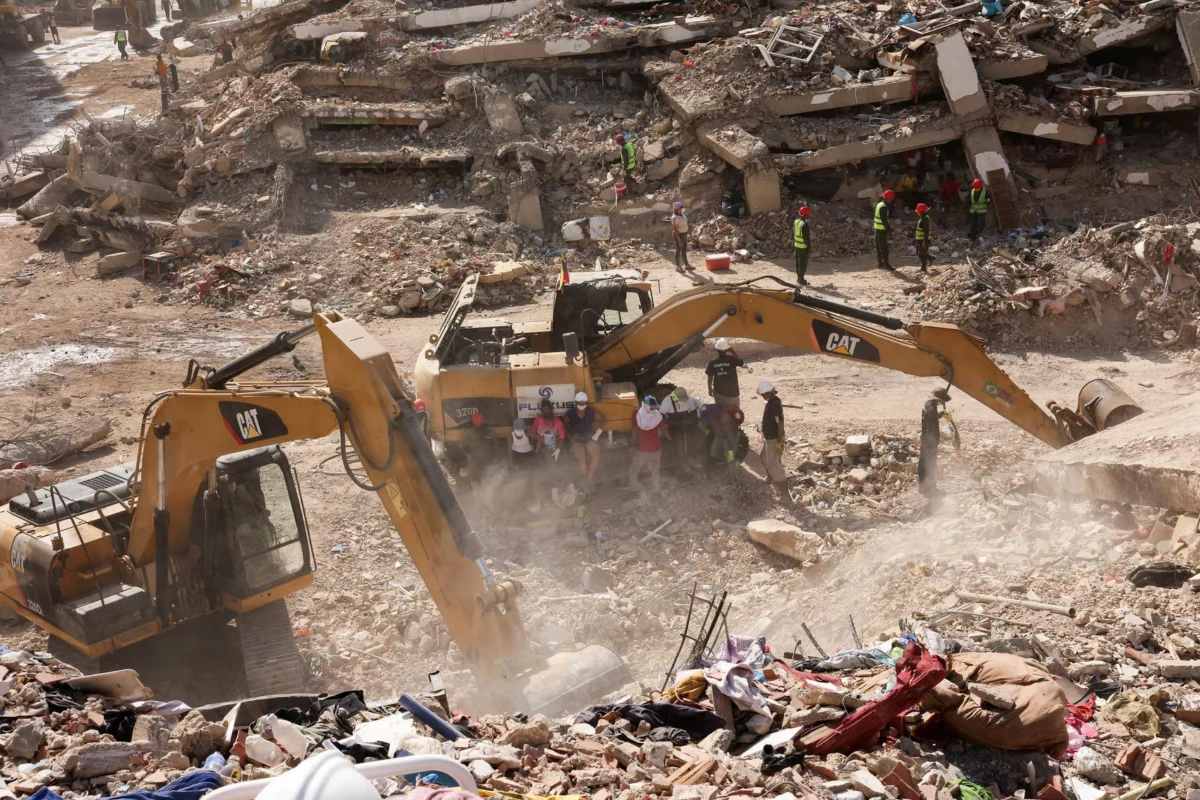
By Investigative Desk
Weeks after twin earthquakes shattered the peace of Venezuela’s central coast, the nation remains gripped by a profound humanitarian crisis. As the dust settles over the ruins of La Guaira, a secondary catastrophe is unfolding: a mass exodus of traumatized survivors fleeing the disaster zone for the country’s economically fragile interior. Among them is 26-year-old Adriana Aponte, a mother of three who represents the thousands of families now trading the devastation of the coast for the uncertainty of life in the oil-producing heartland of Maracaibo.
The Catastrophe: A Chronology of Destruction
The disaster struck on June 24, a date now etched into the collective consciousness of Venezuelans. At 8:14 a.m. local time, the ground beneath the central coast heaved with a magnitude of 7.2. Before emergency services could even assess the damage, a second, more powerful tremor of 7.5 magnitude struck at 10:42 a.m., delivering a fatal blow to the region’s already strained infrastructure.
- June 24, 8:14 AM: The initial shock occurs, causing widespread panic and structural failure in coastal municipalities.
- June 24, 10:42 AM: The secondary quake, significantly more intense, collapses weakened structures and severs key transit corridors, effectively isolating the hardest-hit zones.
- June 25-27: Emergency search and rescue operations commence under heavy rain, hampered by landslides and the lack of heavy equipment.
- July 1-5: As humanitarian aid trickles in, the first signs of a mass migration emerge. Tens of thousands of survivors, fearing aftershocks and disease, begin boarding buses headed toward the interior.
- Current Status: The government continues to manage makeshift tent camps while the population faces the reality of long-term displacement.
The Human Cost: A Portrait of Displacement
For families like Aponte’s, the decision to leave was not born of convenience, but of primal necessity. "The fear will always be there, haunting you," Aponte said, sitting in the modest brick dwelling that now serves as her family’s refuge in Maracaibo. "Sometimes you’d just like to forget."
Her story is a microcosm of the disaster’s reach. In La Guaira, her home did not vanish entirely, but the structural integrity was compromised beyond repair. A wall in the bedroom collapsed, splitting the room in two and exposing the family to the elements. With the threat of constant aftershocks making sleep impossible, Aponte—aided by a relative’s gift of 50,000 bolivars (approximately $67)—packed what few belongings remained and headed west.
The migration of these survivors is creating a demographic shift in cities like Maracaibo. These "climate refugees" are arriving in regions already suffering from chronic underinvestment and economic depression, placing an immense strain on local resources, schools, and medical facilities.
Supporting Data: By the Numbers
The scale of the June 24 disaster is staggering, ranking as one of the most significant seismic events in the region’s recorded history.
- Casualties: The death toll has reached at least 5,500, with thousands more reported missing or injured.
- Displacement: Approximately 23,800 individuals are currently residing in government-mandated tent camps.
- Infrastructure: Thousands of homes and commercial buildings were rendered uninhabitable, with entire neighborhoods in La Guaira reduced to rubble.
- Economic Impact: Beyond the immediate cost of reconstruction, the displacement is expected to shave significant points off regional GDP as the labor force abandons the coast.
The Official Response: Promises and Pressures
The Venezuelan government, led by central authorities, has initiated a series of relief measures, though critics argue the response has been slow and poorly coordinated. Emergency response teams have been deployed to clear debris and provide basic sustenance, but the promise of permanent, safe housing remains a distant goal for most.
"We are committed to rebuilding the coast," a government spokesperson noted during a recent press briefing. However, for those in the tent cities, such promises ring hollow. The transition from emergency shelters to permanent residences is hindered by a lack of raw materials, fuel shortages for heavy machinery, and the sheer volume of structural damage.
In Zulia state, local authorities are struggling to integrate the influx of survivors. While the arrival of thousands of displaced persons provides a temporary labor boost, it simultaneously risks overwhelming the local health and education systems. The administration has hinted at a federal aid package for states receiving large numbers of evacuees, but the specifics of this financial assistance remain vague.
Societal Implications: The Scars of Migration
The displacement of thousands of citizens from La Guaira to the west is likely to have long-term societal consequences. Sociologists suggest that the forced migration of families creates a "trauma cycle" that can persist for generations.
The Breakdown of Family Units
Aponte’s story highlights the agonizing choices families are forced to make. While she feels safer in the brick-and-zinc structure in Maracaibo, she is tormented by the fact that her father and sisters remain in the danger zone of La Guaira. This fragmentation of the nuclear family is becoming a common theme across the country.
The Psychological Burden
Mental health services in Venezuela were already stretched thin before the earthquake. The addition of tens of thousands of individuals suffering from Post-Traumatic Stress Disorder (PTSD) creates an urgent need for psychiatric intervention that the state is ill-equipped to provide. "My children—ages 1, 4, and 10—are finally sleeping through the night," Aponte noted, "but they flinch at every loud noise."
Economic Repercussions
The western states, particularly Zulia, are now tasked with absorbing a population that has lost its primary source of income. As these survivors attempt to rebuild their lives in a depressed economy, the risk of extreme poverty increases. The reliance on government housing, which is currently "temporary," will eventually force a confrontation between the state and its citizens regarding the long-term feasibility of these resettlement programs.
Conclusion: A Nation in Limbo
As the recovery efforts enter their second month, the focus is shifting from immediate search-and-rescue to the arduous task of long-term rehabilitation. Venezuela stands at a crossroads. The physical damage to the central coast is immense, but the psychological and demographic damage caused by the internal migration of its people may prove even harder to repair.
For Adriana Aponte and thousands of others, the future is an exercise in waiting. They wait for the government to fulfill its promise of permanent housing; they wait for the ground to stop shaking in their memories; and they wait for the day when the word "home" no longer carries the weight of a ruined past.
As the sun sets over the weeds and rubble surrounding her new home in Maracaibo, Aponte remains a symbol of both the resilience and the vulnerability of the Venezuelan people. The quakes of June 24 did more than shift the earth; they shifted the trajectory of a nation, leaving a generation to pick up the pieces in a land that feels increasingly unfamiliar.
Copyright © Thomson Reuters 2026. All rights reserved. This article is intended for informational purposes and reflects the current state of recovery efforts as reported by regional correspondents.


 Neng Nana
 Asro
Asro