Reynand Wu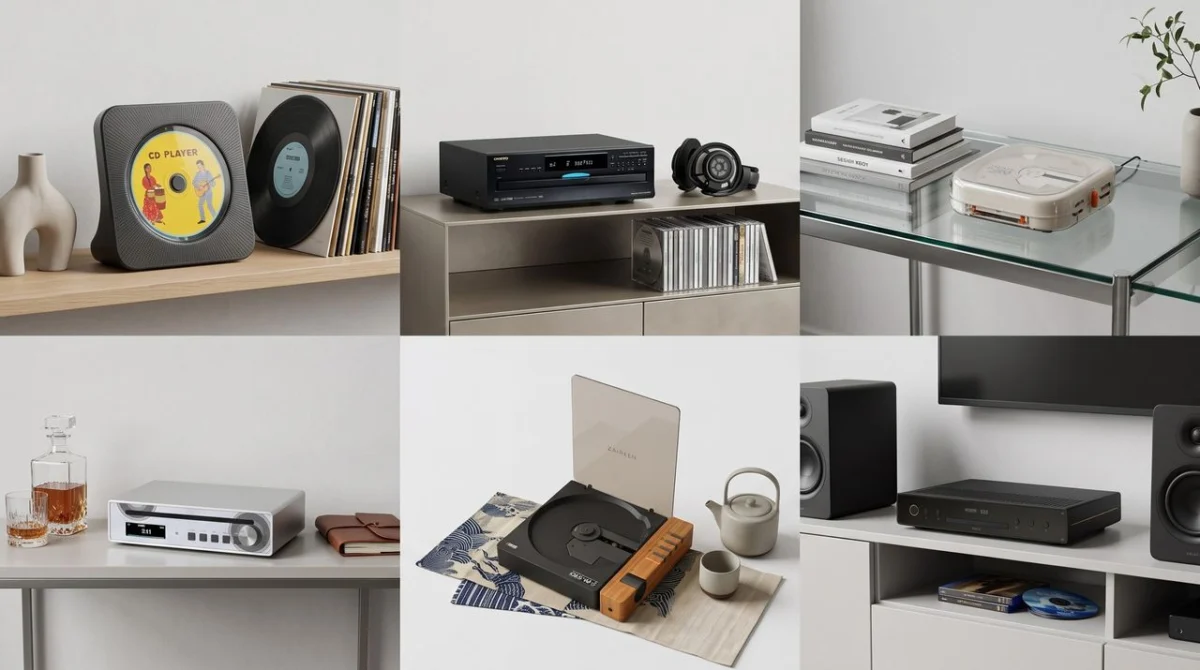
In an era defined by the ethereal nature of digital streaming, where music libraries exist solely as temporary leases in the cloud, a curious trend has emerged. Despite the prognostications of tech giants and the convenience-driven dominance of platforms like Spotify and Apple Music, the Compact Disc (CD) is not merely surviving—it is staging a sophisticated, design-led resurgence. While major hardware manufacturers like Sony have pivoted away from the format for gaming and general consumer electronics, a new generation of audiophiles and design-conscious listeners is breathing life back into the humble plastic disc.
The State of Play: Physical Media in a Digital World
The decline of the CD was once considered an inevitability. As high-speed internet and mobile data made the "all-you-can-eat" buffet of streaming services the standard for music consumption, the tactile experience of unwrapping a CD case and loading a player into a tray seemed destined for the dustbin of history. However, market data tells a different story.
Music labels continue to press new releases on CD, driven by a persistent collector base that values the high-fidelity, uncompressed audio quality that streaming services often compromise to save bandwidth. Furthermore, there is a psychological component at play: the desire for true ownership. When you purchase a CD, you own the music. When you subscribe to a service, you are merely renting access to a catalog that can change or disappear at the whim of licensing agreements. This shift in consumer sentiment—a reaction against the "subscription fatigue" felt across the creative and tech industries—has created a fertile ground for manufacturers to iterate on CD hardware.
Chronology of a Comeback
The resurgence of the CD did not happen overnight. To understand where we are, we must look at the timeline of the format’s trajectory:
- 1982–1990s: The Golden Age: The CD revolutionizes the industry, offering digital clarity that renders vinyl and cassettes obsolete in the eyes of the mainstream consumer.
- 2000s–2010s: The Great Digital Migration: The rise of MP3s, Napster, and eventually the streaming revolution leads to a precipitous decline in physical disc sales.
- 2020–2022: The Post-Pandemic Pivot: As people spend more time at home, a renewed interest in "tangible" hobbies leads to a spike in vinyl, but also a secondary, more budget-friendly interest in high-quality CD playback.
- 2023–Present: The Aesthetic Integration: Hardware manufacturers recognize that users want more than just sound; they want "lifestyle" technology. We see the emergence of portable, Bluetooth-enabled, and aesthetically driven CD players that act as centerpieces for home offices and living spaces.
Beyond the "Brick": Modern Hardware Innovations
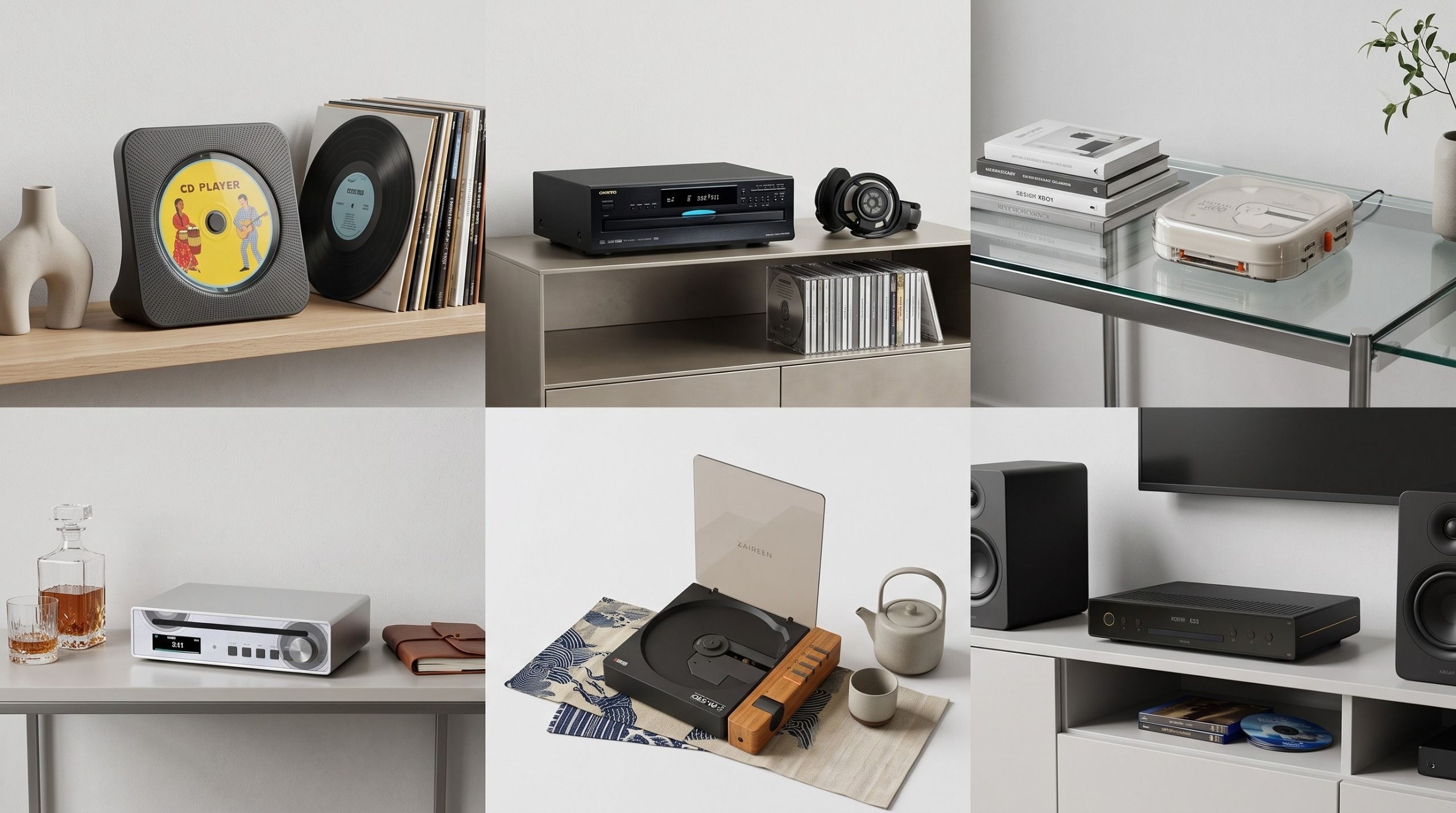
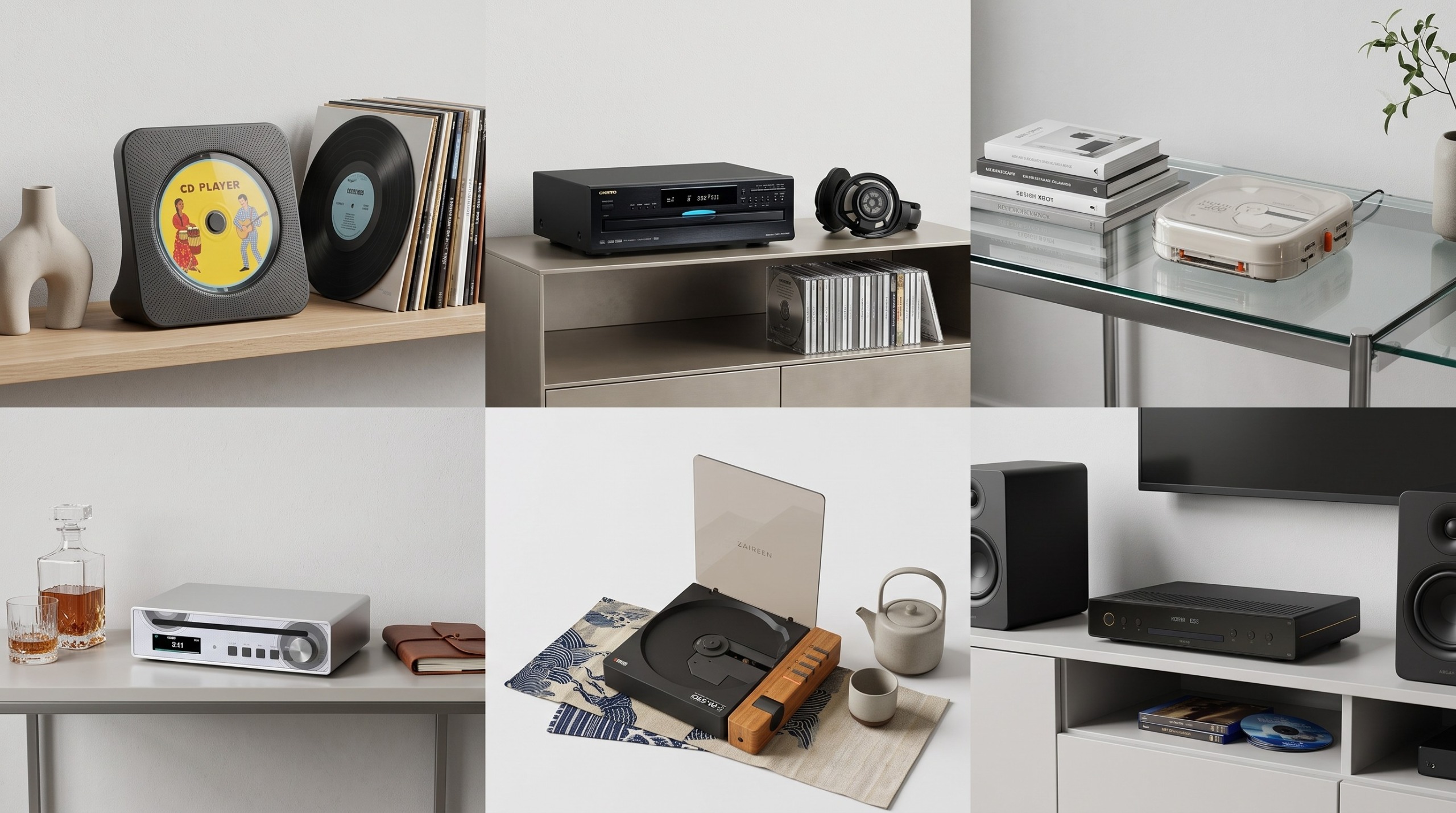
The modern CD player is a far cry from the utilitarian, silver-plastic towers of the late 1990s. Today’s market is segmented into three distinct categories: high-end audiophile separates, retro-styled lifestyle units, and portable desktop players.
1. The Lifestyle Aesthetic: Syitren and Retro-Design
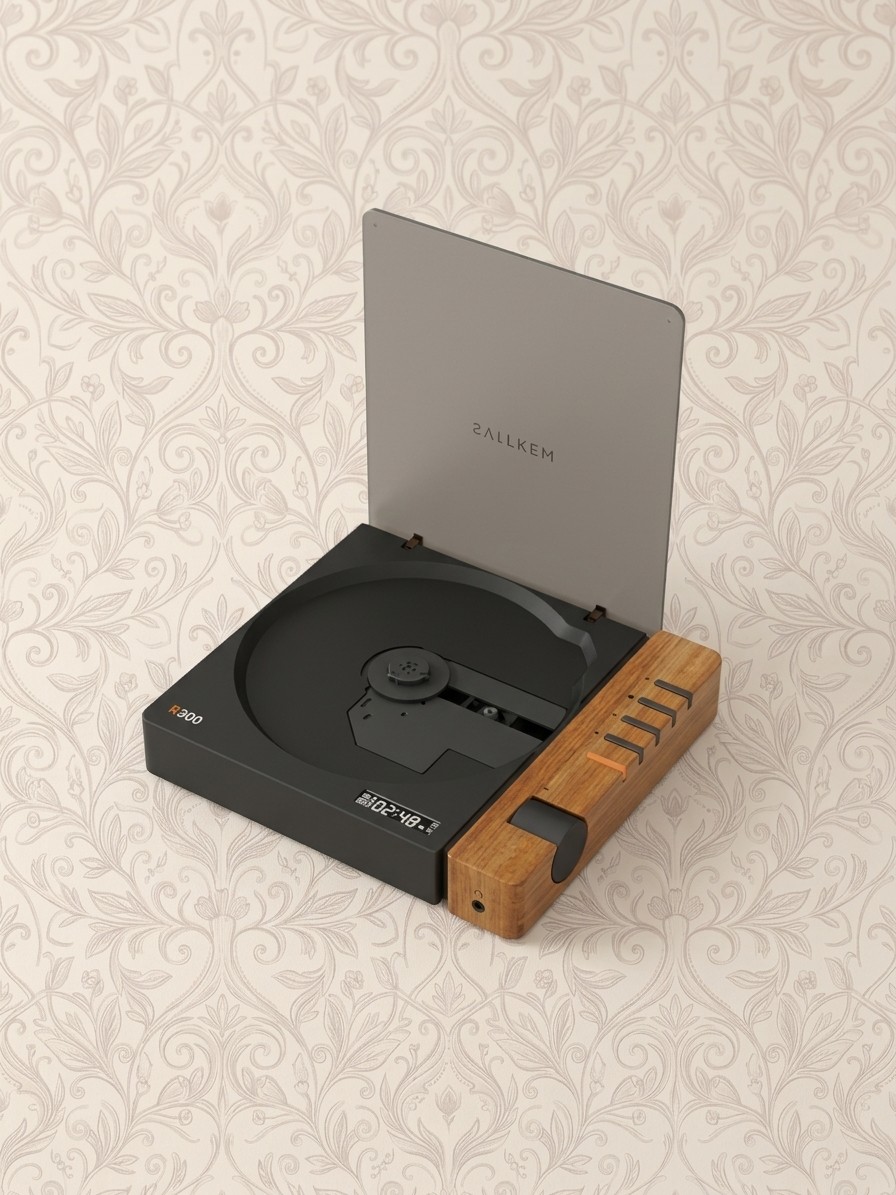
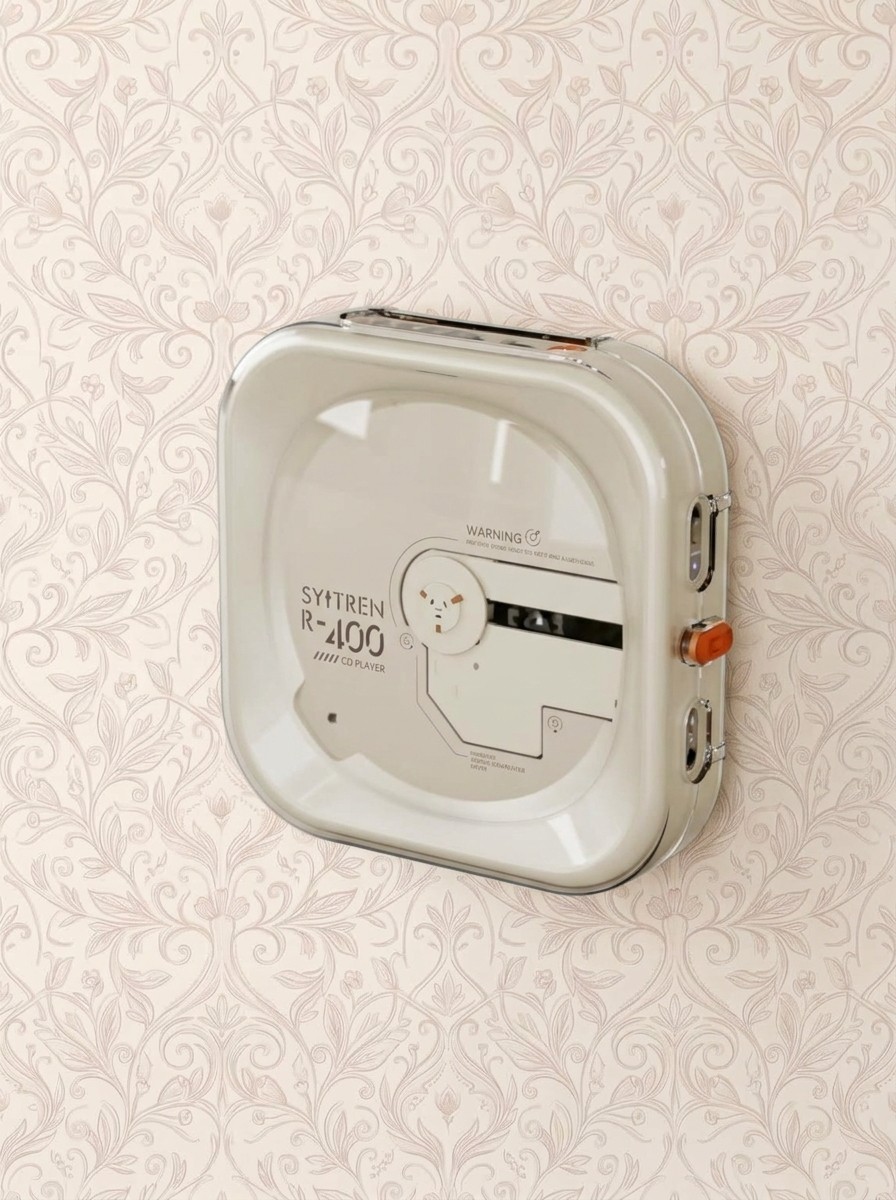
The Syitren R300 and R400 models represent the current zeitgeist. These players prioritize form just as much as function. With a look that mimics the charm of vintage record players, they are designed to be displayed on a desk or bookshelf rather than hidden away in a media cabinet. These units offer modern conveniences—such as Bluetooth connectivity—that allow them to pair seamlessly with contemporary wireless speakers or high-end headphones.
2. High-Fidelity Performance: The Arcam Approach
For the purist, the Arcam Radia CD5 stands as a testament to the fact that the format can deliver world-class sound. High-end manufacturers continue to refine digital-to-analog converters (DACs) and vibration-dampening mechanisms to ensure that the CD medium is treated with the sonic respect it deserves. For these users, the CD is not a nostalgic toy; it is a high-resolution vessel for music that exceeds the quality of standard-tier streaming.
3. Versatility and Multi-Disc Convenience: Onkyo
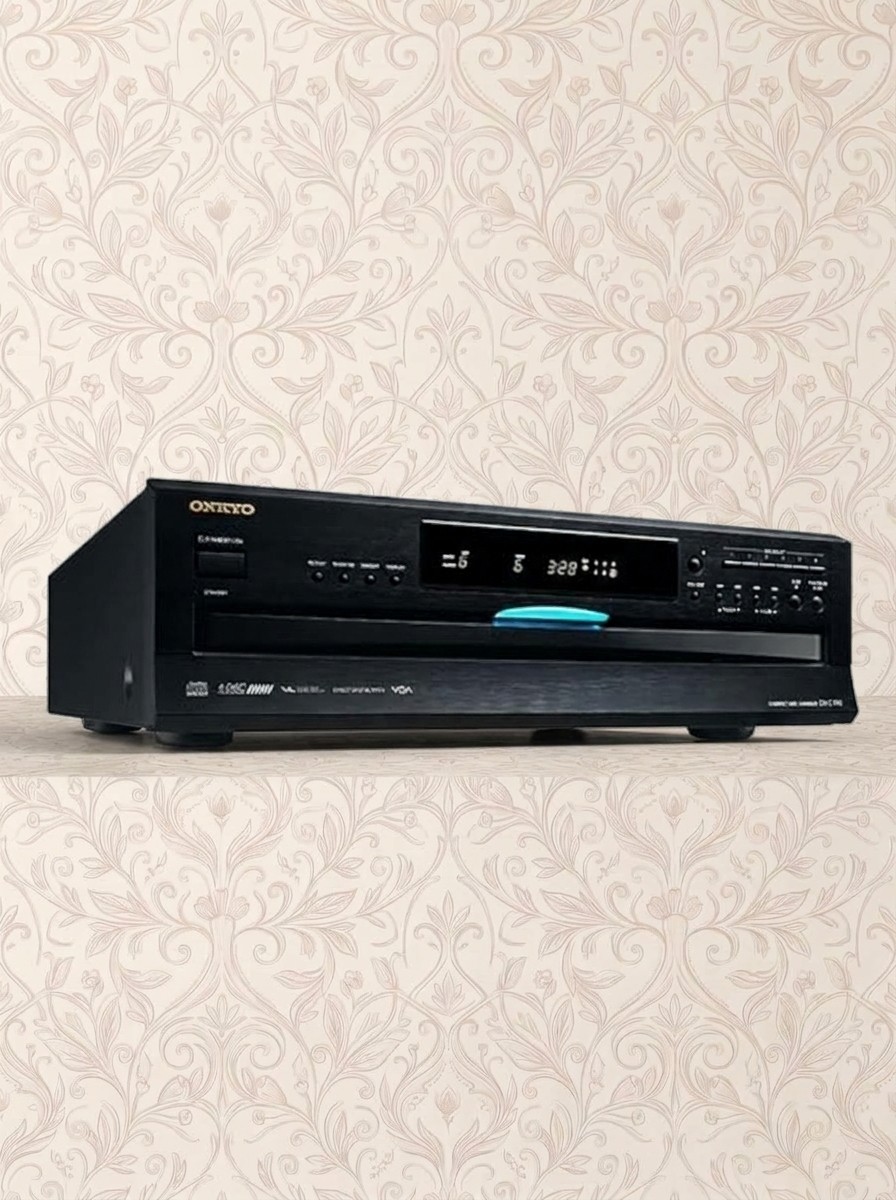
There remains a market for those who want to "set and forget." The Onkyo DXC390 6-disc CD changer highlights the continued demand for convenience-focused hardware. In an age of algorithmic playlists, the ability to physically load six albums and let them rotate provides a curated, tactile experience that software simply cannot replicate.
Supporting Data: Why the Numbers Matter
While streaming accounts for the vast majority of music industry revenue, the physical segment has stabilized. Industry reports from the Recording Industry Association of America (RIAA) have shown that while CD revenue is a fraction of its 1990s peak, it has experienced "bump" years recently. This is largely attributed to the "merch-ification" of music; modern artists are increasingly packaging their albums in elaborate, limited-edition CD box sets that include booklets, posters, and exclusive artwork. For the Gen Z and Millennial demographic, the CD is becoming a collectible artifact—a piece of merchandise that serves as a badge of fandom.
Official Responses and Industry Perspectives
The industry has taken notice of this "Physical Renaissance." While large-scale manufacturers like Sony have largely exited the consumer CD player space, boutique audio firms and design-forward brands like SMSL and Gueray have filled the void.
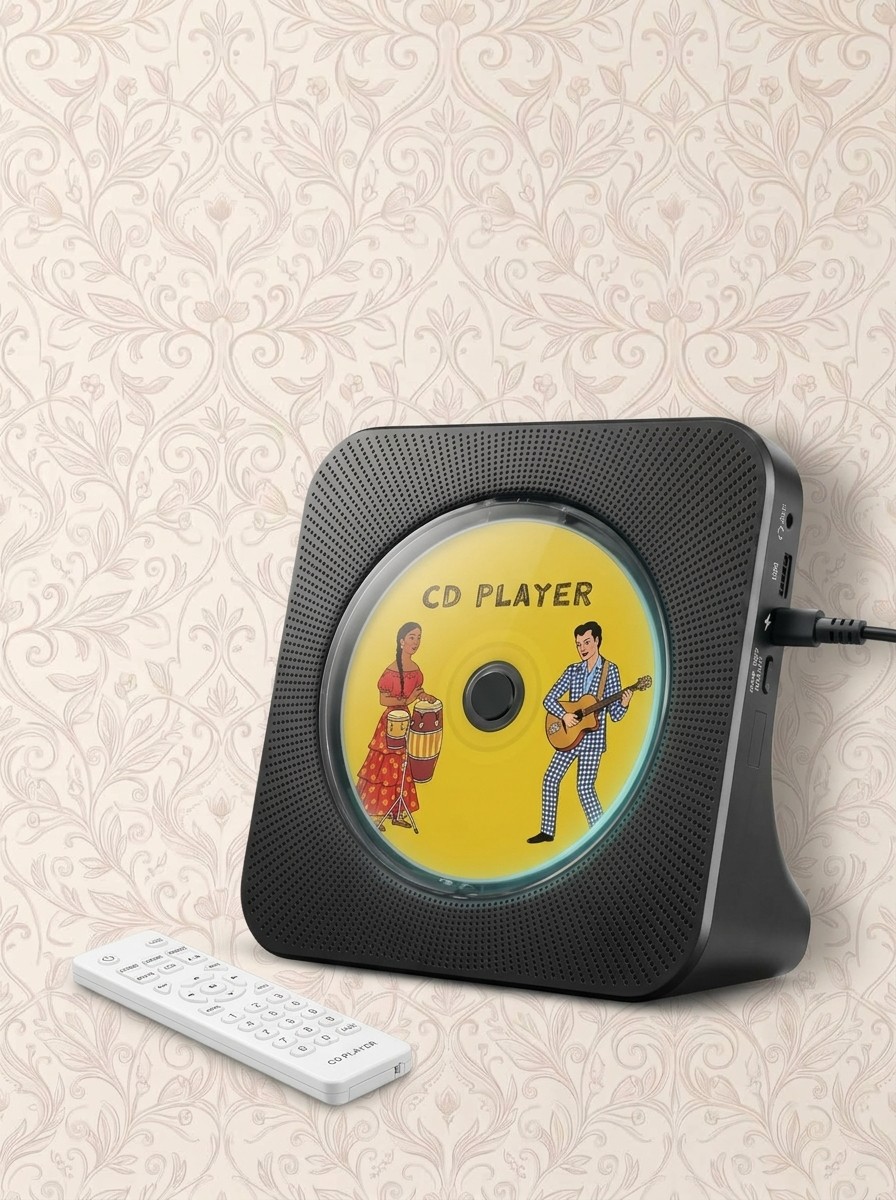
A spokesperson for one boutique audio manufacturer noted: "We aren’t trying to compete with the sheer convenience of the smartphone. We are competing for the ‘intentional listener.’ Our customers want to sit down, choose an album, and listen to it from start to finish without the distraction of notifications or the temptation to skip tracks. The hardware we build is designed to facilitate that experience."
Implications for the Creative Sector
The implications for the creative and tech industries are profound. The shift toward physical media suggests a broader trend of "digital minimalism." Consumers are becoming increasingly wary of the "everything-as-a-service" model.
- For Designers: There is a renewed focus on packaging design. As the CD becomes a luxury/collector item, the physical object must justify its price through premium materials, tactile finishes, and visual storytelling.
- For Audiophiles: The demand for high-quality, loss-less playback is driving innovation in portable DACs and Bluetooth codecs, ensuring that even wireless connections can handle the bitrates required for high-fidelity audio.
- For the Tech Market: The success of these niche players proves that there is a viable market for "specialized" hardware. When a product solves an emotional need—in this case, the need for connection and ownership—price sensitivity often decreases.
The Future of the Format
Is the CD here to stay? It is unlikely that it will ever regain its position as the dominant medium for music distribution. However, it has successfully transitioned into a long-tail format, much like vinyl. It occupies a space for those who value the ritual of music.
When you place a disc into a player like the Syitren R300, you are making a choice to engage with a specific piece of art for the next hour. You are choosing to avoid the "shuffle" culture that treats music as background noise. As we move further into a world dominated by AI-generated playlists and algorithmic content, the act of choosing a physical disc becomes an act of rebellion.
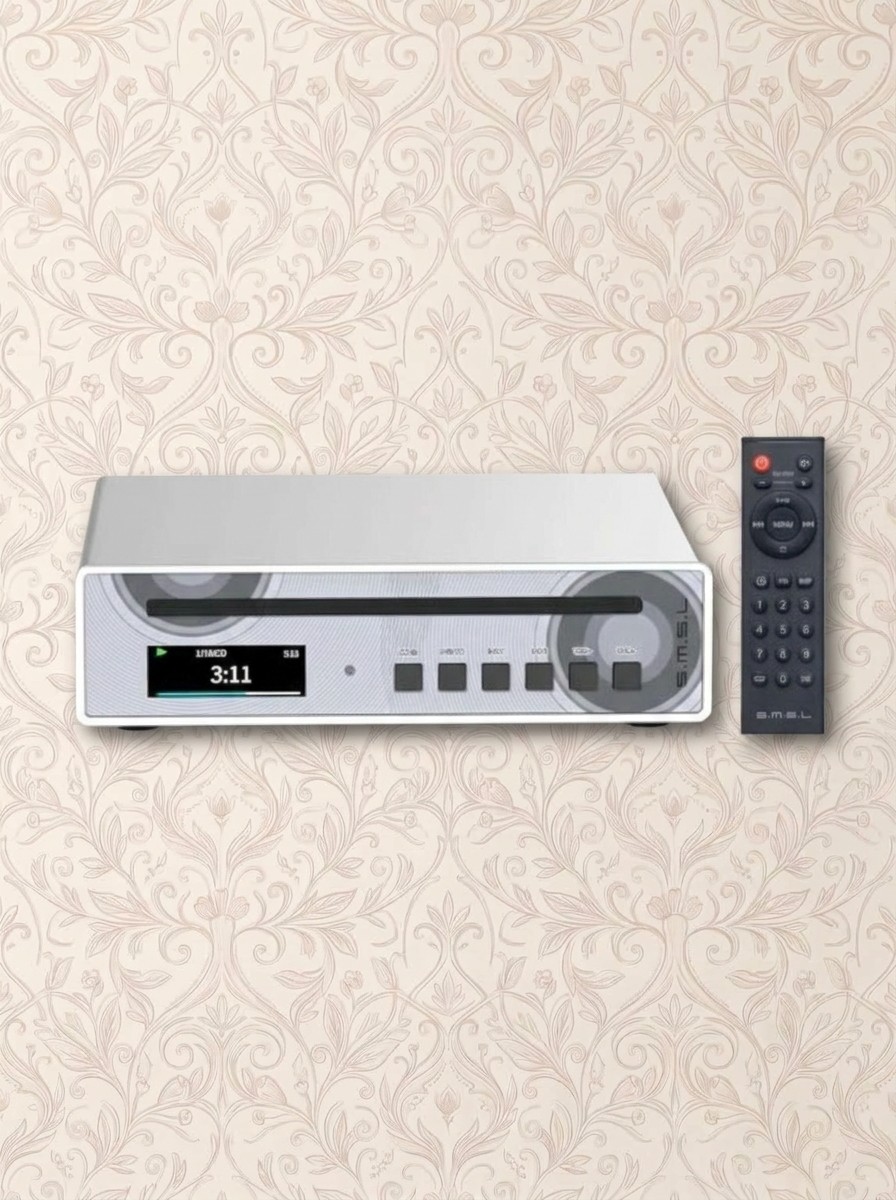
For those looking to dip their toes back into the format, the barrier to entry has never been lower. Whether you opt for a sleek, modern desktop player that connects to your AirPods, or you invest in a classic CD changer for your home theater, the hardware is ready. The music labels are still pressing the discs. The only thing left to do is to clear a space on your desk, find your favorite album, and press play.
The digital world may be infinite, but the physical world is where we live. And for a growing number of music lovers, that is exactly where the music belongs.

 Basiran
 Neng Nana