Ammar Sabilarrohman
Tokyo, Japan – The whimsical world of "Chiikawa" continues to capture the hearts and wallets of Japanese audiences, with "Eiga Chiikawa: Ningyo no Shima no Himitsu" (Chiikawa the Movie: The Secret of Mermaid Island) extending its remarkable box office dominance. For an unprecedented eighth consecutive weekend, the beloved animated film has held the coveted number one spot, solidifying its status as a cultural phenomenon and a significant financial success in the Japanese film industry.
This latest installment in the "Chiikawa" cinematic universe has not only charmed audiences with its endearing characters and captivating storyline but has also rewritten box office records, proving the enduring appeal of Nagano’s creation. As the film continues its impressive run, industry analysts are dissecting the factors behind its phenomenal success and its implications for the future of anime films in the competitive global market.
A Phenomenal Run: "Chiikawa" Reigns Supreme
"Eiga Chiikawa: Ningyo no Shima no Himitsu" has demonstrated a remarkable staying power at the Japanese box office. Over its eighth weekend, from Friday to Sunday, the film drew in an impressive 271,000 attendees, generating a substantial 427,295,700 yen (approximately US$2.75 million) in ticket sales. This consistent performance underscores the deep connection audiences have forged with the characters and the narrative.
The cumulative figures are even more staggering. The film has now sold a colossal 10.09 million tickets, amassing a grand total of 14,666,866,500 yen (around US$94.61 million). This monumental achievement has propelled "Eiga Chiikawa: Ningyo no Shima no Himitsu" past the previous record holder, "Detective Conan: Fallen Angel of the Highway," which garnered 13.7 billion yen (approximately US$87.8 million). This makes "Chiikawa" the highest-grossing film in Japan for the current year, a testament to its widespread appeal and critical reception.

Furthermore, the film’s impressive financial performance has landed it a significant position in Japan’s all-time box office rankings, currently standing at an impressive 23rd place. This places it among the ranks of cinematic titans and solidifies its place in Japanese film history.
A Story of Friendship and Adventure: The "Mermaid Island" Arc
The narrative of "Eiga Chiikawa: Ningyo no Himitsu" is rooted in the popular "Siren Arc" or "Island Arc" of Nagano’s manga, which captivated readers on X (formerly Twitter) from March to November 2023. The film’s story unfolds with the endearing trio, Chiikawa and Hachiware, enjoying a moment of peace when a mysterious rabbit appears, bearing an enticing flyer. The flyer promises grand rewards for simple hunts and an abundance of delicious, exclusive island delicacies, including limited-edition ramen and sweets.
Lured by these tempting prospects, Chiikawa and their friends embark on an adventure to this mysterious island. However, their journey is not without its cautious companion, Rakko, who, suspicious of the flyer’s promises, accompanies them. The film masterfully builds suspense as the characters venture into the unknown, posing the tantalizing question: what awaits them on this seemingly idyllic island?
The film’s creative team has been lauded for their faithful adaptation of the beloved manga arc. Nagano, the original creator, is credited with the original story and also penned the film’s script, ensuring an authentic voice and vision. Under Nagano’s supervision, Kei Oikawa, known for his work on acclaimed series like "Uma Musume Pretty Derby" and "Hinamatsuri," directed the film at Cygames Pictures. The production was managed by QTORY inc., with TOHO handling the distribution, a combination that has clearly proven successful.

A Look Back at Box Office Milestones
"Eiga Chiikawa: Ningyo no Shima no Himitsu" made its debut on July 24, immediately seizing the top spot and holding it firmly for its opening weekend. The film’s opening day alone was a remarkable success, earning 990 million yen (approximately US$6.05 million). Within its first three days, it had already captivated audiences, selling 1,508,500 tickets and grossing an impressive 2,240,333,500 yen (about US$13.70 million).
The film’s immersive experience has been further enhanced by the introduction of special screenings. 4DX screenings commenced on September 5, offering audiences a more dynamic and engaging viewing. Additionally, one-day-only "cheering screenings" were held on September 11, allowing fans to interact and celebrate their shared love for "Chiikawa." The commitment to fan engagement continues with upcoming penlight screenings scheduled for September 23, demonstrating a proactive approach to audience participation and extending the film’s cultural footprint.
The Competitive Landscape: "Madoka Magica" and "Look Back"
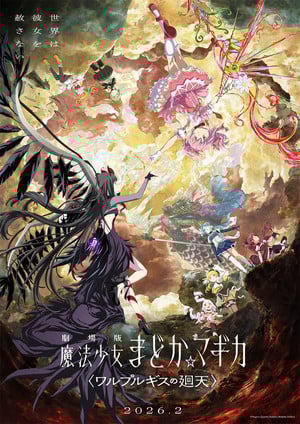
While "Chiikawa" basks in the spotlight, other notable films are also making their mark on the Japanese box office. "Puella Magi Madoka Magica The Movie: Walpurgisnacht: Rising" (Gekijōban Mahō Shōjo Madoka Magica: Walpurgis no Kaiten), the highly anticipated sequel to the "Puella Magi Madoka Magica The Movie Part 3: Rebellion," has seen a slight dip, moving from third to fourth place in its third weekend. The film garnered 169,476,760 yen (approximately US$1.09 million) over the weekend, bringing its cumulative earnings to 1,838,112,960 yen (about US$11.85 million).
The "Madoka Magica" film, which opened on August 28, also received IMAX screenings on the same day. Its opening weekend performance was robust, with 535,000 tickets sold and earnings of 939,647,100 yen (approximately US$5.95 million) in its first three days. The film is directed by Yukihiro Miyamoto and features a stellar voice cast, including Shion Wakayama and Tomoyo Kurosawa. A returning crew of seasoned professionals, including chief director Akiyuki Simbo and scriptwriter Gen Urobuchi, have ensured the film upholds the high standards set by the franchise. The theme song, "Kanata," is performed by Yuki Kajiura’s solo project, FictionJunction.
Tatsuki Fujimoto’s live-action adaptation of his one-shot manga, "Look Back," has opened at the fifth position. The film, which debuted on September 11, earned 144,146,120 yen (about US$929,800) in its initial three days. Directed by Hirokazu Kore-eda, the film stars Aju Makita and Natsuki Deguchi. The score was composed by Yōta Bandō, and the film features special guest staff roles from Kenshi Yonezu, Tōko Miura, and Yōko Kuno, adding a unique blend of musical and visual artistry.
"Sound! Euphonium, The Final Movie Part 2" (Saishū Gakuen Hibike! Euphonium: Kumiai-hen), the concluding chapter of the "Sound! Euphonium, The Final Movie" project, premiered at number seven. In its first three days, the film earned 147,719,540 yen (approximately US$952,900). Directed by Taichi Ogawa with Tatsuya Ishihara as chief director, the film boasts a strong creative team and a compelling musical score. The first part of the film was released on April 24.
Other films that have seen shifts in their box office performance include "Eiga Crayon Shin-chan Kikikaikai! Ora no Yōkai Bake-shon," which has exited the top 10 in its seventh weekend, and "Kingdom: Tamashii no Kessen," the fifth live-action "Kingdom" film, which has dropped off the list in its ninth weekend. "Sekiro: No Defeat," the anime adaptation of FromSoftware’s "Sekiro: Shadows Die Twice" game, also left the charts in its second weekend.
Industry Implications and Future Outlook
The sustained success of "Eiga Chiikawa: Ningyo no Shima no Himitsu" highlights several key trends in the Japanese film market. Firstly, it underscores the immense power of established intellectual property and beloved characters in drawing audiences to cinemas. The "Chiikawa" franchise has cultivated a dedicated fanbase, which has translated directly into box office performance.

Secondly, the film’s success demonstrates the growing appetite for animated content that offers both lighthearted entertainment and meaningful themes. The blend of adorable characters, engaging plotlines, and underlying messages of friendship and adventure resonates deeply with a broad demographic.
The financial achievements of "Chiikawa" also reinforce the economic viability of anime films, not just domestically but potentially on a global scale. As the film continues to shatter records, it sets a new benchmark for what is achievable in the animated feature film sector. This can inspire further investment and creative endeavors in the industry.
The continued strong performance of anime films like "Chiikawa" and "Madoka Magica," alongside the anticipation for live-action adaptations like "Look Back," indicates a vibrant and diverse Japanese film landscape. As new releases emerge and established titles maintain their momentum, the coming months promise to be an exciting period for cinema enthusiasts in Japan and beyond. The box office continues to be a dynamic arena, and the enduring popularity of these narratives signals a bright future for Japanese filmmaking.


 Pevita Pearce
 Nana Wu