For decades, Irem’s R-Type series has been synonymous with the pinnacle of the side-scrolling shoot-’em-up genre. Known for its distinct, biomechanical aesthetic, punishing difficulty, and the iconic "Force" weapon system, the franchise defined an era of arcade gaming. However, in 2007, the series took a daring, unexpected turn. With the release of R-Type Tactics on the PlayStation Portable, the developers pivoted away from twitch-reflex action, opting instead for a turn-based strategy RPG format.
Now, with the release of R-Type Tactics I & II Cosmos—a comprehensive remaster developed by Granzella, a studio founded by former Irem veterans—this niche cult classic has been brought to modern platforms. While the collection successfully preserves the brutal charm of the original titles, it also serves as a stark reminder of the design philosophies that defined the mid-2000s, for better and for worse.
A Legacy Reimagined: The Main Facts
R-Type Tactics I & II Cosmos is a bundle that combines the original 2007 R-Type Tactics with its 2009 sequel, R-Type Tactics II: Operation Bitter Chocolate. The latter is particularly significant for western audiences, as it was previously locked behind a Japan-exclusive release, making this remaster the first time international players can officially experience the complete narrative arc of the Tactics sub-series.
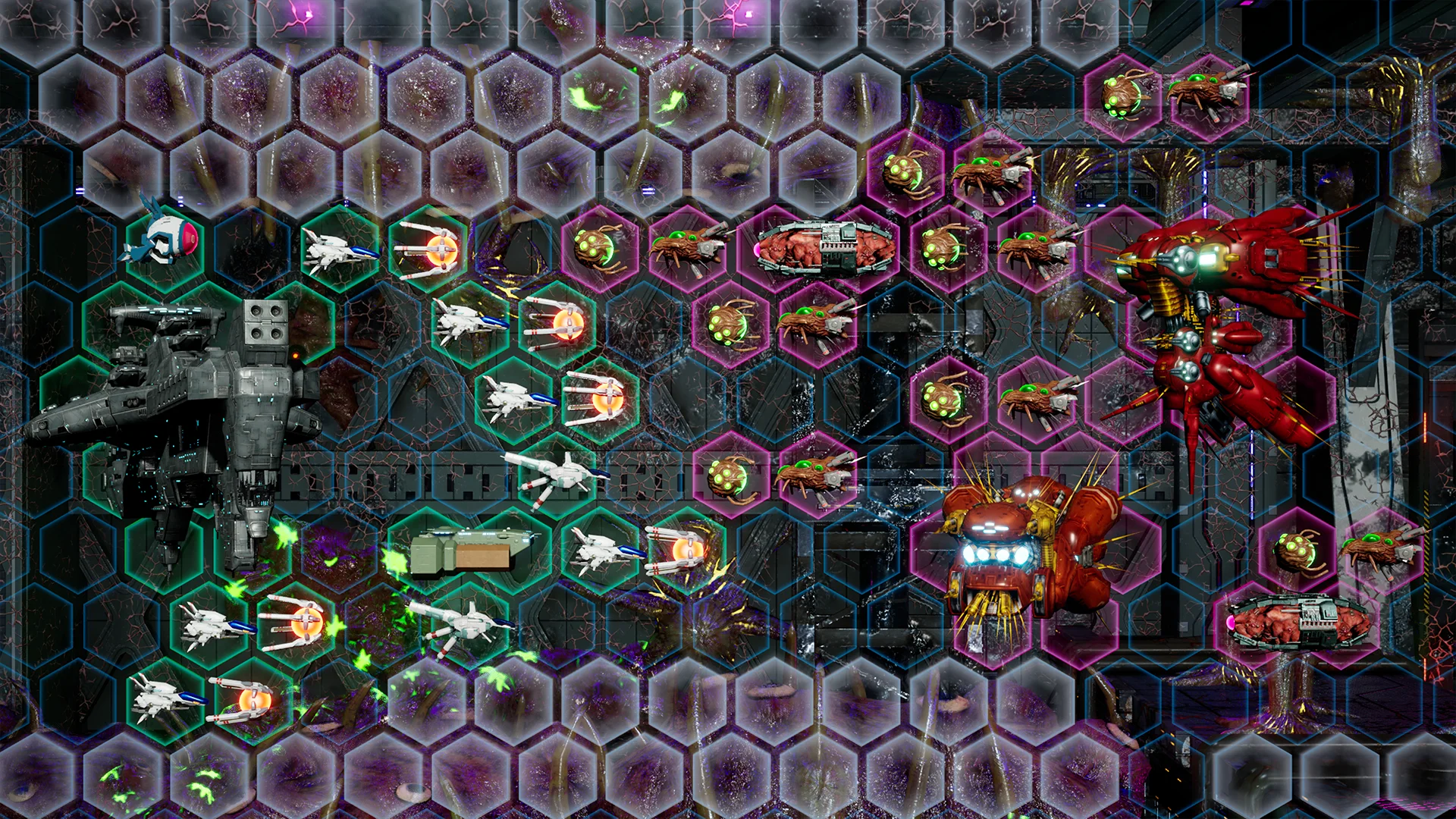
Granzella has overhauled the visual presentation, providing a crisp, modern graphical polish that breathes new life into the familiar Bydo monstrosities and Earth Space Corps hardware. The game functions as a deep, grid-based strategy experience where the core tenets of the R-Type shooter—positioning, charge shots, and tactical unit combinations—are translated into a complex, turn-based environment. Yet, the transition to high-definition has not smoothed over every edge; the game remains a demanding, occasionally opaque experience that prioritizes mechanical depth over user-friendly design.
Chronology and Evolution: From Arcade to Grid
The history of the R-Type franchise is one of steady, incremental evolution. From the 1987 arcade original to the cult-classic sequels, the series was always about the "dance" of the player against a screen filled with projectiles. The Tactics spin-offs were an attempt to extract the logic of that dance and place it within a broader, more strategic context.
- 2007: R-Type Tactics (PSP): This title established the foundation, introducing the Earth Space Corps’ desperate campaign against the Bydo—a sentient, evolving biomechanical alien threat. It introduced the core mechanic of left-to-right fleet orientation, forcing players to think about their ships not just as static units, but as projectile-firing platforms.
- 2009: R-Type Tactics II: Operation Bitter Chocolate (PSP): This sequel expanded the scope significantly. It introduced political factionalism, a civil war between the Earth Allied Armed Forces and the Granzella Revolutionary Army, and the controversial use of Bydo technology as a tool for human independence.
- 2026: R-Type Tactics I & II Cosmos: The modern remaster. By utilizing updated engines, Granzella has unified the presentation of both titles, allowing for a seamless transition between the two campaigns. This release addresses the long-standing request for a localized version of the sequel while introducing quality-of-life adjustments, though it retains the challenging, "trial-and-error" design of the original hardware era.
Deep-Dive: The Strategic Engine
The tactical genius of R-Type Tactics I & II Cosmos lies in its commitment to the "shoot-’em-up" identity. In most strategy RPGs, units are omnidirectional. In R-Type Tactics, the environment is rigid; your fleet moves from left to right, and your offensive capabilities are dictated by this orientation. A charged shot from your fighter is only effective if your unit is properly positioned to face the enemy.
The Force and Unit Synergy
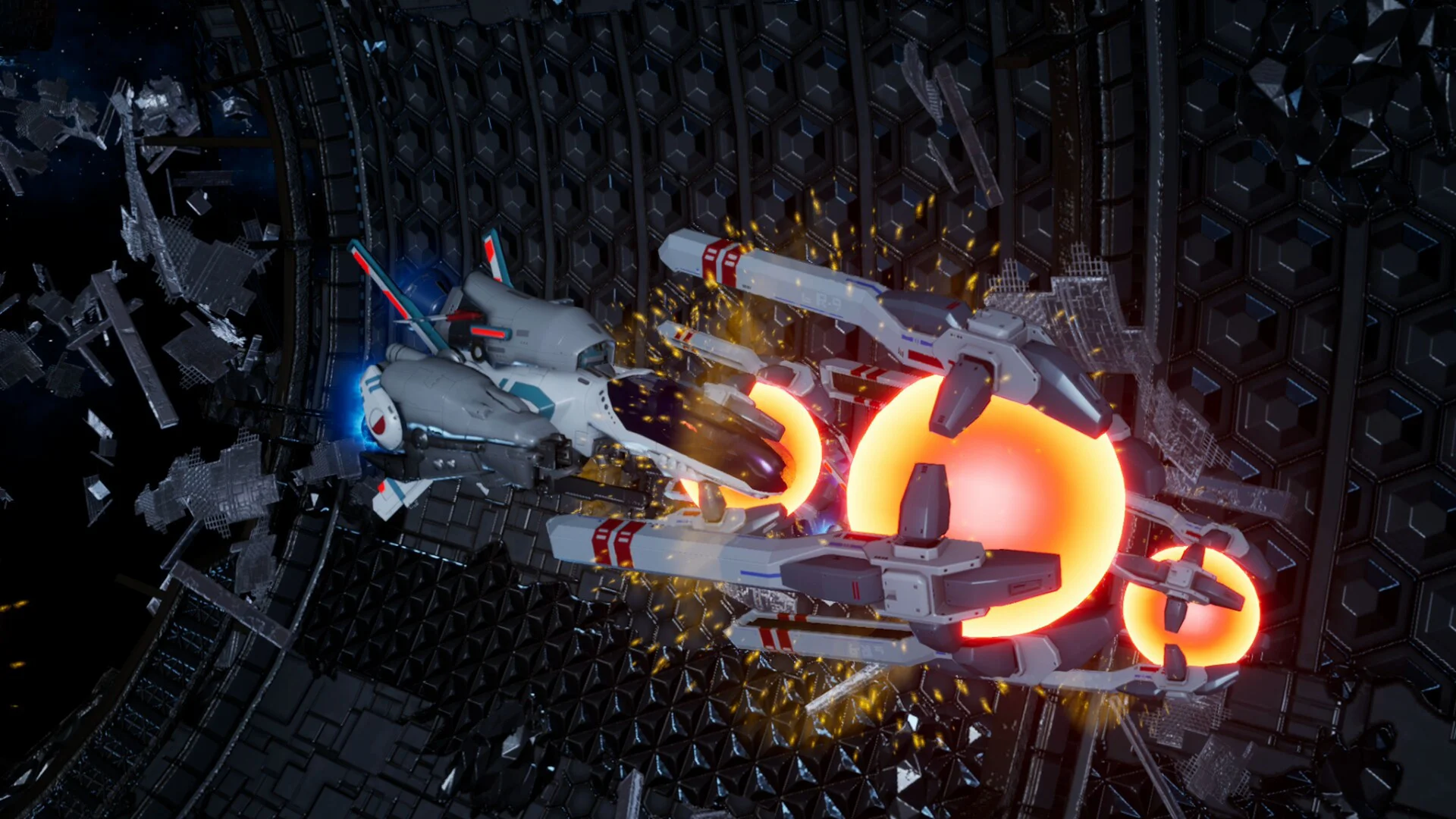
The "Force" module, the series’ hallmark, is the linchpin of the strategy. Attaching a Force module to your ship is a high-stakes decision. It requires an action point to dock or undock, meaning you must anticipate enemy movement several turns in advance. Once attached, your unit’s defensive and offensive capabilities change dramatically, allowing for configurations that can either tank massive damage or output devastating focused fire.
Resource Management and Tactical Puzzles
The game demands more than just movement; it requires a robust logistics chain. Later levels introduce mobile bases that must be deployed to resupply ammo and repair hull damage. Because units are finite and expensive, the loss of a ship is a significant setback, often requiring the player to retreat and rethink their entire formation. This creates a high-stakes puzzle where players must weigh the cost of a unit against the necessity of its firepower.
The Friction of Nostalgia: Supporting Data and Criticisms
Despite its depth, the game faces significant hurdles that may alienate modern strategy fans. The most glaring issue is the lack of a proper onboarding system. There is no interactive tutorial; instead, the game relies on dense text dumps that explain complex unit statistics and keyword-heavy combat mechanics.
- The Pacing Problem: Even with animation speed toggled to the maximum, managing a large fleet is a laborious process. The "menu-driven" nature of the combat feels like a relic of the 2007 era, where clicking through dozens of units to assign individual commands can turn a 20-minute battle into an hour-long chore.
- The Grind: Failure is part of the game’s DNA. Players will frequently lose missions, but they retain the resources gathered during the attempt. This creates a loop that necessitates grinding. While some players find this rewarding, others may find the repetition tedious, especially when the UI provides so little guidance on which tech trees or ship upgrades are actually worth the investment.
Official Stances and Development Insights
Granzella, a company composed of developers who cut their teeth on the original Irem titles, has approached this project with the mindset of preservationists rather than re-inventors. Their stated goal was to bring the R-Type strategy experience to a new generation without stripping away the "punishing, old-school" difficulty that made the original games a badge of honor for players.
While the developer has added modern tooltips and upgraded the user interface, they have intentionally left the core "trial-by-fire" loop intact. The studio recognizes that the game’s difficulty is its primary identity. By providing branching narrative paths in the sequel—where players can choose to side with different factions or even fight from the perspective of the Bydo—Granzella aims to offer a "labour of love" that rewards patience and deep tactical analysis.
Implications for the Strategy Genre
The release of R-Type Tactics I & II Cosmos is a fascinating case study in the "remaster vs. remake" debate. By choosing to preserve the dated, menu-heavy, and slow-paced structure of the original, Granzella has created a title that is essentially a love letter to a specific type of player: the one who misses the unforgiving, complex, and sometimes clunky design of the early 2000s.
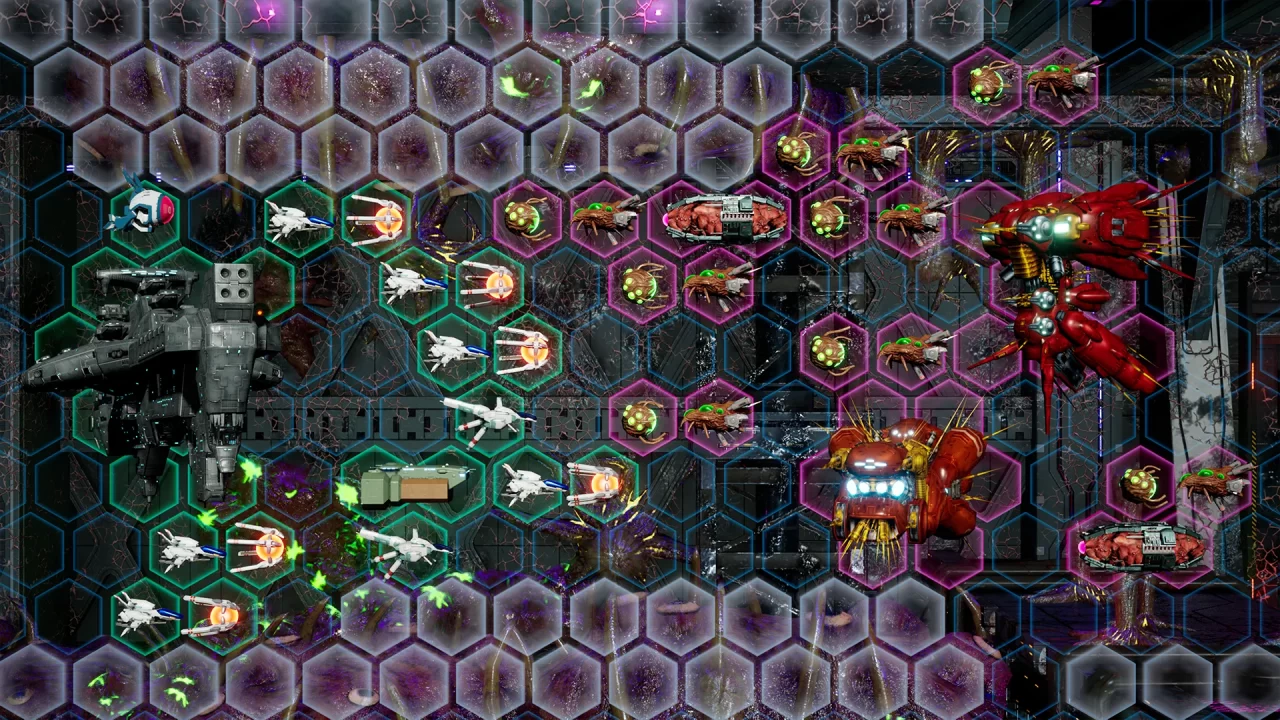
For the broader strategy gaming community, the title acts as a reminder that "tactics" can take many forms. The game’s ability to force the player into a specific orientation and its reliance on resource-draining logistics provides a distinct, high-pressure experience that sets it apart from more fluid titles like Fire Emblem or Final Fantasy Tactics.
However, the lack of modern accessibility features serves as a warning for future developers: even the most beloved strategic systems can be buried under a lack of onboarding. The game remains a compelling experience for those willing to look past its flaws, but it is undoubtedly a niche product that demands a significant time investment.
Final Verdict
R-Type Tactics I & II Cosmos is a beautiful, daunting, and unapologetically difficult collection. It captures the aesthetic and mechanical spirit of the R-Type franchise with remarkable accuracy. While it suffers from a lack of modern quality-of-life features and a reliance on archaic menu navigation, it offers a level of strategic depth that is rare in the current gaming landscape.
If you are a fan of the original series or a strategy enthusiast who enjoys the process of failing, learning, and eventually mastering a complex set of rules, this collection will provide dozens of hours of entertainment. For those looking for a modern, streamlined strategy experience, the game’s clunkiness may prove to be a barrier too high to jump. Ultimately, the fate of your fleet rests on your willingness to endure the grind—and in the deep reaches of space, that is the only way to survive.