Layla Zulfa
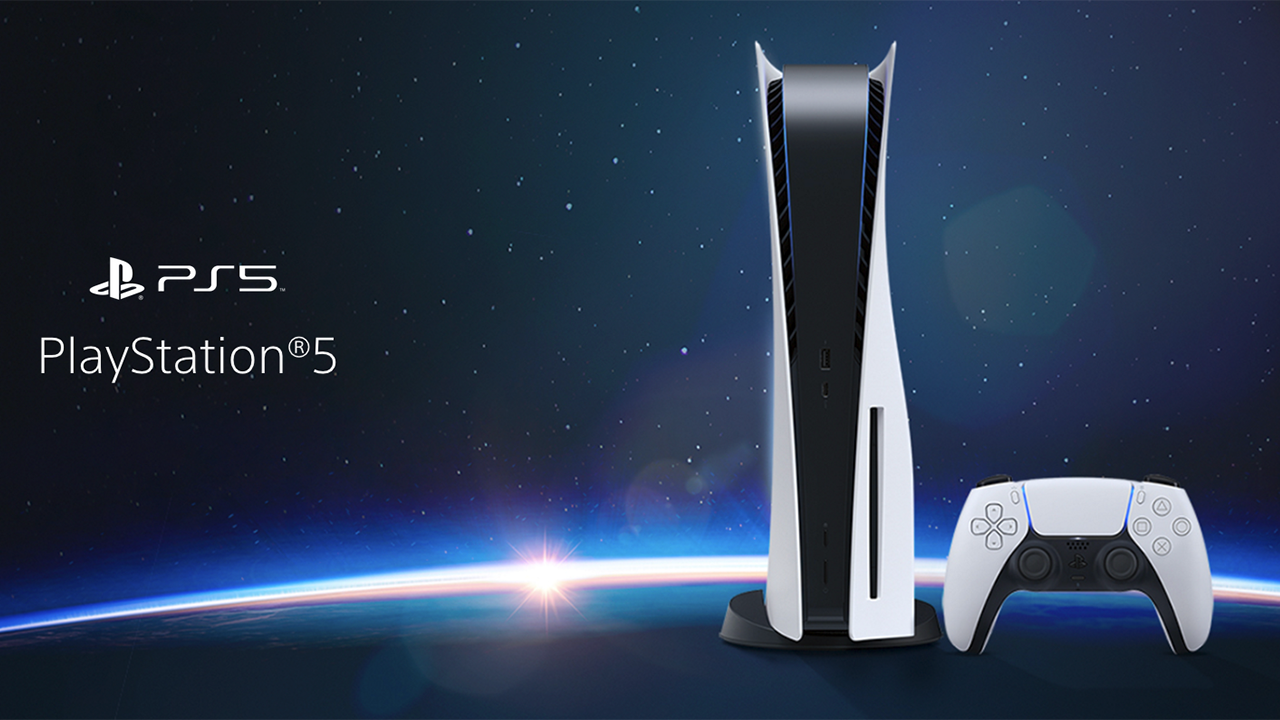
The landscape of video game preservation and hardware emulation has shifted significantly this week. Developers behind SharpEmu, an experimental, open-source PlayStation 5 emulator, have officially announced a groundbreaking milestone: the successful execution of PS5 software at a stable 60 frames per second (FPS).
This development, confirmed via social media on September 25, represents one of the most rapid advancements in the history of console emulation. While the PS5 has been on the market for several years, its complex architecture—a custom AMD Zen 2 CPU and a bespoke RDNA 2 GPU—has historically proven to be a formidable challenge for software engineers attempting to recreate the hardware environment on PC.
The Breakthrough: SharpEmu v0.0.4-release.2
The achievement was realized with the launch of SharpEmu v0.0.4-release.2. According to the development team, this specific build introduces critical architectural improvements, most notably enhanced SPIR-V shader translation and more robust support for the Vulkan API. These updates allow the emulator to better bridge the gap between the PS5’s proprietary software instructions and the hardware found in modern gaming PCs.
The current statistics provided by the developers indicate that out of 55 titles tested under this new build, 12 have reached a state of "gameplay," with six of those titles achieving a consistent, fluid 60 FPS. The titles confirmed to be running at this benchmark include:
- Dreaming Sarah
- Void Terrarium
- New Joe & Mac: Caveman Ninja
- Tetris Forever
- Hoa
- Tomb Raider IV-VI Remastered
While these titles are considered "playable," the developers have exercised caution in their terminology. In the context of emulation, "playable" typically implies that the game can be progressed through without critical crashes or soft-locks. However, the team noted that minor graphical artifacts or intermittent audio desynchronization may still occur. Furthermore, none of these games have yet been cleared from start to finish, meaning that while they run well in the opening segments, late-game stability remains an unproven variable.
A Chronology of PS5 Emulation Progress
The journey toward functional PS5 emulation has been relatively short but incredibly intense. Following the release of the PS5 in 2020, the prospect of emulating its architecture seemed decades away, largely due to the massive leaps in hardware complexity compared to the PS3 and PS4 eras.
- 2021–2023: The Research Phase: Early efforts were largely relegated to reverse-engineering the console’s operating system and understanding the custom I/O throughput that makes the PS5’s SSD technology so unique.
- Early 2024: The First Boots: The emulation community saw its first "boot" successes, where simple code would display on a screen. These were rudimentary, showing only command-line interfaces or static images rather than functional 3D rendering.
- Mid-2024: The Acceleration: As the community began to coalesce around open-source projects, development speed surged. Increased interest in preserving titles in the wake of Sony’s shifting policies toward physical media and digital-only storefronts provided a powerful incentive for hobbyists.
- September 2024: The 60 FPS Milestone: The release of SharpEmu v0.0.4-release.2 marks the transition from "proof of concept" to "functional software." The ability to hit 60 FPS is a major technical hurdle, as it requires highly efficient CPU-to-GPU instruction translation that minimizes input lag and stutter.
Technical Foundations: The Role of Vulkan and SPIR-V
The success of SharpEmu hinges on its ability to handle the PS5’s graphical API. The PS5 utilizes a proprietary graphics stack that interacts closely with its custom hardware. To emulate this on a Windows or Linux PC, SharpEmu relies heavily on the Vulkan API.
Vulkan is a low-overhead, cross-platform 3D graphics and computing API that provides high-performance access to modern graphics cards. By utilizing Vulkan, SharpEmu developers can translate PS5 commands into instructions that a modern NVIDIA or AMD graphics card can understand with minimal performance loss.
The integration of improved SPIR-V (Standard Portable Intermediate Representation) shader translation is equally vital. Shaders are the small programs that dictate how light, shadow, and texture are rendered in a game. In the past, shader compilation was a major bottleneck in emulation, often causing "stuttering" as the PC tried to translate console-specific shaders on the fly. The new build optimizes this pipeline, ensuring that graphical assets are ready to be rendered as soon as they are called, which is a key contributor to the achievement of 60 FPS.
Implications for the Gaming Industry
The rapid progression of PS5 emulation has significant implications for both the gaming industry and the broader conversation regarding digital preservation.
1. The Preservation Mandate
As publishers continue to shift away from physical media, the risk of "digital rot"—where games become unplayable once servers are shut down or storefronts are closed—becomes a major concern for archivists. Projects like SharpEmu ensure that even if the original hardware fails, the software can continue to exist. This has sparked a debate about the ethics of emulation, with proponents arguing it is a necessary tool for cultural heritage, while some publishers maintain concerns regarding intellectual property rights.
2. The PC Gaming Ecosystem
For the PC gaming community, successful emulation allows for the "unlocking" of console-exclusive titles. Historically, emulation has allowed players to run games at higher resolutions, with better anti-aliasing, and at frame rates far exceeding the original console targets. If SharpEmu continues to scale, it could eventually allow PS5 games to be played on hardware that significantly outperforms the original console, potentially enabling 4K/120Hz experiences for games that were locked to 30 or 60 FPS on the base PS5.
3. Sony’s Stance
To date, Sony has maintained a firm stance on its intellectual property, frequently taking legal action against projects that circumvent its security measures. While SharpEmu currently remains in the "experimental" and "open-source" category, the increase in its functionality will likely place it under higher levels of scrutiny. Sony’s focus on its own PC ports (via the PlayStation PC label) suggests that they recognize the demand for their titles on the platform, though they prefer to control that experience via official releases rather than emulation.
Future Outlook: What Comes Next?
While achieving 60 FPS in six titles is a monumental win for the SharpEmu team, the road ahead remains steep. The next challenges include:
- Shader Cache Stability: Eliminating the remaining graphical glitches will require a more comprehensive database of shader translations for a wider variety of game engines.
- Audio Integration: The developers acknowledged that audio issues persist. Syncing audio with the emulation clock is notoriously difficult, as even a microsecond of drift can result in distorted sound.
- Scaling to AAA Titles: The current playable list consists primarily of smaller, less graphically intensive titles. Emulating heavy-hitting, open-world titles (such as Horizon Forbidden West or Marvel’s Spider-Man 2) will require orders of magnitude more compute power and a much deeper understanding of the PS5’s I/O and memory management systems.
For now, the community is watching closely. The success of SharpEmu has proven that the "impossible" task of PS5 emulation is not only possible but happening faster than most industry analysts predicted. As the project enters its next phase of development, the primary goal will be stability and compatibility, moving from a niche tool for enthusiasts toward a more robust platform that could one day serve as the definitive way to preserve the current generation of gaming history.
Etiido Uko is a news contributor for Tom’s Hardware, specializing in the intersection of high-performance computing, hardware architecture, and the digital gaming landscape. With over nine years of experience in technical documentation, he tracks the evolving capabilities of modern software and its impact on the hardware market.

 Siti Muinah
 Raul Delapena Setiawan