In an industry dominated by monolithic corporations and predictable marketing cycles, the tech brand "Nothing" has managed to achieve something increasingly rare: genuine cultural relevance. While most consumer electronics companies rely on iterative hardware updates and sterile, focus-grouped advertising campaigns to move units, Nothing has carved out a niche that feels less like a corporate entity and more like a lifestyle movement.
The brand’s ability to transcend the traditional "tech company" archetype has been cemented by a series of strategic maneuvers that blur the lines between hardware engineering and avant-garde art. From its transparent product aesthetics to its high-profile partnerships, Nothing has mastered the art of being "cool"—a nebulous, often misused term that, in this instance, feels earned rather than manufactured.
The Genesis of a Disruptor
Nothing was founded with the stated mission of removing barriers between people and technology. Led by Carl Pei, who previously co-founded OnePlus, the company arrived at a moment when the smartphone market felt stagnant. While giants like Apple and Samsung were locked in a perpetual "more-of-the-same" cycle, Nothing introduced the Phone (1) and the Ear (1), products characterized by their iconic transparent chassis and light-based user interfaces.
But it wasn’t just the hardware. It was the brand’s visual identity—an aesthetic rooted in minimalism, brutalism, and a rebellious spirit that appealed directly to Gen Z and millennial demographics who are notoriously allergic to "corporate" messaging.
The Charli XCX Factor: A Cultural Catalyst
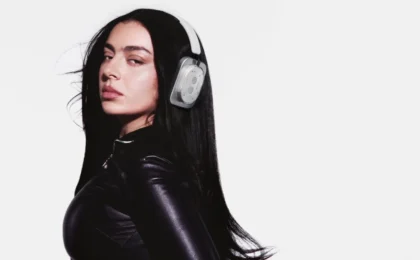
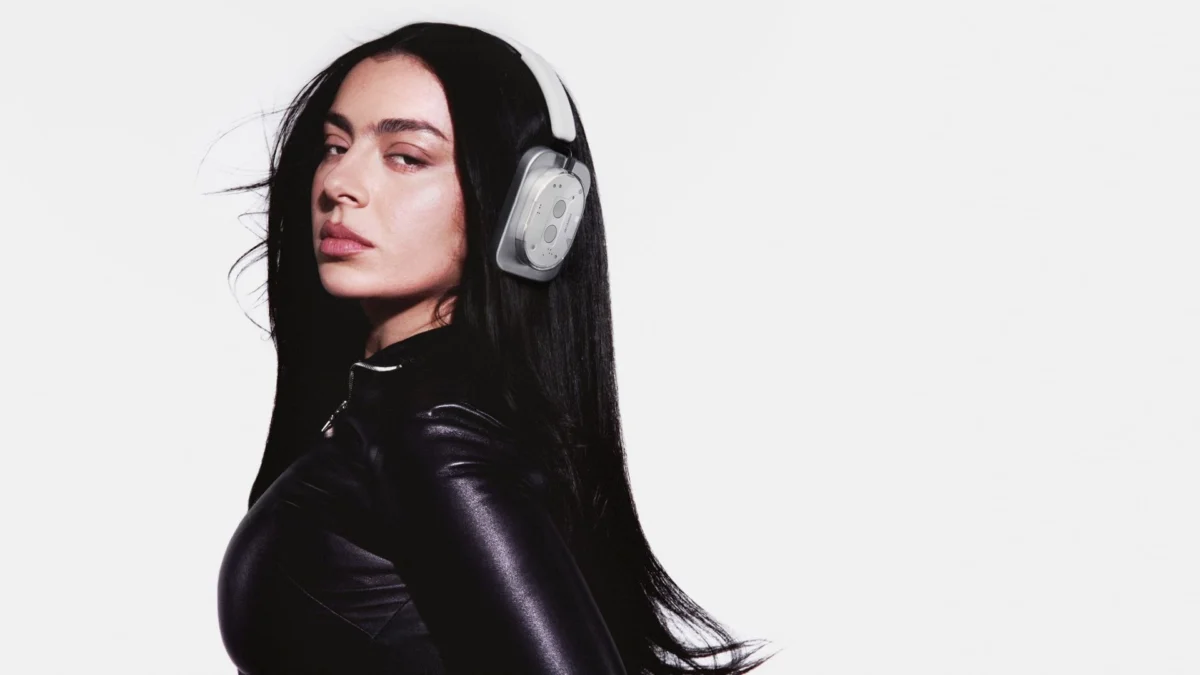
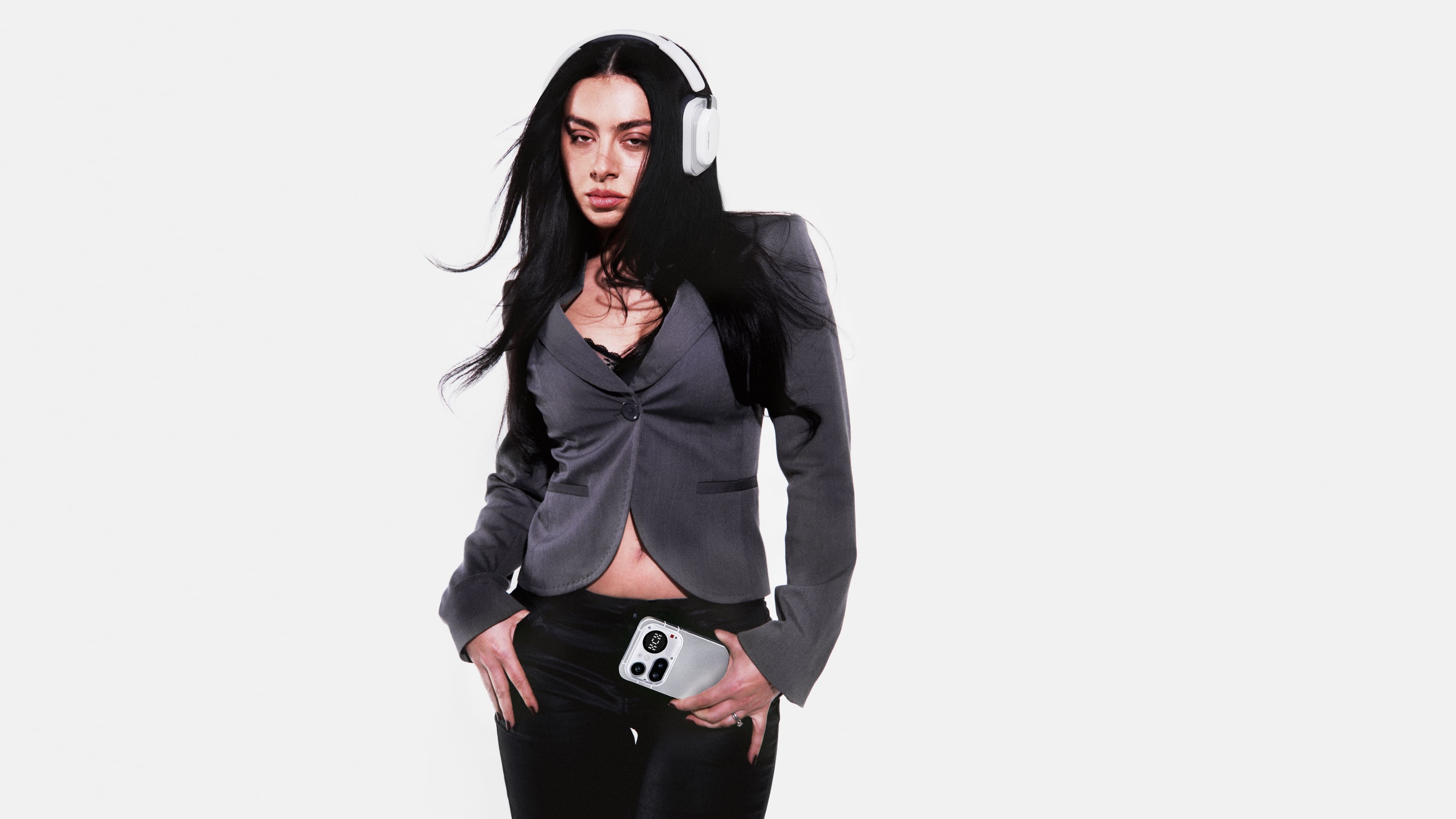
The most striking evidence of Nothing’s cultural pulse-taking is its recent collaboration with British pop icon Charli XCX. By appointing the "BRAT" mastermind as its first-ever Global Brand Ambassador, Nothing did more than just sign a celebrity; it effectively co-signed the current zeitgeist.
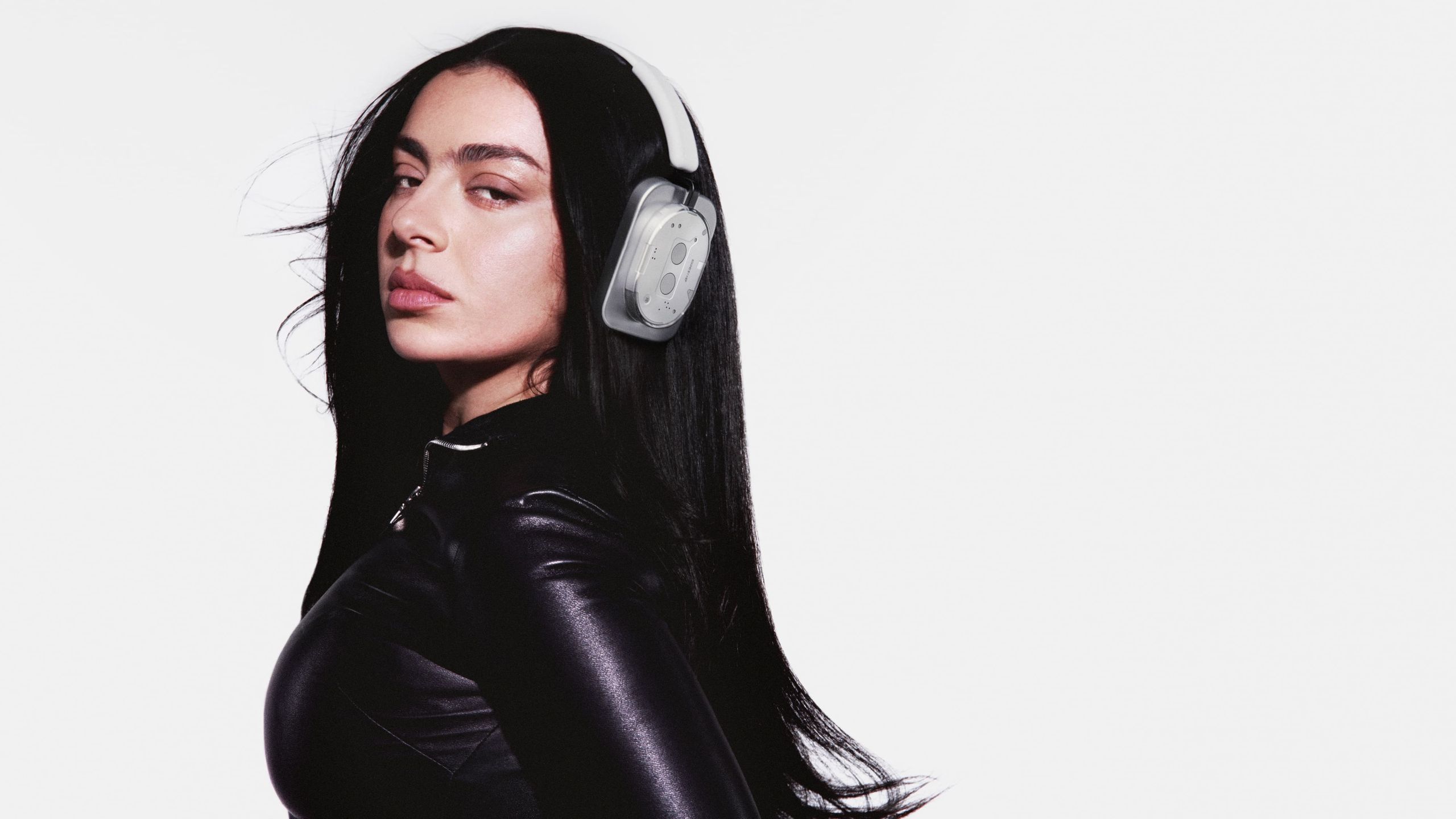
For the average consumer, celebrity endorsements in tech are often transactional and fleeting. However, the synergy between Nothing’s stark, industrial design and Charli XCX’s hyper-pop, chaotic-yet-curated persona created a friction that felt electric. This wasn’t a standard "tech spec" commercial; it was a high-fashion, high-concept brand statement that moved the conversation away from processors and refresh rates toward identity and aesthetic.
By leveraging the "BRAT" summer aesthetic—a movement that prioritizes raw, unfiltered self-expression—Nothing signaled that it wasn’t just selling a device; it was selling a component of one’s personal brand.
Chronology of the "Cool" Campaign
To understand the brand’s trajectory, one must look at the timeline of its cultural integration:
- 2021 (The Launch): Nothing debuts with the Ear (1). The marketing focuses heavily on the design process, emphasizing transparency and the "nothing to hide" philosophy.
- 2022 (The Phone Era): The Nothing Phone (1) arrives with the "Glyph Interface," a lighting system that becomes the brand’s signature visual shorthand.
- 2023 (The Community Pivot): The introduction of the "Club Nothing" initiative, signaling a move toward supporting the creative arts and nightlife communities rather than just consumers.
- 2024 (The Pop Culture Integration): The partnership with Charli XCX is announced. This marks the transition from a "tech brand for enthusiasts" to a "lifestyle brand for cultural participants."
Supporting Data: Why Authenticity Drives Growth
While the "cool" factor is subjective, the financial and social outcomes are quantifiable. In a market where customer acquisition costs (CAC) for tech brands are skyrocketing, Nothing has achieved an organic reach that most legacy firms would envy.
Social listening data suggests that Nothing’s community-driven initiatives—such as the "Club Nothing" grant program—have fostered a level of brand loyalty rarely seen in the budget-to-mid-range smartphone segment. By allocating a $40,000 grant to grassroots music entities like Black Bass Collective, Oroko Radio, Whorechata, and Signal, the company has successfully positioned itself as a patron of the arts.

In an era where the live music scene is facing an existential crisis due to rising venue costs and shifting consumption habits, Nothing’s investment isn’t just a tax write-off; it is a strategic investment in the demographic that consumes their product. By supporting the underground, the brand creates a "halo effect." When a young, creative consumer sees their favorite underground radio station thriving because of a grant from a tech company, their perception of that tech company shifts from "corporate provider" to "community ally."
Official Responses and Strategic Vision
In various interviews, leadership at Nothing has been vocal about their disdain for traditional advertising. "We don’t want to shout at the customer," a spokesperson for the brand noted in a recent brief. "We want to be a part of the conversation."
This philosophy is reflected in the product design, which often feels like a love letter to the era of Y2K tech nostalgia—a time when devices were fun, tactile, and visually distinct. Even when the company releases a product that "makes no sense"—such as the Phone (4b)—it does so with a sense of irony and playfulness that disarms critics. They know that in a world of serious, silver-grey slabs, a device that acts as a fashion accessory is a winner.
The Implications: Is "Corporate Cool" Sustainable?
The question remains: Can a company continue to scale while maintaining this "authentic" image? The danger for any brand that relies on counter-culture energy is "selling out." As Nothing grows, the challenge will be to keep its community-first initiatives at the forefront while managing the logistical pressures of a global hardware manufacturer.
However, the implications of their current model are clear. The future of brand marketing is not in the traditional "big-budget TV spot" but in "cultural alchemy"—the ability to merge product utility with the values of the community that uses it.
Why Nothing’s Design Matters
Nothing’s design language—the "dot matrix" typography, the transparent plastic, the monochromatic palette—is designed to be iconic. A phone, in their eyes, should be as recognizable as a logo. This design-first approach simplifies the user’s relationship with the product. When you hold a Nothing device, you aren’t just holding a tool for communication; you are holding a piece of hardware that speaks a specific visual language.
Conclusion: The Path Forward
Nothing has proven that you don’t need a century of history to become a cultural force. By identifying where their target audience lives—at the intersection of high-fidelity music, underground art, and aesthetic-driven social media—they have bypassed the traditional "tech" barriers.
Whether it’s through the high-octane energy of a Charli XCX partnership or the quiet, consistent support of grassroots music collectives, Nothing is effectively building a "walled garden" that is defined by culture rather than software ecosystems. For now, the brand remains an outlier. It is a company that understands that in the 21st century, the most powerful feature a phone can have isn’t a faster processor, but a sense of belonging.
As we look toward the next iteration of the brand’s offerings, the industry will be watching closely. If Nothing can continue to balance the, at times, contradictory forces of rapid corporate expansion and grassroots, "anti-corporate" sentiment, they may very well define the next decade of consumer technology. In a crowded, noisy market, the most profound thing a brand can do is to remain, in its own way, Nothing.