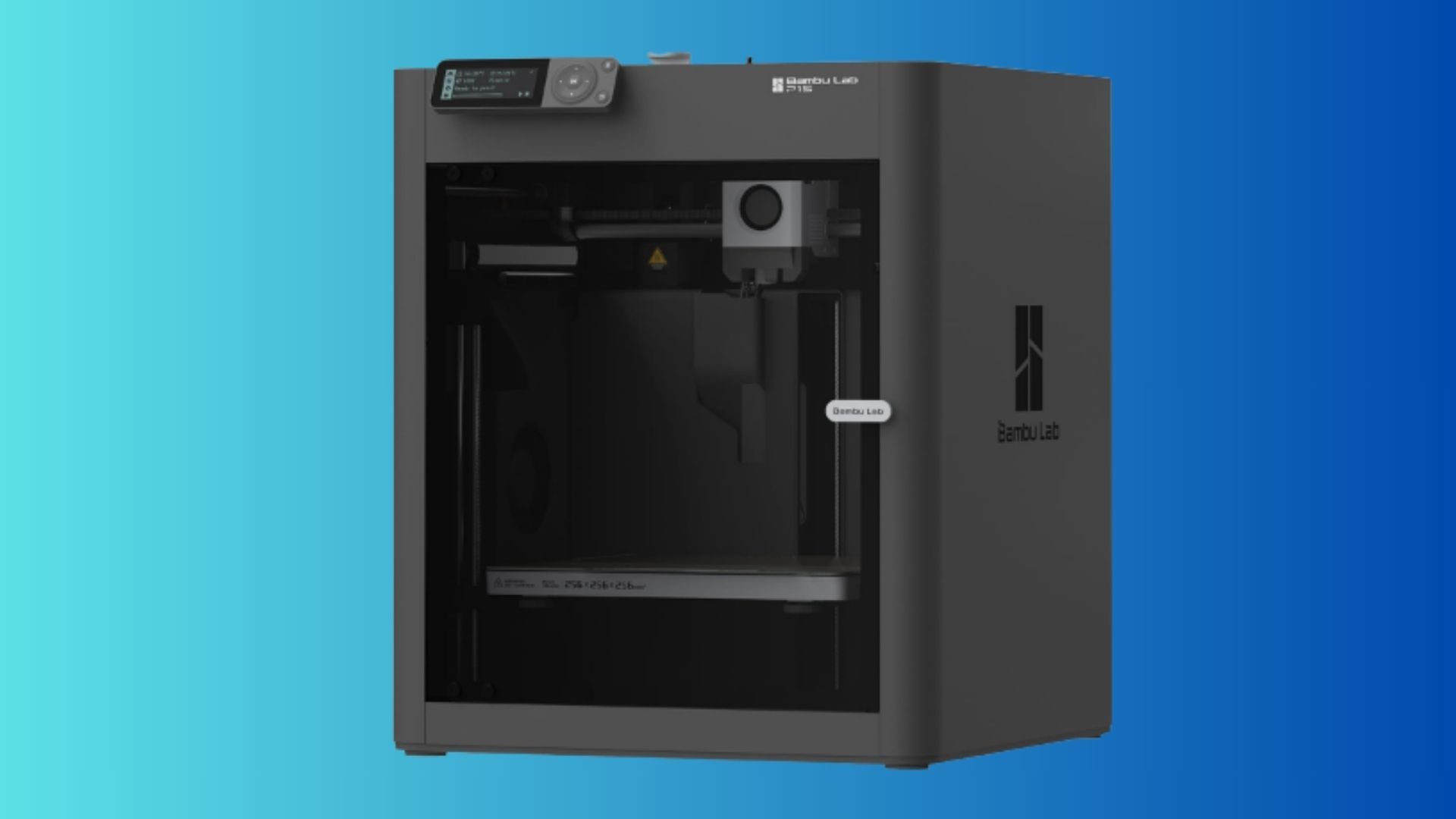
For enthusiasts who have spent months—or even years—window-shopping for a reliable entry into the world of desktop 3D printing, the barrier to entry has just been significantly lowered. The Bambu Lab P1S, a printer that has redefined industry expectations regarding speed, ease of use, and multi-color capabilities, is currently available at Best Buy for $479.99. This represents a $70 discount from its standard retail price of $549.99, marking an opportune moment for both hobbyists and professionals to invest in a machine that has earned accolades across the tech industry, including the prestigious Editor’s Choice Award.
Main Facts: The Power of the P1S Combo
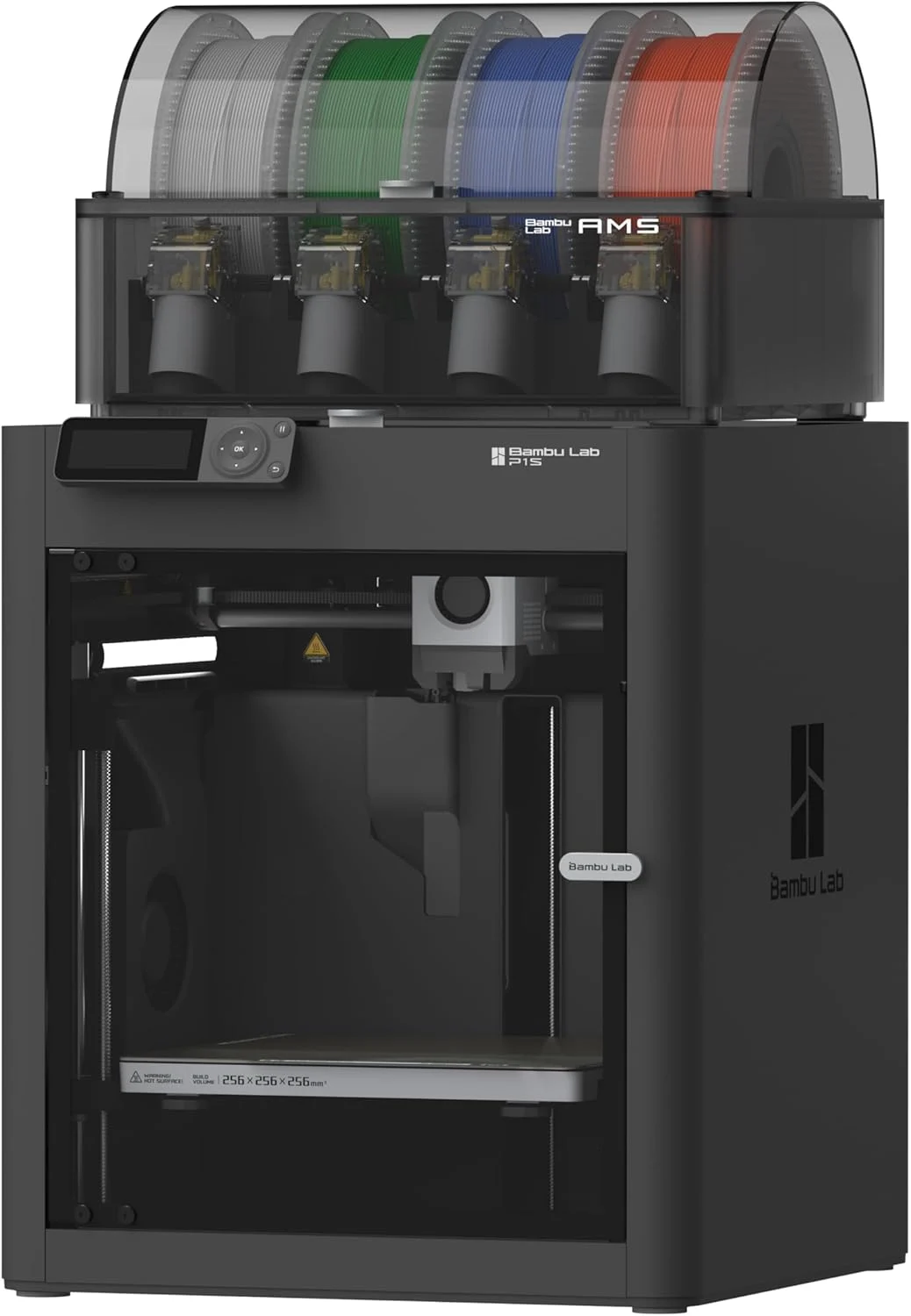
The Bambu Lab P1S is not merely a 3D printer; it is a fully enclosed, high-performance system designed to bridge the gap between "tinker-heavy" hobbyist machines and expensive, industrial-grade manufacturing units. The "Combo" designation is critical here, as it includes the company’s signature Automatic Material System (AMS).
The AMS is the heart of the P1S’s versatility. By allowing the machine to hold four spools of filament simultaneously, it enables true multi-color and multi-material printing. The printer automatically handles the swapping of filaments during the build process, purging the nozzle between layers to ensure crisp, clean color transitions. Combined with the P1S’s enclosed chassis, this unit can handle advanced engineering materials like ABS, ASA, and Polycarbonate, which require stable temperatures to prevent warping—a feat that open-frame entry-level printers often struggle to achieve.
The Evolution of Bambu Lab: A Chronology of Disruption
To understand why this discount is significant, one must look at the meteoric rise of Bambu Lab. Founded by a team of engineers who previously worked at DJI—the world leader in drone technology—Bambu Lab entered the market with a "consumer-first" philosophy that focused on speed and reliability.
- Mid-2022: Bambu Lab launched the X1-Carbon via Kickstarter. It sent shockwaves through the 3D printing community by offering print speeds three to five times faster than the industry standard at the time, combined with AI-assisted features like "first-layer inspection" and "spaghetti detection."
- 2023: Recognizing that the X1-Carbon’s price point was prohibitive for many, the company released the P1P, a stripped-down version that retained the core motion system but lacked the enclosure and the high-end camera features.
- Late 2023: The P1S arrived as the perfect middle ground. It brought back the enclosure of the X1-C but maintained the cost-effective electronics of the P1P. This solidified the P1S as the "sweet spot" for most users.
- 2024: Through consistent firmware updates and community-driven software improvements via "Bambu Studio," the P1S has matured into a machine that requires minimal calibration, effectively ending the era where 3D printing was considered a "hobby in itself" rather than a tool for creation.
Supporting Data: Why Speed and Connectivity Matter
The 3D printing industry has historically been plagued by the "print time" bottleneck. A typical model that might take 20 hours on an older-generation machine can often be completed in under 6 hours on the P1S.
Performance Metrics
- Acceleration: The printer features a 20,000 mm/s² acceleration rate, allowing for high-speed movements without compromising the structural integrity of the print.
- Material Compatibility: The inclusion of an active carbon filter and a fully enclosed design makes it safer for home use, capturing VOCs (Volatile Organic Compounds) that are released when melting plastics like ABS.
- Connectivity: The Bambu Lab ecosystem utilizes a robust cloud-based app, allowing users to monitor their prints via the integrated camera, pause jobs remotely, and receive notifications if a failure occurs. This level of oversight was, until recently, only available to those who built custom Raspberry Pi-based monitoring systems.
For those concerned about software, Bambu Studio provides a streamlined slicer experience. It offers automated support generation and optimized printing profiles that take the guesswork out of temperature, speed, and retraction settings.
Official Stances and Industry Implications
While Bambu Lab has remained relatively quiet regarding specific promotional cycles, the industry-wide trend indicates that manufacturers are shifting toward "appliance-like" 3D printing. In official documentation and marketing materials, Bambu Lab emphasizes the concept of "unboxing to printing in 15 minutes."
Industry analysts view this price drop at major retailers like Best Buy as a strategic move to capture the holiday and "back-to-school" markets, where STEM education and creative engineering are becoming focal points for parents and students alike. By positioning the P1S at sub-$500, Bambu Lab is directly challenging legacy brands that have failed to modernize their user interface or hardware efficiency.
The Implications for the Hobbyist
For the consumer, the implications of this price drop are profound. We are witnessing the "democratization" of manufacturing.
Accessibility
Historically, if you wanted to print in four colors, you would need to buy a printer and then spend hundreds of dollars on third-party hardware modifications (like a Palette 3 or a DIY multi-material setup). The P1S Combo provides this out-of-the-box, fully integrated, and tested by the manufacturer.
Reliability
The most common reason for 3D printing "abandonment" is frustration. If a printer requires constant maintenance, leveling, and troubleshooting, the user will eventually stop using it. The P1S employs automated bed leveling and vibration compensation, which significantly reduces the "failed print" rate. This reliability is perhaps the most valuable feature for a newcomer who wants to print functional parts, toys, or prototypes without needing to become a mechanical engineer first.
Community Support
Buying into the Bambu Lab ecosystem grants access to MakerWorld—the company’s proprietary model repository. Because the software is so deeply integrated with the hardware, a user can often click "Print" on a model in the app, and the printer will automatically download the correct file and begin the build. This seamless integration is currently setting the standard for the entire consumer 3D printing sector.
Conclusion: Is Now the Right Time?
If you have been waiting for the "perfect moment" to start 3D printing, the combination of the P1S’s mature firmware, the proven reliability of the AMS module, and a $70 discount makes this a rare "no-regret" purchase.
The 3D printing market is moving fast, but the P1S remains a staple. While newer, more expensive printers (like the flagship X1-E) are aimed at enterprise environments, the P1S provides 95% of the features at a fraction of the cost. Whether you are a student looking to prototype for a class, a parent looking to engage a child in STEM, or a maker looking to upgrade from an outdated, finicky machine, this deal at Best Buy is a definitive signal that high-end additive manufacturing has arrived for the mass market.
As the technology continues to iterate, the gap between a "3D printer hobbyist" and a "3D printer user" will continue to narrow. With machines like the P1S, that gap has never been smaller.