By Crystal Bell
October 11, 2026
The Javits Center, long the hallowed ground for comic book collectors and science fiction enthusiasts, has undergone a radical architectural and cultural metamorphosis. During the 2026 New York Comic Con (NYCC), the floor was no longer just a marketplace for rare issues or a staging area for celebrity autographs; it was, by design, a sprawling, multi-camera production studio.
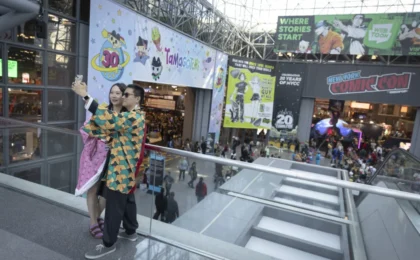
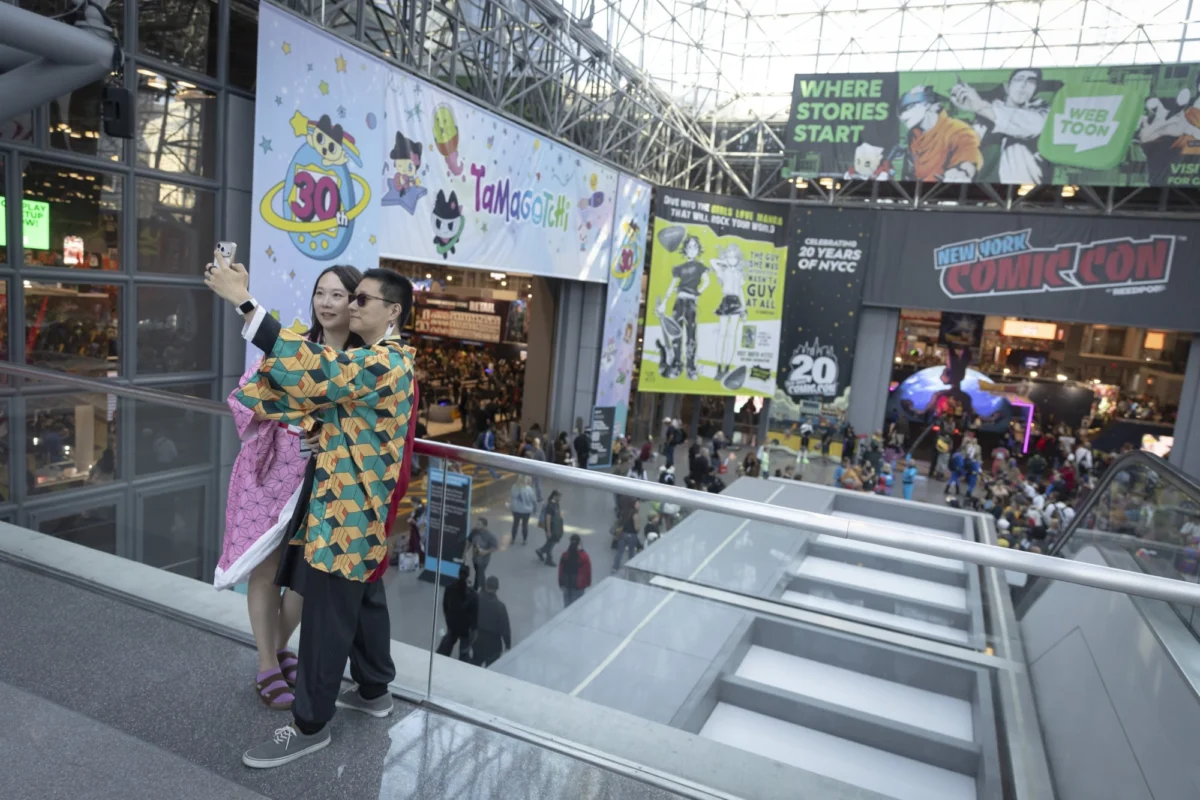
From the dedicated creator lounges in the heart of the venue to the strategically placed, "TikTok-ready" aesthetic backdrops in the Crystal Palace, the convention has fundamentally pivoted. Organizers are no longer just hosting an event; they are curating a broadcast-ready experience that caters as much to the digital audience watching from across the globe as it does to the thousands of fans walking the aisles.
The Evolution of the Convention Experience: A Chronology
To understand how NYCC became a content powerhouse, one must look at the post-pandemic recovery period of 2021. As live events returned to the public sphere, the organizers recognized that the traditional model of "attendee-only" engagement was insufficient for the modern digital ecosystem.

- 2021 – The Pivot: NYCC officially launched a formal creator-in-residence program, hiring two high-profile influencers to lead their TikTok takeover. The move was an immediate success, netting over 8 million views in just four days.
- 2023 – Infrastructure Investment: Recognizing that creators required more than just general admission, NYCC began piloting "creator badges," offering specific access to press-adjacent areas.
- 2025 – The Studio Model: The convention moved beyond simple access, redesigning physical layouts—including lighting, signage, and Wi-Fi infrastructure—specifically to optimize for high-definition video capture.
- 2026 – Integration: This year’s 20th-anniversary celebration served as the debut of a fully integrated content ecosystem, where the physical layout of the convention hall was dictated by the requirements of the social media creator economy.
Supporting Data: The Scale of the Creator Economy
The shift is not merely a aesthetic preference; it is a response to overwhelming demand and quantifiable influence. This year, NYCC received thousands of applications for their limited supply of creator badges, forcing a cutoff in August.
While NYCC remains private about the exact number of credentials issued, the criteria for acceptance—often requiring a baseline of 200,000 followers—highlights the high-level professionalization of the attendees. For these individuals, Comic Con is not a vacation; it is a primary revenue-generating event on their annual calendar.
The reach of these creators effectively acts as an extension of the convention’s marketing arm. By providing creators with dedicated Wi-Fi, high-end production spaces, and exclusive access to talent, NYCC ensures that the "brand" of the convention is being broadcast simultaneously across thousands of individual feeds, reaching millions of potential fans who may never step foot in the Javits Center.
Official Perspectives: The Strategy Behind the Shift
Fallon Prinzivalli, the Marketing Director for NYCC, views the transition as a necessary evolution of fan community management. According to Prinzivalli, the goal was to eliminate the friction between "being a fan" and "being a creator."

"We started engaging with them very intentionally following the pandemic when live events were coming back," Prinzivalli stated. "We wanted to give them dedicated Wi-Fi. We wanted it to be in the middle of the energy. We wanted it to be a space where they can film videos, or they can connect with other creators."
This strategic focus on "shareable moments" is evident in the architecture of the venue. The banners hanging in the Crystal Palace were specifically designed with lower-level visual focal points, ensuring that anyone taking a selfie or filming a video clip would have a clean, branded background. By turning the venue into a set, the convention essentially outsources its visual storytelling to the very people who are most passionate about it.
The Creator’s Perspective: A New Professional Standard
For creators like Kallen Zborovsky-Fenster, known as @king_kallen on TikTok, the convention is a high-stakes production environment. "This is one of my highest priority events," Zborovsky-Fenster explained. His preparation begins weeks in advance, involving the curation of interview topics and the refinement of portable, professional-grade recording rigs.
The creator lounge acts as a vital hub for this work. It provides a sanctuary for technical needs—charging equipment, high-speed editing, and uploading content in real-time—which is critical for creators like Brandon Bullock (Anime News Guy). For Bullock, who covers industry announcements as they happen, the proximity to the show floor is essential for maintaining the immediacy required by the current social media algorithm.

However, the professionalization of the space has introduced a complex layer of identity for these attendees. Caroline Martini (@newyorkcaroline) notes that while the lounge is a boon for efficiency, the "fan" experience remains the priority. "Not all my friends have creator badges," she noted. "I want to experience Comic Con with them, too."
This duality—where the creator is simultaneously a reporter, a celebrity to their followers, and a fan of the intellectual property—is the hallmark of the new convention culture. As Dominique Little (@nojill), who boasts 1.8 million followers, pointed out, the lounge facilitates collaborations that would otherwise be impossible in the dense, chaotic crowds of the show floor.
Broader Implications: The Future of Media and Fandom
The transformation of NYCC into a content studio has significant implications for both the entertainment industry and the future of fan conventions.
1. The Blurring of Editorial Lines
As creators become the primary source of entertainment news, the traditional distinction between "press" and "influencer" continues to dissolve. Creators are now hosting official livestreams, interviewing cast members, and participating in high-level press junkets. This shift forces legacy media outlets to compete with individual creators who have more authentic, direct lines to specific fan demographics.

2. Circular Community Building
Prinzivalli describes the current state of fandom as a "circular" ecosystem. Digital communities form online, they meet in person at conventions to celebrate their shared passion, and then they produce content that drives those same digital communities to grow further. This loop ensures that the energy of the event is never contained; it is perpetually exported and reinforced online.
3. The Commercialization of Spontaneity
By designing the venue for content creation, NYCC is effectively "pre-packaging" spontaneity. While this ensures that the convention looks vibrant and exciting on social media, it also raises questions about how much of the "organic" nature of fan interactions is now influenced by the architecture of the space itself. Every photo-op, every branded banner, and every creator-specific amenity is a calculated effort to ensure that the content produced is both professional and on-brand.
Conclusion: A New Era for Pop Culture
The 2026 iteration of New York Comic Con marks the end of an era where conventions were passive gathering spaces. We have entered the age of the "Production-Centric Convention," where the fan is not just a consumer of the experience, but the primary content creator.
As Kallen Zborovsky-Fenster noted, the creator economy is no longer a fringe movement; it is a central pillar of the modern entertainment industry. Big entities are taking it seriously because the public is taking it seriously. In this new landscape, the convention floor is no longer just a place to buy a comic; it is a place to write the next chapter of the internet’s pop culture narrative. Whether one is a cosplayer, a journalist, or a TikTok creator, the message is clear: at NYCC, if it isn’t captured and shared, it didn’t really happen.