In the high-stakes environment of the International Space Station, NASA astronauts don’t wait for a supply ship to arrive when a critical tool breaks. Instead, they rely on additive manufacturing—3D printing—to fabricate replacement parts on demand. This shift from supply-chain dependence to on-site creation is not merely a feat of space-age engineering; it is a burgeoning reality for millions of enthusiasts back on Earth. As the barrier to entry for 3D printing continues to crumble, a fundamental economic question has emerged: Can owning a 3D printer actually save you money, or is it just another expensive rabbit hole for gearheads?
The Economics of Additive Manufacturing: Main Facts
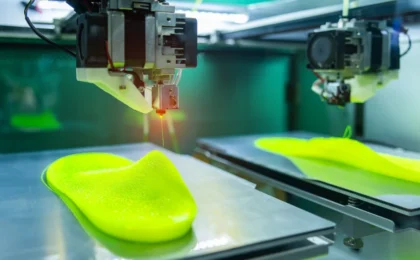
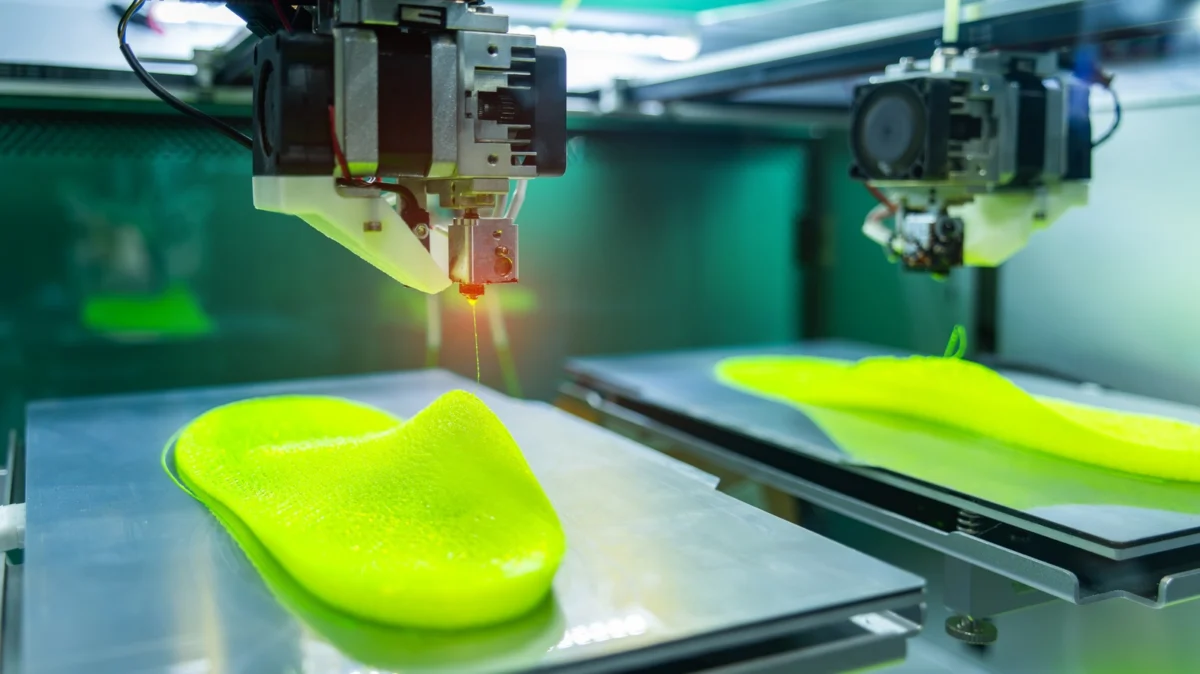
At its core, 3D printing (additive manufacturing) is the process of building three-dimensional objects layer by layer using digital files, known as CAD (computer-aided design) models. For the home consumer, the technology has reached a point of unprecedented accessibility. Entry-level machines, such as the Creality Ender series, now retail for as little as $170, while more sophisticated, high-speed machines remain well under the $800 mark.
The primary variable in the cost-saving equation is the filament. Standard polylactic acid (PLA) filament typically costs around $20 per kilogram. A single kilogram can produce dozens, sometimes hundreds, of small components. When you factor in electricity costs and the initial hardware investment, the math is compelling: if a proprietary replacement part costs $20 from a manufacturer, printing that same part for $0.50 in material costs represents a massive long-term saving.
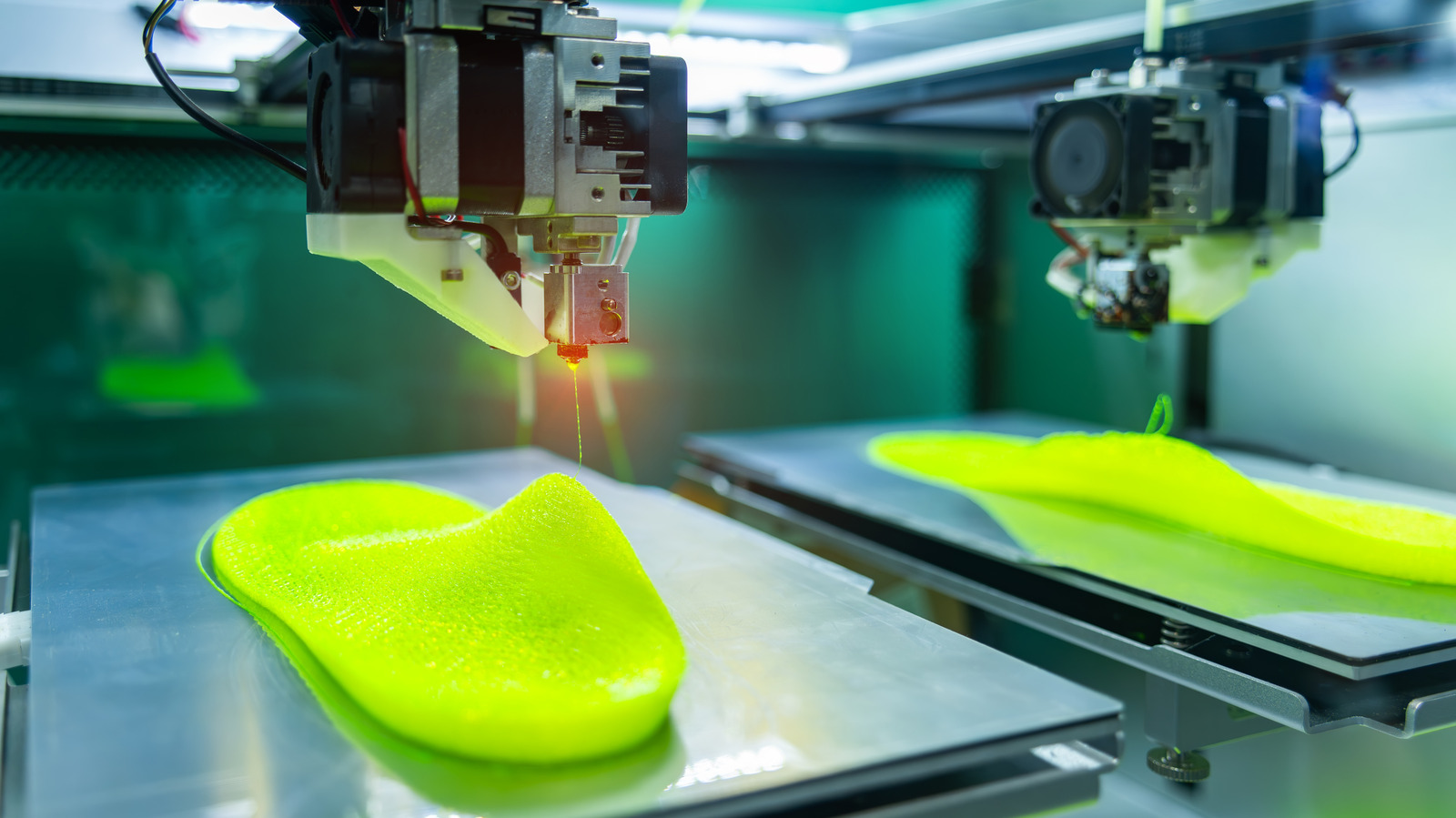
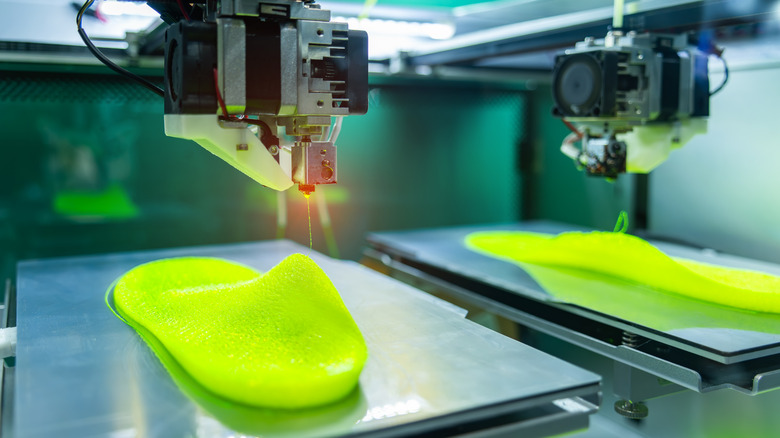
However, prospective owners must navigate the distinction between FDM (Fused Deposition Modeling) and resin-based printing (SLA/DLP). FDM printers, which melt plastic filament through a nozzle, are the workhorses for functional parts. Resin printers, which use light to cure liquid resin, are superior for intricate, high-detail work. Choosing the right tool for the specific hobby is the difference between a smart investment and a shelf-gathering dust collector.
A Chronology of the "Maker" Revolution
The journey of 3D printing from industrial curiosity to household staple has been marked by several key phases:
- The Prototyping Era (1980s–2000s): Stereolithography was invented by Chuck Hull in 1983. For decades, 3D printing was reserved for Fortune 500 companies needing rapid prototypes, with machines costing tens of thousands of dollars.
- The RepRap Movement (2005–2012): The birth of the "self-replicating" printer project allowed hobbyists to build their own machines. This democratized the technology, moving it out of the lab and into the garage.
- The Desktop Boom (2015–2020): Companies like Creality, Prusa, and Bambu Lab streamlined the user experience. Auto-leveling beds and better software reduced the technical barrier, making "plug-and-play" a viable reality.
- The Integration Phase (2021–Present): Today, we are seeing the maturation of the market. Hobbyists are no longer just printing trinkets; they are integrating 3D printing into their existing workflows for drones, gardening, home automation, and professional photography.
5 Hobby Domains Where 3D Printing Reaps Financial Rewards
1. The Drone and RC Vehicle Ecosystem
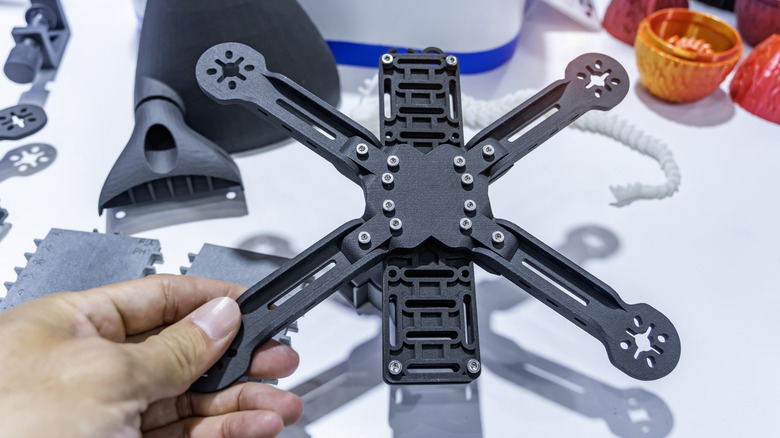
Remote-controlled (RC) enthusiasts represent one of the most proactive demographics in the 3D printing space. Crashing is an inherent part of the hobby, and the cost of replacement chassis, propeller guards, and camera mounts can mount into the hundreds of dollars annually. By downloading open-source files, pilots can print robust, impact-resistant parts for pennies. While flight-critical components like propellers should generally be purchased for safety and aerodynamic efficiency, the sheer volume of "accessory" parts—antenna mounts, GPS housings, and battery straps—makes a 3D printer an essential piece of support equipment.
2. The Practicality of Gardening and Automotive Repair
For the "gearhead" or the avid gardener, the 3D printer acts as a localized factory. In the automotive world, plastic interior trim clips, broken knobs, and custom tool organizers are notoriously overpriced or discontinued by manufacturers. Printing these custom parts restores functionality to vehicles that would otherwise require expensive, refurbished assemblies. Similarly, gardeners benefit from bespoke irrigation connectors, soil dibbers, and customized planter systems that fit specific spatial constraints, reducing the need to buy mass-produced items that don’t quite fit the task.
3. Smart Home Automation at Scale
The "smart home" trend is often plagued by proprietary ecosystems and expensive mounting hardware. 3D printing allows users to bridge the gap between devices. Whether it is printing a sleek wall mount for a tablet used as a smart home hub or creating custom housings for NFC triggers that automate lighting, the technology enables a level of customization that commercial products simply cannot match. For those looking to replicate high-end home control interfaces—such as custom-built screens running Home Assistant—the savings compared to branded commercial tablets (which can cost $300+) are profound.
4. Photography and Videography Workflow
Professional cameras are expensive, but the accessories—lens caps, cable clamps, battery plates, and cold-shoe mounts—are often sold at exorbitant markups. A 3D printer allows a videographer to print a custom, reinforced cable clamp to protect expensive HDMI ports, or a specific V-lock battery plate for a lighting rig. The ability to prototype a "single-use" tool for a specific shot or camera rig is a game-changer for creators who need custom solutions that aren’t sold in stores.
5. Tabletop Gaming and Model Railroading
Perhaps the most visually stunning application of this technology lies in the realm of Dungeons & Dragons and scale modeling. Traditionally, building a realistic terrain or a full fleet of uniformed troops required massive financial outlays for injection-molded kits. With a resin printer, hobbyists can populate an entire gaming board with highly detailed miniatures and buildings for a fraction of the cost. The rise of digital marketplaces like MyMiniFactory has created a library of content that allows users to scale their gaming ambitions without the traditional "retail tax."
Supporting Data: Is it Worth the Investment?
To determine if a 3D printer is a net positive for your wallet, consider the "Break-Even Analysis."
- Initial Investment: $170–$700
- Annual Material Cost: $50–$150 (approx. 5-8 kg of filament)
- Maintenance/Electricity: $30–$50 per year
If you are a casual user who prints three things a year, the printer is a luxury, not a cost-saver. However, if you are an active hobbyist—such as an RC pilot who breaks parts monthly or a gamer who buys dozens of miniatures—you will likely recoup your hardware investment within 12 to 18 months.

Official Industry Perspectives and Implications
Industry experts note that while the technology is powerful, it is not a "magic button." Most manufacturers and maker-space leaders emphasize that the "hidden cost" of 3D printing is time. Successful adoption requires learning CAD software like Fusion 360 or Tinkercad.
Furthermore, there are safety and environmental implications. Printing requires adequate ventilation, as FDM printers can emit ultrafine particles and volatile organic compounds (VOCs) during the heating process. Industry leaders advise that owners should never operate these machines in small, unventilated spaces like a bedroom.
The broader implication of this trend is a shift toward a "distributed manufacturing" model. As more households adopt these machines, the reliance on shipping small plastic components across the globe will decrease. This not only saves the consumer money but also reduces the carbon footprint associated with the shipping and packaging of small, mass-produced plastic goods.

Conclusion: The Path Forward
The decision to buy a 3D printer should not be made on a whim. If you are considering the leap, the most professional advice is to start by utilizing a local library’s maker space or a university’s printing service. These hubs allow you to test the technology’s utility in your specific hobby without the upfront cost of hardware.
3D printing is undoubtedly a transformative tool. When applied to the right hobbies, it evolves from a novelty into a vital utility, turning the "expensive" nature of our pastimes into a more sustainable, creative, and cost-effective endeavor. The era of waiting for parts to arrive is ending; the era of printing them yourself has already begun.