The landscape of modern superhero media is dominated by the colossal, interconnected narrative of the Marvel Cinematic Universe (MCU). However, for the true origin of this mythology, one must look back nearly a century, long before the 1961 release of Fantastic Four #1, which is often credited as the dawn of the "Marvel Age of Comics." The genesis of the Marvel Universe actually traces back to 1939, a time when the publisher operated under the name Timely Comics. It was in this formative era that the company established the archetypes that would eventually underpin one of the most successful media franchises in human history.
The Foundation: 1939 and the Birth of Timely Comics
In 1939, Timely Comics released Marvel Comics #1, a historic anthology that served as the initial blueprint for a shared universe. The book featured a diverse array of genres, reflecting the pulp-fiction sensibilities of the era. The anthology included six distinct comics stories: "The Angel" by Paul Gustavson, "The Sub-Mariner" by Bill Everett, "The Masked Rider" by Al Anders, "Jungle Terror" by Tohm Dixon, and "Adventures of Ka-Zar the Great" by Bob Byrd, alongside a prose story titled "Burning Rubber" by Raymond Gill.
The genre variety was significant. While superheroes were the flagship attraction, Timely was testing the waters with Westerns, jungle-adventure pulp, and racing stories. However, the standout success—and the character who would secure a permanent place in the Marvel pantheon—was "The Human Torch," written and drawn by Carl Burgos.

The Human Torch: An Android Origin
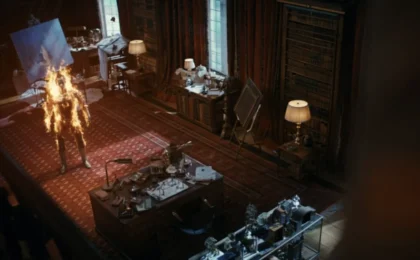
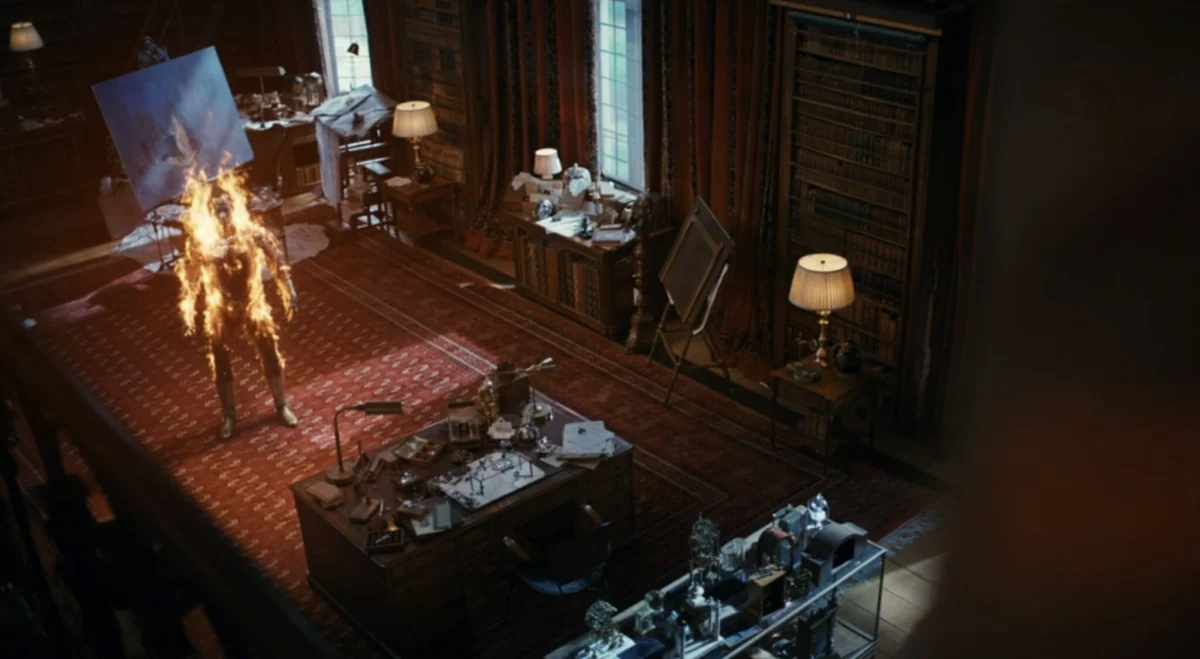
Carl Burgos’s Human Torch was an artificial man, a synthetic being engineered by the scientist Phineas Horton. The android possessed a dramatic design flaw: when exposed to oxygen, he would spontaneously ignite. Unlike the modern Johnny Storm of the Fantastic Four, this original Torch was an android capable of controlling his flames, a power he used to combat crime. Throughout the 1940s, he became a central figure in the publisher’s continuity, eventually fighting alongside the Invaders—a team that included the Sub-Mariner and the legendary Captain America.
Chronology: From Golden Age to VisionQuest
The journey of the original Human Torch is one of the most fascinating threads in Marvel’s long-running history. While the 1961 Fantastic Four reboot introduced a human version of the character, the original android remained a fixture of the Marvel mythos.
- 1939: First appearance in Marvel Comics #1.
- 1940s: The Torch serves as a cornerstone of Timely’s superhero lineup during World War II.
- Post-War Era: The character undergoes various revivals and re-imaginings, eventually being established as the foundational template for the Vision, the synthezoid Avenger.
- 2011: The MCU offers a subtle, meta-textual nod to the 1939 character in Captain America: The First Avenger, where a synthetic man is displayed at the Stark Expo.
- 2026: VisionQuest fully integrates the lore of Phineas Horton and his synthetic creation into the contemporary MCU narrative.
Supporting Data: The Convergence of AI and Human Emotion
The recent VisionQuest episode, titled "Immolation," serves as a thematic bridge between 1939 and the modern era. The episode explores the tragic origins of the android J.I.M., named after Phineas Horton’s deceased son.

The Synthesis of Identity
In a brilliant narrative move, showrunner Terry Matalas and writer Matt Okumura chose to cast Paul Bettany as both the original Phineas Horton and the consciousness of J.I.M. within the Vision’s own program. This creates a multi-layered acting exercise. During one pivotal sequence, Bettany engages in a three-way conversation as the Vision, J.I.M., and Horton. This scene mirrors the depth of character study found in Star Trek: The Next Generation’s "Brothers," allowing for a deep dive into the nature of AI, memory, and the trauma of their human creators.
The episode reveals a crucial narrative twist: J.I.M. did not combust due to a technical glitch, but rather because of an overwhelming emotional connection. His "clockwork innards" accelerated due to falling in love, a development that Horton—who sought to create an emotionless tool—could not have anticipated. This serves as a poignant, revised origin for the Human Torch’s fire powers, framing them as a physical manifestation of uncontrollable human emotion.
Implications for the MCU
The integration of these Golden Age elements into VisionQuest has profound implications for the current state of the MCU. By establishing that the Vision is patterned after both the cold, scientific ambition of Horton and the tragic, emotional spark of J.I.M., the show provides the character with a sense of catharsis. After six episodes of denying his own emotional connection to his past—specifically the loss of Wanda and Billy—the Vision finally confronts the agony of his existence.

The Mystery of the Sixth Key
The episode also introduces a potential plot hole that has ignited debate among fans. Jocasta, in her attempt to unlock her full memory bank, discovers a need for a sixth key: a passcode. This implies a secret sixth individual was involved in the creation of these AIs.
While Vision, E.D.I.T.H., and F.R.I.D.A.Y. have conducted exhaustive investigations into the Markridge corporation and the origins of the AIs, the partner of the lead scientist, Jo Carrington, has remained curiously absent from records. The final shot of the episode reveals the identity of this mysterious client, though it remains under a spoiler embargo until the season finale. The lack of a trail regarding this partner raises questions about the integrity of the show’s world-building, though fans remain optimistic that the finale will provide a logical explanation for this information blackout.
Official Perspectives and Thematic Analysis
The thematic backbone of VisionQuest is arguably the "family is forever" motif. When James Spader’s Ultron—now a post-Sokovia entity—utters this line, the tone is drastically different from when Wanda Maximoff said it in WandaVision. In the context of VisionQuest, the phrase feels sinister, suggesting that even in death or digital dissolution, the ties between creator and creation, or parent and child, remain inescapable.

The Role of Legacy
The inclusion of Carl Burgos in the "Special Thanks" credits of VisionQuest was the first hint that the original Human Torch would play a significant role. This reverence for comic book history is not merely nostalgia; it is a structural necessity for the show. By connecting the 1939 android to the modern-day Vision, the series argues that the "Marvel Age" did not start in the 60s, but rather in the desperate, creative fervor of the late 30s.
The episode also highlights the ongoing, complex relationship between Ultron and Jocasta. Ultron’s decision to hide F.R.I.D.A.Y.’s infiltration from Jocasta proves he is still playing a multi-layered game, keeping his endgame intentionally vague. As a character, his duality—acting as both a potential ally and an inherent threat—keeps the tension high as the series approaches its conclusion.
Looking Toward the Finale: "Forever"
As we approach the season finale, titled "Forever," the stakes have never been higher. The narrative trajectory suggests a massive confrontation between the Vision and the mysterious client, as well as a reckoning for the artificial beings caught in the crossfire of Markridge’s corporate and technological schemes.

The success of VisionQuest lies in its ability to balance high-concept sci-fi, such as the digital "mindscape" exploration of the Vision and Jocasta, with the intimate, human-centric drama of Phineas Horton’s failed dreams. Whether or not the show manages to resolve the lingering questions regarding the "sixth key" and the hidden partner will ultimately determine if this series stands as a masterpiece of modern superhero storytelling. For now, it serves as a powerful reminder that the heart of the Marvel Universe has always been, and continues to be, the struggle to define what it means to be alive—whether you are born of flesh or forged in fire and circuit.