The cinematic landscape of the 2020s has been unexpectedly dominated by a prehistoric, radioactive titan. Following the global phenomenon of 2023’s Godzilla Minus One, expectations for its sequel, Godzilla Minus Zero, were fraught with a unique kind of industry anxiety. Could a franchise entry that redefined the "kaiju" genre as a poignant, character-driven examination of post-war trauma repeat the feat? Having attended multiple screenings of Godzilla Minus Zero at the New York Film Festival, the consensus is as clear as it is startling: Takashi Yamazaki has not only met the challenge—he may have surpassed the high bar set by the previous installment.
Main Facts: The Evolution of a Modern Masterpiece
Godzilla Minus Zero serves as a direct narrative continuation of the Minus One universe. Once again helmed by writer, director, and visual effects supervisor Takashi Yamazaki, the film reunites the primary cast, including Ryunosuke Kamiki and Minami Hamabe, while introducing a roster of compelling new characters.
The film marks a milestone in Japanese cinema as the first production in the country’s history explicitly designed and shot for the IMAX format. This is not merely a technical flourish; the increased scope, combined with the visceral, emotionally "gutting" performances, elevates the film from a standard creature feature to an immersive, operatic experience. The core premise remains rooted in the historical reality of post-WWII Japan, pushing the narrative into even deeper thematic territory regarding the scars of conflict, the weight of guilt, and the stubborn resilience of the human spirit.
A Chronology of Chaos: Returning to the Ruins
The narrative picks up in the fragile, rebuilding society of post-war Japan. Shikishima (Ryunosuke Kamiki), our haunted kamikaze pilot, and Noriko (Minami Hamabe) are attempting to navigate a domestic life with Akiko (Sae Nagatani), the child they have adopted. Their existence is one of quiet, tentative recovery, constantly threatened by the lingering psychological and physical injuries sustained during the first film’s climactic encounter with the monster.
As the story progresses, the relative peace of their lives is shattered. The "Large-Scale Disaster Response Bureau," now spearheaded by the indefatigable Kenji Noda (Hidetaka Yoshioka), begins to detect anomalous weather patterns and seismic activity. These signals herald the arrival of a new, even more terrifying threat. The pacing is deliberate, allowing the audience to re-acclimate to the post-war milieu before the inevitable catastrophe occurs. By the final act, the film descends into a frantic, high-stakes battle for survival, forcing our protagonists into a moral corner that tests their loyalty, their morality, and their very definition of what it means to be a hero in a broken world.
Supporting Data: The Craft Behind the Terror
The production values of Godzilla Minus Zero are a testament to the growth of Japan’s visual effects industry. With VFX Director Kiyoko Shibuya returning alongside Takayuki Ueki and Eishin Okubo, the film’s spectacle is refined and terrifyingly grounded.

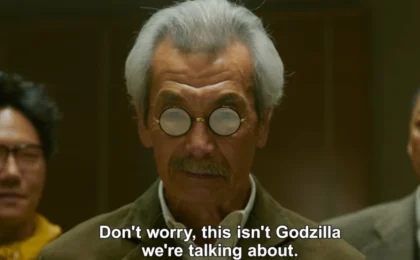
The film’s thematic depth is further bolstered by new additions to the ensemble cast. Min Tanaka joins the fray as a seasoned biologist, while Masami Nagasawa provides a brilliant performance as a "weather forecasting prodigy." These characters are not merely expository tools; they are the intellectual engines that drive the narrative’s scientific mystery. Furthermore, the inclusion of Jun Kunimura—a veteran actor known for his haunting role in The Wailing—adds a gravitas that grounds the film’s more extreme, "unhinged" plot developments.
The technical integration of practical effects and CGI is seamless. Unlike many modern blockbusters that lean into digital artifice, Minus Zero uses its massive scale to emphasize human fragility. The sequences involving the destruction of infrastructure are not just displays of pyrotechnics; they are choreographed to reflect the specific anxieties of a nation that has already seen its cities leveled by firebombing and the atomic blast.
Official Responses and Thematic Context
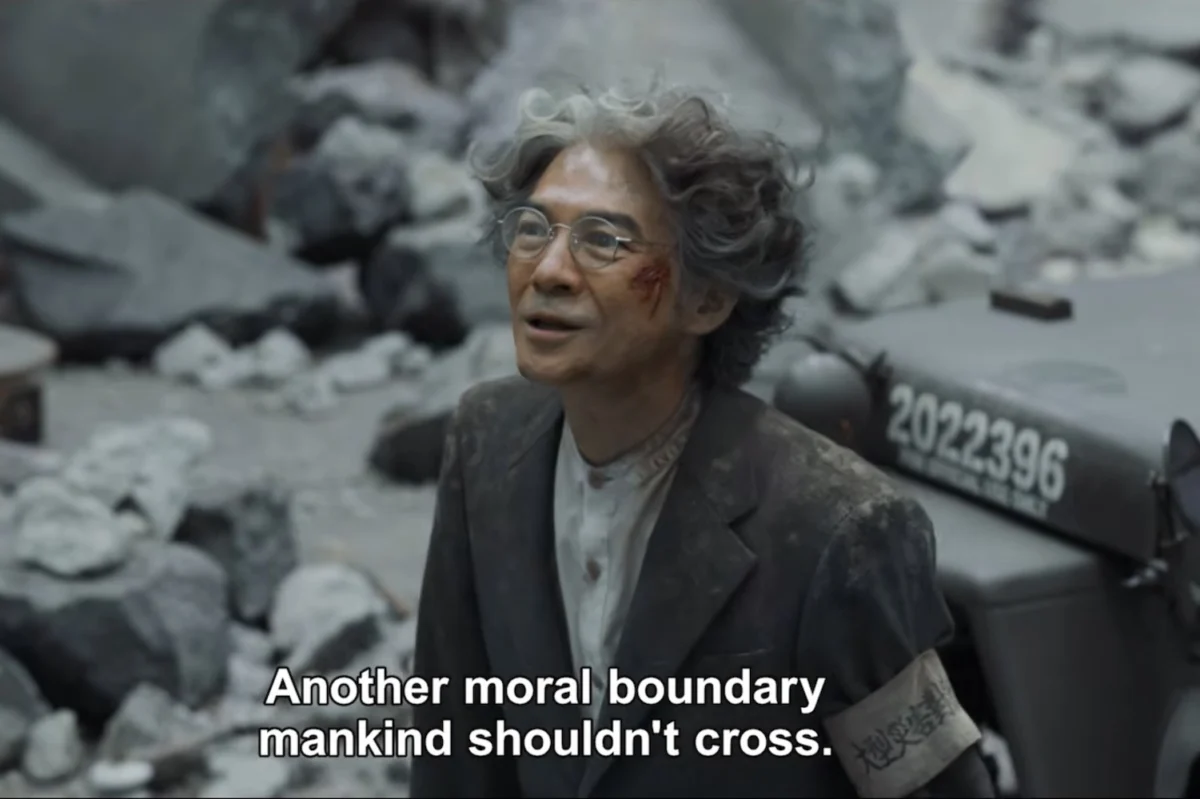
One of the most discussed aspects of Godzilla Minus Zero is its dialogue with Western cinema, specifically Christopher Nolan’s Oppenheimer. While the 2023 biopic focused on the internal moral struggle of the "Father of the Atomic Bomb," Yamazaki’s latest film turns the lens toward the victims of that technology.
In various interviews, Yamazaki has been candid about his desire to show the horrors that were deliberately kept offscreen in Oppenheimer. The film features flashbacks to the Hiroshima bombing that are unflinching and profoundly distressing. These scenes are not used for shock value; they serve as a historical counter-weight to the franchise’s origins. By situating the kaiju as a literal embodiment of the nuclear age, the film forces the viewer to confront the "Japanese experience" of the war.
Critics and festival attendees have noted that the film’s depiction of the American military presence is equally uncompromising. The "Large-Scale Disaster Response Bureau" operates in a space of deep, justified distrust. The tension between the need for American military aid and the desire for national sovereignty creates a complex, secondary conflict that mirrors the geopolitical realities of the 1940s.
Implications: The Moral Weight of Survival
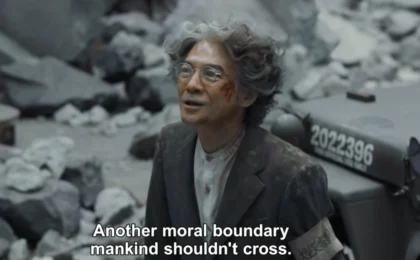
What sets Godzilla Minus Zero apart from the standard franchise fare is its willingness to engage with the concept of the "soul." There is a pivotal sequence involving a moral choice—one that could easily be dismissed as a plot contrivance in a lesser film—that is treated with solemn, almost religious gravity. The characters are forced to decide whether their survival is worth the spiritual cost of their actions.

This theme of "hope versus despair" is the film’s beating heart. Just as in Minus One, the audience at the New York Film Festival was observed moving from vocal, adrenaline-fueled excitement during the monster’s initial attacks to a heavy, emotional silence, culminating in audible sobs by the final frame. The film does not provide easy answers. It acknowledges that after the trauma of war, there is no "return to normal." There is only the long, difficult process of rebuilding, and the question of whether a society—or an individual—can ever truly be whole again.
Conclusion: A Rollercoaster of Human Emotion
Ultimately, Godzilla Minus Zero is a triumph of genre filmmaking. It succeeds because it refuses to treat its audience as mere consumers of spectacle. It demands that we sit with the characters in their grief, that we acknowledge the agony of those who have lost everything, and that we find value in the small, defiant acts of love that occur in the shadow of giants.
While the 2020s have seen a resurgence of big-budget, high-concept cinema, few films manage to balance the "loud, terrifying, awesome" nature of a kaiju blockbuster with the delicate, nuanced exploration of human trauma. If you have the opportunity to see Godzilla Minus Zero in an IMAX theater, do so. It is an experience that lingers long after the credits roll—a reminder that even in the face of inevitable destruction, the choice to continue, to hope, and to rebuild is the most powerful weapon of all.
Whether it is truly "better" than Minus One is a debate that will likely occupy fans for years to come. For now, it is enough to say that it stands as an equal, a daring continuation that pushes the limits of what a monster movie can say about the human condition.