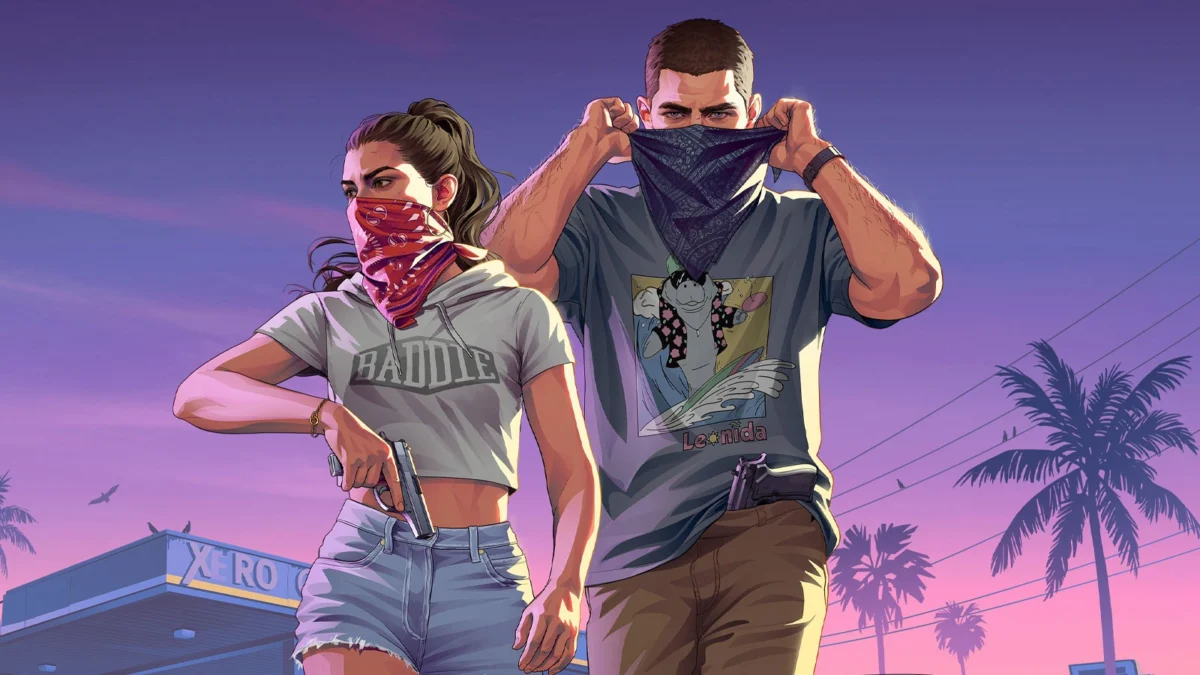
As the global gaming community counts down the days to November 19, the atmosphere surrounding the launch of Grand Theft Auto 6 is one of unprecedented anticipation. For millions, this date marks the end of a 13-year odyssey since the debut of its predecessor. However, for a massive segment of the player base—those tethered to the PC platform—the launch remains a bittersweet milestone. Rockstar Games has historically maintained a strict "console-first" strategy, leaving PC enthusiasts in a state of purgatory while the publisher focuses on optimizing the experience for PlayStation 5 and Xbox Series X/S.
Yet, a new, volatile variable has entered the equation: the rapid evolution of Artificial Intelligence. With the potential for AI to assist in reverse-engineering and code translation, whispers have turned into serious industry discourse regarding the possibility of unofficial, AI-assisted PC ports emerging shortly after the console launch. Take-Two Interactive, the parent company of Rockstar Games, is no longer treating this as a theoretical concern. In a series of candid statements, CEO Strauss Zelnick has signaled that the company is prepared to wage a multi-front war to protect the integrity of their flagship title.
The Chronology of an Anticipated Wait
To understand the current tension, one must look at the historical precedent established by Rockstar Games. The "PC tax"—the mandatory waiting period between console and PC releases—has been a hallmark of the studio’s business model. When Grand Theft Auto V launched in 2013, PC users waited nearly 18 months for the Windows version. Similarly, Red Dead Redemption 2 saw a one-year gap between its console debut and its PC arrival.
This strategy serves two primary purposes: it maximizes double-dipping, where dedicated fans purchase the game on consoles at launch and again on PC for improved fidelity, and it allows Rockstar to polish the technical architecture for the fragmented PC hardware market.
However, the landscape of 2025 is vastly different from 2013. The democratization of generative AI and automated code analysis tools has shifted the power dynamic. Obbe Vermeij, a former technical director at Rockstar North, recently ignited a firestorm of speculation by suggesting that while a high-quality, fully functional AI port would cost "tens of thousands of dollars," it is no longer an impossibility. This has placed Take-Two in an awkward position: they are effectively racing against a decentralized community of developers who now possess tools that were once the exclusive domain of AAA studios.
Supporting Data and Technical Realities
The technical barrier to creating an unofficial port is massive, yet the incentive structure is equally significant. A Grand Theft Auto title is among the most complex software products in the world, involving millions of lines of proprietary code, custom engine architecture (RAGE), and highly specialized asset streaming.
"It is not merely a matter of translation," explains one industry analyst. "Reverse engineering a modern game requires mapping memory addresses, intercepting API calls, and rebuilding the shaders. While AI can assist in the tedious aspects of code conversion, the sheer scale of GTA 6 makes a ‘perfect’ port nearly impossible to achieve without the original source code."
Despite these technical hurdles, the threat is viewed as significant enough that former developers like Vermeij have noted that the existence of such efforts could ironically force Rockstar’s hand, potentially accelerating their own internal PC development schedule. Reports suggest a possible PC release in the first quarter of 2027, which, if realized, would represent a significantly tighter turnaround than previous cycles.
Official Responses: The Fortress Mentality
Strauss Zelnick has been unequivocal in his recent briefings to investors and the press regarding this threat. The CEO’s rhetoric suggests a transition from a passive approach to piracy toward a proactive, "fortress" security stance.

"I don’t think it’s a financial matter, in terms of a threat to our business," Zelnick told IGN. "I do think it’s a creative matter. It’s important to everyone, our developers and our consumers alike, to deliver the experience Rockstar envisions. And at the same time, of course, we protect our intellectual property vigilantly. So we are focused on these concerns."
Zelnick’s comments highlight a dual focus: the preservation of the "Rockstar vision" and the aggressive protection of intellectual property. During recent investor Q&A sessions, he underscored that the company is actively enhancing its technical defenses—likely including advanced anti-tamper measures and kernel-level security—while simultaneously bolstering its legal apparatus to address any entities that attempt to circumvent these protections.
"We are utterly focused on enhancing our technical defenses and enhancing our legal activities appropriately," Zelnick stated. "Every entertainment business that exists is subject to some element of piracy. This is likely to invade our business to a greater or lesser extent, but I think it will be manageable."
Implications for the Future of Gaming
The implications of this standoff extend far beyond a single video game. We are witnessing a fundamental shift in how large-scale software interacts with a community that is increasingly empowered by AI.
1. The Erosion of Exclusivity
If unofficial ports become even partially viable, the traditional "console-first" strategy of publishers will be under constant duress. If a game can be made playable on PC by a third party, the exclusivity window—the primary tool used to drive console hardware sales and publisher-platform partnerships—becomes a liability rather than an asset.
2. The Legal and Ethical Frontier
Take-Two’s aggressive legal posture suggests that they will treat any "fan-made" port as a direct infringement, likely resulting in aggressive Cease and Desist orders and potentially massive litigation. This sets a dangerous precedent for the modding community, which has historically been a pillar of the Grand Theft Auto ecosystem. The line between a community mod and an unofficial port is becoming increasingly blurred, and the legal fallout could stifle innovation from the very fans who have kept GTA alive for over a decade.
3. The GTA Online Factor
Adding to the complexity is the future of GTA Online. While the single-player experience is the primary target for AI-assisted porting, the multiplayer infrastructure is a separate, persistent challenge. Twitch CEO Dan Clancy recently revealed he has spent considerable time in discussions with Rockstar regarding the multiplayer integration, particularly given the massive popularity of GTA RP (Roleplay) on streaming platforms. With the multiplayer component slated for a 2026 release—distinct from the initial launch—the challenge of protecting an online ecosystem from unofficial clients and cheat-injection tools will be significantly higher.
Conclusion: The Final Countdown
As the November release date approaches, the industry is watching Rockstar Games not just as a developer, but as a test case for the future of digital rights management. The company is attempting to hold back a tide of technological change that is rapidly empowering individuals to access software on their own terms.
Whether Zelnick’s "technical defenses" can truly mitigate the risk of AI-assisted reverse engineering remains to be seen. What is clear, however, is that the era of passive protection is over. Rockstar Games is building a digital fortress around GTA 6, but in the age of AI, the walls must be higher and the gatekeepers more vigilant than ever before. For the PC player, the wait continues, but the battle for how they eventually play the game is only just beginning.