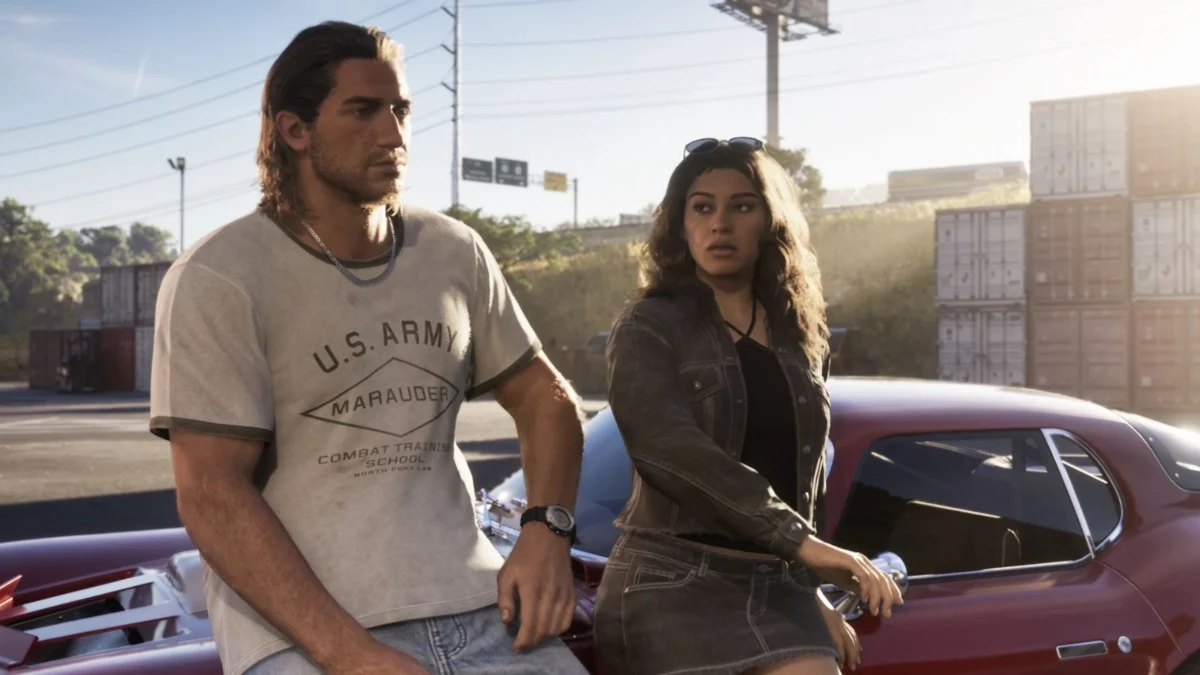
As the gaming world stands on the precipice of the most anticipated release in interactive entertainment history, the shroud of secrecy surrounding Grand Theft Auto 6 is finally beginning to lift. With the pre-load window for the mammoth 210GB title now within sight, fans are meticulously dissecting every byte of data, uncovering a treasure trove of information that Rockstar Games has kept under wraps. While the narrative campaign featuring Jason and Lucia dominates the conversation, a burgeoning trail of evidence suggests that the next iteration of GTA Online may be closer to fruition than many had initially speculated.
The Digital Breadcrumbs: Evidence Within the Source Code
The latest revelations originate from the deep-dive analysis of GTA 6 game files, which have recently become accessible to data miners and tech-savvy enthusiasts. Reports from PlayStation Size—the same outlet that accurately predicted the massive 210GB storage requirement for the console version—have highlighted specific configuration settings that confirm the underlying architecture for a multiplayer experience is already baked into the core installation.
Specifically, the files contain distinct "intent types" that appear to be placeholders for future-facing infrastructure. These include commands such as joinSession, launchActivity, and notably, launchMultiplayerActivity. These strings strongly imply that while the game may launch as a single-player-focused experience, the hooks for a seamless transition into a shared-world environment are already present.
This discovery is supported by insights from well-known Rockstar insider TexFunz2, who pointed out a critical structural shift in how GTA 6 handles its data. Unlike Grand Theft Auto 5, which bundled its single-player and multiplayer assets into a singular, monolithic file structure, GTA 6 allows for the modular installation of its components.
"GTAV does not separate assets, so it’s new," the insider noted. "This allows you to uninstall online or story mode at a later point so you can save some space, and re-download them whenever you like." This modular approach is not merely a convenience feature for console storage management; it suggests a high level of flexibility in how Rockstar intends to deploy updates, potentially allowing them to drop the GTA Online component as a standalone or secondary download without requiring a massive, total-game patch.
A Chronology of the GTA 6 Reveal
To understand the current speculation, one must look at the timeline of events leading up to this moment. Rockstar Games has maintained a notoriously rigid information blackout, avoiding any mention of GTA Online in their official trailers or promotional social media cycles.
- Initial Teasers (2024–2025): Rockstar focused exclusively on the visual fidelity of Leonida and the introduction of the dual-protagonist narrative, effectively silencing any chatter about the online successor to the record-breaking GTA Online.
- The Storage Revelation (Mid-2026): As pre-load information began to leak, the sheer scale of the 210GB requirement stunned the community, raising questions about what exactly occupied that space.
- The Twitch Connection (Late 2026): A significant development occurred when Twitch CEO Dan Clancy publicly stated he had spoken with the developers at Rockstar Games. During these discussions, he claimed that GTA Online for the new generation is slated for a "next year" release, providing the first concrete timeline from an industry peer.
- Data Mining Phase (November 2026): The current window has seen the discovery of the aforementioned "multiplayer activity" strings, confirming that the technical groundwork for a service-based extension is already integrated into the day-one files.
Modular Architecture and Future-Proofing
The shift toward a modular installation is perhaps the most telling indicator of Rockstar’s long-term strategy. By separating the game’s assets, the developers have essentially future-proofed the title. In the past, the integration of GTA Online into the base game created a cumbersome environment where updates could inadvertently break single-player files or vice versa.
By creating a "plug-and-play" system, Rockstar gains the ability to:
- Iterate Faster: They can push updates to the online infrastructure without necessitating a full-game certification process.
- Resource Management: Players who have no interest in the multiplayer component can theoretically purge those files to free up valuable SSD space, a major boon given the massive 210GB footprint.
- Tiered Monetization: The separation supports a potential future where the online component could be offered as a standalone subscription or service, independent of the single-player narrative.
Official Responses and Corporate Strategy
Rockstar Games remains characteristically tight-lipped, but their parent company, Take-Two Interactive, has been slightly more transparent regarding the philosophy behind the transition. CEO Strauss Zelnick has frequently addressed the longevity of the GTA brand, suggesting that the current GTA Online may not be immediately shuttered upon the arrival of its successor.
Zelnick has expressed a "willingness" to support legacy titles as long as there is an active player base. This hints at a transition period where the two versions of GTA Online could exist in parallel, catering to different demographics—one favoring the classic, content-rich experience of Los Santos, and the other embracing the next-generation systems of the new title.
Furthermore, reports have surfaced regarding aggressive monetization plans for the new online experience. While the company has not confirmed the specifics, industry analysts suggest that Rockstar is looking to leverage the massive player base they have cultivated over the last decade, transitioning them to a more robust, service-oriented model that integrates deeper economic systems within the game world.
Implications for the Player Base
For the average gamer, these findings present several immediate implications. Firstly, the "join session" and "multiplayer activity" strings suggest that the user interface (UI) for GTA 6 is built with social integration at its core. Even if the multiplayer mode is not active on Day One, the menus and shortcut systems are ready for a "flip of the switch" update.
Secondly, the existence of these files puts to rest the theory that GTA 6 would be an entirely offline, narrative-only experience for a significant period. Instead, the "modular" nature suggests a staggered rollout. Rockstar is likely prioritizing the stability of the story mode—a move intended to avoid the catastrophic, server-crashing launch that defined the 2013 release of GTA Online. By keeping the multiplayer component in a "hidden" or "pending" state, they ensure that the initial launch week remains focused on the single-player experience.
Conclusion: The Quiet Before the Storm
The evidence is mounting that Rockstar Games is orchestrating a highly calculated release strategy. By embedding the necessary architecture for multiplayer within the launch files, they are setting the stage for a rollout that maximizes both stability and hype.
As we move toward the official release date, the gaming community remains in a state of heightened anticipation. While we wait for an official announcement regarding the specific launch date of the new GTA Online, the digital evidence is clear: the foundation is laid, the assets are separated, and the infrastructure is waiting for the green light. For fans of the franchise, the next few months will likely involve a careful watch on the official Rockstar Newswire for that definitive update, which, if the current leaks are to be believed, will be arriving sooner than anyone dared to hope.