Basiran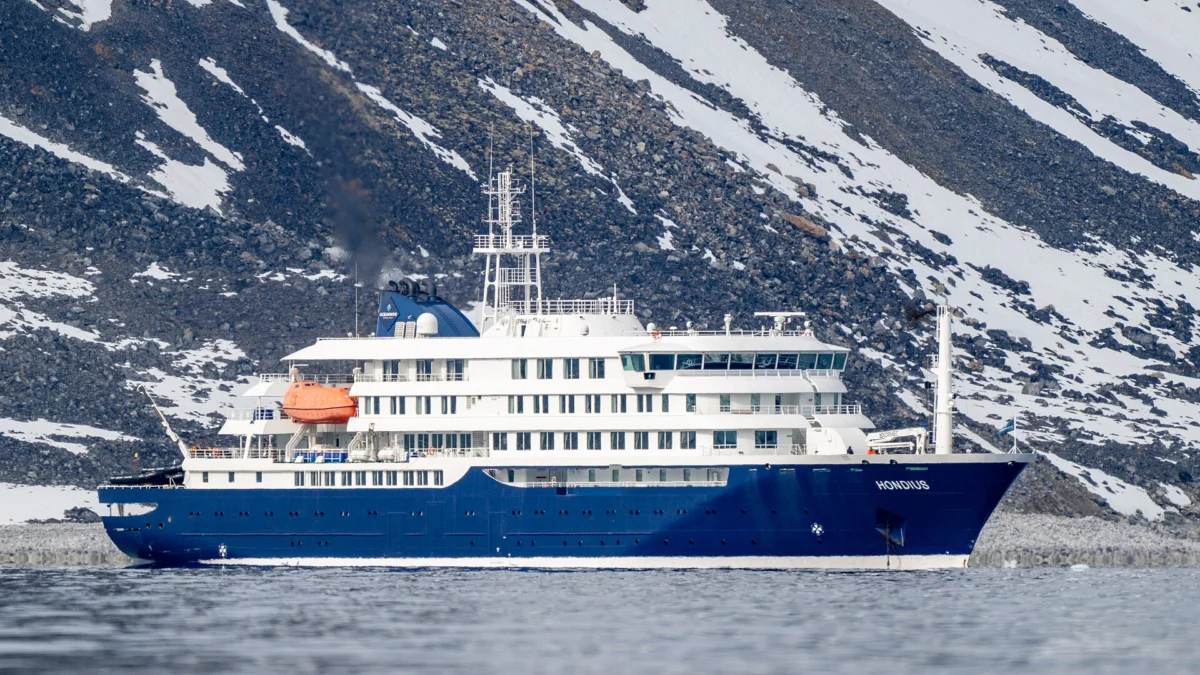
Executive Summary: A Diplomatic and Medical Effort
In a significant display of international cooperation, a Japanese national was successfully evacuated from the MV Hondius—a cruise ship currently embroiled in a rare hantavirus outbreak—and transported to the United Kingdom on Sunday. The individual, who arrived via a British government-chartered flight departing from Tenerife, Spain, is currently under observation at Arrowe Park Hospital in Merseyside.
While the passenger is reported to be in good health, they will undergo a mandatory 45-day medical monitoring period to ensure they remain asymptomatic. The evacuation was facilitated by the recently signed Memorandum of Cooperation on Mutual Assistance to Japanese and British Nationals Abroad, a strategic framework designed to ensure the safety of citizens from both nations during overseas crises.
Despite the heightened alarm surrounding the luxury vessel, health officials worldwide are emphasizing that the risk of a global pandemic remains negligible. The World Health Organization (WHO) has stepped in to clarify the nature of the threat, distinguishing this isolated maritime outbreak from the widespread transmission patterns seen during the COVID-19 pandemic.
Chronology of the Crisis: From South America to the Canary Islands
The MV Hondius had been traversing the waters of South America, a region where the Andes strain of hantavirus is endemic, before the outbreak was identified.
- Early Detection: Reports of respiratory distress among passengers began emerging mid-voyage, prompting the ship’s medical staff to isolate those exhibiting symptoms.
- The Docking in Tenerife: As the situation escalated, the vessel made an emergency docking in Tenerife, Canary Islands, on Sunday. The arrival served as a focal point for the international response, allowing for the medical evacuation of specific foreign nationals.
- The Evacuation: The Japanese national was prioritized for repatriation under the bilateral agreement between London and Tokyo. Following a complex logistical operation, the individual was whisked from the ship to the waiting charter flight, bypassing standard commercial travel channels to mitigate the risk of further exposure.
- Current Status: As of Monday, the ship remains under strict quarantine protocols in the Spanish port, with international health agencies monitoring the remaining passengers and crew.
The Nature of the Andes Strain: Understanding the Pathogen
The Andes strain of hantavirus is distinct from other variations found globally because it is one of the few hantaviruses capable of human-to-human transmission. Typically, hantaviruses are zoonotic, spread primarily through contact with the urine, droppings, or saliva of infected rodents.
Understanding Transmission
While the scientific community has long categorized the Andes strain as having the potential for human-to-human contact, health authorities stress that such cases are exceptionally rare and typically require prolonged, intimate exposure.
The outbreak aboard the MV Hondius has been confirmed by onboard medical staff and regional health authorities as a cluster of human-to-human transmission. This confirmation prompted the immediate quarantine measures currently in effect.
Data Breakdown
The World Health Organization (WHO) has released the following data regarding the outbreak:
- Total Reported Cases: 9
- Confirmed Cases: 7
- Suspected Cases: 2
- Mortality Rate: 3 confirmed deaths
- Risk Profile: Low-to-moderate for the immediate ship population; extremely low for the general public.
Official Responses and Diplomatic Cooperation
The Japanese government has responded with a mixture of caution and diplomatic resolve. Chief Cabinet Secretary Minoru Kihara addressed the nation during a press conference on Monday, aiming to soothe public anxiety regarding potential domestic spread.
"We do not expect the hantavirus outbreak to have an immediate impact domestically," Kihara stated. "However, we will make every effort to take necessary infection control measures while monitoring the situation."
Strengthening Borders
Japan’s health ministry has moved to bolster its defenses. Quarantine authorities have been instructed to intensify screening protocols for all arrivals originating from South America, with a specific focus on Argentina and Chile, where the Andes strain is most prevalent.
These screenings include:
- Symptom Review: Enhanced thermal scanning and respiratory health checks for all incoming passengers.
- Epidemiological Histories: Questioning travelers specifically about their potential exposure to rodents or high-risk environments during their travels.
- Public Awareness: The government has issued a formal travel advisory, urging Japanese citizens abroad to maintain distance from wild animals, particularly rodents, and to prioritize hygiene in rural or wilderness settings.
The WHO’s Stance: "This is Not Another COVID-19"
Perhaps the most significant development in the public discourse surrounding the MV Hondius is the direct intervention of WHO Director-General Tedros Adhanom Ghebreyesus. Recognizing the potential for public panic, Dr. Tedros utilized social media platform X to issue a clear, unambiguous statement.
"I need you to hear me clearly: this is not another COVID-19," the Director-General wrote. He emphasized that while any loss of life is tragic, the current public health risk posed by the hantavirus remains low. The statement serves to differentiate the controlled, isolated nature of the ship-based outbreak from the respiratory, aerosol-transmitted characteristics that defined the global pandemic of 2020.
Health experts are echoing this sentiment, noting that hantavirus does not exhibit the same level of infectiousness as SARS-CoV-2. Unlike the coronavirus, which spread rapidly through community transmission, hantavirus outbreaks are historically confined to specific geographic pockets or, in this case, a contained environment with direct contact transmission.
Implications: The Future of Maritime Health Security
The events surrounding the MV Hondius highlight a growing necessity for robust international frameworks in the post-pandemic era. The Memorandum of Cooperation between the UK and Japan is the first of its kind, serving as a template for how nations might handle future health emergencies involving their citizens on foreign soil.
The Role of Bilateral Agreements
The success of the evacuation—moving the Japanese national from the ship to the hospital in Merseyside—demonstrates the effectiveness of pre-planned diplomatic channels. By codifying assistance agreements, nations can bypass bureaucratic delays that often hamper medical evacuations during crises.
Lessons for the Cruise Industry
The maritime industry is likely to face increased scrutiny regarding its health and sanitation standards. Cruise ships, by nature, are dense environments that can facilitate the rapid spread of infectious diseases. While hantavirus is not typically a "shipboard" disease, the incident has highlighted the importance of:
- Rodent Control Protocols: Enhanced maritime standards for pest management.
- Rapid Diagnostic Capabilities: The need for cruise lines to maintain, or have immediate access to, diagnostic testing for non-standard, region-specific pathogens.
- Emergency Logistics: Pre-arranged access to government charter flights and medical facilities in destination ports.
Conclusion: Vigilance Without Panic
As the Japanese national continues their 45-day monitoring period at Arrowe Park Hospital, the world remains observant of the MV Hondius situation. The tragedy of the three deaths serves as a somber reminder of the dangers posed by zoonotic diseases, yet the organized and transparent international response highlights the progress made in global health communication.
For the average traveler, the takeaway is not one of fear, but of informed caution. By maintaining awareness of local environmental risks and adhering to the guidance of health authorities, the global community can manage these rare incidents without resorting to the widespread alarm that characterized previous global health crises.
As of this writing, the WHO continues to monitor the situation, promising regular updates as the quarantine measures on the MV Hondius progress toward their conclusion. The incident, while concerning, serves as a testament to the effectiveness of international cooperation in the face of localized biological threats.


 Neng Nana
 Asro
Asro