Rifan Muazin
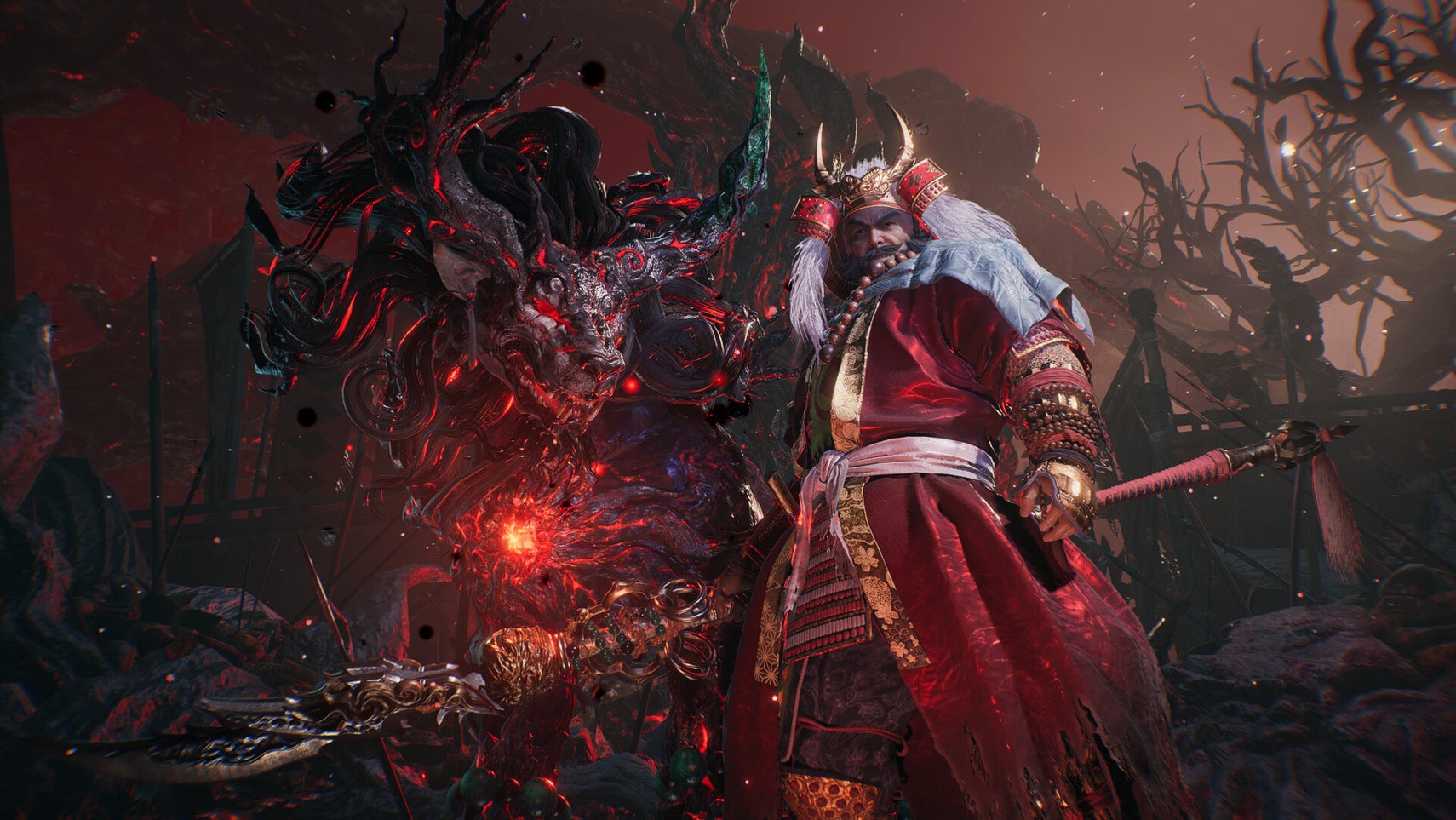
The landscape of the action-RPG genre has shifted decisively this month as Nioh 3, the latest installment in Team Ninja’s acclaimed samurai saga, has officially cemented its status as a commercial juggernaut. Publisher Koei Tecmo announced today that the title has surpassed one million units sold worldwide across PC and PlayStation 5 in just two weeks, marking the fastest sales velocity for any entry in the franchise to date.
This historic milestone does more than validate the development team’s creative risks; it pushes the total lifetime sales of the Nioh franchise past the 10 million-unit mark. As the industry looks toward the next generation of challenging, high-fidelity action titles, Nioh 3 stands as a definitive success story, balancing intense, soul-like difficulty with a newfound level of accessibility that has captivated both hardcore veterans and newcomers alike.
The Chronology of a Blockbuster Launch
The road to Nioh 3’s record-breaking release was paved with calculated marketing maneuvers and community engagement. Long before the game hit store shelves, the hype train was already in full motion, driven by favorable pre-release buzz.
The Power of the Demo
Critical to this success was the release of a free, public demo. By allowing players on both PC and PS5 to experience the core combat loops firsthand, Team Ninja managed to cultivate a massive, informed player base well before launch day. Crucially, the studio enabled save-file carry-over, ensuring that players who invested time into the trial felt rewarded for their loyalty, effectively turning "demo players" into "day-one buyers."
From Anticipation to Dominance
Upon its release, the game did not merely meet expectations; it obliterated them. On the Steam platform, Nioh 3 immediately signaled its intent by shattering the concurrent player count records set by its predecessors. While initial launch numbers were impressive, the game’s momentum only accelerated throughout its first weekend.
The title eventually hit a staggering peak of 88,045 concurrent players on Steam—a figure that effectively doubled its launch-day performance. This trajectory is a rare phenomenon in the current market, indicating strong positive word-of-mouth that turned initial interest into sustained, widespread adoption.
Supporting Data: Why the Numbers Matter
The numbers behind Nioh 3 are not just statistics; they are indicators of a shifting paradigm in the "masocore" (masochistic/hardcore) genre.
- The 10 Million Milestone: The entire Nioh franchise, consisting of the original Nioh, Nioh 2, and now the third installment, has reached 10 million units. This makes it one of Koei Tecmo’s most valuable intellectual properties, firmly placing it in the upper echelon of successful Japanese action franchises.
- Platform Synergy: While specific PS5 sales figures remain closely guarded by the publisher, the parity between the PC and console performance suggests a balanced audience. The ability to successfully launch a title across two vastly different hardware environments simultaneously—without the technical pitfalls that have plagued other high-profile PC ports recently—has likely contributed significantly to the positive review scores and consumer trust.
- Retention Rates: The jump from launch-day concurrent players to the weekend peak of 88,045 on Steam is a clear indicator of high "stickiness." Players are not only buying the game; they are actively playing it, engaging with its systems, and sharing their experiences online, which feeds the cycle of ongoing sales.
Evolution of the Formula: Why Nioh 3 Succeeds
Nioh 3 is not simply "more of the same." It represents a deliberate evolution of the franchise’s DNA. By shifting toward a semi-open-world design, Team Ninja has moved away from the mission-based structure that defined the first two games.
The Shift to Semi-Open World
The inclusion of larger, more expansive maps allows for a greater sense of exploration. These areas are not just arenas for combat; they are historical tapestries that cover pivotal periods of Japanese history. By giving players more freedom to roam and discover, the game feels less like a series of isolated encounters and more like a cohesive, living world.
Accessibility vs. Difficulty
Historically, the Nioh series was feared for its steep learning curve. Nioh 3 addresses this by refining its onboarding processes and providing more robust systems for player progression. As noted in our review, the game is "Team Ninja’s most accomplished action game, and the series’ most accessible." This accessibility has allowed the franchise to tap into a broader demographic of gamers who were previously intimidated by the series’ reputation for punishing combat.
Official Perspectives and Industry Implications
The reception of Nioh 3 serves as a case study for publishers looking to manage legacy franchises. Koei Tecmo’s strategy—prioritizing performance, offering a robust demo, and maintaining a clear vision for gameplay evolution—has clearly paid off.
While the publisher has not yet detailed future content roadmaps, the sheer volume of the player base suggests that downloadable content (DLC) and long-term support are almost certainly in the works. The success of the "Accolades Trailer" and the rapid adoption of co-op features indicate that the community is eager for more.

What This Means for Team Ninja
For Team Ninja, this success provides a platform to experiment further. With the series now firmly established as a commercial juggernaut, the studio has the creative capital to take even greater risks in future titles. Whether that involves further refining the semi-open-world mechanics or introducing new narrative layers, the "Nioh formula" has proven itself to be highly resilient and immensely popular.
A Guide for the Uninitiated
For those who have been swept up in the discourse but have yet to pick up a controller, the barrier to entry is lower than ever. The game is designed to be learned, not just survived.
- Utilize the New Tutorials: The early-game systems are designed to teach you the flow of Ki (stamina) management and weapon stances. Don’t skip these; they are the keys to the kingdom.
- Embrace the Co-op System: The Nioh series has always featured a unique multiplayer component, and Nioh 3 polishes this to a shine. If a boss feels insurmountable, calling for help is not a sign of weakness—it’s a core feature of the game’s design. Our dedicated co-op guide can help you navigate the summoning process.
- Study the Combat Stances: Understanding when to switch between Low, Mid, and High stance is the difference between a master and a novice. Low stance is for evasion, Mid for defense, and High for punishing damage.
Conclusion
The rise of Nioh 3 is a testament to the enduring appeal of the action-RPG genre when executed with precision and care. By successfully navigating the transition to a more open, accessible design while keeping the core combat mechanics tight and rewarding, Team Ninja has created a title that satisfies the veteran fanbase while welcoming a new generation of samurai.
As the industry continues to evolve, Nioh 3 will undoubtedly be remembered as a high-water mark for the generation—a game that proved that even established franchises can hit new heights when they are willing to reinvent themselves. With 10 million franchise sales now under its belt, the future of the Nioh universe looks brighter than ever, and for the players currently lost in its beautiful, deadly landscapes, the journey is only just beginning.


 Asro
Asro
 Muslim