Sagoh
Sagoh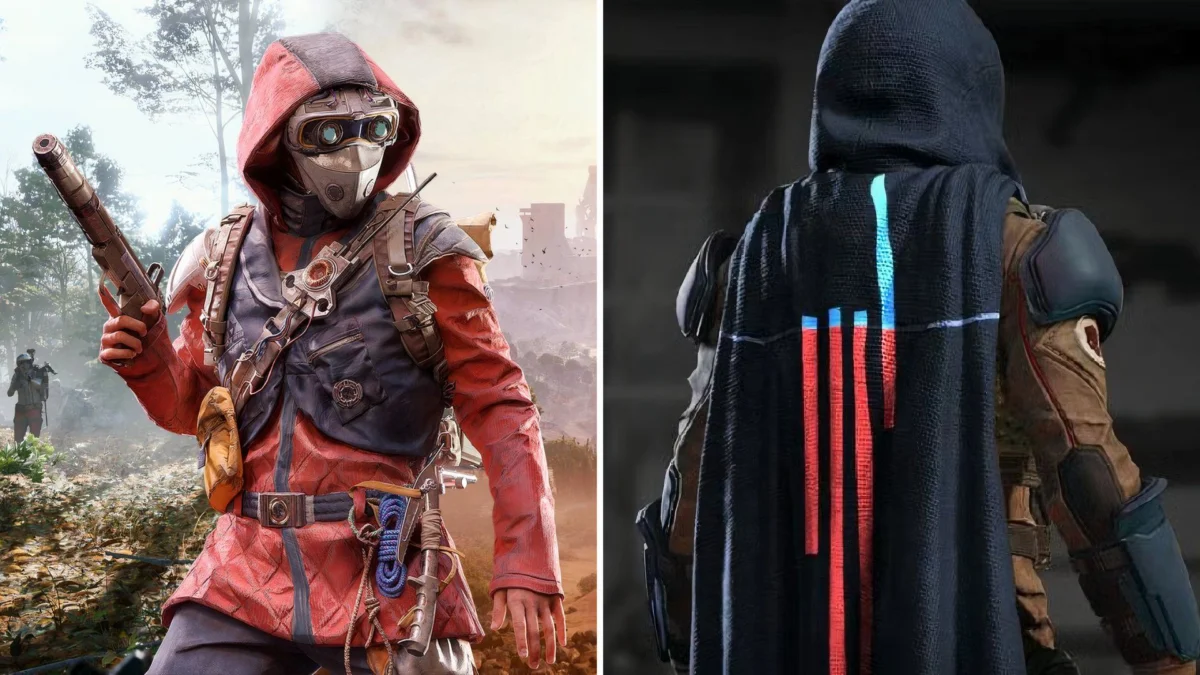
Stockholm, Sweden – May 13, 2026 – In a significant strategic shift, Embark Studios, the developer behind the ambitious extraction shooter ARC Raiders, has announced a radical overhaul of its content update schedule. Moving away from its initial monthly cadence, the game will now receive major content drops only twice a year. This dramatic pivot is a direct response to the volatile landscape of live service games, with developers explicitly aiming to avoid the pitfalls that have plagued other titles, most notably the widely discussed "Helldivers Syndrome."
The decision, unveiled with little prior fanfare, signals a deep reflection by Embark on the challenges of maintaining player engagement and game stability within the demanding live service model. While the initial promise of frequent updates fueled ARC Raiders‘ early momentum, the studio now appears to believe that a more measured approach to content delivery is crucial for its long-term health and to prevent the game from succumbing to the cycle of player burnout and community frustration.
The Perils of the Patch Cycle: Understanding "Helldivers Syndrome"
The term "Helldivers Syndrome," while not a formal diagnosis, has become a shorthand within the gaming community to describe a specific set of challenges faced by live service games that rely on rapid, iterative updates. At its core, it represents a precarious balancing act: too many frequent updates risk introducing bugs, unintended balance changes, and player dissatisfaction, while too few can lead to stagnation and the dreaded "dead game" label.
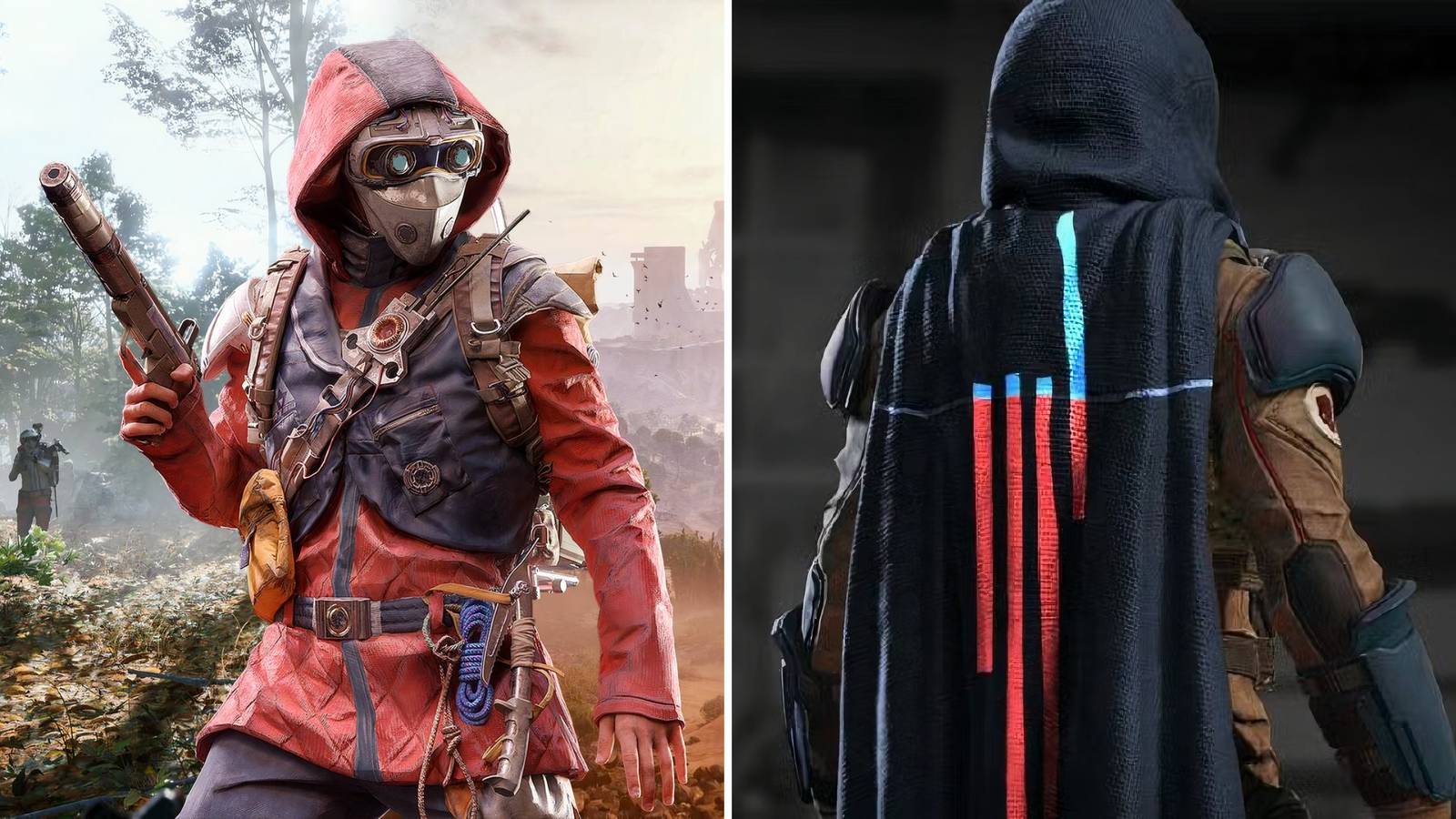
Helldivers 2, developed by Arrowhead Game Studios, serves as a prominent, albeit perhaps extreme, case study. Launched in February 2024 to unprecedented critical and commercial success, the cooperative shooter quickly captivated players with its chaotic, mission-driven gameplay. However, the subsequent months saw Arrowhead largely preoccupied with reactive fixes and balance adjustments. Many of these patches, intended to rectify previous oversights, often swung too far in the opposite direction, creating new imbalances and reigniting community outcry. This constant cycle of adjustment and backlash, exemplified by Helldivers 2‘s review scores on platforms like Steam frequently fluctuating between positive and negative sentiment following major patches, has become emblematic of the syndrome.
Embark Studios, having witnessed this phenomenon firsthand, seems determined to steer ARC Raiders clear of such a trajectory. The studio’s initial commitment to a monthly update schedule, while commendable in its ambition, may have inadvertently set the stage for similar issues. As the initial excitement of ARC Raiders‘ 2025 launch waned, cracks in its content and balance began to surface, mirroring the early warning signs of the very "Helldivers Syndrome" it now seeks to circumvent.
A Chronological Reckoning: From Monthly Cadence to Biannual Deliveries
ARC Raiders launched in 2025 with a clear intention to keep players engaged through consistent content drops. The initial strategy involved delivering significant updates on a monthly basis, a common practice for live service titles aiming to maintain momentum and reward player loyalty. This approach fostered a sense of ongoing development and provided players with regular new experiences.

However, the reality of maintaining such a rapid pace proved to be a double-edged sword. The sheer volume of patches required to address player feedback, balance weapon systems, tweak enemy AI, and introduce new gameplay elements inevitably led to unforeseen consequences. Each update, while aiming to improve the game, carried the risk of introducing new bugs or disrupting the delicate equilibrium of the gameplay loop.
The first symptoms of what could be termed "Helldivers Syndrome" began to manifest as players encountered recurring balance issues and the need for constant "hotfixes" or incremental patches to address problems introduced by previous updates. While ARC Raiders has not experienced the same level of community backlash as some of its peers, the underlying pressure to constantly iterate on a monthly basis created a precarious environment.
Recognizing this unsustainable pattern, Embark Studios has opted for a drastic, yet potentially effective, course correction. The new update schedule, shifting from monthly content drops to two major releases per year, represents a significant departure. This aims to provide developers with more substantial development cycles, allowing for more thorough testing, deeper content integration, and a more holistic approach to balancing.

Supporting Data: The Impact of Frequent Updates on Player Retention and Sentiment
The decision to move to a biannual update schedule can be further understood by examining the broader trends in the live service game market. Games that rely on a constant stream of content often face a dilemma:
- Content Burnout: Players can become overwhelmed by the sheer volume of new content, leading to a feeling of obligation rather than enjoyment. The pressure to keep up can detract from the overall player experience.
- Technical Debt: Rapid development cycles can lead to an accumulation of technical debt, where shortcuts are taken to meet deadlines, resulting in a game that is more prone to bugs and stability issues.
- Player Fatigue: Constant changes, even positive ones, can lead to player fatigue. The feeling that the game is never "settled" can be exhausting, prompting players to seek more stable gaming experiences.
- Negative Review Cycles: As seen with Helldivers 2, a string of poorly received updates can severely damage a game’s reputation, impacting its ability to attract new players and retain existing ones. Steam reviews, often seen as a barometer of player sentiment, can tumble dramatically following controversial patches, making it harder for the game to recover.
By reducing the frequency of major updates, Embark Studios aims to mitigate these risks. Larger development windows allow for more comprehensive testing, reducing the likelihood of introducing game-breaking bugs or significant balance issues. Furthermore, it provides players with more time to engage with and master the existing content before new additions arrive, potentially fostering a deeper appreciation for the game’s mechanics and progression systems.
Official Responses and Developer Intent
Embark Studios has framed this shift as a strategic move to ensure the long-term viability and enjoyment of ARC Raiders. While specific official statements detailing the "Helldivers Syndrome" concern are not explicitly quoted in the provided text, the rationale behind the decision is clear. The studio is prioritizing quality and stability over rapid, potentially destabilizing, content delivery.
The move from a monthly to a biannual schedule is an acknowledgment that the initial strategy, while perhaps well-intentioned, was not the optimal path for ARC Raiders. The developer appears to be taking a proactive stance, learning from the experiences of other games in the genre to forge a more sustainable future for its own title.
However, the transition itself has not been without its challenges. The abrupt jump from a monthly to a twice-a-year update cadence has been criticized by some within the community for its lack of a phased approach. A more gradual reduction in update frequency, perhaps moving from monthly to bi-monthly, and then to quarterly, might have eased the transition and mitigated some of the immediate backlash. This gradual approach could have allowed players to adapt to the changing pace of content delivery without feeling as if they were being left behind.
Implications for the Future of ARC Raiders
The biannual update schedule for ARC Raiders presents both opportunities and significant challenges.
Opportunities:
- Enhanced Game Stability: Longer development cycles should lead to more polished and stable updates, reducing player frustration caused by bugs and balance issues.
- Deeper Content Integration: Developers can focus on creating more substantial and impactful content drops, offering players a more rewarding experience when updates do arrive.
- Sustainable Player Base: By avoiding the pitfalls of rapid content churn, Embark may cultivate a more dedicated and patient player base, less susceptible to the allure of newer, flashier titles.
Challenges:
- Maintaining Player Engagement: Six months is a considerable gap between major content updates. ARC Raiders, which lacks a traditional endgame, faces the challenge of keeping players engaged during these long intervals. This may require more frequent, smaller "quality of life" updates or community events to maintain a sense of activity.
- Player Attrition: A significant concern is the potential for players to drift away during these extended periods. Some may leave permanently, while others might only return sporadically to "check in," diminishing the overall player count and the vibrancy of the game’s community.
- Competition: The live service space is highly competitive. If ARC Raiders goes dormant for extended periods, players may find new favorites and be less inclined to return to a game that has been absent from their active rotation.
Ultimately, Embark Studios’ bold decision to overhaul its update schedule for ARC Raiders is a testament to the evolving complexities of the live service model. By learning from the missteps of others and embracing a more deliberate approach to content delivery, the studio aims to chart a course towards long-term success. The coming months and years will reveal whether this strategic pivot will effectively inoculate ARC Raiders against the dreaded "Helldivers Syndrome" and secure its place in the competitive gaming landscape.


 Lina Irawan