Rifan Muazin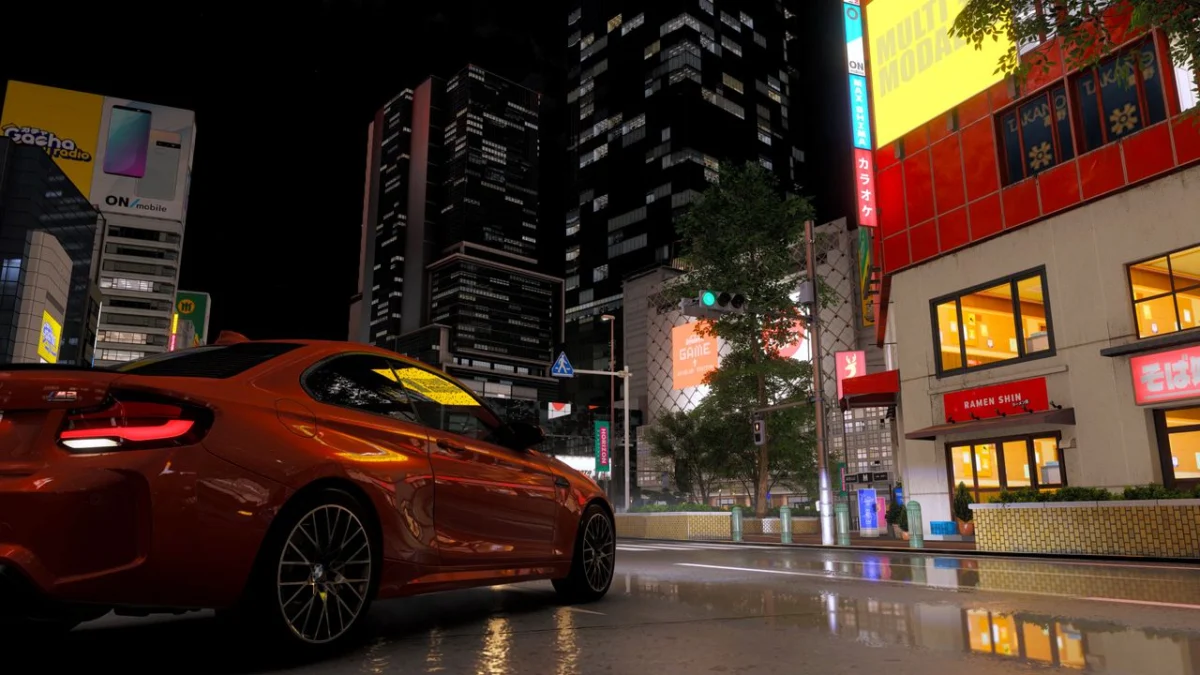
In the high-octane world of modern PC gaming, the pursuit of graphical perfection is a relentless endeavor. With the release of Forza Horizon 6, developers have once again pushed the boundaries of what open-world racing can look like. However, as I have spent the past several days putting the title through its paces across a diverse array of hardware configurations, resolutions, and settings, a surprising narrative has emerged. While Forza Horizon 6 is a technical marvel that runs exceptionally well even on aging hardware, its implementation of ray tracing—the industry’s current gold standard for visual fidelity—leaves much to be desired.
The State of Play: Performance Without the Bells and Whistles
From a purely technical standpoint, Forza Horizon 6 is a triumph of optimization. Whether running on a modest mid-range rig or a cutting-edge battle station, the game scales impressively. For most users, the title remains fluid and visually striking without the need to lean on crutches like aggressive AI upscaling or frame generation.
In my testing, the game’s core engine manages to deliver high frame rates and crisp textures consistently. It is a rare relief to play a modern AAA title that doesn’t demand the latest hardware just to achieve a "playable" baseline. Yet, this accessibility makes the optional ray-tracing settings feel even more jarring. When a game engine is this well-optimized for rasterization, the value proposition of ray tracing must be high to justify its significant performance tax. In the case of Forza Horizon 6, that threshold is not met.
Chronology of Testing: Identifying the Ray Tracing Disconnect
My testing process began with the "Extreme" graphics preset, which serves as the baseline for the game’s peak visual fidelity. From there, I toggled the two specific ray tracing options provided: Ray-Traced Reflections and Ray-Traced Global Illumination (RTGI).
Phase 1: The Reflection Paradox
Ray-traced reflections in Forza Horizon 6 are, objectively speaking, technically superior to the standard screen-space reflections (SSR). They eliminate the "popping" and flickering artifacts often associated with SSR, especially when moving at high speeds. However, there is a fundamental disconnect between the technology and the gameplay.
Racing games, by their very nature, are experiences defined by speed. When you are careening through a cityscape or tearing down a coastal highway at 150 mph, your focus is on the road, the apex of the turn, and your proximity to competitors. In these moments of high velocity, the subtle, pixel-perfect accuracy of a ray-traced reflection is rendered imperceptible to the human eye. The flaws of screen-space reflections, while visible in a static screenshot, simply vanish before the brain can register them during active gameplay.
Phase 2: The RTGI Shortfall
If reflections are a "nice-to-have" that the game is too fast to appreciate, one would expect Ray-Traced Global Illumination (RTGI) to be the heavy lifter. RTGI should, in theory, provide consistent, realistic lighting across all surfaces, regardless of camera angle.
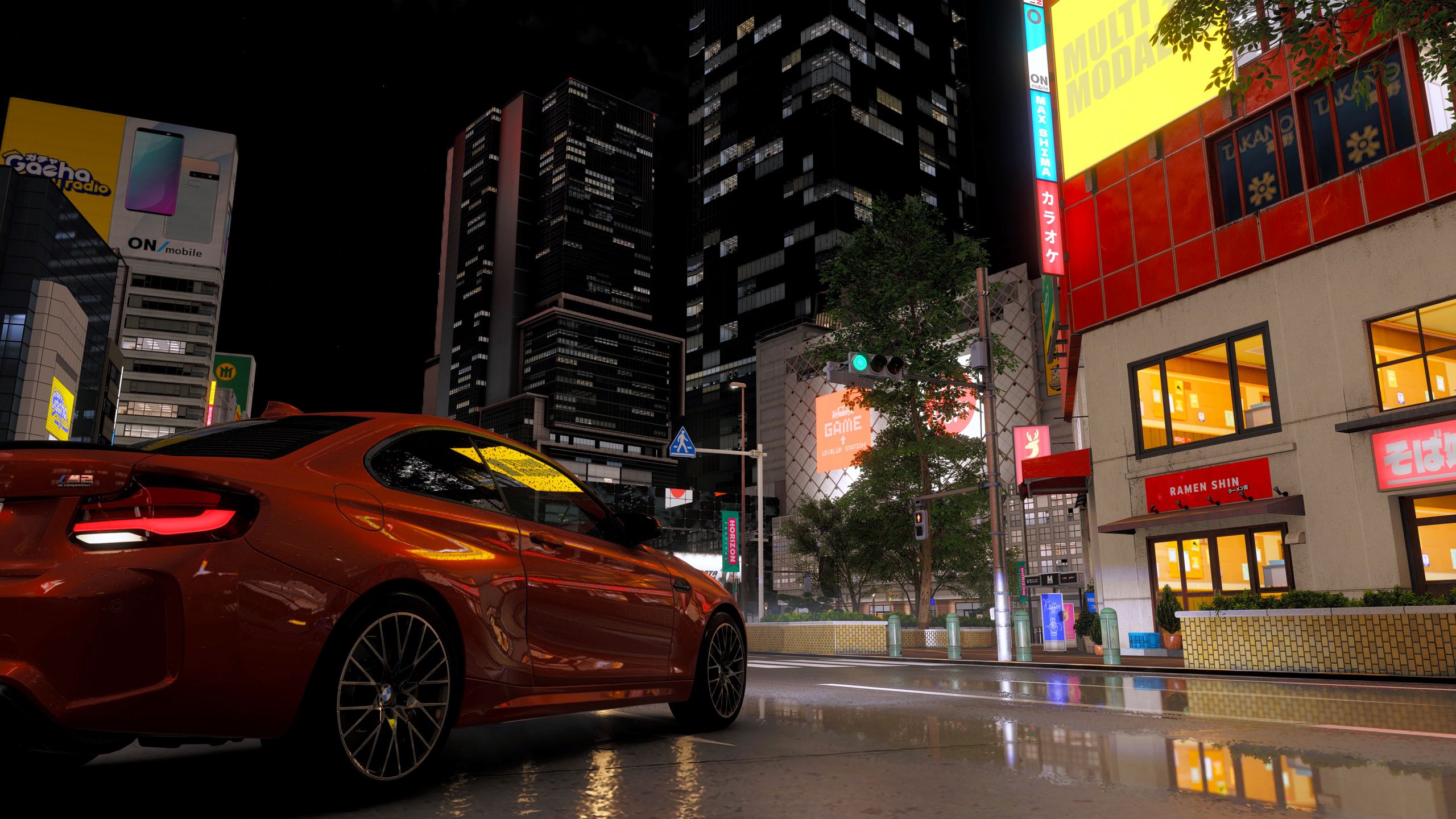
Instead, the implementation here feels underwhelming. Because the game world is vast and "open," you rarely get close enough to environmental assets to appreciate the sophisticated light-bouncing that RTGI provides. More concerning, however, is the visual degradation. In several test scenarios—most notably in architectural areas like building entrances—I observed that RTGI actually scrubbed out fine details on textures. Rather than enhancing the scene, the lighting model occasionally flattened it, creating a "washed out" look that felt inferior to the standard, albeit less physically accurate, lighting model.
Supporting Data: The Cost of Fidelity
To quantify the impact, I utilized an NVIDIA RTX 5090 running at 4K resolution with DLSS set to "Quality." The performance delta between the "Extreme" preset and the "Extreme + RT" preset is approximately 36%.
While a 36% frame rate drop is not necessarily a "dealbreaker" in an era where frame generation can recover lost frames, it is a significant tax to pay for a visual feature that arguably detracts from the image quality in certain lighting conditions.
| Setting Profile | Avg. Frame Rate (4K/DLSS Q) | Visual Impact |
|---|---|---|
| Extreme (No RT) | 100% (Baseline) | Crisp, fast, consistent |
| Extreme + RT | 64% | Improved reflections, flattened textures |
The ability to recover this performance hit via upscaling is present, but it raises the question: why should a user compromise their native image quality through upscaling to "afford" a ray tracing feature that makes the game look worse in specific lighting?
Official Perspectives and Industry Trends
While Xbox Game Studios has not issued a specific response regarding the RTGI concerns, the industry at large is currently grappling with the "ray tracing fatigue" phenomenon. Developers are increasingly pressured to include ray tracing as a feature-list requirement, often leading to implementations that serve as a check-box exercise rather than a meaningful visual upgrade.
The "Extreme" preset, which maximizes every setting except for reflection quality, proves that the current rasterization techniques used in Forza Horizon 6 are already at a point of diminishing returns. The leap to hardware-accelerated ray tracing in this specific engine does not provide the "next-gen" jump that players were promised when the technology was first introduced.
Implications for the Future of Racing Titles
The implications for the future of racing games are significant. If developers continue to prioritize the implementation of ray tracing over the refinement of traditional lighting models, they risk alienating players who value performance and visual clarity over marketing buzzwords.
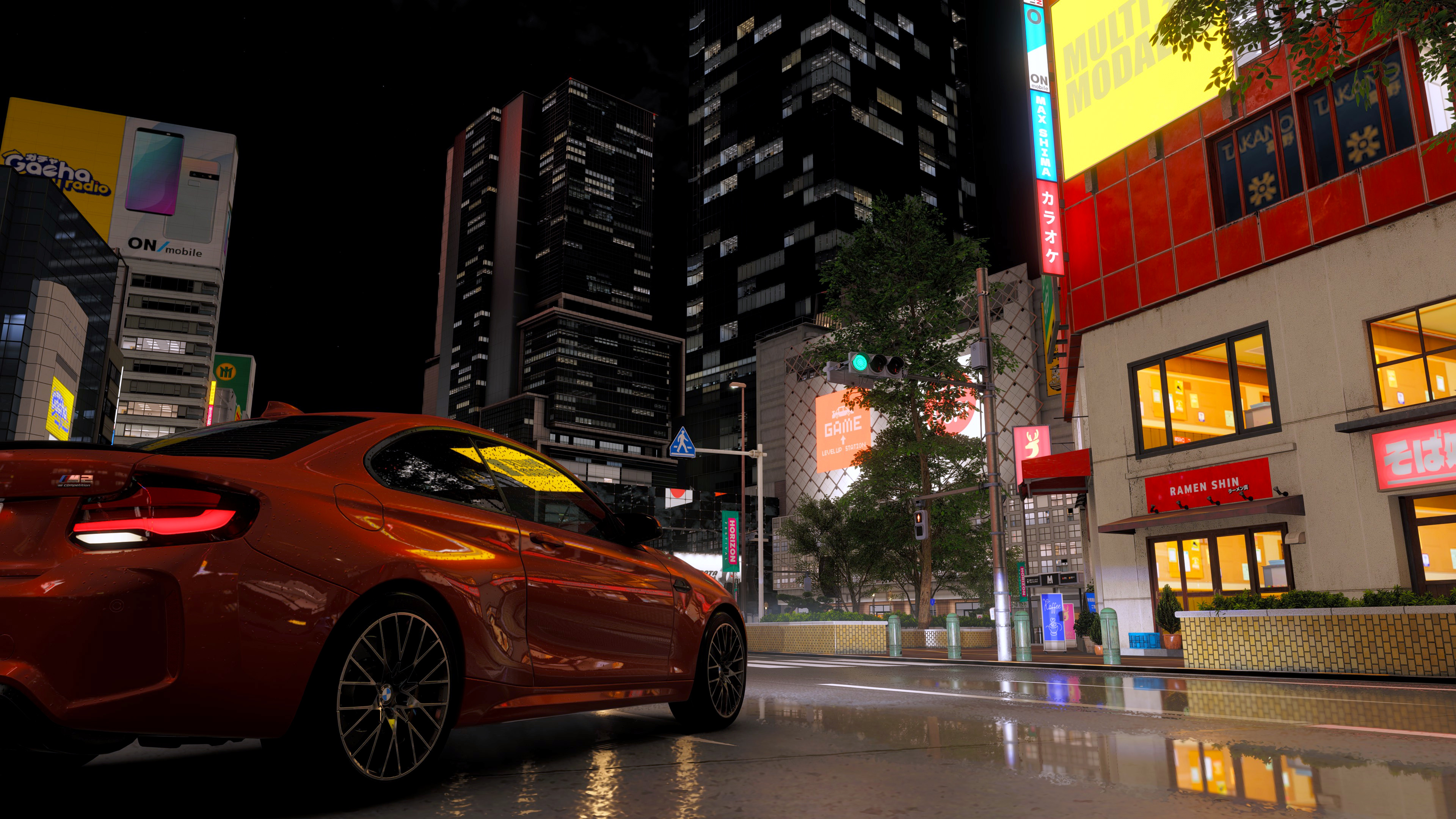
The takeaway for the player base is simple: Do not feel compelled to enable ray tracing.
My experience throughout my post-testing sessions has been purely one of enjoyment—with ray tracing disabled. The game runs cooler, smoother, and, in many instances, cleaner without the RT load. This is a rare instance where the "Ultra" or "Extreme" settings are not necessarily the best way to experience the game. It is a testament to the game’s core art direction that the base lighting is so robust that it does not require the heavy-handed intervention of ray tracing to impress.
Conclusion: Driving into the Horizon
As I wrap up my time with the game—currently preparing to test how a humble, dinky minivan handles the tight corners of Tokyo—I am struck by how much I don’t miss the ray tracing.
For the average player, Forza Horizon 6 is a masterpiece of automotive escapism. It provides an incredible sense of speed, a massive and diverse world, and an engine that respects your hardware. If you are a performance purist, leave the ray tracing off. Save the 36% of your GPU’s overhead for a higher internal resolution or a more stable frame rate. The game is beautiful enough as it is, and the thrill of the race, ultimately, is found in the rubber on the asphalt, not in the reflection of a neon sign on a wet sidewalk.
Now, if you’ll excuse me, I have a minivan to push to its absolute limits. Wish me luck—I have a feeling I’m about to catch some serious air.


 Asro
Asro
 Muslim