Laily UPN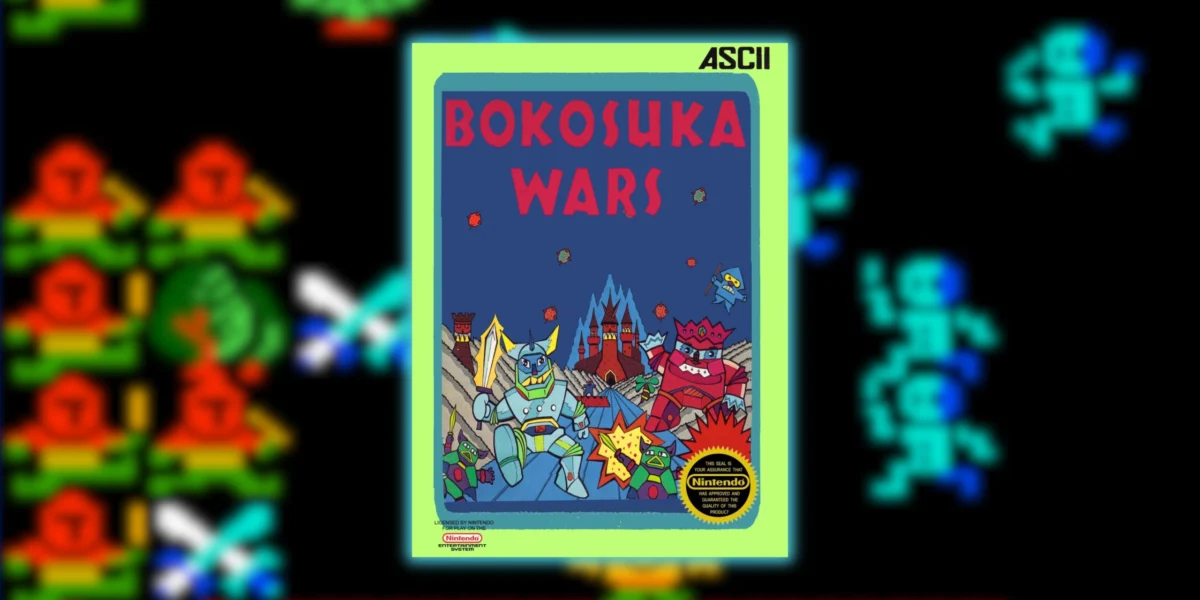
For decades, the cultural conversation surrounding the origins of the Japanese Role-Playing Game (JRPG) has been dominated by a select few titans. When enthusiasts discuss the genre’s genesis, the conversation inevitably drifts toward the 1986 release of Dragon Quest or the 1987 debut of Final Fantasy. These titles are frequently credited as the architects of the console RPG blueprint, establishing the turn-based combat, party management, and grand narrative stakes that would define the medium for forty years.
However, gaming history is rarely as linear as the mainstream narrative suggests. Buried beneath the layers of 8-bit nostalgia and industry mythology lies a true progenitor—a title that technically laid the groundwork for the genre before the "JRPG craze" even had a name. After an agonizing 41-year wait, that pioneer, Bokosuka Wars, has officially arrived on modern platforms, marking its first-ever release outside of Japan.
The Genesis of an 8-Bit Pioneer
The story of Bokosuka Wars begins not in the polished boardrooms of major publishers, but in the experimental landscape of early 1980s Japanese computing. Developed by Kōji Sumii and published by ASCII Entertainment, the game first appeared on the Sharp X-1 computer in 1983. At a time when home computing was in its infancy and the concept of a "role-playing game" on a console was virtually non-existent, Bokosuka Wars dared to combine elements of real-time strategy with the nascent RPG mechanics that would eventually captivate the world.
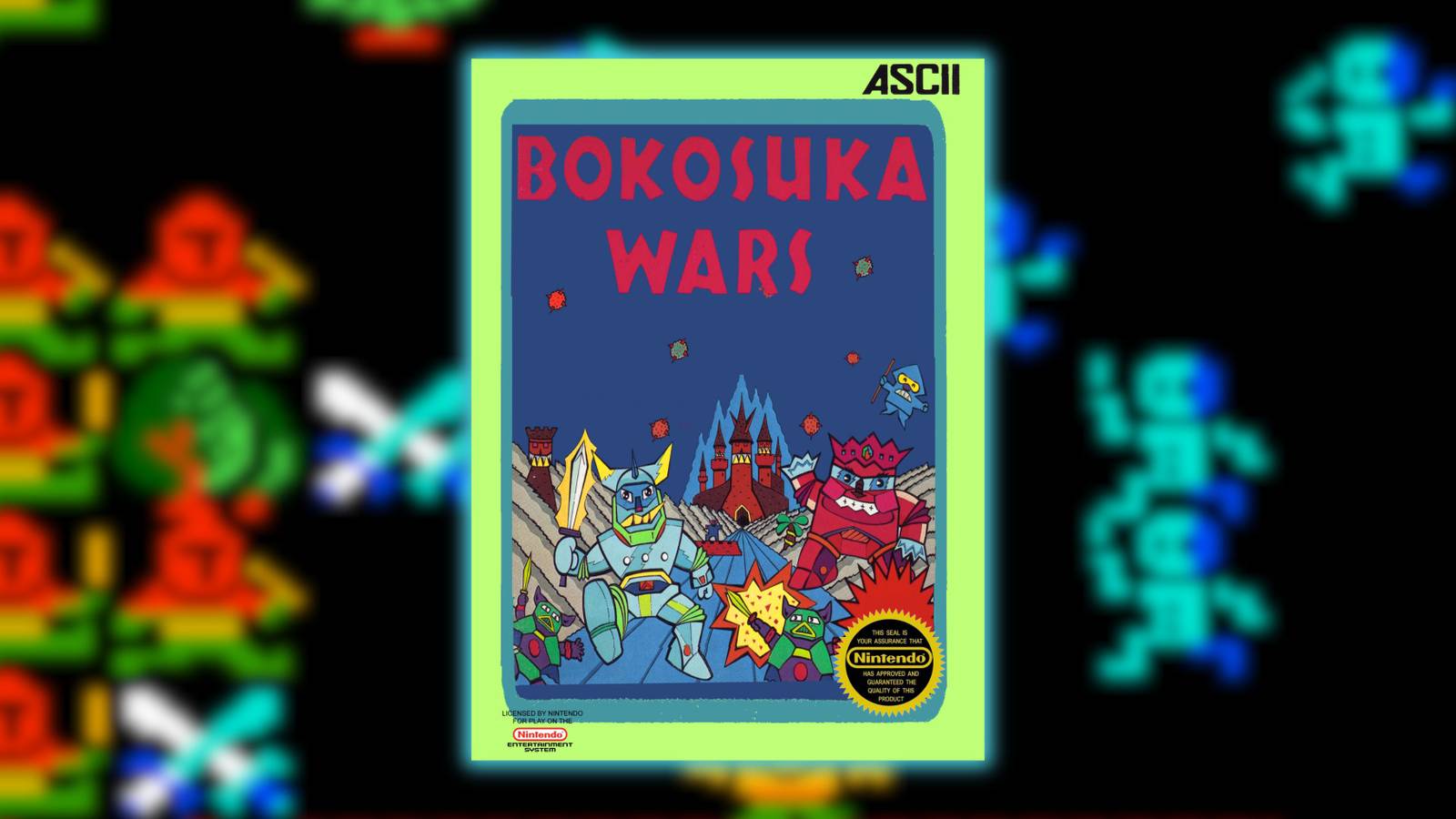
While the Sharp X-1 version established the game’s identity, it was the 1985 port to the Nintendo Famicom that brought the experience to a wider audience. For many Japanese players, this was their first brush with the complexities of managing a squad, navigating a grid-based battlefield, and dealing with the permanence of death in a digital environment. Despite its significance, the game remained a regional curiosity, receiving only a brief, limited re-release on the Nintendo Wii’s Virtual Console in 2008. For Western audiences, the game remained a phantom—a title discussed in academic retrospectives and obscure fan forums, but never playable.
Bringing History to the Modern Era
The monumental task of unearthing this relic fell to Hamster Corporation, a publisher renowned for its commitment to digital preservation. Through their efforts, Bokosuka Wars is now available on the PlayStation 5 and the Nintendo Switch 2. This release serves as more than just a nostalgic port; it acts as an essential historical document, allowing modern players to experience the "patient zero" of the console RPG era.
The game is priced at a modest $7.99, a symbolic entry fee for a piece of interactive history. Unlike modern "remasters" that strip away the visual identity of the original, this version remains faithful to the 1985 Famicom source code. It is a direct port, preserving the exact aesthetic and mechanical constraints of the original hardware.

Modern Quality-of-Life Improvements
Acknowledging that the gaming landscape has shifted dramatically since 1985, Hamster Corporation has integrated a suite of modern features to ensure the experience is accessible. Understanding that the brutal, unforgiving difficulty spikes typical of early 8-bit titles could alienate contemporary players, the developers have included several critical additions:
- Rewind Functionality: Perhaps the most significant inclusion, this allows players to undo split-second tactical errors, softening the blow of the game’s steep learning curve.
- Customizable Layouts: Players can remap controls to fit modern controller configurations, removing the friction of legacy input schemes.
- Visual Filters: Optional CRT shaders are included to replicate the look of a vintage television, providing the authentic, scanline-heavy aesthetic that many retro enthusiasts crave.
- Save States: The ability to save at any moment provides a necessary reprieve from the "game over" screens that defined the NES era.
Decoding the Gameplay: A Strategy-RPG Hybrid
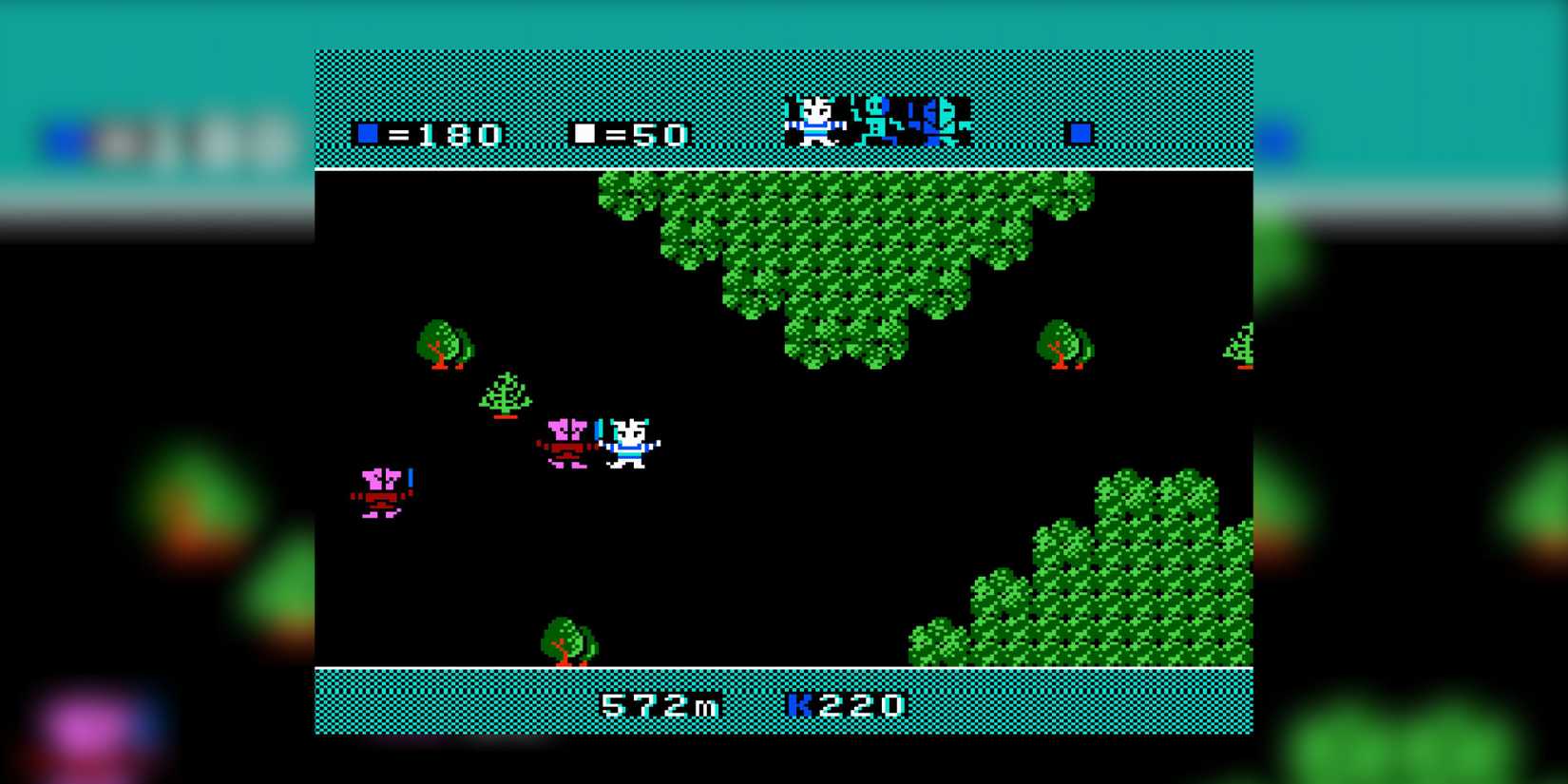
To understand Bokosuka Wars, one must set aside modern expectations of cinematic storytelling and vast open worlds. The game is a brutal, high-stakes march. Players control King Suren, a monarch tasked with traversing a hostile land to defeat a tyrant.
The core mechanics revolve around a unique, chaotic style of combat. As the King moves across the map, he must rescue his soldiers—many of whom have been transformed by the antagonist’s dark magic into trees and rocks. This core "rescue and command" loop forces the player to constantly balance the safety of their monarch with the need to build an army. If the King falls, the quest ends instantly. This tension between the fragile leader and the unpredictable, often suicidal AI of the soldiers creates a gameplay loop that is simultaneously frustrating and deeply rewarding. It is a precursor to the "Auto-Battler" genre, requiring as much strategic positioning as it does pure reflexes.
The Significance of Preservation
The release of Bokosuka Wars on current-generation hardware raises important questions about how we value gaming history. In an industry where titles are often lost to the ether of expired licenses, hardware failure, and regional exclusivity, the work of companies like Hamster is vital.
By making this game available on the PlayStation 5 and Switch 2, the publisher is doing more than selling a product; they are allowing the current generation of developers and players to analyze the building blocks of the genre. When a player engages with the mechanics of Bokosuka Wars, they are seeing the primitive, unrefined seeds that would eventually grow into the systems seen in Final Fantasy Tactics, Fire Emblem, and even the modern Souls genre’s focus on high-stakes, unforgiving encounters.
Implications for the Industry
The decision to exclude the older consoles—the PS4 and the original Switch—in favor of the new generation signals a shift in the digital storefront strategy. It suggests that while the game is ancient, the intent is to position it as a foundational "classic" for the platforms of the future.
Furthermore, the release highlights the growing demand for "archaeological gaming." As the medium matures, players are showing an increased interest in the origins of their favorite franchises. The success of this port could pave the way for other long-forgotten Japanese classics to finally reach Western shores, ending the era of "Import Only" gaming that once defined the hobby.
A Final Verdict for the Modern Gamer
Is Bokosuka Wars for everyone? From a purely mechanical standpoint, it is a demanding, dated, and often harsh experience. It does not hold the player’s hand, and it offers little in the way of narrative exposition. However, for those with an appreciation for the history of the medium, it is a mandatory experience.
It is a reminder that the JRPG genre was not born in a vacuum. It was born from experiments, from the limitations of early hardware, and from the creative ambition of developers like Kōji Sumii who sought to tell stories on screens that could only display a handful of colors.
As we look toward the future of high-fidelity, photorealistic gaming, Bokosuka Wars stands as a humble, 8-bit monolith—a testament to the fact that, regardless of how far the technology advances, the thrill of leading an army against impossible odds remains the beating heart of the role-playing experience. Whether you are a historian of the medium or a player looking for a challenge that predates the modern era, Bokosuka Wars is finally ready for its global debut. It has waited 41 years; it is time we gave it the attention it deserves.


 Asro
Asro
 Muslim