For decades, the literary world has viewed John Kennedy Toole’s A Confederacy of Dunces as an "unfilmable" titan of American fiction. A Pulitzer Prize-winning picaresque novel that serves as both a scathing satire and a love letter to 1960s New Orleans, it has long been defined by its tragic history—most notably the author’s inability to see his work published during his lifetime. However, as of September 29, 2026, the legendary misadventures of Ignatius J. Reilly are finding a new, vibrant life.
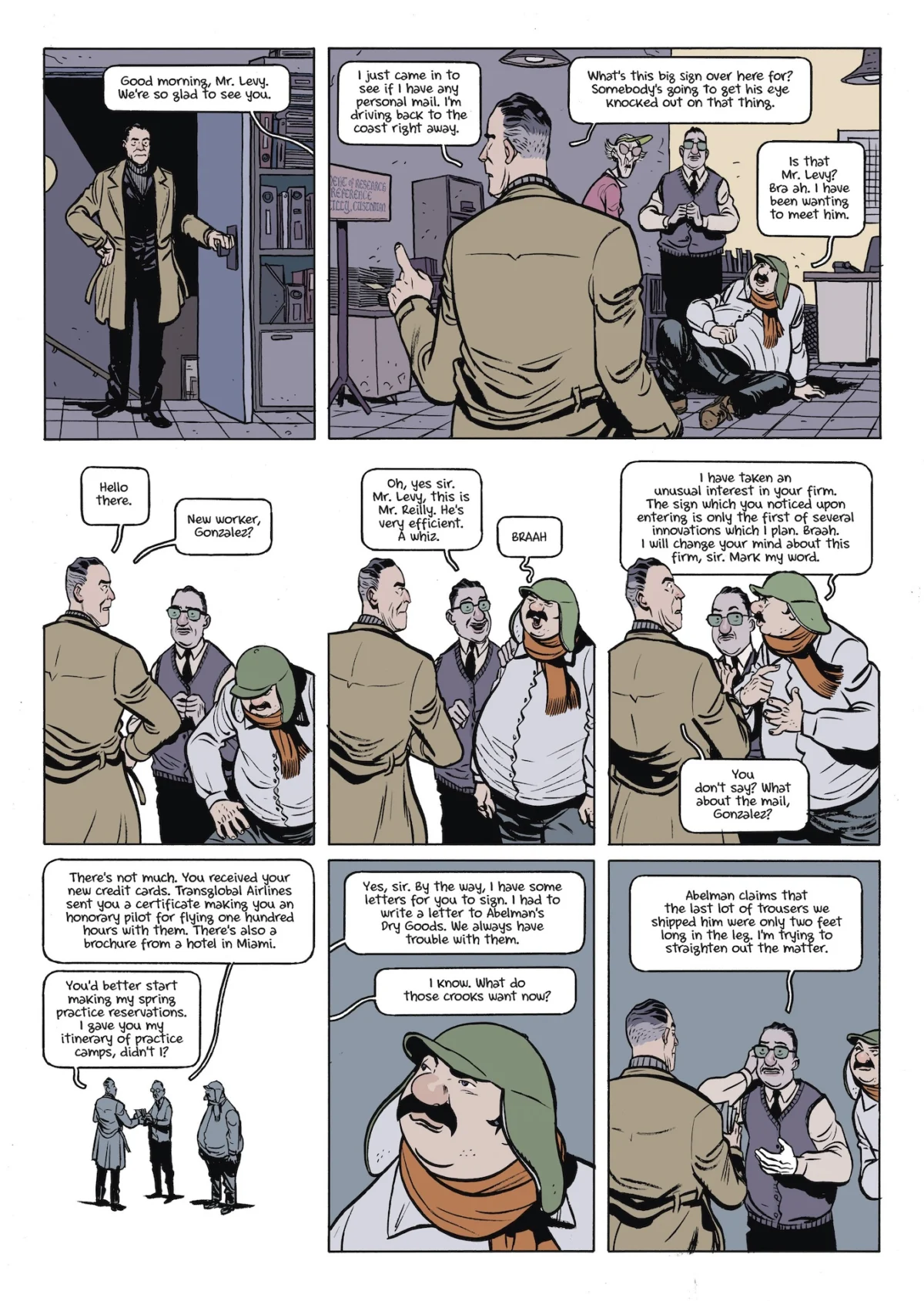
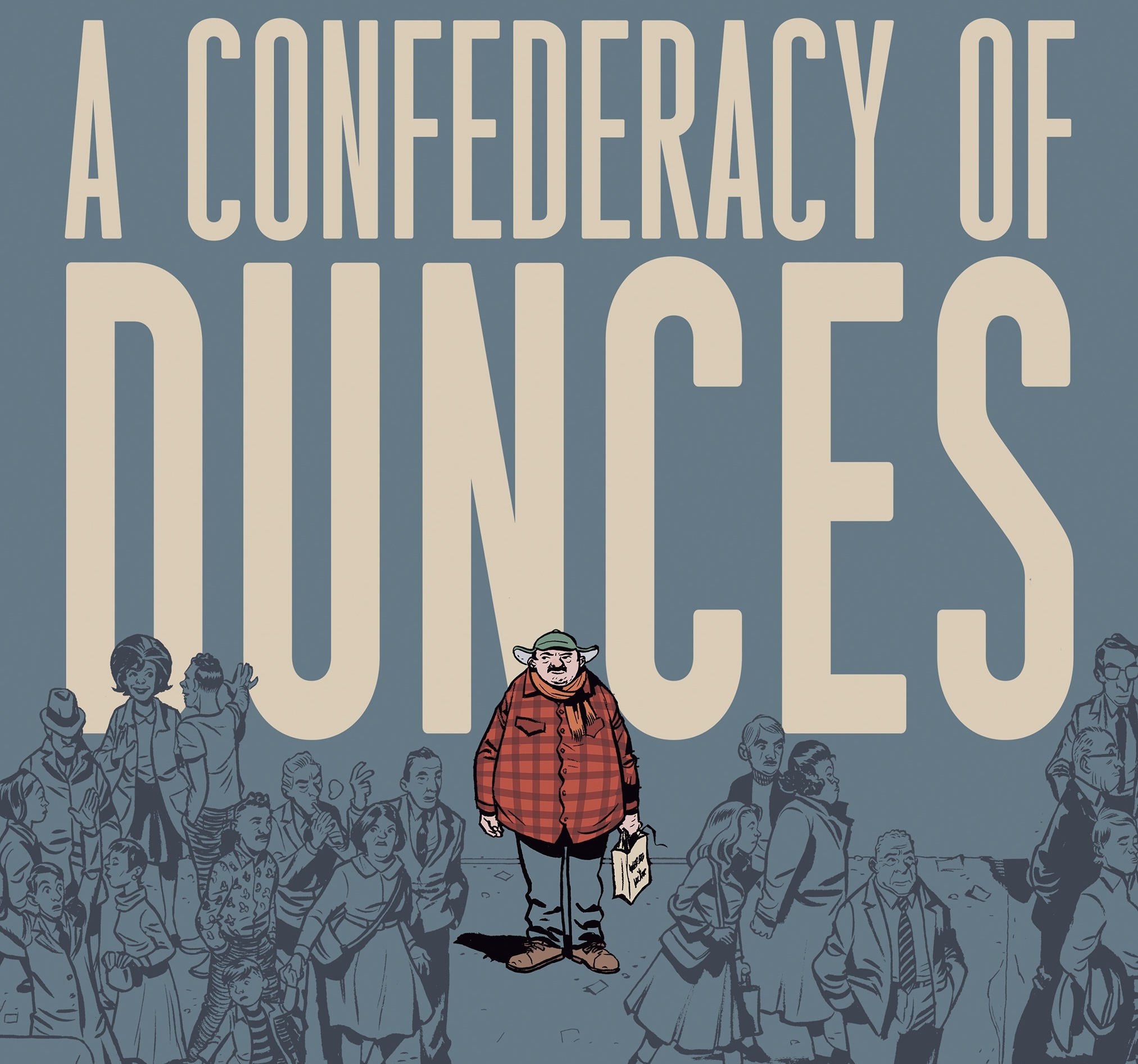
BOOM! Studios has officially announced the release of the long-awaited hardcover graphic novel adaptation, illustrated and written by Albert Monteys. This ambitious project marks the first time the seminal work has been translated into the medium of sequential art, promising to bring the humid, chaotic, and eccentric streets of the French Quarter to life in a way that captures the grotesque brilliance of Toole’s original prose.

The Main Facts: A New Chapter for a Southern Classic
The adaptation of A Confederacy of Dunces is more than just a standard graphic novel release; it is a cultural event. Under the banner of BOOM! Studios, creator Albert Monteys has taken on the Herculean task of condensing the dense, wordy, and character-heavy narrative into a visual format.
The hardcover edition, set for release on September 29, 2026, aims to bridge the gap between the high-brow literary world and the modern graphic novel market. By focusing on the visual texture of 1960s New Orleans—the soot, the hot dog carts, the crumbling balconies, and the eccentric cast of characters—the adaptation provides a tactile sense of place that complements Toole’s famously descriptive writing. The core of the narrative remains unchanged: the story follows Ignatius J. Reilly, a self-styled medievalist, philosopher, and misanthrope, as he navigates a world he deems beneath his intellect, ultimately stumbling into a series of disastrous employment attempts that bring him into contact with the colorful denizens of the Big Easy.
A Chronology of a Literary Odyssey
To understand the weight of this adaptation, one must look at the history of the source material. The journey of A Confederacy of Dunces is one of the most famous sagas in publishing history.
- 1963: John Kennedy Toole completes the manuscript for A Confederacy of Dunces. Despite his best efforts, the book is rejected by major publishers, leading to the author’s profound depression and eventual suicide in 1969.
- 1976: Toole’s mother, Thelma Toole, discovers the carbon copy of the manuscript and persists in finding a publisher, eventually bringing it to the attention of novelist Walker Percy.
- 1980: LSU Press publishes the novel. It becomes an immediate critical success, earning the Pulitzer Prize for Fiction in 1981.
- 1980s–2020s: The novel gains a cult following, with numerous attempts to adapt the work into a film—all of which fall through, leading to the "cursed" reputation of the project in Hollywood.
- 2026: BOOM! Studios, having secured the rights, commissions Albert Monteys to translate the work into a graphic novel format, finally breaking the cycle of failed adaptations.
Supporting Data: Why Now?
The decision to adapt a literary classic into a graphic novel is a strategic move that reflects current market trends. According to recent data from the publishing industry, "literary graphic novels" have seen a 15% year-over-year increase in sales among demographics aged 25–45. By reimagining A Confederacy of Dunces, BOOM! Studios is tapping into a demographic that values prestige literature but prefers visual storytelling.

Furthermore, the choice of Albert Monteys as the sole writer and artist ensures a singular creative vision. Monteys, known for his ability to handle dark comedy and complex character dynamics, has been tasked with translating the internal monologues of Ignatius—which occupy a significant portion of the original book—into visual beats. This reduces the "wall of text" that often plagues literary adaptations, instead relying on facial expressions, body language, and environmental storytelling to convey the character’s disdain for the modern world.
Official Responses and Creative Direction
In a statement released alongside the preview, the team at BOOM! Studios emphasized the challenge of balancing fidelity with artistic innovation.

"The goal was never to replace the book, but to offer an accompaniment that invites new readers to experience the sheer audacity of Ignatius J. Reilly," a representative from the publisher noted. "Albert Monteys has managed to capture the ‘smell’ of the French Quarter on paper. You can see the grime, the heat, and the sheer eccentricity of the 1960s in every panel."
Albert Monteys added in a separate interview: "Ignatius is a difficult character to draw because he is fundamentally repulsive yet strangely magnetic. My approach was to lean into the caricature. The world around him is absurd, so his presence within it must feel both grounding and entirely disruptive. We wanted the colors to feel like a humid New Orleans afternoon—saturated, slightly suffocating, and undeniably alive."

Implications for the Publishing Industry
The publication of this graphic novel carries significant implications for how we treat "canonical" works in the 21st century. If the Confederacy adaptation proves successful, it will likely trigger a surge in similar projects, where publishers look to the backlists of classic literature to revitalize stagnant intellectual property.
However, the success of this project also serves as a litmus test for the medium of the graphic novel. Historically, graphic novels were often seen as either superhero-adjacent or strictly non-fiction memoir. By tackling a dense, satirical, and highly linguistic novel like Toole’s, the industry is testing the boundaries of what the medium can achieve.

Furthermore, for the literary community, this adaptation offers a path toward cultural preservation. As the original 1980 printing of the book continues to age, bringing the story into the contemporary graphic novel space ensures that the legacy of John Kennedy Toole is not relegated to dusty library shelves. It brings the humor and the tragedy of Ignatius J. Reilly to a digital-first, visually-oriented generation that may not have picked up the dense paperback otherwise.
Conclusion: A New Era for Ignatius
As we look toward the September 29, 2026, release, the anticipation is palpable. Whether one is a lifelong fan of the New Orleans-based saga or a newcomer drawn to the promise of a visually stunning adaptation, A Confederacy of Dunces in graphic novel form represents a triumph of adaptation.

By stripping away the "cursed" history of the work and focusing on the raw, human, and hilarious elements of the narrative, BOOM! Studios and Albert Monteys have achieved what many thought impossible: they have given Ignatius J. Reilly a new stage. In doing so, they have not only honored the legacy of a troubled genius but have also solidified the graphic novel as a legitimate and powerful tool for literary reinterpretation. The hot dog cart is ready, the valve is set, and the streets of the French Quarter are waiting once more.