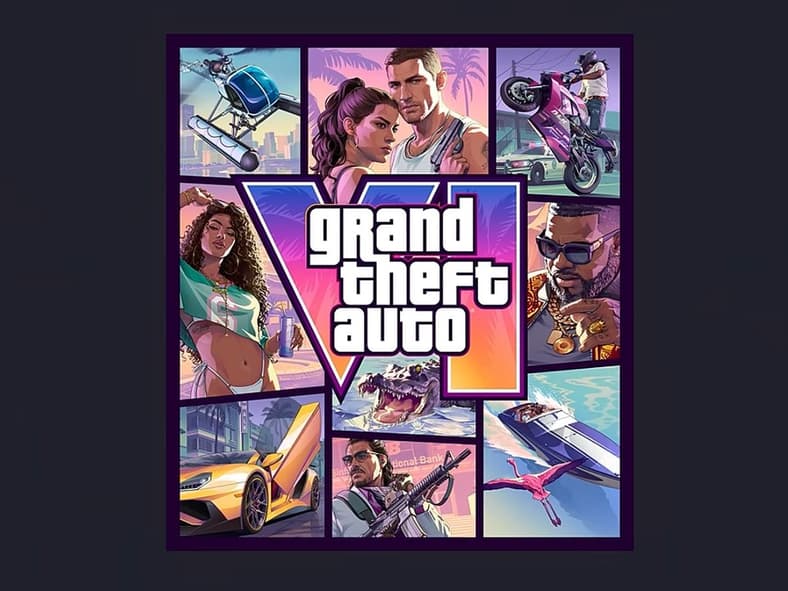
The anticipation surrounding the release of Rockstar Games’ Grand Theft Auto 6 has reached a fever pitch. As the November 19 launch date approaches, the industry is bracing for what is widely expected to be the largest entertainment release in history. However, beneath the excitement lies a brewing controversy regarding market dominance, spurred by unofficial data that has prompted a swift and defensive response from Microsoft.
At the center of the storm is a statistical claim suggesting a significant disparity in pre-order volume between the PlayStation 5 and Xbox Series X|S versions of the game. Microsoft, eager to protect the narrative surrounding its platform’s performance, has urged consumers and industry observers to dismiss these figures as "click-driven" inaccuracies, setting the stage for a broader debate about transparency in the modern gaming landscape.
The Genesis of the Discrepancy: A Tale of Two Platforms
The current controversy ignited last week when gaming media outlet IGN published data derived from their internal affiliate commerce program. According to the report, pre-orders for the PlayStation 5 version of Grand Theft Auto 6 were outperforming the Xbox Series X|S edition by a staggering margin of eight-to-one.
The publication noted on social media platform X: "Through IGN Finds and [our] commerce affiliate linking program, the data is showing that PlayStation is outperforming Xbox by a rate of 8-to-1."
While the headline-grabbing statistic spread rapidly across social media—fanning the flames of "console war" rhetoric—industry experts were quick to point out the inherent limitations of the data. The figures did not represent total market sales, nor did they reflect data from major retailers like Amazon, Walmart, or the digital storefronts of the PlayStation Network and the Xbox Store. Instead, the numbers were a snapshot of consumer behavior limited exclusively to users who clicked through IGN’s specific referral links.

Despite the narrow scope of the data, the implication that Xbox was lagging behind by such a massive margin prompted immediate backlash from the gaming community, forcing Microsoft to step into the fray.
Official Response: Xbox Demands Accuracy
In a statement provided to Windows Central, a spokesperson for Xbox categorically rejected the validity of the IGN data as a metric for success. "This doesn’t represent pre-order data," the spokesperson stated. "We’ve had record orders. People should wait for real data and not clicks on affiliate links."
By labeling the report as "clicks on affiliate links" rather than a reflection of consumer demand, Microsoft is attempting to reclaim the narrative. The company’s insistence that it has seen "record orders" is a strategic move to signal strength to shareholders and fans alike, even as the company refuses to provide the raw numbers to back up these claims.
This standoff highlights a recurring tension in the industry: the clash between media-driven analytics and the proprietary, often opaque, data held by console manufacturers.
Chronology: The Road to the Pre-order Crisis
To understand the current climate, one must look at the timeline of events leading up to this point:

- December 2023: Rockstar Games releases the first official trailer for Grand Theft Auto 6, confirming a 2025 release window and setting the internet ablaze.
- Early 2024: Take-Two Interactive (Rockstar’s parent company) begins managing expectations, with reports suggesting a late 2025 or early 2026 launch.
- Late 2024: The November 19, 2025, release date is officially cemented.
- Last Week: Official pre-orders go live globally. Retailers experience record traffic, causing some server instability.
- Mid-Week: IGN releases its affiliate data, suggesting an 8:1 preference for PlayStation over Xbox.
- Present Day: Microsoft issues a formal rebuttal, challenging the legitimacy of the affiliate-based metrics and emphasizing its own "record-breaking" internal performance.
The Console Market: An Uneven Playing Field
The anxiety surrounding Xbox’s performance is not occurring in a vacuum. Since the launch of the current generation of consoles, Sony’s PlayStation 5 has consistently maintained a lead in hardware sales and market share. Industry analysts—including those from Circana and Ampere Analysis—have noted that the PS5’s momentum has been difficult for Microsoft to counter.
There are several structural reasons for this perceived gap:
- Brand Loyalty: PlayStation has historically dominated international markets, particularly in Europe and Asia, where Xbox has traditionally struggled to gain a foothold.
- Exclusivity Strategy: While Xbox has leaned heavily into the Game Pass subscription model, PlayStation has continued to rely on high-profile, exclusive "system-seller" titles.
- Hardware Perception: For many casual gamers, the PlayStation brand is synonymous with "the" place to play the biggest third-party titles like Grand Theft Auto.
Because of these factors, the idea that a blockbuster title would sell more on PlayStation than on Xbox is not inherently shocking to industry veterans. However, the specific "8-to-1" ratio cited by the affiliate data represents a disparity so wide that it challenges the reality of the current console install base.
The Irony of Data Transparency
The conflict has also shed light on a fascinating paradox: Microsoft, the company now calling for "real data," is the same entity that pioneered the move away from reporting hardware unit sales.
Years ago, Microsoft stopped reporting how many Xbox consoles it sells every quarter. Instead, the company pivoted to "monthly active users" (MAU) and "engagement hours." This shift was designed to emphasize the success of the Game Pass ecosystem over the old-fashioned "console war" metric of unit sales.
Critics argue that it is somewhat hypocritical for Microsoft to demand transparency regarding GTA 6 pre-order numbers when the company itself has spent the last half-decade obfuscating its own sales performance. By shifting the goalposts toward "engagement," Microsoft successfully shielded itself from the scrutiny of lower hardware sales—until a high-profile, non-subscription title like GTA 6 arrived to force the conversation back to unit sales.
Implications for the Future of Gaming Retail
The current controversy is more than just a squabble over numbers; it reflects a fundamental shift in how games are marketed and measured.
The Rise of Affiliate-Driven Narratives
The reliance on affiliate data as a proxy for market trends is a dangerous precedent. When gaming outlets use commerce data to create news, it conflates "what our readers are clicking on" with "what the general public is buying." This creates an echo chamber where the habits of a specific demographic—in this case, readers of a particular gaming website—are presented as representative of the entire market.
The Power of Rockstar Games
Grand Theft Auto 6 is arguably the only title in the industry with the power to act as a bellwether for the entire console market. Because the game is a multi-platform release that transcends the usual boundaries of "gamer" demographics, its sales performance will be the definitive measure of which console is truly the preferred home for "prestige" gaming in 2025.
The Verdict: Waiting for the Real Numbers
Until Rockstar Games or Take-Two Interactive releases an official breakdown of sales by platform, the 8-to-1 narrative remains purely anecdotal. While it is likely that the PlayStation 5 will see higher total sales for GTA 6 given its current lead in the market, the degree of that lead is a matter of intense speculation.

For now, consumers are left in a "he-said, she-said" environment. Microsoft has planted its flag, asserting that its internal metrics show a healthy and robust demand for the Xbox version of the game. Whether this is a defensive PR posture to maintain investor confidence or an accurate reflection of a shifting market share remains to be seen.
As November 19 approaches, the industry waits. When the dust finally settles on the launch of Grand Theft Auto 6, the numbers will finally speak for themselves. Until then, the battle for Vice City is being fought not just on the digital streets of the game, but in the halls of corporate PR and the comment sections of the internet. One thing is certain: in the world of modern gaming, data is the most valuable currency, and everyone is trying to control the narrative.