

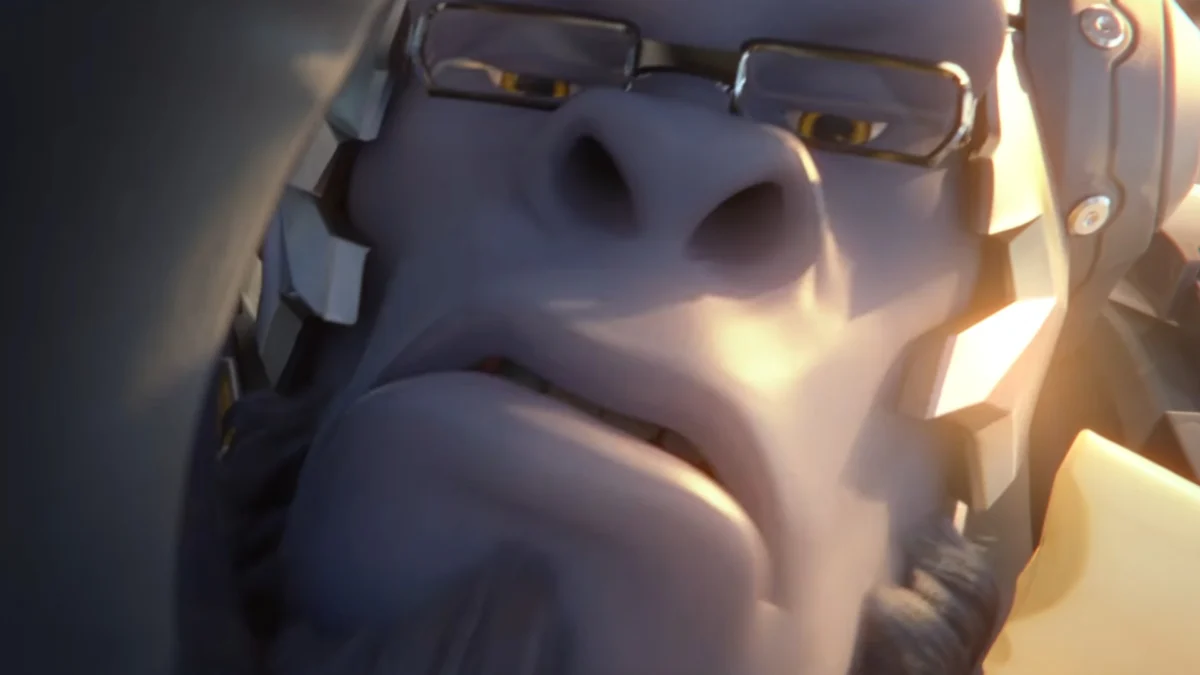
The landscape of Overwatch is shifting. In a significant move aimed at shaping the next decade of Blizzard Entertainment’s celebrated hero shooter, the studio has officially appointed industry veteran Justin Richmond as the new Franchise Creative Director. Richmond, best known for his narrative-driven work on Uncharted 3: Drake’s Deception and his role as a co-creator of the critically acclaimed Netflix animated series The Dragon Prince, steps into the role at a pivotal moment for the franchise.
His arrival has not only signaled a fresh creative direction for the game but has also reignited long-standing fervor within the community regarding the potential for a full-scale Overwatch television adaptation.
The Architect of New Worlds: Who is Justin Richmond?
Justin Richmond is a name synonymous with high-stakes, cinematic storytelling. His career path reflects a deep understanding of how to blend engaging gameplay with expansive, character-driven narratives—a skill set that appears tailor-made for the evolving needs of the Overwatch universe.
Before joining Blizzard, Richmond served as a game director at Naughty Dog, where he co-directed Uncharted 3, a title lauded for its cinematic pacing and technical ambition. Following his tenure in AAA game development, he transitioned into the world of animation, co-creating The Dragon Prince for Netflix. The series, which spanned seven successful seasons and earned an Emmy Award, proved that Richmond understands the nuances of long-form, transmedia storytelling.
In a recent LinkedIn post, Richmond expressed his long-standing personal connection to the Overwatch universe, recalling his experience at the very first BlizzCon where the game was unveiled. "I instantly fell in love with the world and the game," Richmond wrote. "I looped through the line over and over to play the demo as many times as possible, constantly getting my ass kicked trying to learn Tracer."
He added, "I can’t wait to contribute to the next era of Overwatch! This is a huge year for both Blizzard and the game, and I’m thrilled to be on board for the ride."
A Decade of Development: The Chronology of Overwatch’s Expansion
The Overwatch franchise has evolved significantly since its 2016 launch. Initially designed as a pure multiplayer experience, the game relied on short, high-fidelity animated "shorts" to build a complex, multi-layered world. These vignettes introduced fans to the tragic history of Genji and Hanzo, the mechanical brilliance of Torbjörn, and the cosmic stakes surrounding the omnic crisis.
- 2016: Overwatch debuts, accompanied by a series of Pixar-quality animated shorts that immediately establish a cult-like following for the game’s lore.
- 2019: Blizzard announces Overwatch 2, promising a heavy emphasis on PvE (Player vs. Environment) content and expanded storytelling.
- 2020–2022: Rumors swirl regarding a potential collaboration between Blizzard and Netflix to produce animated adaptations of their flagship IPs, including Overwatch, Diablo, and StarCraft. These projects were reportedly in development before a legal dispute between Activision Blizzard and the streaming giant cooled the relationship.
- 2024: A formal job posting for a "Franchise Creative Director" surfaces, explicitly mentioning the need for a leader to manage "cinematics, publishing, and transmedia."
- 2025: Justin Richmond is officially appointed to the role, signaling that the "transmedia" focus of the job listing is now a core strategic priority.
Transmedia Ambitions: The "Cinematics and Publishing" Strategy
The job listing that preceded Richmond’s hiring provided a rare glimpse into Blizzard’s long-term roadmap. By explicitly tasking the incoming Creative Director with overseeing "cinematics, publishing, and transmedia," Blizzard signaled that it is moving beyond the game client as its primary narrative vessel.
For the Overwatch community, "transmedia" is the magic word. It implies a coordinated effort to expand the brand across different mediums—books, comics, and, most importantly, screen media. Given Richmond’s background in both blockbuster gaming and award-winning television animation, the synergy is hard to ignore.
Unlike previous attempts at such expansions, the current leadership appears to be taking a more structured approach to world-building. By hiring a dedicated creative lead, Blizzard is shifting from the "ad-hoc" release of occasional shorts to a more cohesive, managed narrative strategy.
Official Responses and Industry Context
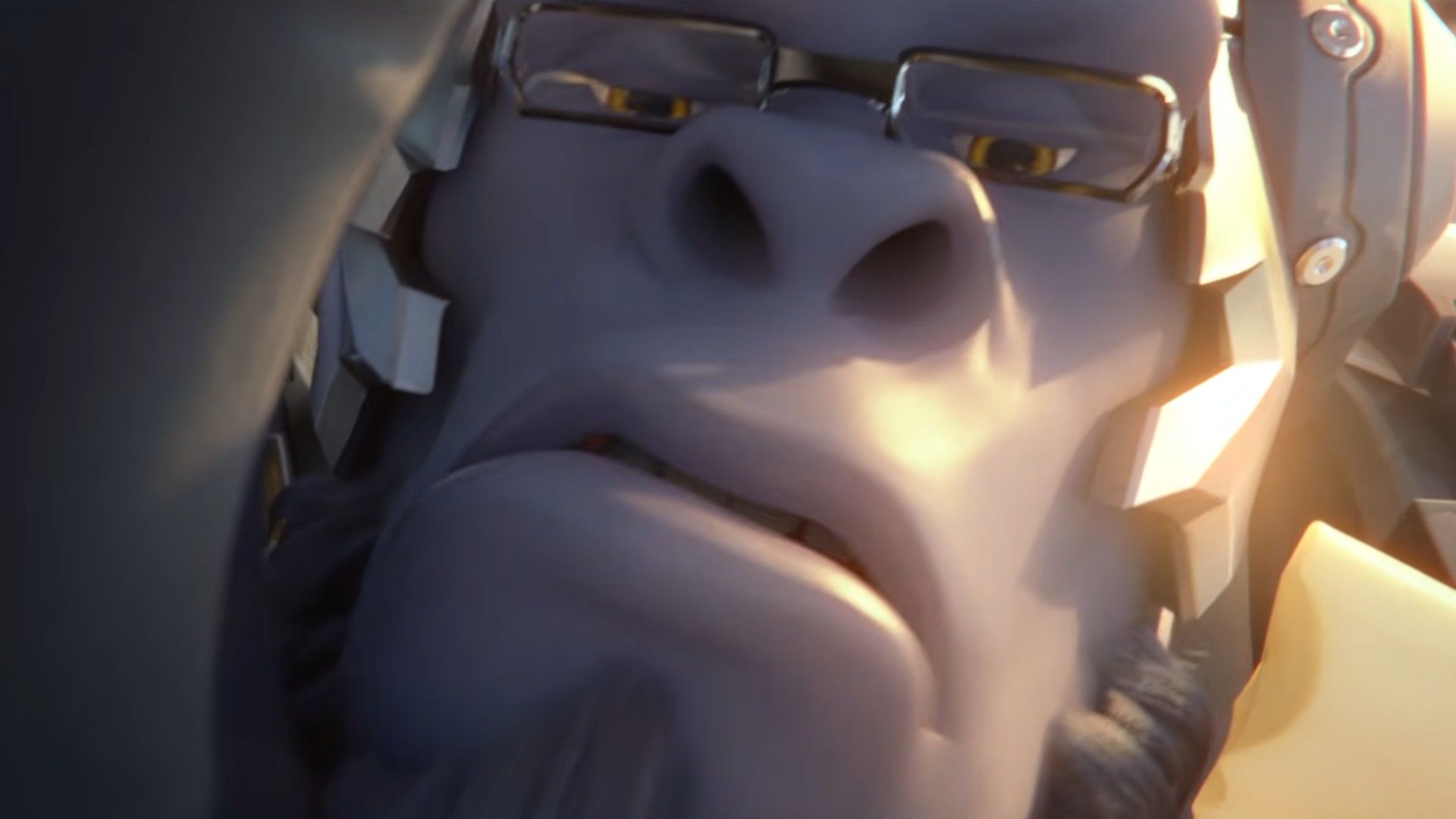
The executive leadership at Blizzard has been increasingly open to addressing the "elephant in the room": the fans’ relentless demand for an animated series. General Manager Walter Kong recently spoke with IGN regarding the future of the franchise, acknowledging the fan base’s frustration with the lack of a dedicated show.
"Every time we release assets, whether it’s a hero trailer or an event piece, there are all of these comments about, ‘Hey, we would love an Overwatch animated series. Blizzard, what the hell? When’s that happening?’" Kong noted. He explicitly stated that he would not rule out the possibility of an animated series, confirming that the studio is keenly aware of the demand.
This admission, combined with the hiring of a veteran animator and storyteller, suggests that the barriers to such a project—whether they were legal, financial, or creative—are being systematically dismantled.
The Implications: What This Means for the Future of Overwatch
The appointment of Justin Richmond serves as a catalyst for several key developments:
1. Unified Narrative Vision
For years, Overwatch lore has been somewhat fragmented, released via disparate comics, blog posts, and cinematics. Richmond’s role as "Franchise Creative Director" suggests a move toward a unified "Bible" for the franchise, ensuring that the characters and the world remain consistent across all future media.
2. The Rise of the Transmedia Franchise
With the success of Arcane (Riot Games/League of Legends) and Cyberpunk: Edgerunners (CD Projekt Red), the bar for video game adaptations has been raised significantly. Blizzard, a company that has historically been protective of its intellectual property, is now clearly aiming to compete in this arena. Hiring a creative who has already navigated the high-stakes world of Netflix animation is a direct play to bring Overwatch to the streaming screen.
3. Sustaining Player Engagement
As the game reaches its 10th anniversary, the challenge for Blizzard is to keep the player base invested. While loot boxes and competitive seasons provide short-term engagement, deep, character-driven storytelling through television or film creates long-term brand loyalty. Richmond’s mandate to roadmap the next decade suggests that Blizzard views Overwatch not just as a game, but as a permanent fixture in the pop-culture landscape.
4. A New Era for BlizzCon
Richmond’s invitation to the community to see him at "this year’s BlizzCon" indicates that he is ready to step into the spotlight. It is highly probable that fans will see an unveiling of a broader creative roadmap at the event, potentially offering a glimpse into the future of the franchise’s storytelling efforts.
Conclusion
Justin Richmond’s appointment is more than a mere management change; it is a declaration of intent. By bringing in a veteran who understands both the interactive nature of gaming and the emotional beats of long-form animation, Blizzard is positioning Overwatch for a massive expansion.
While the community remains cautious—having been burned by previous canceled projects and stalled lore developments—the signs are more promising than they have been in years. As we look toward the upcoming BlizzCon, the question is no longer if Overwatch will expand into new media, but how and when the world of Tracer, Winston, and Reaper will make its transition to the screen. For a franchise that has thrived on its stunning visuals and character charisma, this next chapter could be its most defining yet.











No comments yet. Be the first to join the conversation!