

By Editorial Staff
July 13, 2026
In an industry currently grappling with the rapid evolution of content consumption and the changing guard of Hollywood’s creative vanguard, few figures remain as pivotal—or as polarizing—as Tom Cruise. Known for decades as the iron-willed guardian of the theatrical experience, the actor is now embarking on a career pivot that has stunned even his most seasoned observers.
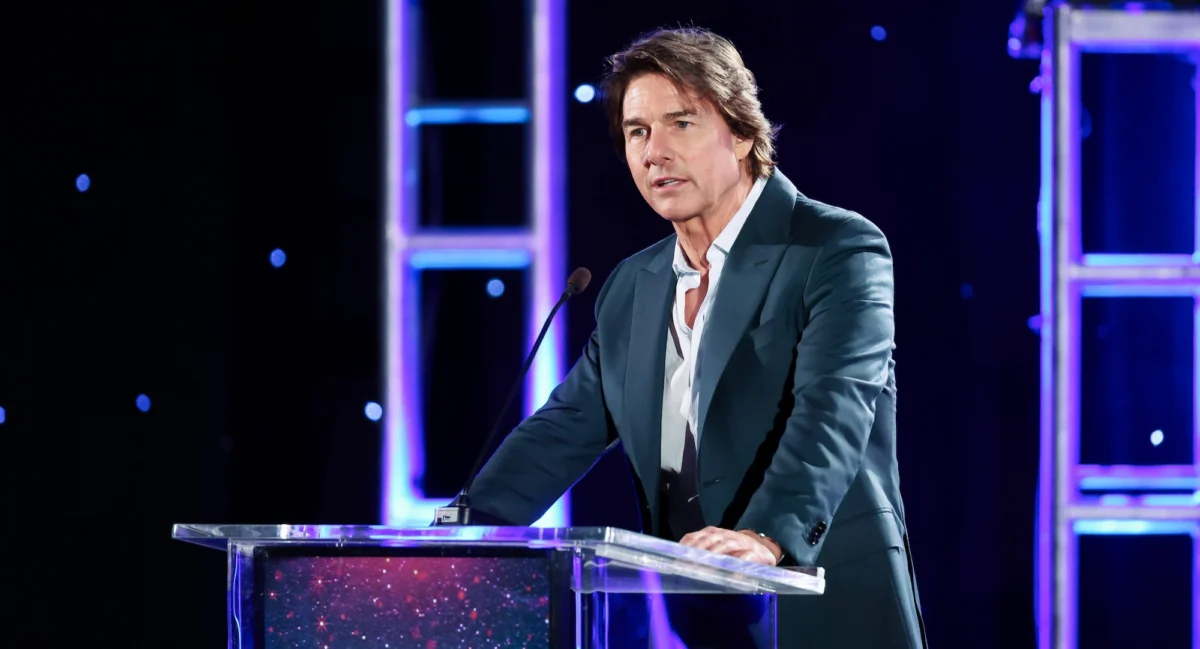
At a recent exclusive event on the Warner Bros. lot in Burbank, Cruise debuted the trailer for Digger, his upcoming collaboration with four-time Academy Award-winning director Alejandro G. Iñárritu. The film marks a stark departure from the high-octane Mission: Impossible franchise that has defined his recent legacy. Yet, amidst the excitement for his new role as the grotesque, bombastic industrialist Digger Rockwell, Cruise took a moment to address a shifting landscape: the rise of Gen-Z filmmakers and YouTube-native creators making the leap to the silver screen.
The Main Facts: Digger and the Shift in Cruise’s Trajectory
For over a decade, Tom Cruise has occupied a unique space in cinema, serving as both a leading man and a producer whose obsession with practical stunts and theatrical immersion kept the traditional blockbuster model afloat. With Digger, however, Cruise is trading his usual heroic archetypes for a darker, more satirical performance.
The film, which is slated for an October 2, 2026, release, is described as a high-concept satire that blends the cold, clinical madness of Stanley Kubrick’s Dr. Strangelove with the biting environmental commentary of Bong Joon-ho’s Okja. In the trailer, audiences see a unrecognizable, prosthetically enhanced Cruise—a departure from his typically polished screen persona—portraying an industrialist who pushes the world toward environmental catastrophe while simultaneously styling himself as its savior.
Iñárritu, speaking via a pre-taped address from London, noted that the project is the culmination of an archetype he has been developing since the production of The Revenant. When asked why he sought out Cruise for a role defined by its absurdity and danger, the director was blunt: "To me, that’s like asking somebody why you drink water when you are thirsty? Because it’s what you need. The film needed Tom."
Chronology: From Stunts to Satire
The path to Digger has been one of slow, deliberate evolution. For years, Cruise’s filmography was dictated by the physics-defying demands of the Mission: Impossible series. However, behind the scenes, industry insiders have long noted that the actor was searching for a project that would challenge his range beyond the physical limits he had already pushed to the extreme.
- 2015–2020: Cruise solidifies his status as the "Patron Saint of Cinema," focusing on the perfection of the theatrical blockbuster.
- 2024: Rumors circulate regarding a secret collaboration between Cruise and Iñárritu.
- 2025: Production on Digger commences in near-total secrecy, with early reports suggesting a heavy reliance on prosthetics and avant-garde cinematography from Emmanuel Lubezki.
- July 2026: The first trailer is unveiled to a select group of critics and influencers at Warner Bros. Studios, signaling the start of a new, experimental chapter for the actor.
Supporting Data: The Gen-Z Inflection Point
The timing of this pivot coincides with what many analysts are calling an "inflection point" for the film industry. Summer 2026 has been marked by a surprising influx of projects from filmmakers who cut their teeth on YouTube and other digital platforms. These directors are proving that the transition from DIY digital content to high-budget, theatrical features is no longer a fringe phenomenon but a legitimate pipeline for studio talent.
According to industry data, these "digital-native" directors are demonstrating a unique ability to capture younger demographics who have otherwise drifted away from traditional cinema. Cruise, who is known for his obsessive study of market trends and audience reactions, views this not as a threat, but as a necessary rejuvenation of the medium.
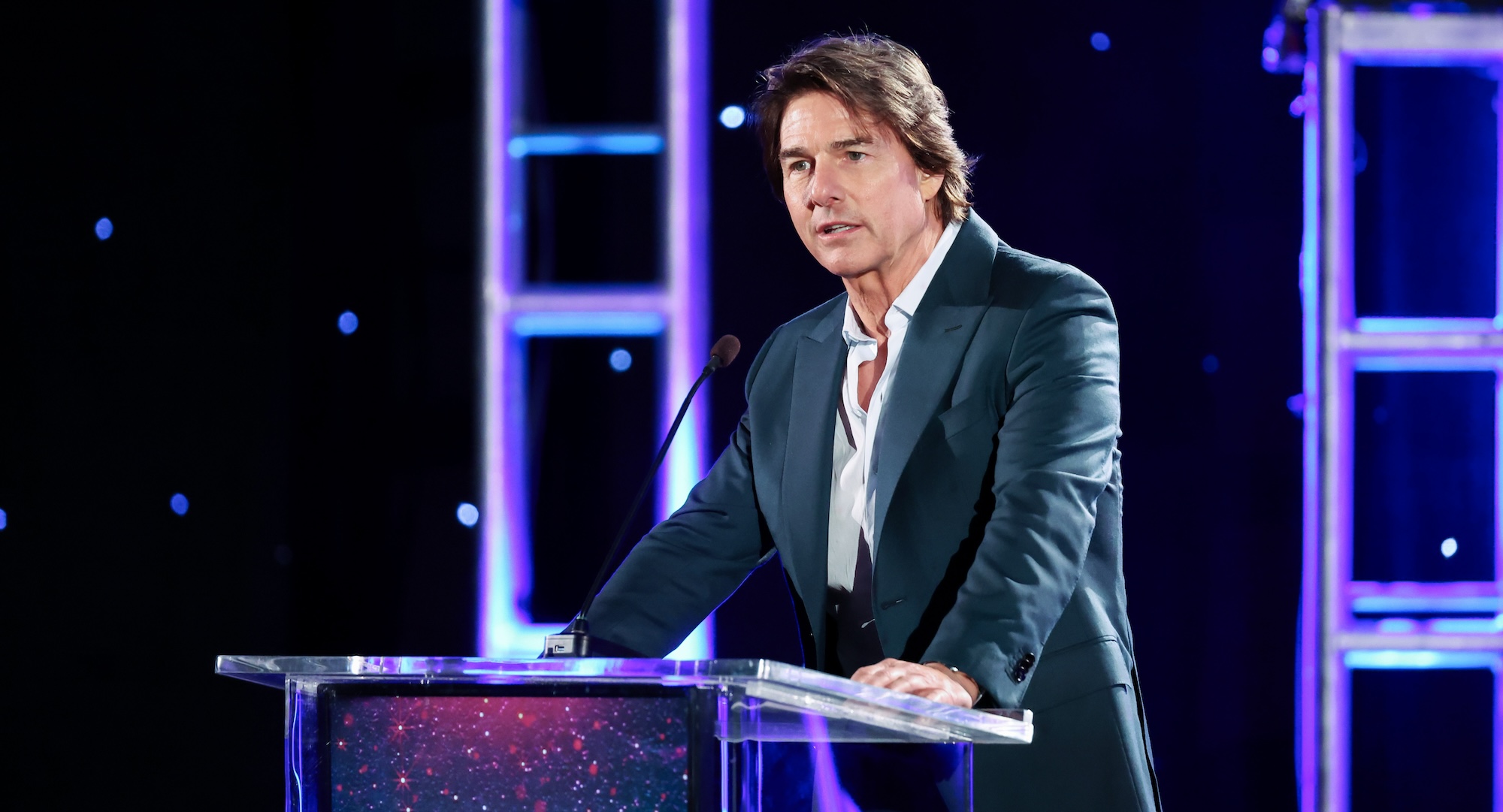
"I feel very good," Cruise remarked during the press event, referring to the health of the industry. His confidence stems from observing a new generation that possesses both the technical skills learned in the "wild west" of online content creation and the storytelling ambition to fill theaters.
Official Responses and Advice to the Next Generation
During his sit-down with Den of Geek, Cruise offered a manifesto of sorts for aspiring directors. His advice, stripped of the usual Hollywood platitudes, focused on the necessity of action over permission.
"Don’t ask for permission to create," Cruise urged. "You know, Steven Spielberg started out directing an episode of Marcus Welby, M.D., learning the craft. I’m still seeing that. I love movies. And I see a lot of movies, and there are a lot of great movies still to come this summer."
Cruise’s message to the next generation is rooted in his own experience of "testing the pulse" of the audience. He revealed that since he was a child, he has made it a habit to travel to different countries and watch films in crowded theaters, specifically to observe how audiences react in real-time.
"That’s the beauty of this art form," he said. "Everyone has the things they like and their own taste and what works and what doesn’t work. I tell people, learn these skills and go off and communicate your own stories. You don’t have to do it like I do. Do your thing."
Implications for the Future of Hollywood
The implications of Cruise’s endorsement of digital-native creators are profound. For decades, the barrier to entry for major motion pictures was guarded by a rigid studio hierarchy. By legitimizing those who honed their craft in the digital trenches, Cruise is effectively helping to dismantle the gatekeeping that has historically stifled innovation.
Furthermore, his role in Digger suggests that the future of the A-list movie star may lie in "prestige satire" rather than the traditional action-hero cycle. If a performer of Cruise’s stature can successfully pivot to a film that is "absurd, dangerous, and certainly comedic," it creates a roadmap for other established actors to seek out unconventional, high-risk artistic endeavors.
As the industry faces the challenge of maintaining theatrical relevance in a streaming-dominated world, the fusion of traditional star power with the creative vigor of the digital generation—represented by the likes of Iñárritu and the rising class of Gen-Z directors—may be exactly the alchemy needed.
Digger is not just a film; it is a signal. It tells the industry that the "king of the blockbuster" is looking toward a future where the definition of "cinema" is broad, chaotic, and entirely new. When asked about the experience of filming Digger, a project that he claims has challenged him in ways his previous work never could, Cruise was characteristically intense.
"There’s nothing better than to physically and metaphorically stand on the edge of a cliff and go, ‘Let’s do this,’" he said. "I have never had something that could challenge me in this way and neither has Alejandro. And when you see this film, it’s totally original."
As Hollywood looks toward the fall season, all eyes will be on October 2. Whether Digger succeeds as a box-office phenomenon or remains a niche, cult-classic experiment, the message is clear: Tom Cruise is not retiring, and he is certainly not slowing down. He is, however, evolving—and he is inviting the rest of the industry to join him on the cliff’s edge.










