

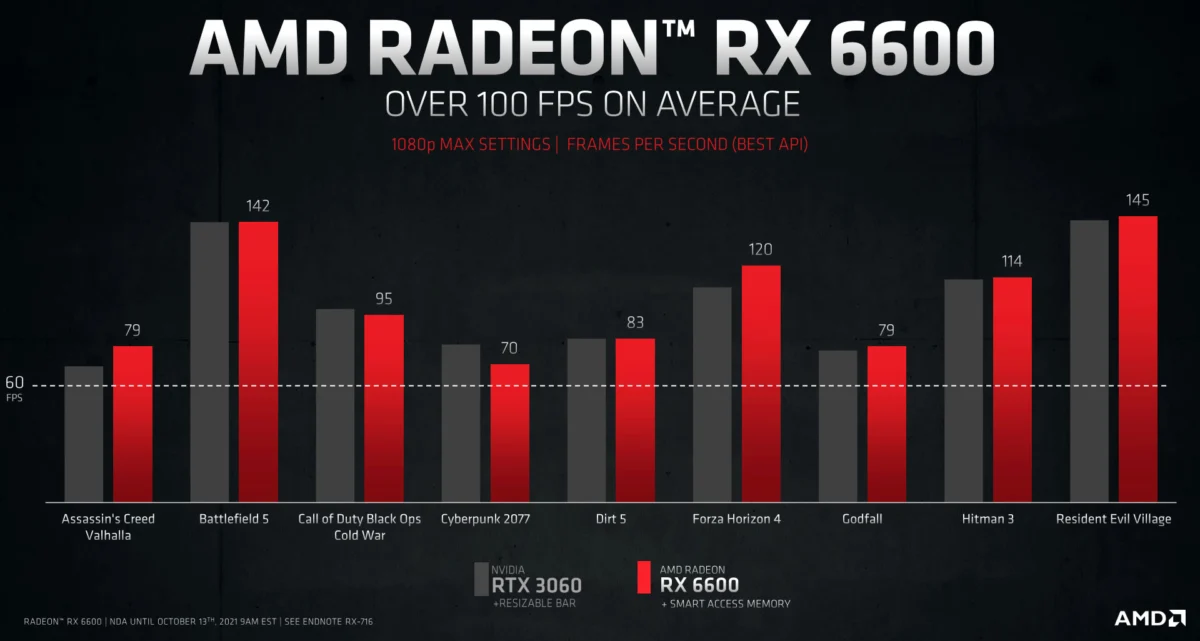
Following the successful July debut of the Radeon RX 6600 XT, AMD has officially rounded out its current mid-range lineup with the release of the long-rumored Radeon RX 6600. Designed specifically to capture the high-refresh-rate 1080p gaming demographic, this new entry-level powerhouse aims to provide gamers with a "future-ready" solution that balances efficiency, thermal performance, and competitive pricing.
As the hardware landscape continues to grapple with supply chain constraints, the arrival of the RX 6600 represents a critical strategic move for AMD. By targeting the most popular resolution in gaming—1080p—AMD is positioning this card as the definitive choice for mainstream enthusiasts who refuse to compromise on visual fidelity.
The Architecture: Understanding the Navi 23 Cut-Down
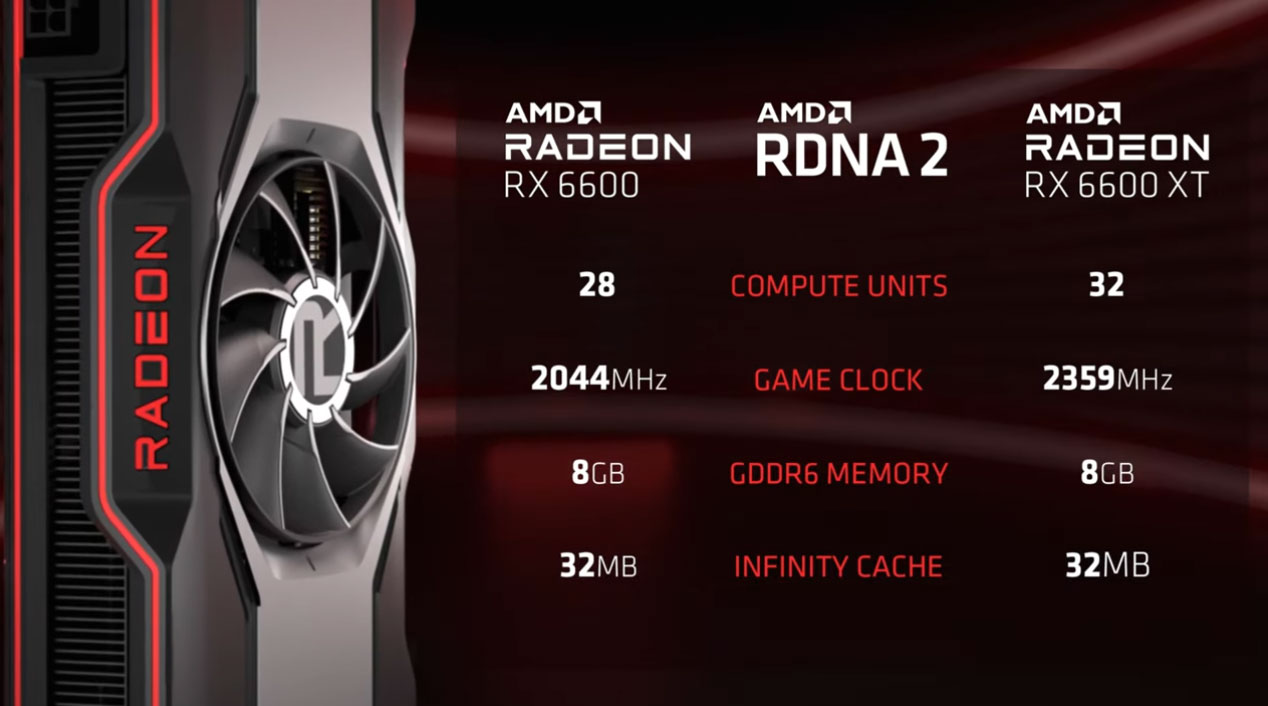
To understand the position of the Radeon RX 6600 in the current market, one must look at its relationship with its older, faster sibling, the RX 6600 XT. Both cards are built upon the same Navi 23 GPU architecture, utilizing the highly efficient RDNA 2 design that has become the hallmark of AMD’s current generation.
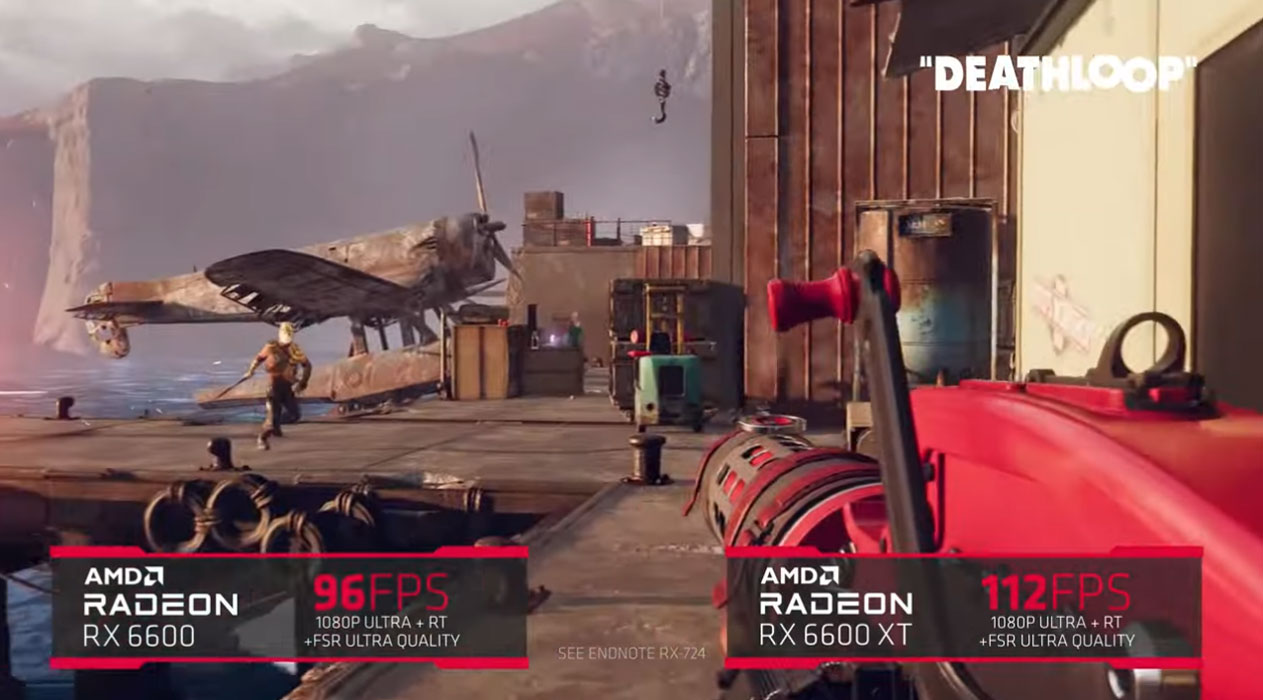
However, the RX 6600 is a "cut-down" version of the chip, reflecting a $50 difference in Manufacturer’s Suggested Retail Price (MSRP). This price reduction is mirrored in the silicon’s configuration: while the ROP count remains steady at 64, the new card features a reduction in stream processors and texture units. Furthermore, AMD has implemented more conservative clock speeds for the GPU boost, game clocks, and memory. The memory speed has been dialled back from 16Gbps on the XT model to 14Gbps on the standard RX 6600, a move that undoubtedly helps manage thermals and power draw while delineating performance tiers.
A Chronology of the 1080p Push
The journey to the RX 6600’s release has been marked by months of industry speculation and leaker activity.
- Late July 2021: AMD officially launches the Radeon RX 6600 XT, setting the stage for a broader RDNA 2 penetration into the mid-range market.
- August–September 2021: Following the XT launch, persistent rumors regarding a non-XT variant circulate, with various hardware analysts suggesting that AMD would release a more power-efficient, lower-cost version of the Navi 23 die.
- October 13, 2021: AMD officially breaks the silence, announcing the Radeon RX 6600. The press release highlights the card’s ability to handle high-refresh-rate 1080p gaming, signaling a focus on the most competitive sector of the PC gaming market.
- Mid-October 2021: Global availability begins via board partners, with third-party benchmarks confirming the card’s position relative to its primary competitor, the Nvidia GeForce RTX 3060.
Comparative Analysis: RX 6600 vs. RTX 3060
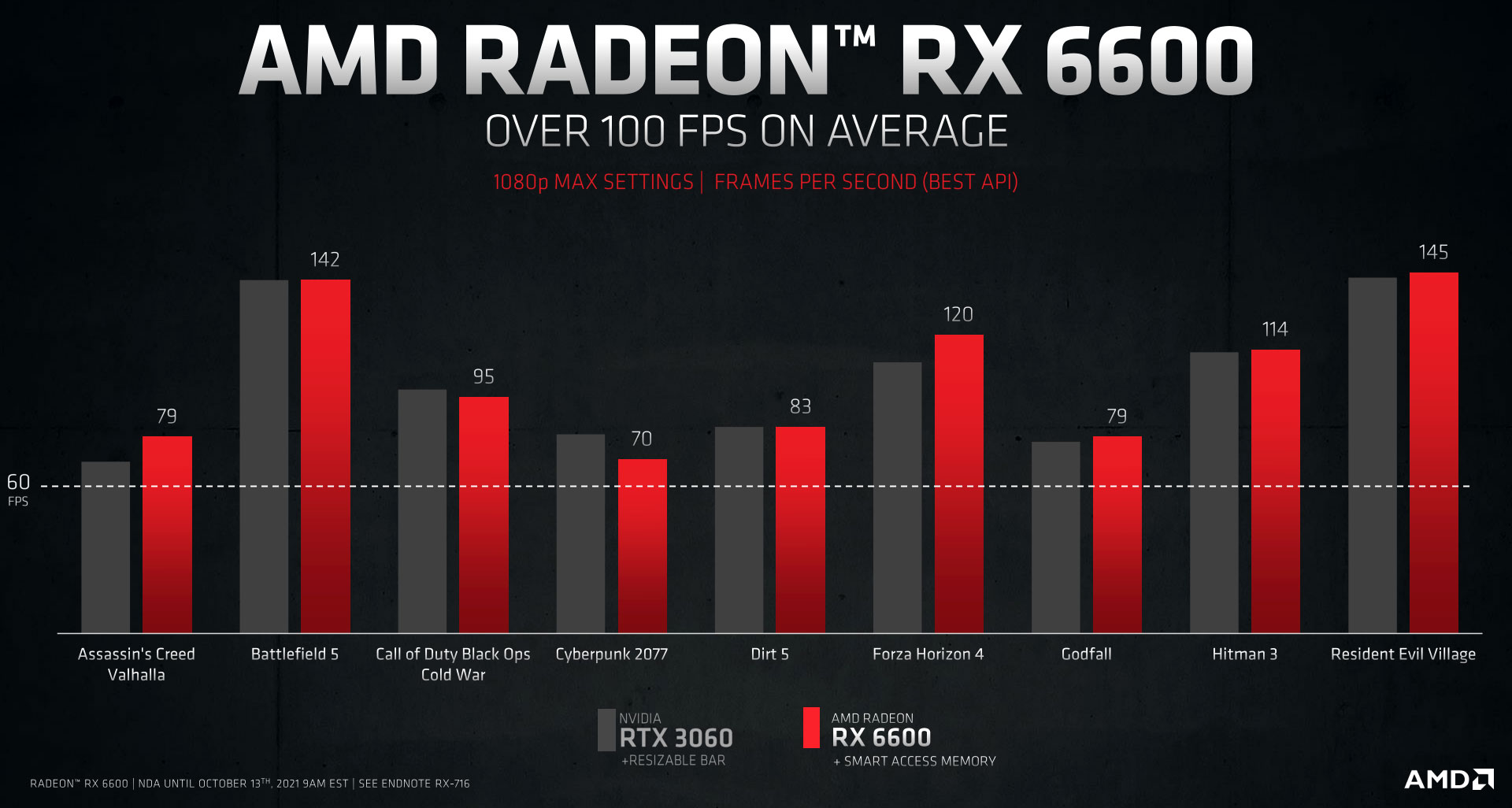
The primary point of interest for prospective buyers is how the RX 6600 stacks up against the Nvidia GeForce RTX 3060. With both cards sharing an MSRP-based target, the rivalry is intense.
Power Efficiency as a Differentiator
One of the most striking aspects of the RX 6600 is its power profile. Operating at a total board power (TBP) of just 132W, it significantly undercuts the 170W requirement of the RTX 3060. This efficiency is a massive win for users with smaller power supplies or those looking to build compact, quiet systems. The low wattage allows the card to run cooler and quieter, though many board partners have opted to recycle their bulky, over-engineered triple-fan cooling solutions designed for the 160W XT variant. Consequently, users are currently finding that even the base models of the RX 6600 run exceptionally cool.
Performance and Ray Tracing
In terms of pure rasterization, the RX 6600 and RTX 3060 are closely matched. The "Red Team" (AMD) and "Green Team" (Nvidia) cards trade blows depending on the engine. Games optimized for DirectX 12 often show the RDNA 2 architecture flexing its muscles, while titles heavy on proprietary Nvidia tech favor the RTX 3060.
Regarding ray tracing, the RX 6600 is capable of delivering acceptable performance in many modern titles, though it lacks the sheer brute force required for high-fidelity ray tracing at higher resolutions. To bridge this gap, AMD’s FidelityFX Super Resolution (FSR) is an essential tool. When enabled, FSR provides the necessary performance overhead to make ray tracing a viable setting for 1080p gamers, effectively extending the lifespan of the card.
Official Responses and Strategic Vision
AMD’s narrative surrounding the RX 6600 is one of accessibility. By launching this card, the company aims to put "visually stunning" performance into the hands of the midrange demographic. AMD has emphasized that the card is "future ready," likely a nod to the growing demands of modern titles and the increasing necessity of upscaling technologies.
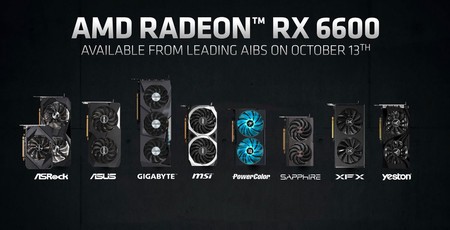
For AMD partners—including industry stalwarts like Asus, MSI, Gigabyte, Sapphire, PowerColor, XFX, ASRock, and Yeston—the launch is an opportunity to revitalize their inventory. These partners have developed a wide array of custom designs, ranging from minimalist dual-fan setups to enthusiast-grade cards with premium aesthetics.
Implications for the Market
The launch of the Radeon RX 6600 has significant downstream effects on the broader graphics card ecosystem:
- The "Luxury of Choice" Dilemma: In the current climate, choice is often limited by availability rather than preference. While the MSRP of the RX 6600 is attractive, the actual street price remains the deciding factor for consumers. If found near MSRP, the card represents perhaps the best value for 1080p and entry-level 1440p gaming currently available.
- Increased Competition at the Entry Level: The release of this card has already triggered a "chitter-chatter" effect across the industry, specifically regarding Nvidia’s potential response. Rumors are now circulating that Nvidia may be preparing to roll out a desktop version of the GeForce RTX 3050 or 3050 Ti to counter AMD’s hold on the entry-mid segment.
- VRAM Allocation Trends: The rumors regarding the upcoming RTX 3050 series include potential 6GB or 12GB GDDR6 variants. This suggests that the industry is heavily focused on balancing VRAM quotas to accommodate the increasing texture memory requirements of modern gaming, a trend that the RX 6600 also addresses with its 8GB buffer.
- Pre-Built Market Integration: Perhaps the most immediate impact will be felt in the pre-built PC market. System integrators are quickly moving to include the RX 6600 in their "value-oriented" gaming desktop lineups, providing an affordable entry point for gamers who are unable or unwilling to source a standalone GPU in a volatile secondary market.
Conclusion: Is the RX 6600 Right for You?
The Radeon RX 6600 is a masterclass in targeted engineering. It does not attempt to conquer 4K gaming or offer industry-leading ray tracing performance. Instead, it doubles down on the most crucial metric for the average gamer: consistent, high-refresh-rate 1080p gaming performance.
Its power efficiency makes it an attractive choice for those building in small form factor cases, and its competitive performance against the RTX 3060 ensures that AMD remains a top-tier contender for the mainstream dollar. As the market eventually stabilizes, the RX 6600 is poised to become a staple of budget-conscious gaming builds for the foreseeable future.
For the prospective buyer, the advice remains the same: monitor regional stock levels closely and prioritize availability at or near the MSRP. While the GPU landscape is undoubtedly complex, AMD’s latest offering simplifies the decision for those who value efficiency and high-fidelity 1080p gaming above all else. Whether this forces a price war with Nvidia’s upcoming entry-level hardware or sets a new standard for mid-range efficiency, one thing is certain: the consumer is the ultimate beneficiary of this renewed competition.










No comments yet. Be the first to join the conversation!