In a definitive announcement that marks the end of a significant chapter in digital journalism, the long-standing technology publication bit-tech.net has officially declared that it is ceasing operations. After years of providing deep-dive hardware reviews, intricate modding showcases, and fostering a robust community of enthusiasts, the site is effectively signing off.
However, amidst the news of the publication’s closure, leadership has issued a vital clarification regarding the future of its digital infrastructure: the forums, a cornerstone of the site’s existence, will remain open. In an attempt to quell speculation and misinformation, the team explicitly stated that there are no plans to shut down these discussion boards or migrate user data to third-party systems.
Main Facts: The End of an Editorial Institution
The announcement serves as a bittersweet milestone for the PC enthusiast community. Bit-tech became synonymous with the "Golden Age" of PC modding, rising to prominence by showcasing bespoke, high-performance builds that pushed the boundaries of aesthetic and engineering design.
Key takeaways from the announcement include:
- Editorial Shutdown: Bit-tech will cease publishing new editorial content, reviews, and features immediately.
- Forum Preservation: The forums will remain online, transition to an ad-free model, and continue to serve as a hub for the community.
- No Data Migration: Contrary to rumors circulating in certain corners of the internet, there are no plans to move user data to a new platform or service.
- Independence from Future Ventures: The leadership team has moved to distance themselves from any external publications or media entities that may claim to be a successor, stating clearly that any such entities have no affiliation with bit-tech or its former media team.
A Chronology of Influence: From Modding Roots to Industry Staple
To understand the weight of this closure, one must look back at the trajectory of bit-tech. Founded in the early 2000s, the publication emerged at a time when the "PC Master Race" was moving from a niche hobby to a mainstream cultural force.
The Early Years: The Modding Revolution
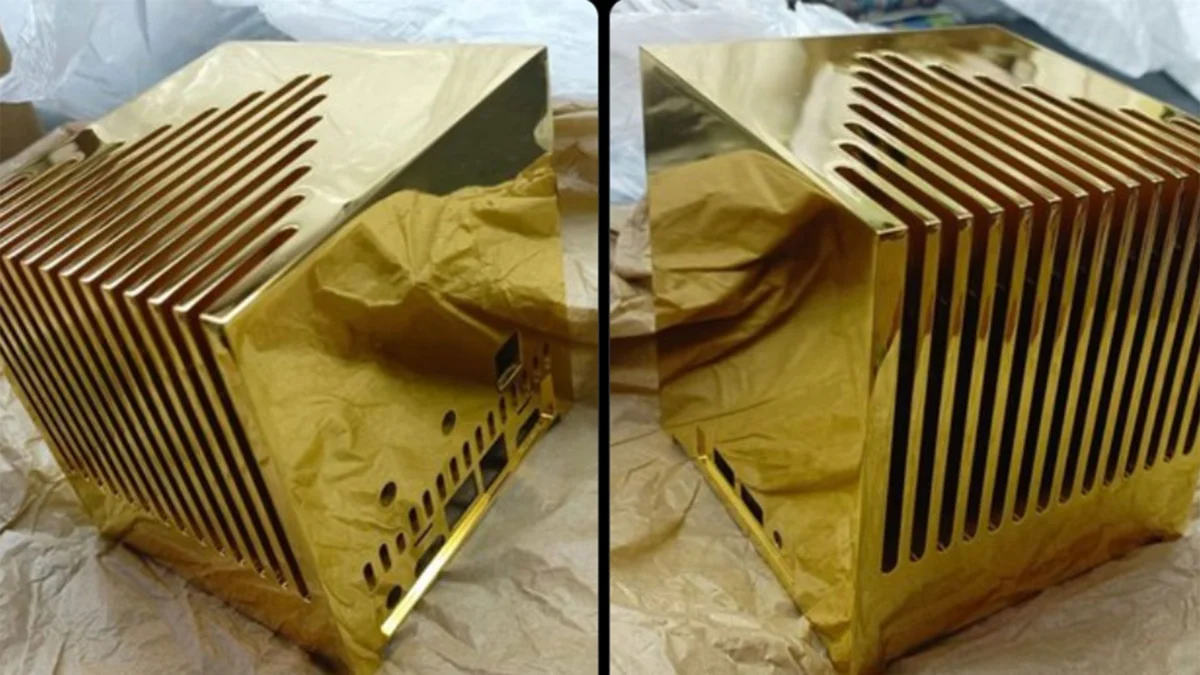
Bit-tech did not merely report on technology; it fueled the culture of PC customization. Through its iconic "Mod of the Month" features and in-depth guides on water cooling, custom case fabrication, and aesthetic lighting, the site became the go-to resource for hardware enthusiasts. The mention of the "Call of Duty Nvidia ammo case" in the farewell statement serves as a poignant reminder of the creative heights the site encouraged.
The Editorial Shift
As the publication matured, it evolved into a serious editorial voice. It built a reputation for rigorous, independent hardware testing. Unlike many of its contemporaries who relied on brand-friendly marketing copy, bit-tech reviewers were known for their willingness to critique industry giants. They maintained a philosophy of "never kowtowing to brands," focusing instead on the practical utility and engineering merit of the hardware in question.
The Decline of Print and the Digital Pivot
Like many legacy tech publications, bit-tech faced the immense pressure of a changing media landscape. The rise of influencer culture, video-first platforms like YouTube, and the consolidation of tech media conglomerates made it increasingly difficult for independent editorial outlets to maintain profitability. Despite these headwinds, the site remained a bastion of long-form, thoughtful journalism until its final day.
Supporting Data: Why Community Matters More Than Clicks
The decision to keep the forums open is not merely an act of technical maintenance; it is an acknowledgment of the data that defines the site’s legacy. Over two decades, bit-tech accumulated millions of posts, threads, and technical archives that serve as a historical record of PC hardware evolution.
While internal metrics regarding readership are rarely made public, the community engagement levels observed on bit-tech—specifically the forum activity—consistently outperformed broader industry standards for engagement-to-user ratios. The "smart, assertive" nature of the community, as described by the editorial team, created a feedback loop where reviewers were held accountable by their audience. This adversarial, yet respectful, relationship ensured that the content remained high-quality and free from the bias that plagues modern "sponsored" tech journalism.
Official Responses and Clarifications
The farewell statement issued by the team was marked by a sense of duty to its readers. The most critical component of the communication was the forceful rejection of external "reboot" attempts.
"Any future publication mentioned below are not part of the media team, Hexus or Bit-Tech. Any talk of a new publication is not related to us," the statement emphasized. This phrasing is clearly intended to protect the brand’s legacy from being co-opted by third-party entities seeking to capitalize on the site’s reputation.
Furthermore, the decision to host the forums ad-free is a significant departure from the standard "maintenance mode" protocol, where dying sites often flood their remaining pages with low-quality programmatic advertisements to squeeze out final revenues. By choosing to remove ads, the team is signaling a commitment to the "community first" philosophy that defined the site’s best years.
The Implications: What This Means for the Tech Media Landscape
The closure of bit-tech carries several implications for the future of tech journalism and the broader hardware enthusiast community.
1. The Loss of Institutional Memory
With the end of editorial publishing, a unique voice in hardware criticism is lost. The specific style of bit-tech—deeply technical, skeptical of marketing fluff, and rooted in the physical building process—is becoming a rarity. As journalism pivots toward shorter, SEO-driven content, the "deep-dive" critique is increasingly threatened.
2. The Fragmentation of Enthusiast Communities
The preservation of the forums is a lifeline, but it also creates a challenge. Without a central editorial hub to drive new traffic and foster fresh discussion, communities often stagnate. The challenge for the existing user base will be to maintain the culture of the forums without the gravitational pull of new editorial content.
3. The Shift in Brand-Consumer Relations
The acknowledgement of brand support in the final statement is telling. For years, brands relied on bit-tech to reach a highly discerning audience. With the site gone, brands lose a trusted conduit to their most loyal customers. This forces companies to look toward social media and paid influencer campaigns, which may not offer the same level of objective scrutiny that the bit-tech editorial team once provided.
4. A Template for Responsible Closure
Finally, bit-tech has provided a model for how a digital institution should close. Rather than silently disappearing or selling the domain to a content farm, the leadership has prioritized the preservation of the community and the integrity of the data. By clarifying what is—and what is not—a successor, they have prevented the brand from being tarnished by potentially opportunistic future entities.
Conclusion: An End, Not a Deletion
As the final articles settle into the archives and the editorial team moves on to new ventures, the legacy of bit-tech remains intact. It was a publication that respected its audience enough to be honest, and a community that respected its publication enough to demand the best.
The internet is littered with the corpses of websites that were erased or sold off to the highest bidder, losing their content and their history in the process. Bit-tech has chosen a different path. By keeping the forums live and ad-free, they have transformed their site from a commercial enterprise into a public archive—a digital monument to the era when PC building was an art form and hardware journalism was a craft.
For the writers, the reviewers, and the brands that supported them, the work is done. For the community, the conversation continues, albeit in a quieter, more focused space. The site may be signing off, but the culture it built remains, preserved in the threads and archives of the very forums that made bit-tech great.