

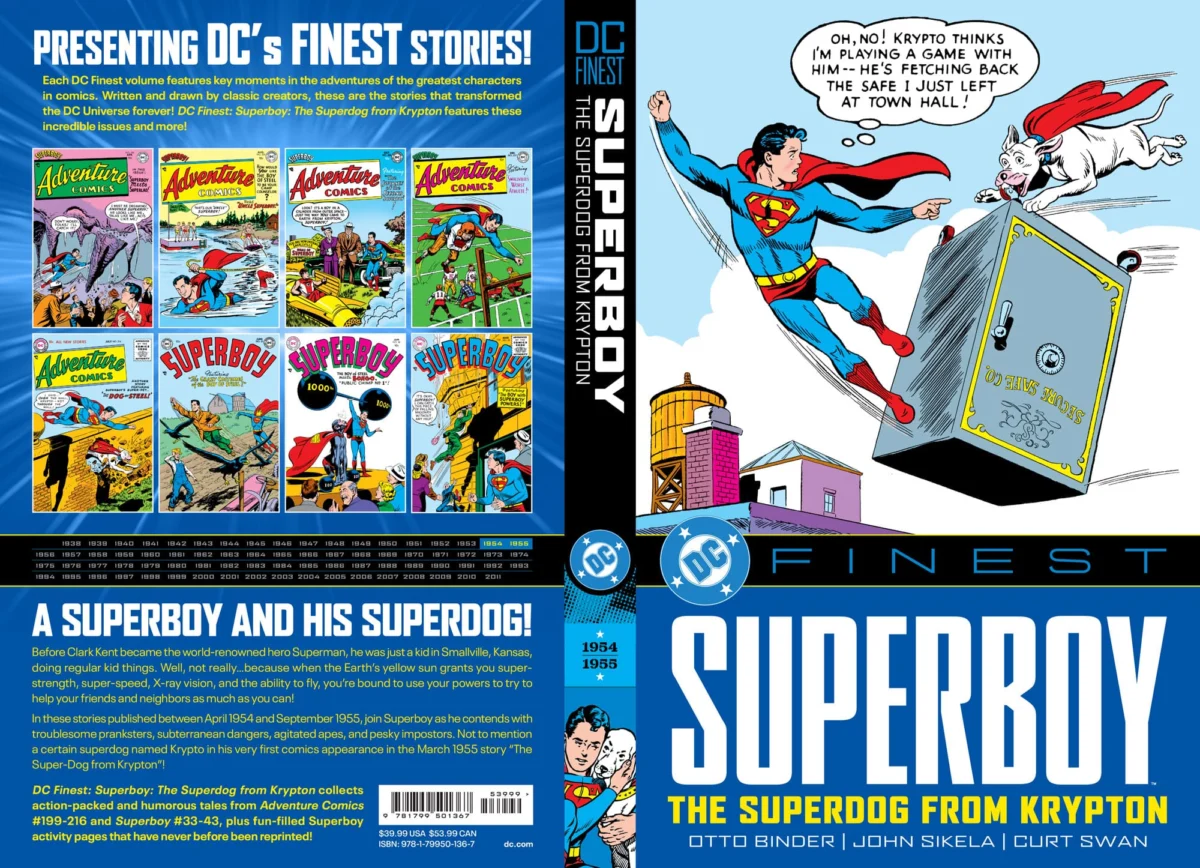
In a move that underscores the ongoing digital transformation of comic book publishing, DC Universe Infinite (DCUI) has announced the immediate addition of five new titles under the "DC Finest" banner. This latest update represents more than just a routine library expansion; it signals a strategic effort by DC to curate its extensive, multi-generational archive into theme-driven, accessible volumes. By focusing on both iconic character arcs and niche genre storytelling, the platform is effectively digitizing hard-to-find archival material, much of which has never been available in a digital format until now.
The Evolution of the ‘DC Finest’ Initiative
The "DC Finest" initiative is DC’s answer to the growing demand for curated, high-quality archival collections. Unlike traditional digital releases that often dump massive runs of a single series, the "DC Finest" line functions as a guided tour through the publisher’s history. By grouping issues by theme, era, or character arc, DCUI provides readers with a roadmap through decades of complex continuity.
For the casual fan, these collections act as an entry point into the sprawling DC Multiverse. For the dedicated historian and collector, they offer a polished, digital-first experience that prioritizes the "greatest hits" and definitive creative runs. This week’s drop includes a diverse array of material, spanning the whimsical sci-fi of the Silver Age to the gritty, experimental narratives of the late 1990s.
A Chronological Deep Dive into the New Releases
The five newly released volumes offer a panoramic view of DC’s publishing evolution. Here is a breakdown of the specific eras and themes covered in this latest update:
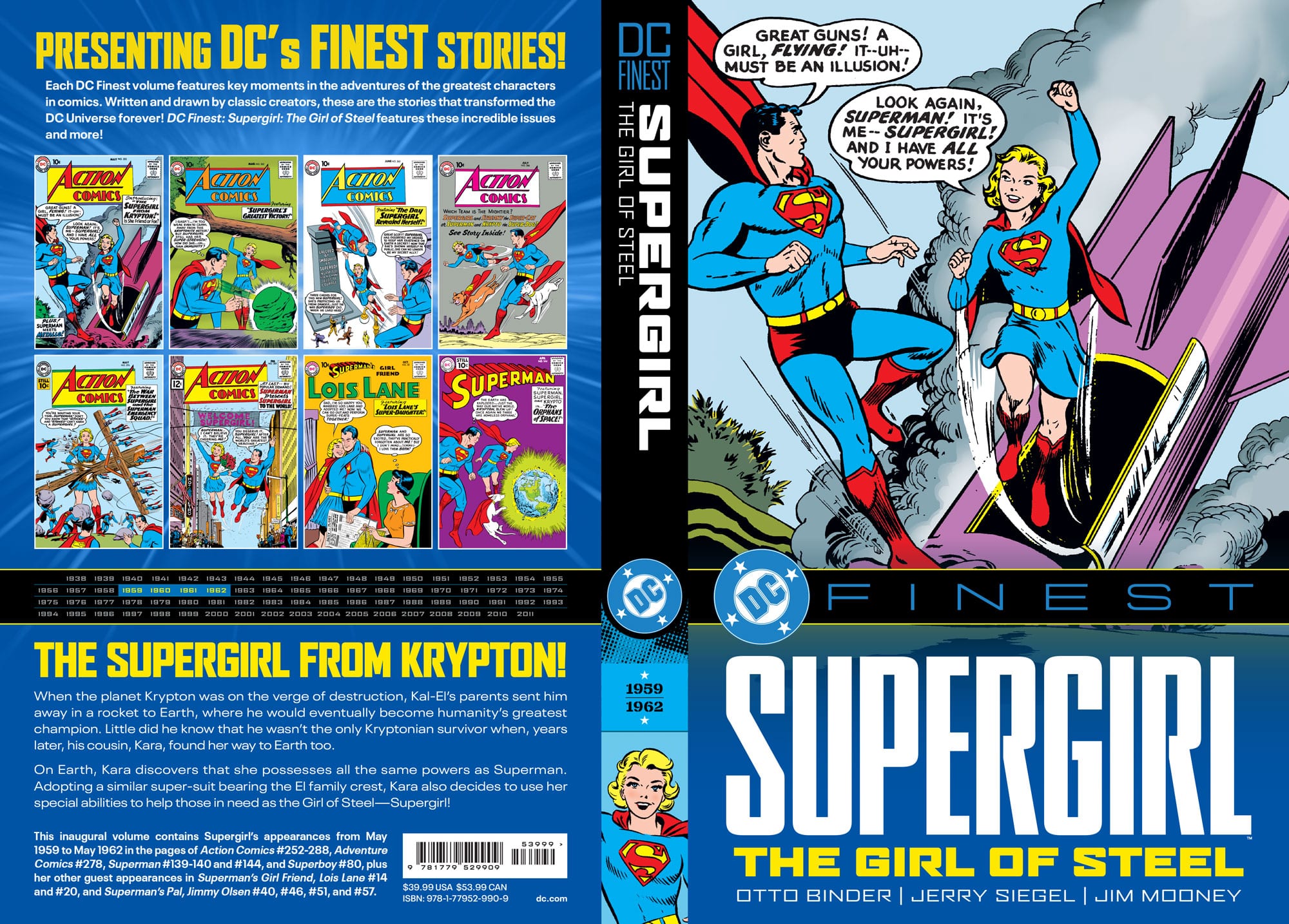
1. DC Finest: Supergirl: The Girl of Steel
This volume serves as the foundational bedrock for Kara Zor-El’s presence in the DC Universe. By drawing from Action Comics, Superman, Superboy, and the essential supporting titles Superman’s Girl Friend Lois Lane and Superman’s Pal, Jimmy Olsen, this collection captures the specific sci-fi sensibilities of the Silver Age. It highlights the transition of Supergirl from a sidekick figure to a powerful protagonist in her own right, complete with the imaginative, high-concept storytelling that defined the 1950s and 60s.
2. DC Finest: Superboy: The Superdog from Krypton
While the Man of Steel often takes center stage, this volume shifts the focus toward the "Smallville" years. Centered on Superboy and his faithful companion, Krypto, this collection pulls from Adventure Comics and the Superboy standalone series. It is a masterclass in the playful, lower-stakes adventure that characterized the "Boy of Steel" era, providing a nostalgic look at the lighthearted tone that once dominated DC’s youth-oriented titles.
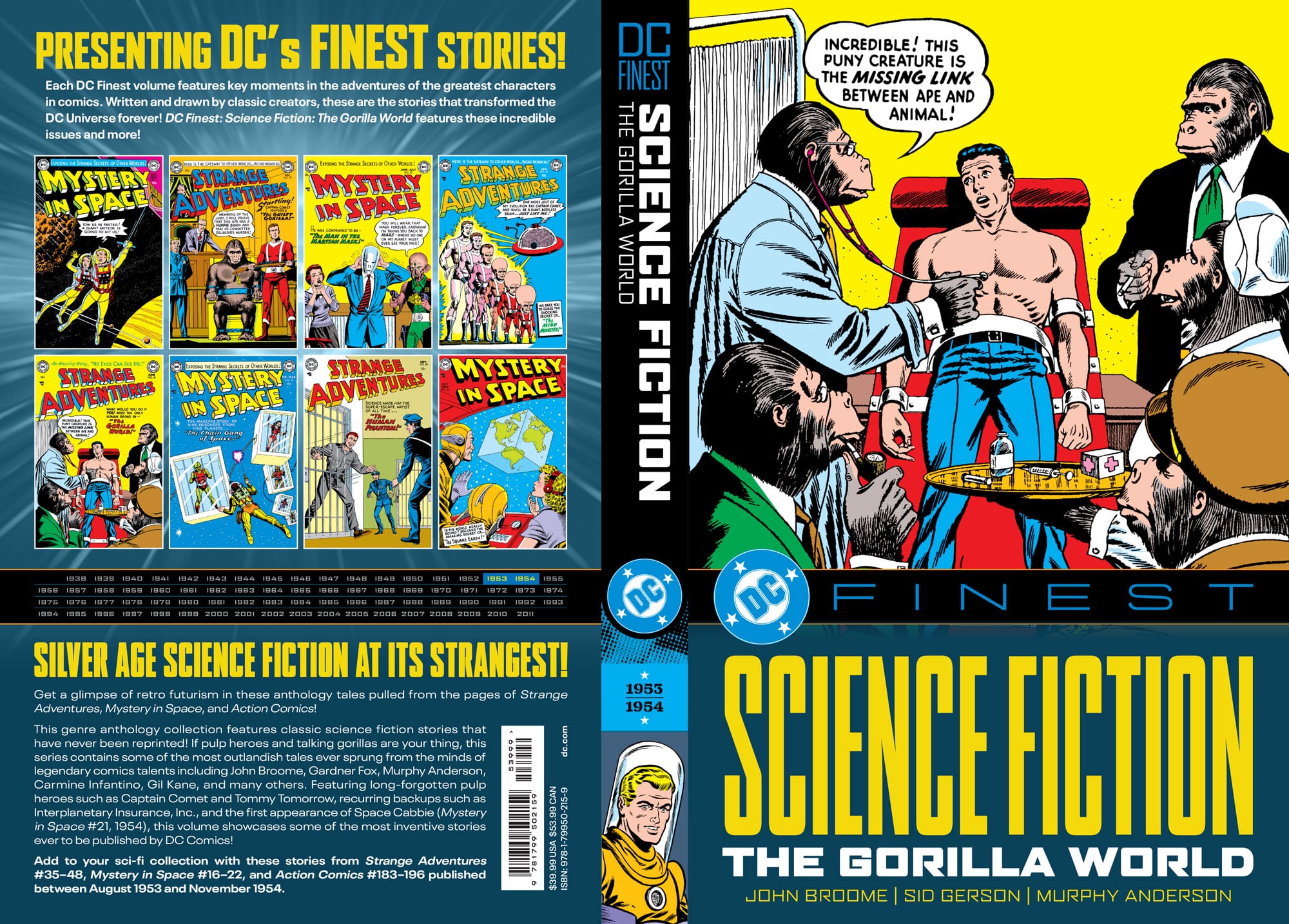
3. DC Finest: Science Fiction: The Gorilla World
Perhaps the most intriguing addition for genre enthusiasts, The Gorilla World is a thematic anthology that explores the eccentric heart of mid-century DC. Utilizing material from Action Comics, Strange Adventures, and Mystery in Space, this collection highlights the surreal, intelligence-defying sci-fi tropes of the era—specifically the fascination with hyper-intelligent primates. It serves as a testament to the creative freedom of the period, where writers and artists were encouraged to push the boundaries of "comic book logic."
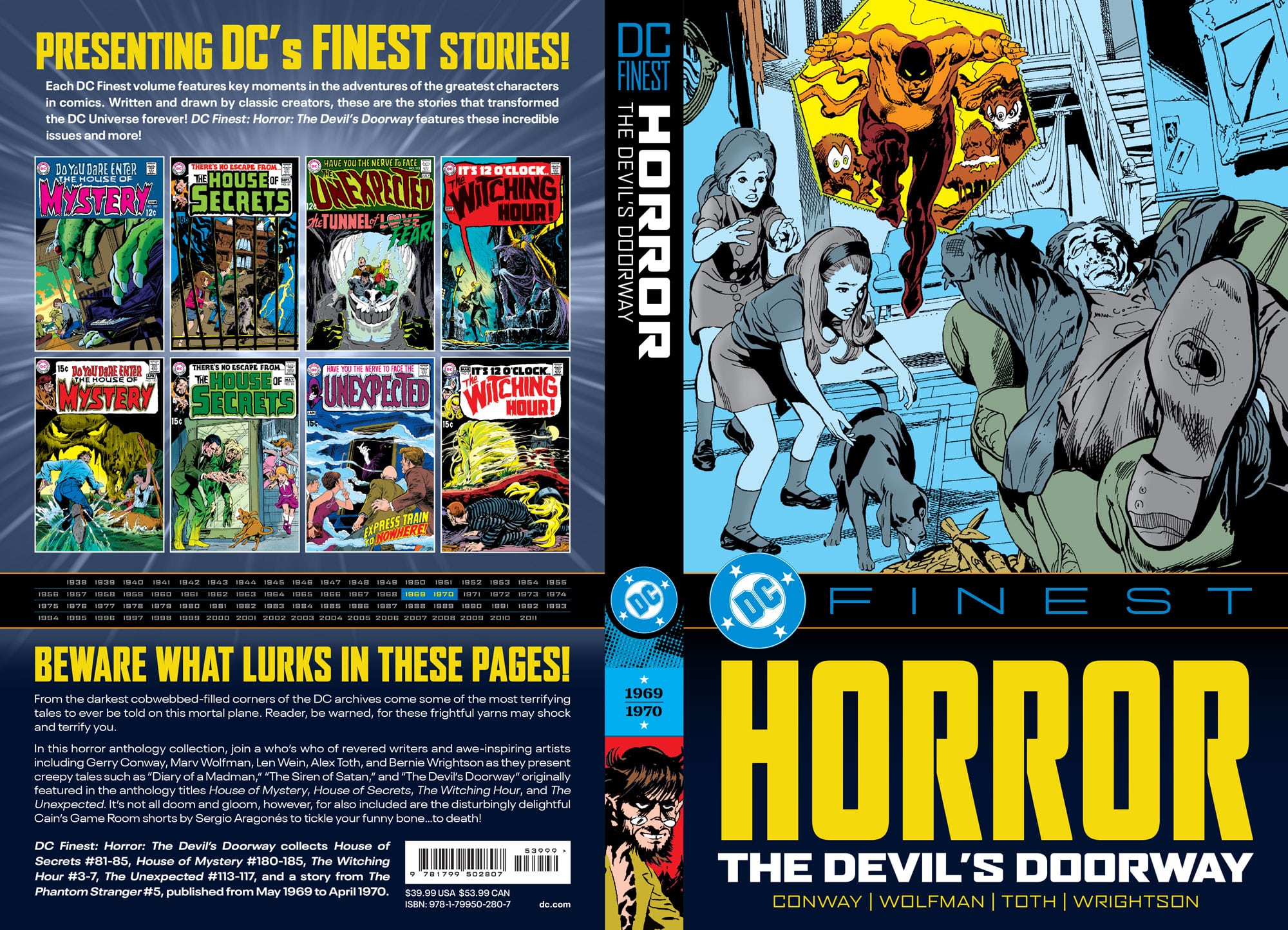
4. DC Finest: Horror: The Devil’s Doorway
Venturing into the Bronze Age, this volume highlights a darker, more macabre side of the DC library. By pulling from legendary horror anthologies like House of Secrets, House of Mystery, and The Witching Hour, this collection offers a stark contrast to the caped crusader narratives typically associated with the brand. These stories were often where the industry’s most experimental art and subversive writing took place, providing a "spooky" historical context to DC’s broader catalog.
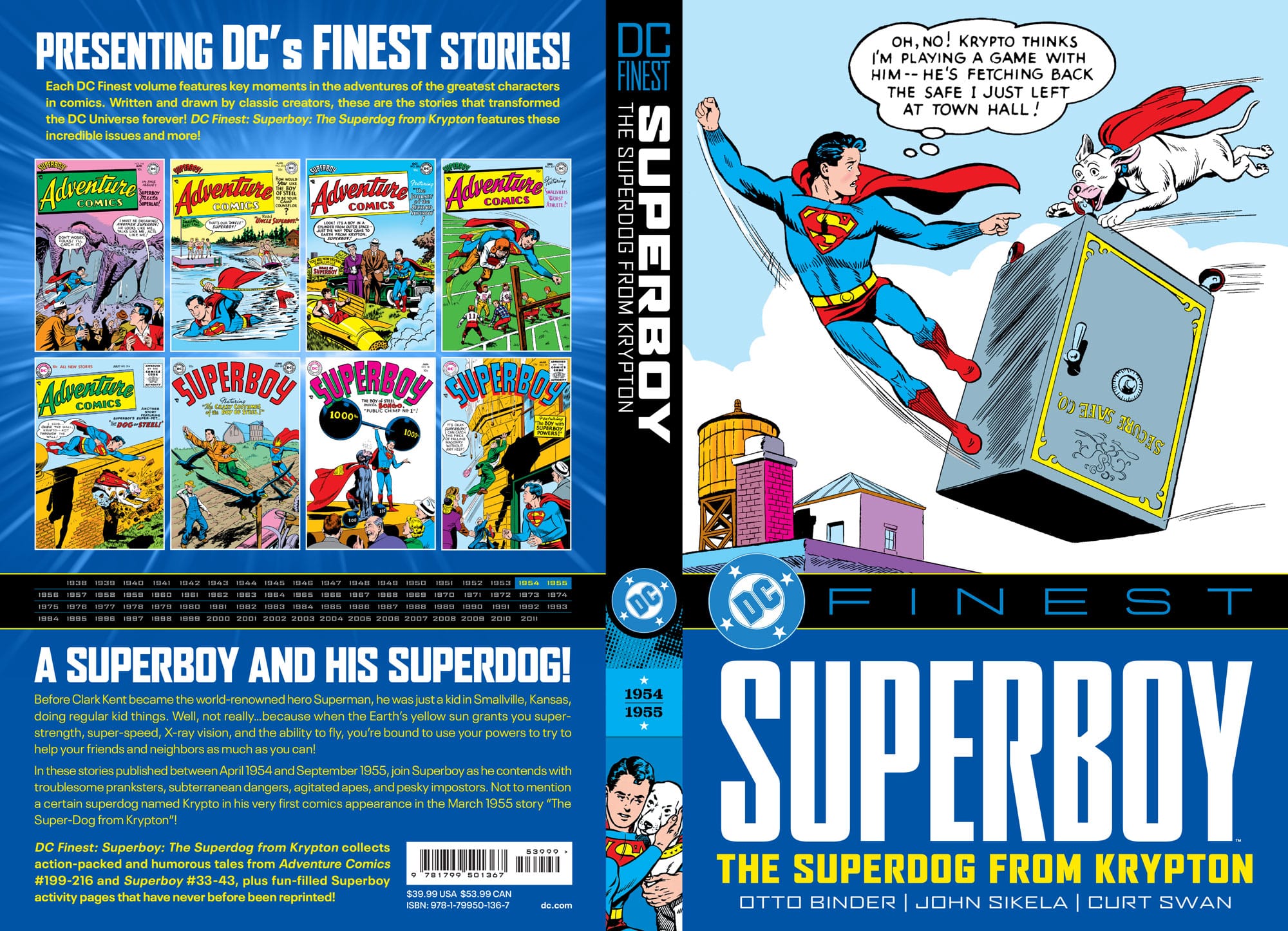
5. DC Finest: Supergirl: Die and Let Live
Rounding out the list is a journey into the late-90s, a period defined by massive editorial shifts and crossovers. This collection features arcs from Resurrection Man, Team Superman, and other peripheral titles. It is a crucial inclusion for fans of the modern era, demonstrating how DC attempted to integrate its legacy characters into the darker, more interconnected storytelling styles of the turn of the millennium.
Data and Digital Accessibility
The importance of these releases lies not just in the content, but in the format. A significant portion of the material included in these "DC Finest" volumes has remained trapped in physical back-issue bins or out-of-print trade paperbacks for decades.
According to data-driven insights from the platform, DCUI users spend significantly more time engaging with thematic "collections" than they do searching through individual series archives. By utilizing the "DC Finest" curation model, DC is lowering the barrier to entry for new readers who might feel overwhelmed by the decades-long continuity of a single character. Digital optimization—such as high-resolution scans and color restoration—ensures that these archival pages look better on a modern tablet or monitor than they did on the newsprint of the original release.
Implications for the Digital Comic Industry
The expansion of the "DC Finest" line suggests a broader shift in how major publishers manage their intellectual property. There is a growing consensus that "accessibility is the best marketing." By making these historical stories available to subscribers, DC is effectively protecting the longevity of its characters.
Furthermore, this move strengthens DCUI’s position as a "premier destination" in a competitive market. As platforms like Marvel Unlimited and independent digital services battle for user retention, the value proposition shifts from "how many comics do you have?" to "how well can you guide the reader through your library?"
The Creative Legacy
Each volume in this series showcases the work of legendary creators—the writers and artists whose names define the medium. Whether it is the bold, clean lines of the Silver Age or the moody, shadow-heavy ink work of the Bronze Age horror titles, these collections serve as an art history lesson. They preserve the stylistic evolution of the industry, ensuring that the techniques of the past are not lost to time.
Looking Toward the Future
DC has confirmed that the "DC Finest" initiative is only in its infancy. With a rollout schedule planned throughout the summer, subscribers can expect a consistent influx of new volumes. While specific titles for the coming months have yet to be fully detailed, the roadmap promises further exploration into both niche genres and major character histories.
For the publisher, the goal is clear: to ensure that no part of the DC history is left behind. As digital archives become more robust, the distinction between a "new" release and an "archival" release continues to blur. In the eyes of the digital reader, every comic is new until they open it for the first time.
By continuing to curate its library with such deliberate care, DC is ensuring that the "DC Universe" remains a living, breathing entity, one where a reader can jump from a 1950s gorilla-themed sci-fi romp to a 1990s dark superhero crossover in the swipe of a finger. This is the new standard for comic book consumption—a curated, infinite, and ever-expanding experience.
As we look toward the remainder of the year, it is evident that DC’s investment in these "Finest" collections will serve as a cornerstone of their digital strategy. By respecting the past while embracing the convenience of the present, DC Universe Infinite is successfully building a bridge between generations of fans, proving that while the medium may change, the power of these stories remains constant.










No comments yet. Be the first to join the conversation!