Raul Delapena Setiawan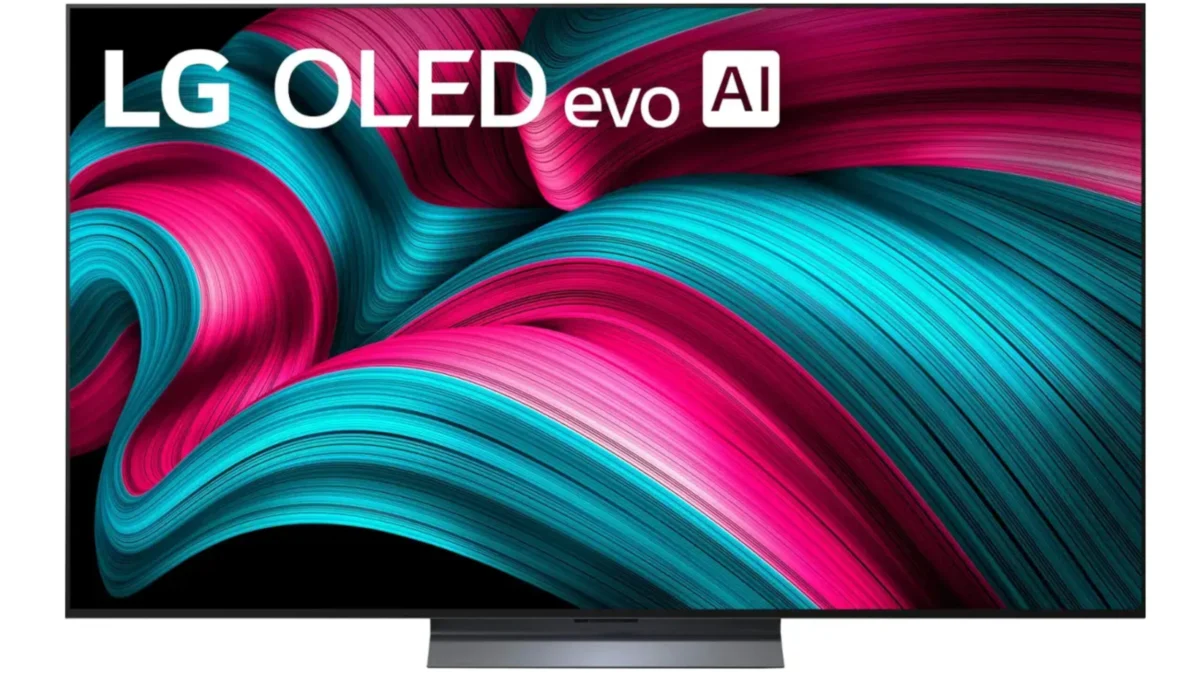
While the retail world is currently fixated on the flashing banners and countdown timers of Amazon Prime Day, a strategic shift is occurring in the consumer electronics landscape. For years, Amazon has held a virtual monopoly on the mid-summer shopping frenzy. However, in a move that signals a hardening of the battle lines in the retail sector, Best Buy has launched its own counter-offensive: the "Tech Fest" sale.
As the industry pivots toward a more competitive discount season, savvy shoppers are discovering that the best bargains might not be found on the world’s largest online marketplace, but rather at the big-box giant that has been quietly refining its inventory strategy for the modern home theater enthusiast.
The Shifting Landscape of Retail Sales
For nearly a decade, the "Prime Day effect" has forced other retailers to play defense. Historically, competitors would attempt to mirror Amazon’s dates, often resulting in a diluted shopping experience for the consumer. However, the current retail environment has shifted. Best Buy, recognizing that consumers are increasingly looking for specialized guidance rather than just the lowest price, has leaned into its strength as a destination for high-end home entertainment.
By curating the Tech Fest sale, Best Buy is not merely trying to compete on price; they are competing on value and selection. As a Senior TV Editor, I have spent years tracking the ebbs and flows of the electronics market. What is distinct about this year’s Tech Fest is the exclusivity of the inventory. We are seeing deals on premium OLED and Mini-LED panels that are not just competitive—they are, in some instances, completely unavailable through other major retail channels.
A Chronology of the Modern Discount War
To understand why Best Buy’s current sale is significant, one must look at the timeline of the "July Sale" phenomenon.
- 2015–2018: The Monopoly Era: Amazon introduced Prime Day, effectively creating a "Black Friday in July." During this period, competitors were caught flat-footed, often scrambling to offer lackluster discounts that failed to capture market share.
- 2019–2022: The Reactionary Phase: Big-box retailers began launching "Early Access" or "Black Friday in July" sales. While effective at keeping customers on their platforms, the deals were often on older, entry-level inventory.
- 2023–Present: The Curated Era: We have entered a phase where retailers are no longer just dumping inventory. Instead, they are working directly with manufacturers like LG, Samsung, and Sony to provide aggressive pricing on current-year models. Best Buy’s Tech Fest is the pinnacle of this approach, focusing on the mid-to-high-end tier of TVs that enthusiasts actually want to buy.
Deep Dive: The Best Buy Advantage
The cornerstone of this year’s event is the aggressive pricing on display technology. My personal pick of the litter—and perhaps the most compelling offer currently live—is the 48-inch LG B5 OLED, currently priced at $599.
Why the 48-inch B5 OLED Matters
The B5 series represents the sweet spot for many consumers. It offers the infinite contrast ratios and perfect black levels that OLED technology is famous for, without the premium price tag of the G-series or M-series panels. At $599, this set is not just a television; it is a high-performance gaming monitor and a cinema-grade display.
The inclusion of AI-enhanced picture processing and the latest webOS iteration makes this a future-proof investment. For those living in smaller spaces or looking for a secondary display for a gaming den, the price-to-performance ratio here is currently unmatched in the market.
Supporting Data: Understanding the Market
When analyzing these deals, it is essential to look at the underlying market data. OLED (Organic Light Emitting Diode) adoption has surged by nearly 22% year-over-year, according to recent display industry reports. As manufacturing costs have leveled off, brands are finally able to push these panels into the hands of the mainstream consumer.
Best Buy’s strategy during Tech Fest reflects this trend. By discounting their "bread and butter" models (the B-series and C-series OLEDs), they are successfully capturing the "prosumer" market—those who know exactly what specifications they want (HDMI 2.1, 120Hz refresh rates, VRR support) and are waiting for the right entry point.
Official Manufacturer Stances
While manufacturers are generally reticent to discuss specific retail pricing strategies, the collaborative nature of these sales is clear. Companies like LG and Samsung recognize that the summer lull is the perfect time to clear out inventory before the Q4 holiday rush begins.
"Our goal is to ensure that the latest display technologies are accessible to a wider demographic," a spokesperson for a major display manufacturer noted in a recent industry briefing. By partnering with Best Buy for exclusive promotional windows, manufacturers can move units in bulk while ensuring that consumers are receiving the latest hardware, rather than outdated stock that may have been sitting in a warehouse.
Implications for the Consumer
What does this mean for you? The implication is that the "Prime Day or bust" mentality is officially dead. Consumers now have the luxury of choice. If you are in the market for a TV, the current landscape suggests a three-pronged approach:
- Don’t be blinded by the "Prime" label: Just because a deal is on Amazon doesn’t mean it’s the best. Always cross-reference against Best Buy’s current listings.
- Prioritize the "Class" of the TV: Look for 2025 model year designations. The tech in the 2025 B5 and C5 series is vastly superior to the 2023 or 2024 variants, even if they look similar on paper.
- Consider the Ecosystem: Best Buy’s "Totaltech" or similar support services often provide a level of post-purchase assistance—such as mounting help or extended warranty support—that Amazon’s third-party marketplace model simply cannot replicate.
Conclusion: The Path Forward
The Tech Fest sale serves as a vital reminder that the retail industry is far from stagnant. By offering curated, high-value deals on the latest technology, Best Buy has successfully carved out a niche that challenges the dominance of global e-commerce giants.
As we continue to navigate the summer sales season, the smart consumer will keep a close eye on these alternative events. Whether you are looking for the absolute best picture quality for film nights or the lowest input lag for high-fidelity gaming, the current crop of deals at Best Buy offers a compelling argument for stepping outside the Amazon bubble.
The television market is currently in a "Golden Age" of affordability for high-end tech. With prices for elite OLED panels dropping to levels previously reserved for entry-level LED sets, there has never been a better time to upgrade your home entertainment experience. Keep your eyes on the sales, compare your specs, and don’t be afraid to look beyond the biggest name on the internet to find the deal that truly fits your home.
For more in-depth reviews, expert buying guides, and the latest news in consumer electronics, stay tuned to Tom’s Guide. You can also follow our coverage on Google News or download the Tom’s Guide app for iOS and Android to get instant alerts on the latest price drops as they happen.


 Azzam Bilal Chamdy
 Jia Lissa