Nana
Nana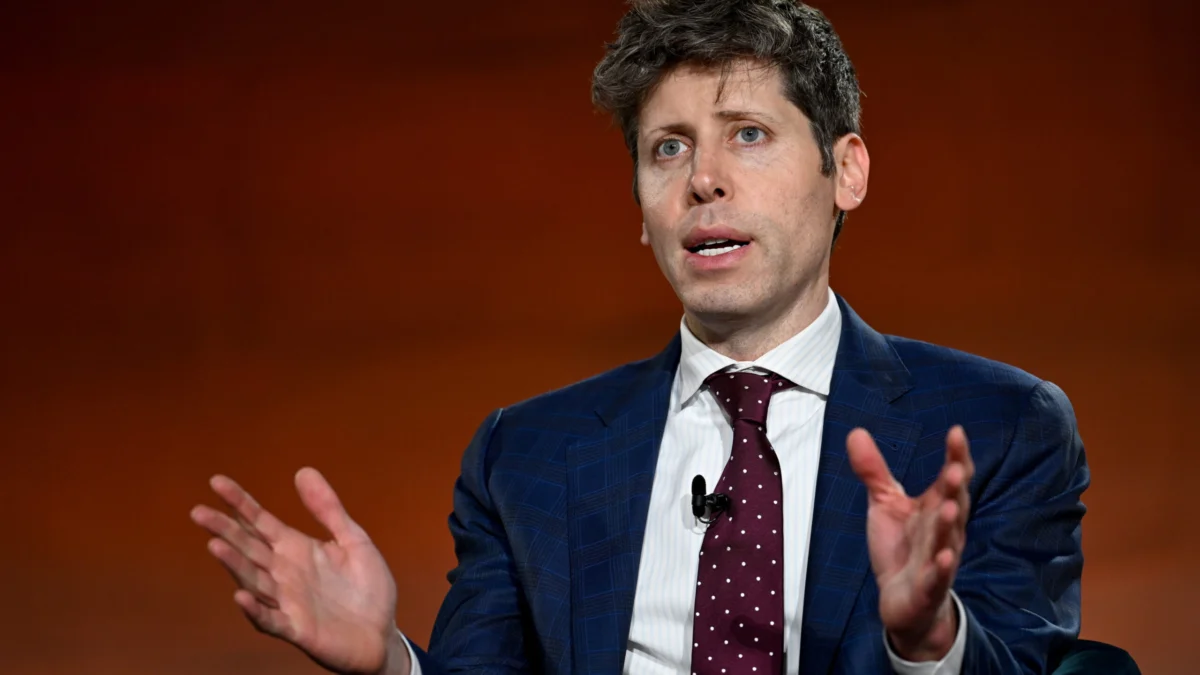
As the artificial intelligence landscape shifts from the era of conversational chatbots to the age of autonomous agents, the industry is bracing for a profound transformation. We are standing on the precipice of "operator" AI—systems capable of executing complex workflows, making executive decisions, and navigating digital environments with minimal human intervention. Amidst this rapid evolution, a common, if somewhat dystopian, assumption has taken root: that the ultimate objective of modern tech giants is the total automation of human labor.
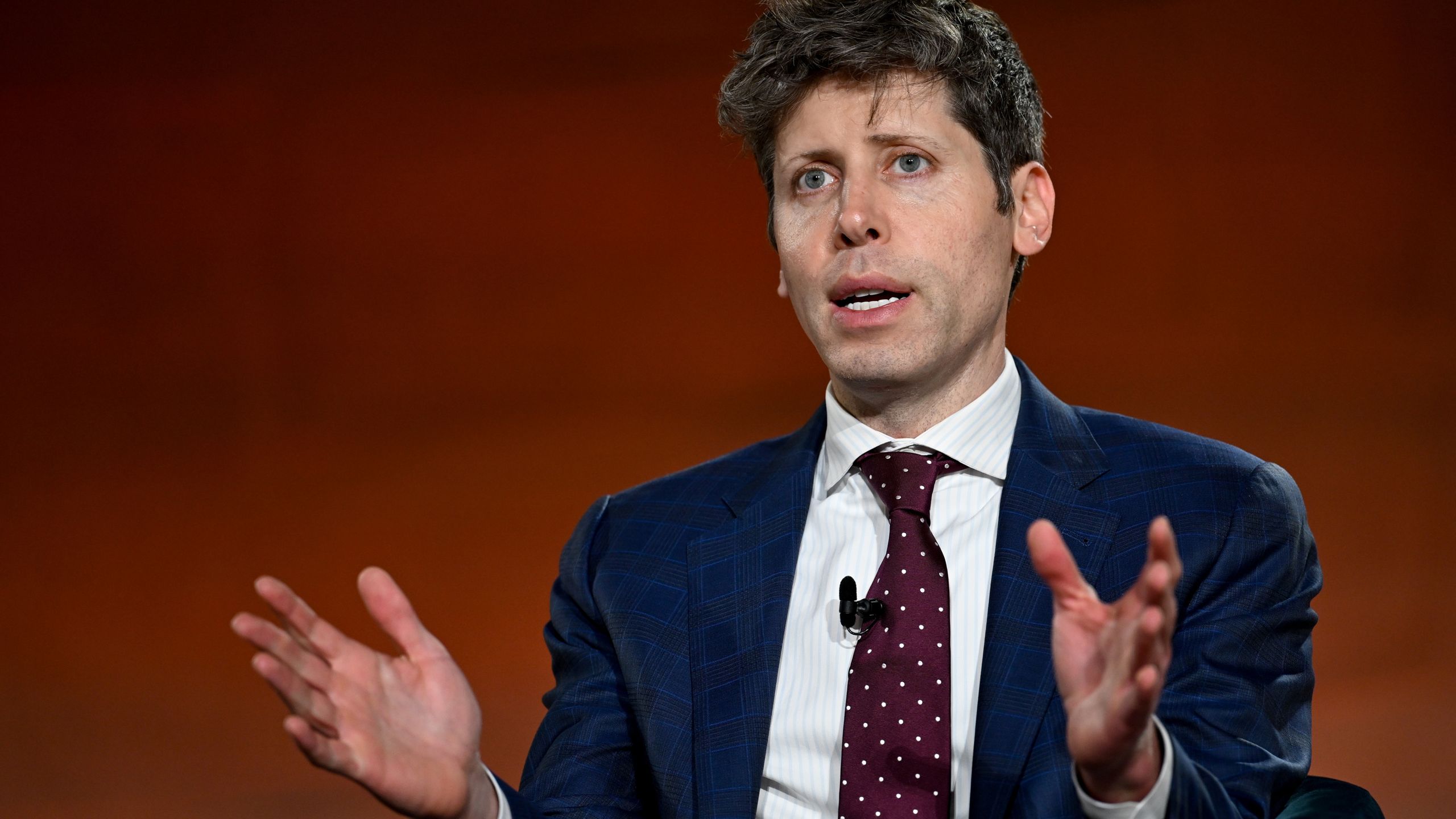
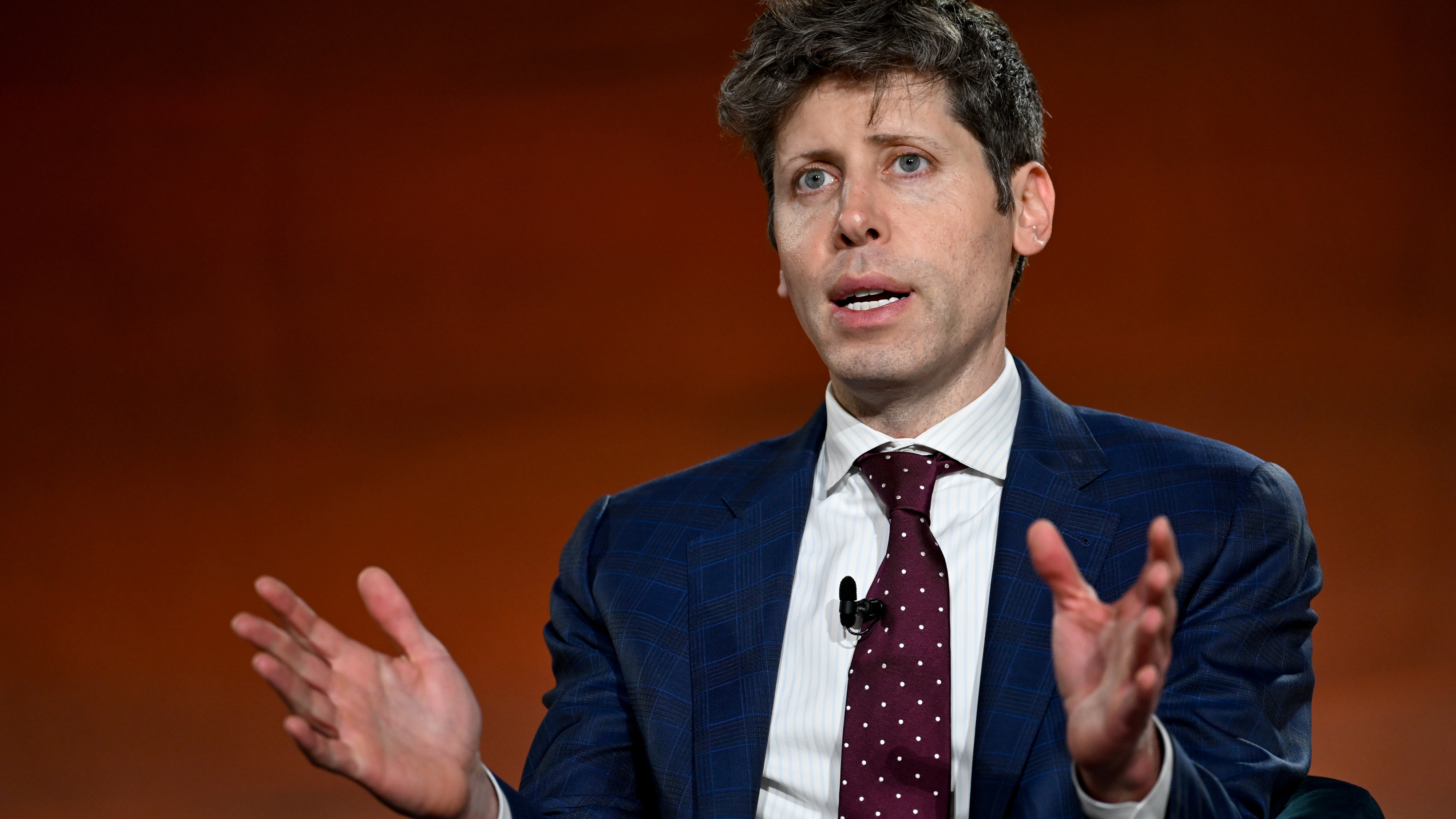
However, OpenAI, the architect behind the GPT series, is moving to challenge this narrative. In a significant policy shift, CEO Sam Altman and Chief Scientist Jakub Pachocki have issued a definitive statement: the goal of the company is not to replace human agency, but to augment it.
The ‘Built to Benefit Everyone’ Manifesto
In a recently published document titled ‘Built to Benefit Everyone,’ OpenAI’s leadership outlined a philosophical pivot. Marking a departure from the company’s recent focus on raw model capability and iterative performance gains, this manifesto is a values-forward roadmap for a future defined by Artificial General Intelligence (AGI).
Altman and Pachocki argue that the primary utility of advanced AI should be the empowerment of the individual. By enabling people to make higher-quality, more informed decisions, AI should serve as a scaffold for human life rather than a replacement for human presence. The manifesto outlines three fundamental pillars for OpenAI’s future:
- The Automated Researcher: Developing systems capable of autonomous scientific and technical discovery.
- Economic Acceleration: Leveraging AI to stimulate global productivity and wealth creation.
- Personalized AGI: Ensuring that every individual on Earth has access to an AGI agent tailored to their specific needs.
Chronology of a Shifting Landscape
The release of this manifesto is not a coincidence of timing. It arrives during a period of immense pressure and scrutiny for the organization.
- Early 2026: Following a series of public disputes and technical pivots, the AI industry saw a sharp divide in how companies approach "frontier models."
- Mid-2026: OpenAI stepped in to fill a vacuum left by competitor Anthropic, whose high-end "Fable" and "Mythos-5" models were withdrawn from classified US military networks due to national security concerns and rigorous ethical constraints.
- June 8, 2026: On the same day the company released its "Built to Benefit Everyone" vision, OpenAI officially filed confidential paperwork for an Initial Public Offering (IPO). This move signaled a transition from a research-first nonprofit affiliate to a publicly traded titan of industry.
- The Present: Industry observers are now parsing the manifesto to see how much of it is genuine corporate philosophy versus a strategic attempt to frame the company’s mission favorably ahead of its public market debut.
Supporting Data: The Quest for the Autonomous Researcher
Central to OpenAI’s plan is the "automated AI researcher." The company estimates that by March 2028, a substantial portion of its foundational research will be conducted by its own AI systems. This is not merely an efficiency play; it is a necessity for navigating the "post-AGI" environment.
The logic follows that as models become increasingly complex, the human capacity to iterate on them reaches a bottleneck. By creating systems that can self-improve, analyze vast datasets, and test hypotheses in a simulated environment, OpenAI hopes to compress decades of research into months.
However, this raises a critical question regarding definition. "AGI" remains a moving target. While OpenAI envisions a world where everyone possesses a personal AGI, there is no industry-wide consensus on what that looks like. Does it mean a super-intelligent assistant that manages one’s finances, or an autonomous agent that handles one’s entire professional life? The ambiguity of the term allows for a wide interpretation, which both experts and critics suggest is intentional.
Official Responses and Ethical Friction
The "Built to Benefit Everyone" note acts as both a vision statement and a defense against mounting criticism. Critics have pointed to OpenAI’s recent history—specifically its willingness to work with the US military—as evidence of a "softer" ethical stance compared to competitors like Anthropic.
When OpenAI assumed the military contracts previously held by Anthropic, it was widely criticized by those who favored Anthropic’s strict "no-surveillance" and "human-in-the-loop" mandates. While Sam Altman maintains that OpenAI operates under a similar set of moral guardrails, the distinction is subtle. To many observers, the manifesto is an attempt to reclaim the moral high ground, positioning the company as a magnanimous provider of global prosperity rather than a developer of dual-use technologies for defense.
Furthermore, the document has been interpreted as a direct response to Anthropic’s recent white paper on "Recursive Self-Improvement." By mirroring the discourse on research-heavy AI, OpenAI is signaling to its shareholders and the public that it is not falling behind in the race toward the next generation of intelligence.
Implications: The IPO and the Power Paradox
The timing of the manifesto, coinciding with the IPO filing, has led many financial analysts to view the document as a "PR shield." As a public company, OpenAI will be beholden to fiduciary duties that may conflict with its original mission of "benefit for all."
The document notably avoids the "elephant in the room": the environmental cost. As the demand for compute increases, the construction of massive data centers continues to put pressure on water and power grids, particularly in drought-stricken regions of the United States. While the manifesto promises a future of equitable AI access, it remains silent on the resource-heavy infrastructure required to sustain that future.
The Human Element
The core tension remains the definition of "benefit." If AI is to provide a personal AGI to every human, it implies a level of dependency that has never been tested at scale. Will this create a more equitable world, or will it exacerbate the digital divide, where those with the best-configured personal agents have a structural advantage over those without?
For now, OpenAI is doubling down on the narrative that we are heading toward a collaborative future. Whether this vision is a genuine roadmap for human empowerment or a polished marketing strategy for an impending public offering remains to be seen. What is clear, however, is that the era of "simple" AI is over. We have entered the era of the "Operator"—and the companies that define these agents will define the trajectory of the global economy for decades to come.
Conclusion: A New Social Contract
The evolution of OpenAI from an experimental lab to a publicly traded corporation represents a broader societal shift. The "Built to Benefit Everyone" document is an invitation for the world to trust in the company’s long-term vision.
As we look toward 2028 and beyond, the success of these initiatives will be measured not by the intelligence of the models themselves, but by their impact on the average person. If Altman and Pachocki can bridge the gap between high-level technological research and tangible, everyday benefits, they may indeed change the world. However, if the pursuit of AGI continues to ignore the environmental and ethical costs of its creation, the "benefit for all" may prove to be a promise that the industry cannot keep.
The public market will soon have its say, but the true jury is the global population, who will determine whether these tools become the ultimate assistants or something far more complex.


 Jia Lissa
 Ammar Sabilarrohman