Laily UPN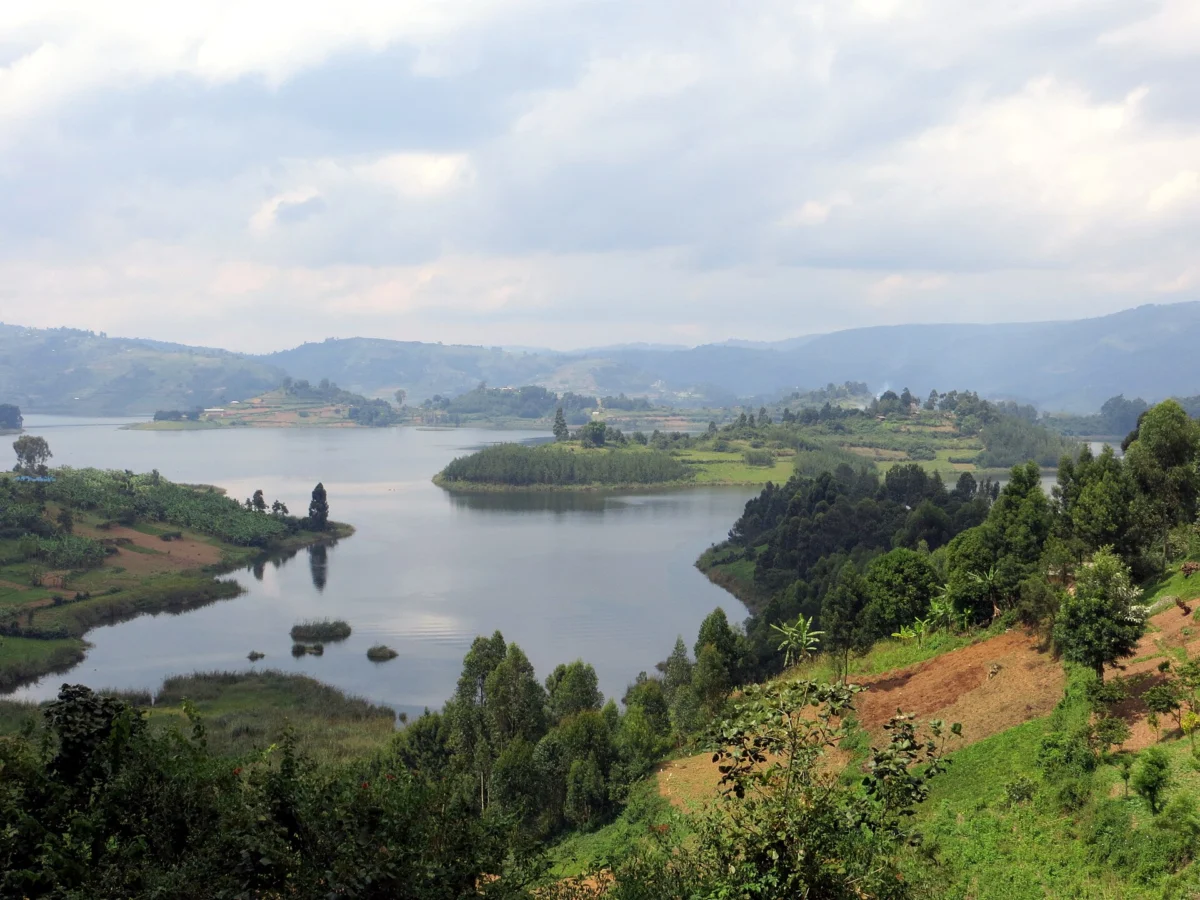
In the landscape of modern speculative fiction, the term "worldbuilding" has become an axiom of craft. It implies a specific, often unquestioned role for the writer: the omnipotent architect, the sovereign creator who mines history, culture, and geography to assemble a fictional universe. However, a growing body of scholarly and creative discourse—led by voices marginalized by colonial, racial, and cisheteronormative power structures—is challenging this paradigm. They argue that the very language of "worldbuilding" is rooted in colonial logics that prioritize mastery, extraction, and dehumanization.
This shift in perspective asks writers to reconsider their relationship to their craft. Instead of acting as gods over a blank slate, proponents of "worlding" suggest that writers should act as kin, entering into a reciprocal, animate relationship with the worlds they help bring into being.
The Colonial Logic of the "World-Builder"
The prevailing model of worldbuilding rests on several problematic premises: that the author is the sole source of agency, that elements can be decontextualized from their origins, and that a world is a resource to be exploited for narrative gain.

When a writer conceptualizes their task as "building," they inadvertently adopt the mindset of a colonial overseer. They view the inhabitants, terrains, and cultures of their story as playpieces on a board, subject to their whims. This mindset mirrors the historical and ongoing colonial erasure of Indigenous presence, where land is flattened into "property" to be extracted rather than respected as a relative.
As Vanessa Angélica Villareal notes in Magical/Realism, "World-building is an inherently colonial narrative position, which gives the author full omnipotence and control." This urge for total mastery satisfies an imperial desire for order and interpretation, but it comes at a cost: it treats the "material" of the world as inert, rather than alive with its own history and agency.
Case Study: The Toxic Metaphor of Prospect (2018)
To understand the tangible consequences of this mindset, one must look at the 2018 film Prospect. The film serves as a visceral critique of the "prospector" mentality—the drive to arrive, claim, and extract.

In Prospect, characters navigate a moon saturated with toxic spores. The protagonists are indentured workers seeking "gems" harvested from alien creatures known as aurelacs. The process of harvesting these gems is invasive and violent, requiring the cutting of flesh and the disruption of biological life cycles. The characters do not pause to consider the autonomy of these beings; they are strictly commodities.
The film poignantly links this environmental destruction to human dehumanization. As the characters grow desensitized to the violence required to extract resources from the aurelacs, they become similarly indifferent to violence against each other. The "rot" of their colonial logic—the belief that their survival justifies the destruction of the other—eventually consumes them. As Cee, one of the protagonists, demonstrates, the ability to perform surgical amputations on a companion without flinching is a direct evolution of her experience "processing" alien life. This trajectory warns us that when we practice mastery and extraction in our writing, we normalize those same behaviors in our material lives.
Chronology of the Critique: From "Building" to "Worlding"
The pushback against the "worldbuilder" model has gained significant momentum over the last decade, fueled by an increasing awareness of how epistemology—the way we think—shapes ontology—the way we exist and treat the world.

- 1986: Ngũgĩ wa Thiong’o publishes Decolonising the Mind, establishing the foundational critique of how colonial frameworks destroy the intellectual and cultural world of the colonized.
- 2017–2021: Scholars like adrienne maree brown begin to emphasize that the small-scale relations we practice (such as in creative writing) "spiral outward" to form larger political frameworks.
- 2021: Joëlle M. Cruz and Chigozirim Utah Sodeke introduce "liquid organizing" as a theory of engagement, advocating for fluid, emergent relations that resist the rigid, top-down structures of colonial thought.
- 2025–2026: A wave of new scholarship—including Leanne Betasamosake Simpson’s Theory of Water and Ainehi Edoro’s Forest Imaginaries—solidifies the movement toward "worlding," shifting the focus from individual creation to collaborative, kinship-based interaction.
Supporting Data: The Ethics of Contextualization
The danger of the "builder" model is best evidenced by the phenomenon of "mining" cultures. When writers treat history and cultural artifacts as resources, they often decontextualize them in ways that cause real-world harm.
Kemi Cole’s research into the use of Lake Bunyonyi in Uganda as a backdrop for the fictional Wakanda in Black Panther (2018) provides a cautionary tale. By using a site defined by historical femicide as a backdrop for a glossy, aspirational narrative, the creators "overrode community autonomy" and ignored the lived reality of those who call that space home. This is the extractive mindset in action: treating a place with deep, painful history as a convenient "asset" to serve the story’s aesthetic.
Conversely, "worlding" demands deep engagement and honest acknowledgment. It requires that the writer recognize that they are not the first to arrive in a space. They are meeting a world that already possesses a history, a spirit, and an integrity that the writer is responsible to protect.

The Shift to "Worlding" as an Anti-Colonial Practice
If we reject the role of the architect, what replaces it? The concept of "worlding," as proposed by scholars like Joseph M. Pierce, offers a path forward.
"Worlding" is not a noun or a static achievement; it is an ongoing, iterative process. To "world" is to exist in a state of constant, nonlinear conversation with the subject matter. It is the recognition that, as Pierce writes, "I world, and I am never alone."
Key Tenets of Worlding:
- Kinship over Mastery: Characters and environments are treated as relatives to be cared for, rather than objects to be controlled.
- The Forest as Protagonist: Following Ainehi Edoro’s research, writers are encouraged to view landscapes not as stage settings, but as co-architects of the narrative that possess their own agency.
- Sintering: Borrowing from Leanne Betasamosake Simpson, this process describes how separate elements join together—like snowflakes forming a pack—without losing their individual integrity. It is a model of collaboration that replaces the "cutting" of extraction with the "bonding" of community.
- Liquid Organizing: Emphasizing fluid, adaptive relations that deny the colonial logic of separability.
Implications for the Future of Speculative Fiction
The implications of adopting a "worlding" approach are profound. It asks the writer to step down from the throne of the creator and enter the messy, unpredictable, and rewarding work of being a participant.

By breaking the habits of the "builder," writers can begin to "break the world"—in the sense used by Justin L. Mann—by dismantling the normative, extractive structures that have dominated SFF for too long. This does not mean the end of imagination or the loss of "marvelous fictive worlds." On the contrary, it promises a deeper, more vibrant form of storytelling.
When we view our stories as animate beings that require our accountability, we stop "mining" and start "conversing." We move from a practice of extraction to a practice of weaving. We stop pretending that we are the sole authors of our stories, and instead, we honor the histories, ancestries, and possibilities that breathe through our pages.
In this light, authorship is no longer an act of god-like creation; it is an act of revelation. To create is to reveal what is already there—waiting for us to listen, to respect, and to walk alongside it. By shifting our mindset from building to worlding, we do not just change how we write; we change how we inhabit the world we share with each other.


 Muslim
 Reynand Wu