Neng Nana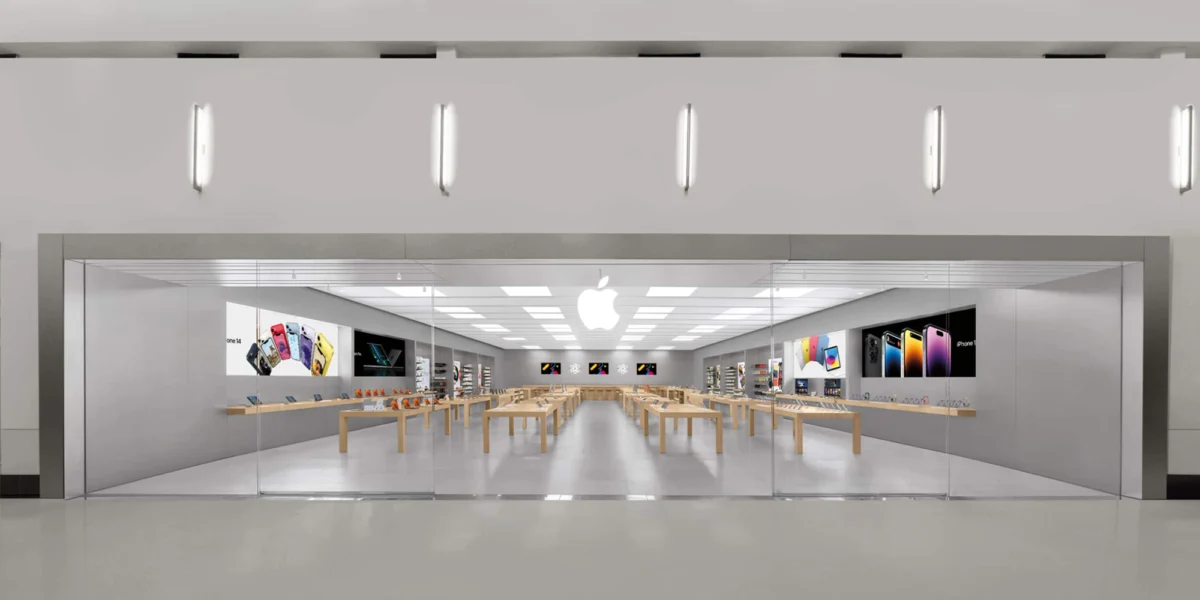
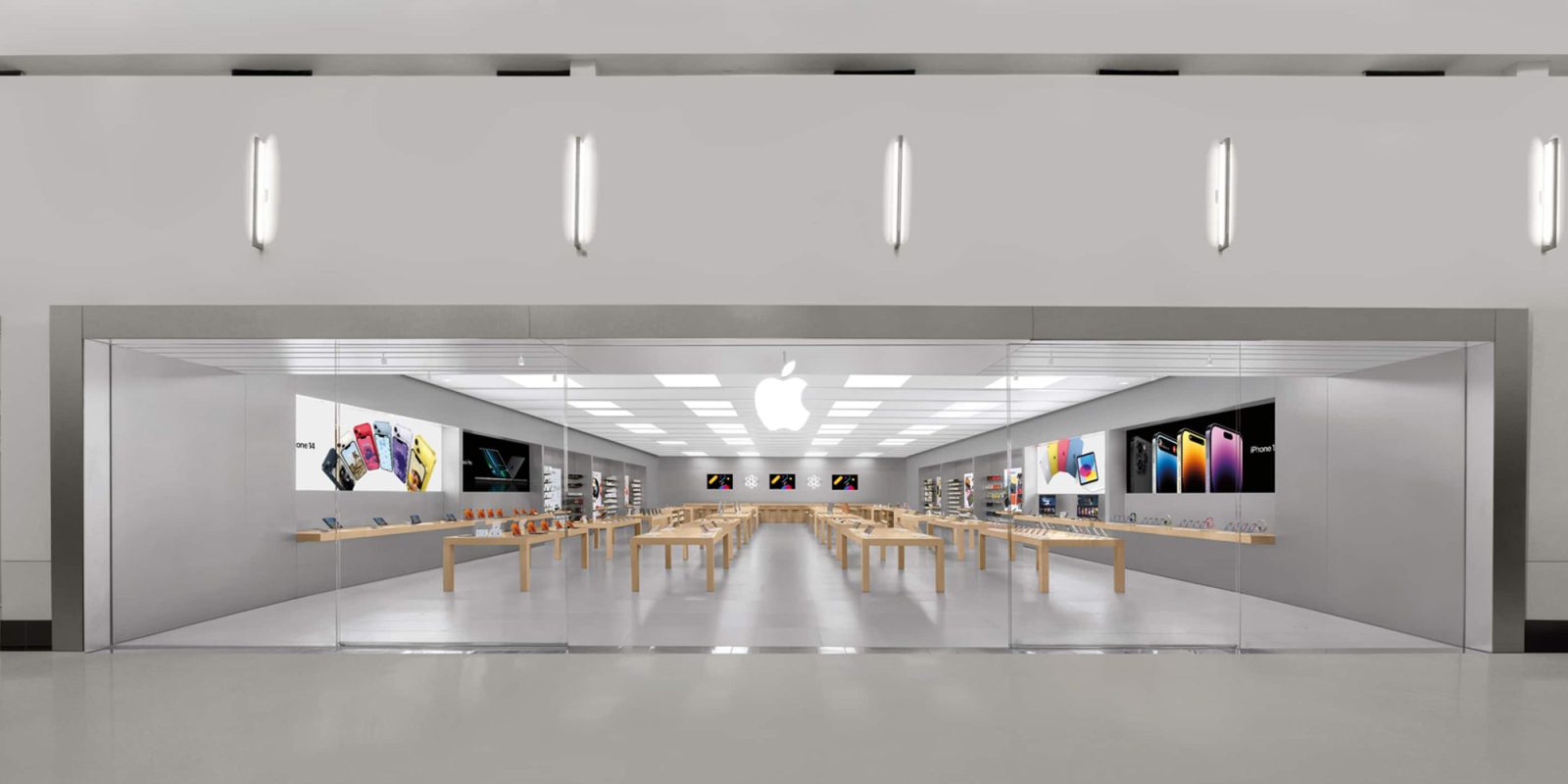
In a move that marks a significant contraction of its physical retail footprint, Apple is permanently closing three of its United States storefronts today. The decision, which was first announced in April, impacts locations in Connecticut, Maryland, and California. While Apple has officially cited the declining health of the host shopping centers as the primary catalyst for these closures, the situation has ignited a firestorm of political and labor-related controversy, particularly regarding the fate of the first unionized Apple Store in the nation.
Which Apple Stores are closing today?
The three locations permanently ceasing operations are:
- Apple Trumbull Mall (Trumbull, Connecticut)
- Apple Towson Town Center (Towson, Maryland)
- Apple The Shops at North County (Escondido, California)
These closures represent a strategic pivot for Apple, a company that has historically viewed its retail presence as a cornerstone of its brand identity and customer service strategy.
Chronology: From Announcement to Final Day
The trajectory toward today’s closures began in early spring, when reports surfaced regarding the viability of these specific retail environments.

- April 2026: Apple officially confirmed the closure of the three locations in a statement to 9to5Mac, citing "the departure of several retailers and declining conditions" at the malls in question.
- May 2026: Tensions escalated in Towson, Maryland, as unionized workers staged protests against the closure, arguing that the decision was retaliatory rather than purely economic.
- May–June 2026: Local lawmakers and government officials, including the Mayor of Baltimore, began publicly questioning the rationale behind the Towson closure, putting pressure on Apple’s executive leadership.
- June 2026: The final day of operation arrives, signaling the permanent end of service for these three sites.
Supporting Data: The Decline of the Mall Landscape
Apple’s justification for these closures is rooted in a broader trend of retail real estate volatility. The company asserts that it is "constantly striving to deliver exceptional service," and that it remains "deliberate about evaluating our existing locations" to ensure they meet customer needs.
The data supports the claim that the host malls are facing significant headwinds. The Trumbull Mall in Connecticut, for example, recently defaulted on over $150 million in loans. This financial distress is indicative of a wider trend of commercial real estate instability, where anchor tenants are increasingly difficult to retain.
Similarly, the Towson Town Center has seen a steady exodus of high-profile retail partners throughout the year. The departure of brands such as Banana Republic, Tommy Bahama, and Madewell has significantly altered the foot traffic patterns and the overall "premium" atmosphere that Apple typically requires for its flagship retail experiences. When a mall loses its surrounding ecosystem of high-end retailers, Apple’s model—which relies heavily on high-volume, premium consumer interaction—often becomes unsustainable.
Official Responses and Corporate Strategy
In its official communication, Apple framed the closures as a standard business evolution. By consolidating its retail presence, the company claims it can better focus on its global strategy of expanding and enhancing its remaining stores.
However, the contrast between the treatment of employees at the various locations has become a central point of contention. Apple stated that staff at the Trumbull and Escondido stores would be given the opportunity to "continue their roles at nearby Apple Retail stores." This standard transition package reflects typical corporate policy for store closures.
In contrast, the language used for the Towson Town Center employees was notably distinct. Apple stated that those workers were permitted to "apply for open roles at Apple in accordance with the collective bargaining agreement." This subtle, yet critical, distinction implies that the guaranteed transfer offered to non-union employees was not automatically extended to the Towson staff, a point that has fueled allegations of union-busting.
Implications: The Union Controversy
The closure of the Apple Towson Town Center is arguably the most sensitive issue in the company’s recent history. As the first Apple Store in the United States to unionize (a milestone reached in June 2022), the location has served as a symbol of the growing labor movement within the tech industry.
The International Association of Machinists and Aerospace Workers (IAM), which represents the Towson employees, has been vocal in its opposition. IAM International President Brian Bryant characterized the move as a direct attack on labor rights:

"This is about whether workers are treated fairly under the law or punished for exercising their rights. Apple is denying union-represented workers the same opportunities it is giving to others—and doing so because these workers chose to organize. That is discrimination, and it is exactly what federal labor law is designed to prevent."
The legal implications are significant. The union agreement mandates that Apple must offer transfers within a 50-mile radius if the company opens a new store within that same radius. Because Apple has currently stated it has no plans to open a new store in the Towson area, the company argues it has met its contractual obligations. Critics, however, argue that the absence of a "new store" is a loophole being used to facilitate the dispersal of a collective bargaining unit.
Political and Public Backlash
The decision has transcended corporate policy, drawing the ire of Maryland lawmakers and local leadership. The political pressure stems from the perception that a massive, highly profitable corporation is using the cover of "declining mall conditions" to dismantle a landmark unionized workforce.
By failing to relocate the Towson team to a nearby facility, Apple has created a narrative that it values its retail aesthetic more than the stability of its workforce. Whether or not this will have long-term consequences for Apple’s labor relations remains to be seen, but the optics have undoubtedly strained the company’s relationship with organized labor.

Future Outlook for Apple Retail
As Apple continues to prune its physical locations, the industry will be watching closely to see if other unionized stores—or stores in struggling malls—face similar fates. The "declining conditions" argument is a potent tool for a corporation, but it is one that requires careful navigation in the modern regulatory environment.
The closure of these three stores serves as a case study in the tension between corporate efficiency and labor stability. For customers, the loss of these locations means fewer touchpoints for support and sales. For the retail industry, it confirms that even the most successful brands are not immune to the gravitational pull of a changing commercial landscape.
As we look toward the future of Apple Retail, the company will need to balance its desire for streamlined, high-performance environments with the increasing demand for transparency in how it treats the employees who serve as the face of the brand. For now, the lights at the Trumbull, Escondido, and Towson locations have flickered off, leaving behind a complex legacy that will be debated in boardrooms and courtrooms for months to come.
Key takeaways for stakeholders:
- Strategic Retrenchment: Apple is prioritizing "high-quality" environments, moving away from malls in decline.
- Labor Friction: The Towson closure represents a potential legal and PR liability due to its status as a unionized store.
- Employment Transition: Non-union stores are receiving standard transfer paths; unionized stores are facing more bureaucratic hurdles for re-employment.
- Market Sensitivity: The retail real estate crisis is impacting even the most successful tech giants, forcing a shift in global strategy.

 Ammar Sabilarrohman
 Jia Lissa