Whether you are a parent looking to introduce the next generation to the wonder of speculative fiction, or an adult reader seeking a nostalgic, accessible break from dense, high-stakes adult fantasy, children’s and Young Adult (YA) literature remains a cornerstone of the genre.
For years, the landscape of children’s fantasy was dominated by a singular narrative: the "magical orphan" who discovers their destiny, attends a specialized school, and defeats a dark lord with the help of a "found family." However, as cultural standards and reader sensibilities evolve, many have begun to find "qualms" with the foundational tropes of those classic series. Readers are increasingly seeking narratives that prioritize diverse representation, nuanced moral complexity, and fresh perspectives on what it means to be a hero.

If you are looking to fill that specific "prophecy-shaped hole" in your reading list, the following curated selection offers vibrant, essential alternatives that echo the beloved beats of classic fantasy while carving out entirely new magical frontiers.
The Evolution of Fantasy: Core Themes and Transitions
The modern fantasy reader is no longer satisfied with static archetypes. Today’s most compelling series focus on the intersection of identity and power. While the classic "orphan-to-hero" pipeline provided a simple entry point into the genre, contemporary authors are leveraging those same structural pillars—such as coming-of-age journeys and epic conflicts—to explore deeper questions about colonization, prejudice, and the importance of community.
Chronology and Recommendations
The following list spans from timeless classics to the latest 2026 releases, providing a comprehensive roadmap for readers of all ages.
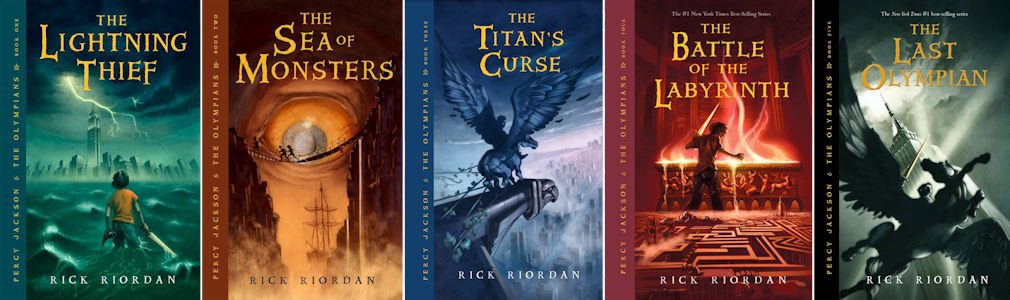
1. Percy Jackson and the Olympians (Rick Riordan)
Perhaps the definitive "coming-of-age" series for the modern era, Rick Riordan’s work is a masterclass in blending mythology with contemporary middle-grade anxiety. Percy Jackson, a demi-god navigating his place in a world where he is an outsider, finds his home at Camp Half-Blood.
- Key Parallels: The series masterfully utilizes the boy coming-of-age narrative, a specialized school setting, and the weight of being entangled in prophecies that foretell a war between good and evil.
- Why it matters: Beyond the action, Riordan’s commitment to representing ADHD and dyslexia as "battle-ready" traits has made this series a touchstone for neurodivergent readers.
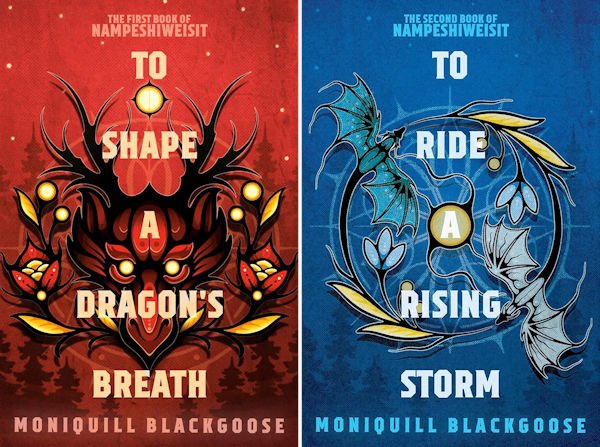
2. Nampeshiweisit Series (Moniquill Blackgoose)
A trailblazing entry in modern fantasy, this series follows Anequs, an indigenous protagonist who navigates the complexities of a society that fears her connection to a wild dragon.
- Key Parallels: Anequs is torn between two worlds—her tribal identity and the colonial school she is forced to attend—making her a powerful voice against the prejudice inherent in her society.
- Why it matters: It provides a necessary critique of colonization while offering stellar representation for the autism spectrum and LGBT relationships.
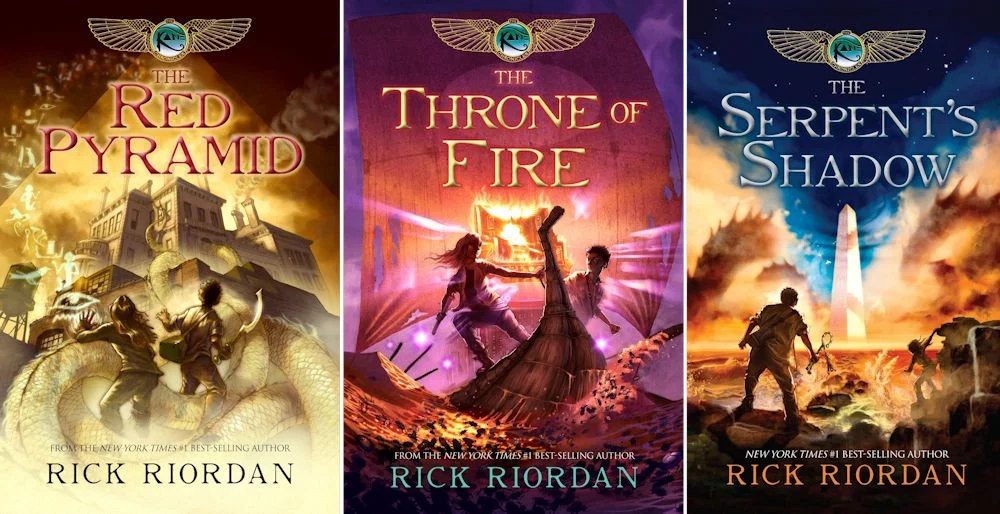
3. The Kane Chronicles (Rick Riordan)
Expanding into Egyptian mythology, this series follows Carter and Sadie Kane, siblings who find themselves becoming orphans and thrust into a hidden world of magic.
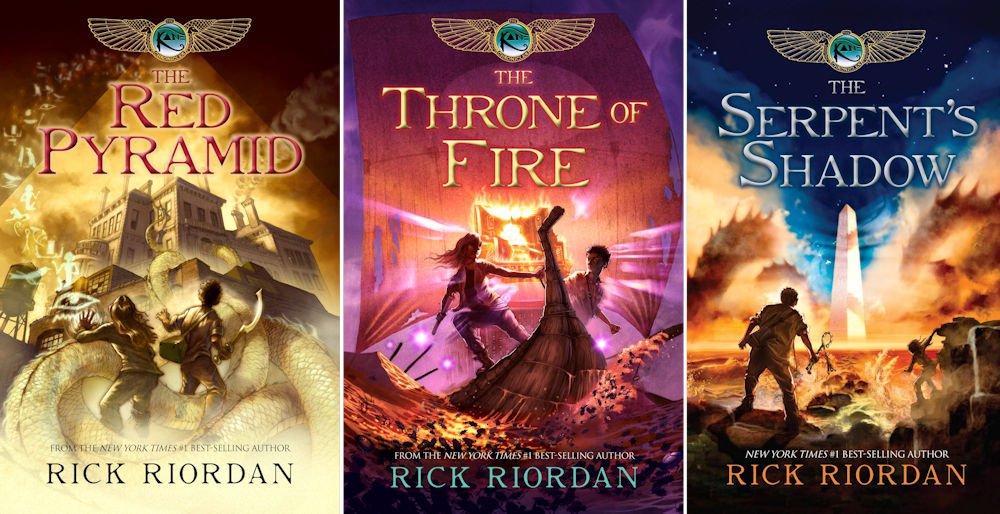
- Key Parallels: A split-POV coming-of-age journey that sees the protagonists transform from lost children into leaders of their own school for children of the gods, culminating in a war against the evils of the chaos serpent, Apophis.
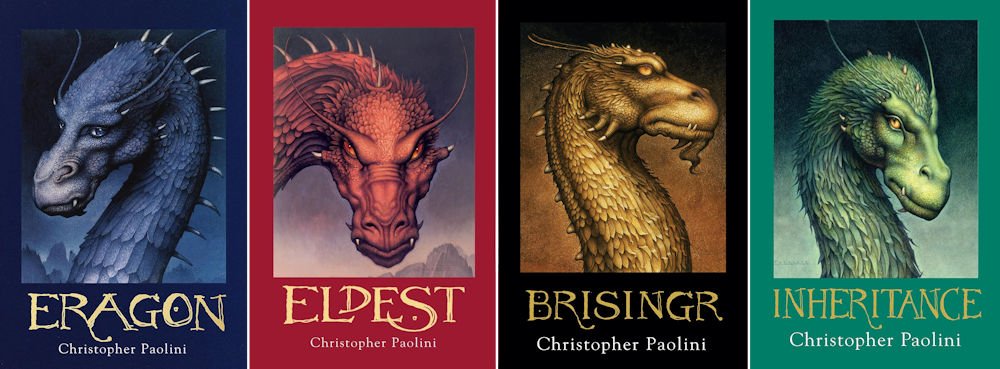
4. The Inheritance Cycle (Christopher Paolini)
For readers ready to step into the realm of "epic" fantasy, the Eragon series remains a staple.
- Key Parallels: It is a high-stakes coming-of-age story featuring an orphan boy whose life is irrevocably altered by a dragon, setting the stage for a massive war between good and evil.
- Implications: It serves as a perfect bridge between children’s literature and the more complex, sprawling adult fantasy sagas.
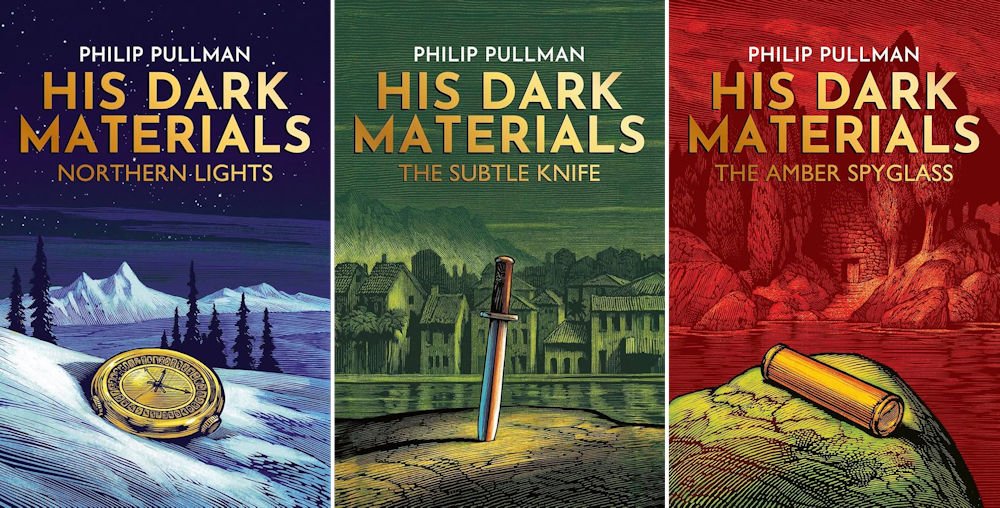
5. His Dark Materials (Philip Pullman)
Often overlooked for its philosophical and religious subtext, this series is essential for readers who demand more from their fantasy than simple "good vs. evil" dynamics.
- Key Parallels: A classic coming-of-age journey that centers on Lyra Belacqua’s rebellion against corrupt authority, culminating in an epic war against the Magisterium.
- Why it matters: It teaches young readers that questioning authority is not just a right, but a necessity for growth.
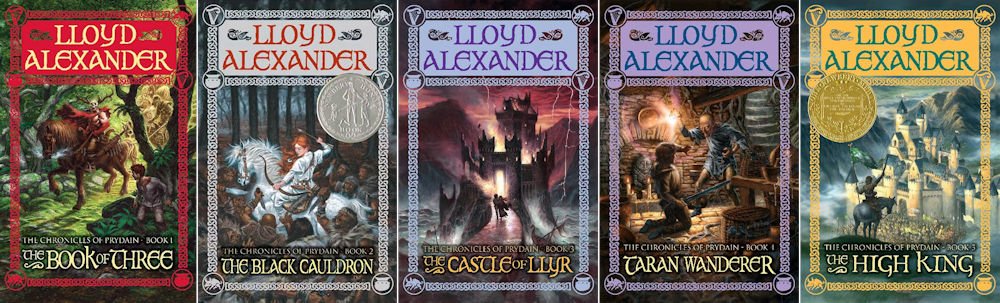
6. The Chronicles of Prydain (Lloyd Alexander)
Rooted in the Mabinogion, this series is the spiritual ancestor to much of modern fantasy.
- Key Parallels: Taran, an orphan boy and assistant pig-keeper, undergoes a definitive coming-of-age arc while fighting against the evil of Arawn.
- Why it matters: Its influence on modern titans—like Sarah J. Maas—makes it a "must-read" for those who want to understand the lineage of the genre.
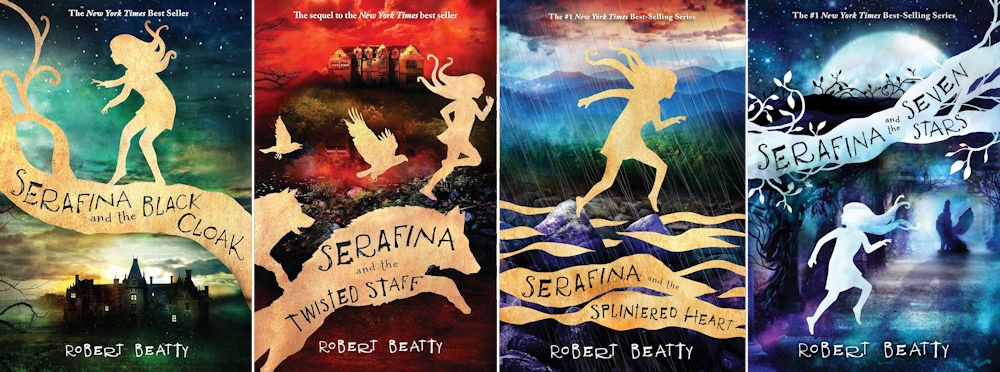
7. The Serafina Series (Robert Beatty)
Part of the "Rick Riordan Presents" imprint, this series blends historical fiction with dark fantasy.
- Key Parallels: Serafina’s struggle to find her place between two worlds while fighting against evil forces emphasizes the importance of found family.
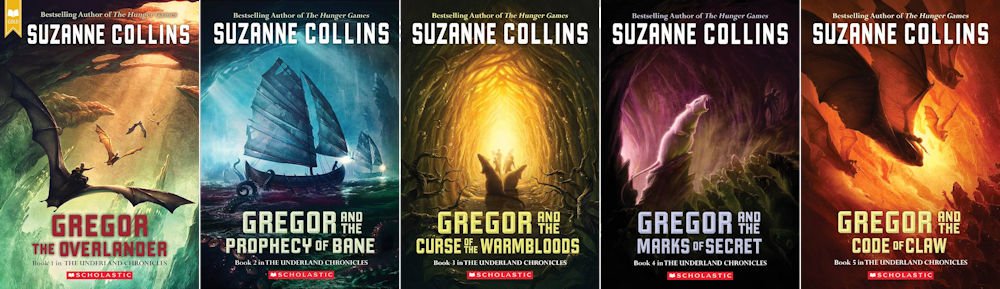
8. The Underland Chronicles (Suzanne Collins)
Before The Hunger Games, Suzanne Collins crafted this subterranean masterpiece.
- Key Parallels: Gregor is a reluctant hero whose life is defined by prophecies and the necessity of being torn between two worlds.
- Why it matters: It handles themes of PTSD and socioeconomic struggle with a grace rarely seen in children’s literature.
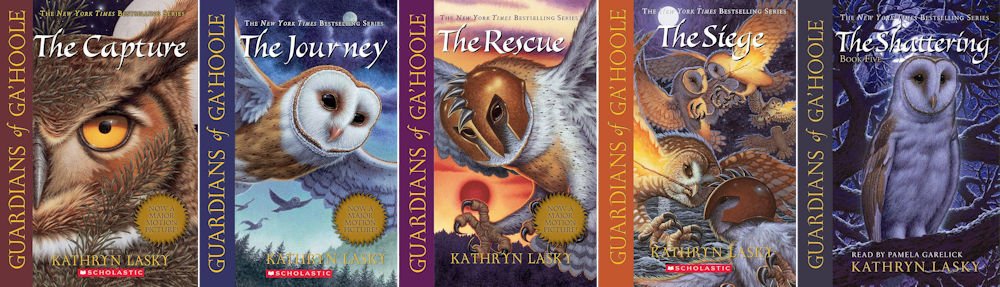
9. Guardians of Ga’Hoole (Kathryn Lasky)
A unique series that proves human characters are not a requirement for a compelling story.
- Key Parallels: The protagonists attend classes at the Great Tree to prepare for a war against supremacist barn owls, frequently speaking out against the prejudices of their world.
10. Renegades & Warriors (Erin Hunter)
Erin Hunter’s foray into new territory with Renegades—and the long-standing Warriors series—continues to dominate the genre.
- Key Parallels: Both series rely heavily on prophecies, the threat of war, and characters finding themselves torn between two worlds (e.g., kittypet vs. clan cat).
Supporting Data: Why Tropes Endure
The persistence of the "orphan-hero" trope is not accidental. According to literary analysis, the absence of parents removes the "safety net" of the protagonist, forcing them into a state of hyper-autonomy. This is a critical component of the coming-of-age narrative, as it forces the character to build their own moral compass rather than inheriting one.
However, current market trends show that while readers still love these foundational structures, they are demanding that the "found family" be more diverse and the "school" settings be more inclusive. The success of the Nampeshiweisit series, for instance, proves that readers are hungry for fantasy that acknowledges real-world systemic issues—like racism and disability—within a magical framework.
Official Responses and Literary Critiques
Critics often argue that children’s literature should be an "escape." However, authors like Rick Riordan and Suzanne Collins have argued that children are capable of handling complex themes.
"We underestimate the intelligence of young readers," a sentiment often echoed in literary circles, suggests that the "war between good and evil" is the perfect vessel to discuss real-world ethical dilemmas. By framing these issues through the lens of fantasy, authors provide a safe space for children to process concepts like PTSD, prejudice, and the moral ambiguity of war.
Implications for the Future of YA Literature
As we look toward the remainder of 2026 and beyond, the implications for the genre are clear: the "classic" model of fantasy is not dying; it is being renovated. The inclusion of diverse perspectives, neurodivergent protagonists, and critiques of societal structures indicates a move toward a more socially conscious brand of storytelling.
For the reader, this means a wider selection of books that do more than just entertain. These stories provide tools for emotional growth and critical thinking. Whether you are revisiting the forests of the Warriors or diving into the dragon-ridden skies of Nampeshiweisit, you are participating in a tradition that is as vital and evolving as the readers who consume it.
If you have your own recommendations to add to this list—titles that subvert expectations or offer a fresh take on the classic hero’s journey—please contribute to the conversation in the comments below. Let us continue to fill the holes in our reading lists with stories that challenge, inspire, and define the next generation of fantasy.