Ammar Sabilarrohman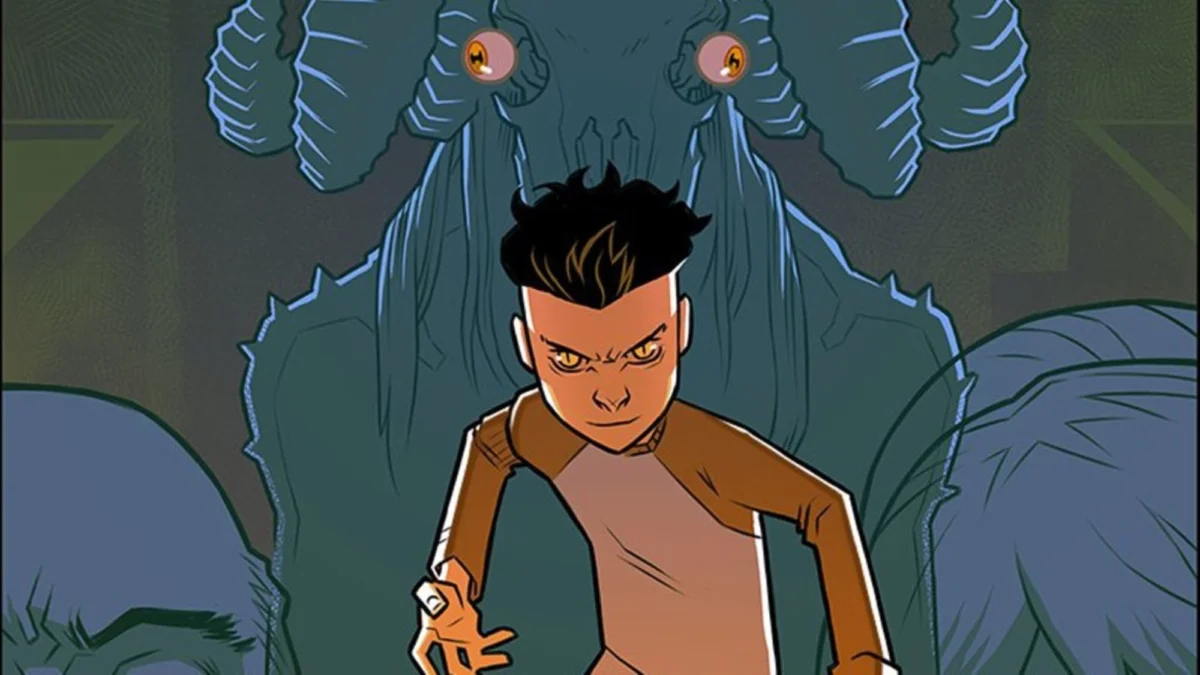
In the shifting landscape of modern sequential storytelling, the traditional "direct market"—the system of comic book shops and monthly single-issue releases—no longer holds a monopoly on success. For veteran comic creator Justin Jordan, a name synonymous with gritty, high-octane titles like Luther Strode, Spread, and various DC and Valiant runs, the most significant milestone of his career has not been found on a spinning rack at a local comic shop. Instead, it resides on Webtoon, the global digital platform that has fundamentally altered the economics of being an independent creator.
His series, Urban Animal, created alongside artist John Amor and letterer Micah Myers, has become a digital juggernaut. With over 465,000 subscribers and a consistent weekly readership hovering between 80,000 and 100,000, the series stands as a testament to the viability of the webtoon model for seasoned industry professionals.
The Evolution of a Career: From DC to Digital
Justin Jordan’s resume is a roadmap of the 2010s comic book industry. From writing The Curse of Brimstone and New Guardians for DC Comics to his influential work on the Shadowman reboot at Valiant, Jordan has navigated the peaks and valleys of work-for-hire and creator-owned projects. However, he is the first to admit that his perception of "comics" was long confined to the direct market.
"I have a bad habit of saying ‘comics’ when what I am actually talking about is ‘direct market comics,’" Jordan notes. "We talk about comics being in trouble based on what’s happening in the direct market. But while the direct market has its ups and downs, comics—sequential storytelling—is enormously popular."
The shift toward digital platforms represents more than just a change in medium; it represents a change in audience reach. While top-tier print comics struggle to maintain consistent readership, the digital sphere, dominated by manga and webtoons, boasts figures that would be considered astronomical in traditional print.
The Webtoon Phenomenon: By the Numbers
To understand the scale of Urban Animal, one must look at the comparative data. When a series like Dav Pilkey’s Dogman commands a five-million-copy print run, it highlights a massive, underserved appetite for comics outside of the superhero-centric direct market.
Webtoon operates on a different scale entirely. Series like Let’s Play boast over 3.7 million subscribers. Urban Animal, with its 465,000-strong subscriber base, sits firmly in the "middle of the pack" for the platform—a position that, in any other market, would be considered a runaway success.
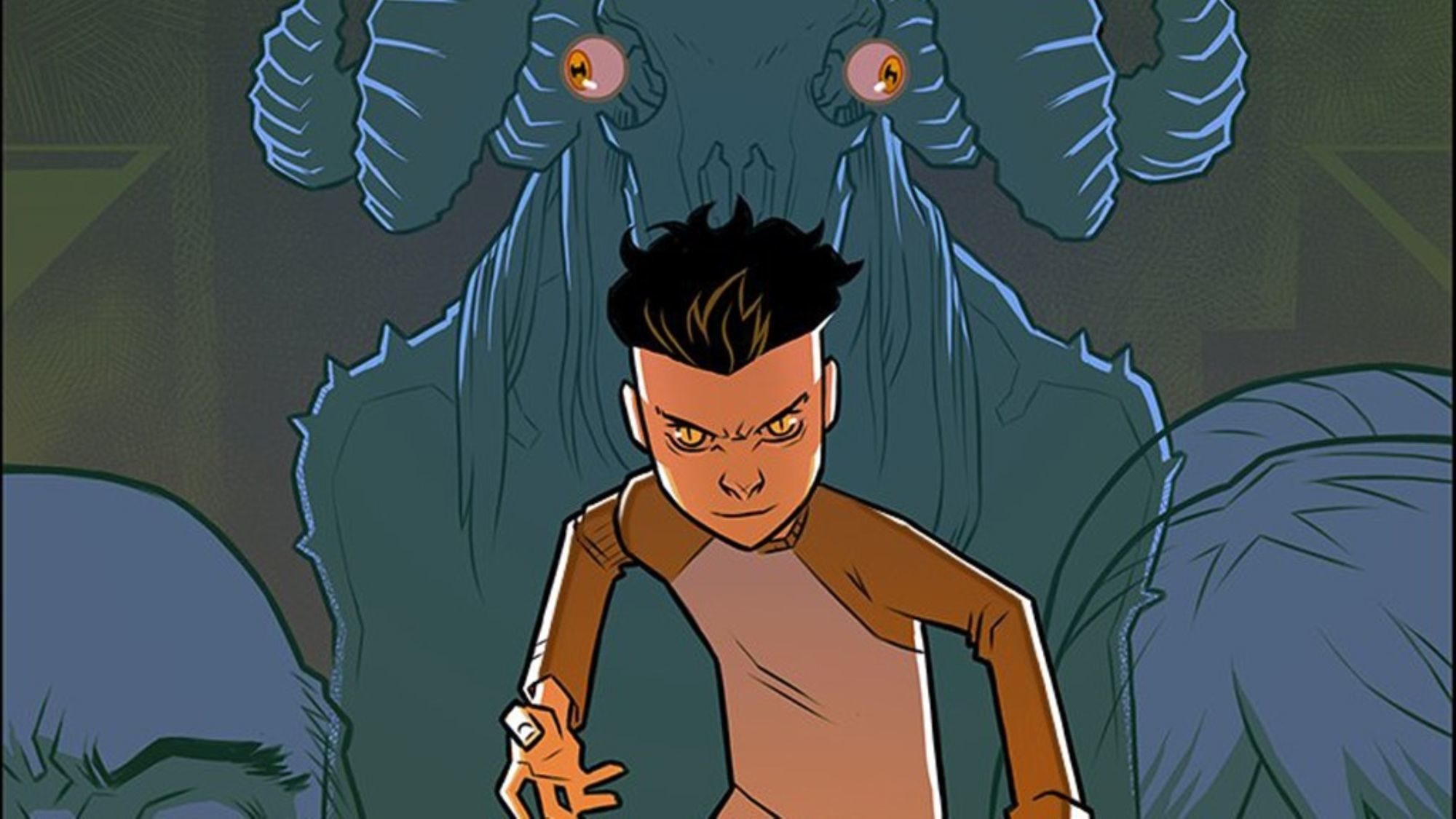
Weekly readership metrics for Urban Animal—consistently landing between 80,000 and 100,000 readers—place it in direct competition with the top ten titles in the traditional print market. However, there is a critical distinction: the barrier to entry. Webtoons are free. This "confounding variable" makes direct comparisons to print sales difficult, yet the sheer volume of engagement suggests that digital platforms are successfully converting casual readers into loyal, daily consumers of serialized content.
Financial Viability: The "Fast Pass" Business Model
One of the most pressing questions for creators moving to digital is sustainability. How does a "free" product generate income? For Urban Animal, the answer lies in the "Fast Pass" system—a micro-transaction model that allows readers to pay approximately 50 cents to access episodes ahead of the general release.
"I can’t talk publicly about the amount of money that brings in," Jordan explains, "but I can say that the minimum number of paying people, based on what we do make from Fast Pass and our split with Webtoons, is 4,000 people a week."
This model offers a level of financial stability that is often elusive in creator-owned print books. In many instances, the income generated from a Webtoon project matches or exceeds the page rates offered by major publishers like DC Comics. Because Webtoon acts as a licensee rather than a publisher seeking to acquire property rights, the creator retains a higher degree of control and flexibility.
"We’re getting a license fee that gives them exclusive rights to it for a certain period of time, and then we can do whatever we want with it," Jordan says. This allows creators to pursue secondary revenue streams, such as merchandise, early in the project’s lifecycle—a significant advantage over traditional contracts where rights are often tied up for years.
The Road to Print: Bridging the Digital-Physical Divide
Despite the success of the digital-first model, the desire for physical collectability remains strong. Jordan’s recent move to crowdfund a print edition of Urban Animal via Kickstarter marks a strategic pivot in the property’s lifecycle. By partnering with Rocketship Entertainment—a publisher that has successfully brought titles like Let’s Play to bookstore shelves—Jordan is navigating the complexities of reformatting, printing, and distribution.
The shift toward crowdfunding reflects a broader industry trend. As creators like Scott Snyder and even high-profile figures like Keanu Reeves turn to platforms like Kickstarter, it is clear that the barrier between "indie" crowdfunding and professional, top-tier comic production has evaporated. For Urban Animal, the goal is to capture a new segment of the market—those who prefer the permanence of a 200-page graphic novel to the ephemeral, scrolling experience of a smartphone app.
Implications for the Future of Comics
The success of Urban Animal serves as a case study for the future of serialized storytelling. For Jordan, the hyperserialized format has changed the way he constructs narratives. The "beats" of a Webtoon episode, designed for vertical scrolling and weekly consumption, differ vastly from the splash-page-heavy pacing of a standard 22-page comic book.
Furthermore, the data suggests that the "death of comics" is a narrative exclusive to the direct market. When viewed as a global, digital-first industry, comics are thriving. The ease of access provided by platforms like Webtoon allows for a diverse array of genres to find their niche, from the shape-shifting superheroics of Urban Animal to the slice-of-life dramas that dominate the platform’s top charts.
As the industry continues to evolve, the distinction between "webcomic" and "comic book" will continue to blur. Creators who can successfully navigate both the digital, ad-supported ecosystem and the physical, direct-to-consumer crowdfunding market will likely be the ones to define the next generation of the medium.
Final Reflections
Justin Jordan’s experience with Urban Animal proves that a creator’s success is no longer tethered to the traditional gatekeepers of the direct market. By leveraging a massive, global audience on Webtoon, utilizing micro-transactions for immediate revenue, and planning long-term physical releases through crowdfunding, Jordan has built a sustainable, scalable business model.
For readers, the takeaway is simple: the stories are getting better, the accessibility is at an all-time high, and the creators are finding new, innovative ways to ensure their work continues to reach the masses. Whether you follow Joe Gomez on his journey as a Chimera on a weekly basis or wait for the collected, physical edition, the success of Urban Animal is a ringing endorsement of a creator-driven, platform-agnostic future for the comic book industry.
Urban Animal continues its run every Saturday on Webtoon. The Kickstarter campaign for the collected print edition marks the next chapter in what has become one of the most successful independent projects of the digital era.

 Nana
Nana
 Iffa Jayyana