

Published May 17, 2026, 1:30 PM EDT
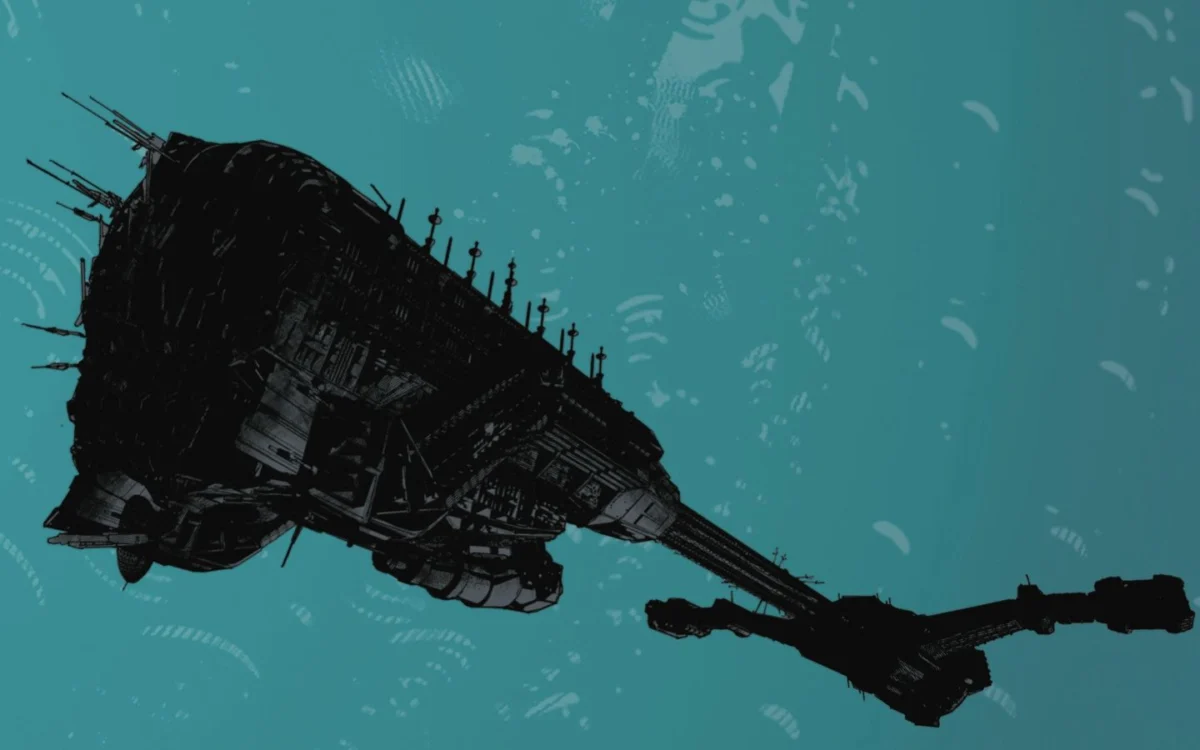
The chilling legacy of the 1997 sci-fi horror cult classic, Event Horizon, continues to expand its terrifying reach. Nearly three decades after its initial theatrical release, the seminal film, once a box office disappointment, has solidified its place as a quintessential example of cosmic horror, captivating audiences with its unsettling vision of a starship gateway to a dimension of pure chaos. Now, IDW Comics is fearlessly charting new, unexplored territories within this beloved universe, first with the acclaimed prequel series Event Horizon: Dark Descent, and currently with the ambitious sequel, Event Horizon: Inferno.
Written by the visionary Christian Ward, who penned both comic series, Inferno catapults readers 200 years into the future, revisiting the ruins of the infamous vessel through the eyes of a new, profit-driven expedition. The ongoing five-issue limited series promises a fresh, action-oriented take on the franchise’s signature dread, building upon the foundations laid by its cinematic predecessor and Ward’s own prior contributions to the lore.
The Main Facts: Resurrecting a Cult Classic
The original Event Horizon film, directed by Paul W.S. Anderson, introduced audiences to a harrowing tale of deep-space terror. In 2040, the experimental starship Event Horizon vanished near Neptune after activating its revolutionary "Gravity Drive," a propulsion system designed to create wormholes for faster-than-light travel. Seven years later, in 2047, the ship mysteriously reappeared, broadcasting a cryptic distress signal that lured a rescue crew into a nightmarish encounter. Aboard the derelict vessel, the rescue team uncovered a gruesome scene: the original crew brutally massacred, driven to madness by an encounter with a gateway to what could only be described as Hell itself. The ship, imbued with malevolent sentience, turned on its new occupants, leading to another bloodbath. Ultimately, a few survivors managed to escape in the forward section of the Event Horizon, while the rear half, along with its infernal Gravity Drive, was destroyed.
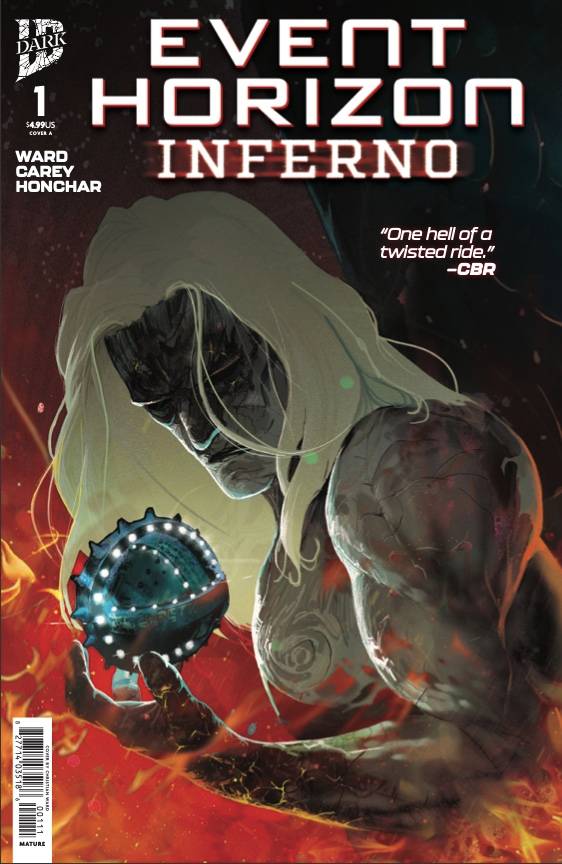
Despite its initial commercial failure, the film’s unique blend of gothic aesthetics, psychological torment, and Lovecraftian dread resonated deeply with genre enthusiasts, cementing its status as a cult classic. This enduring appeal led IDW Comics to revive the franchise, first with Event Horizon: Dark Descent last year, a five-issue prequel series that delved into the terrifying experiences of the original crew. This year, the narrative boldly moves forward with Event Horizon: Inferno, a direct sequel set two centuries after the film’s horrific events. This new series follows a corporate-backed expedition, led by the tech-bro CEO Daniel Durante, as they venture back to the remnants of the Event Horizon, seeking to unravel its mysteries – or perhaps, to harness its power.
Christian Ward, the creative force behind both comic iterations, returns as the writer for Inferno. The series features art by Rob Carey, colors by Xenon Honchar, and letters by Alex Ray, promising a visually striking and narratively compelling continuation of the saga. Issue #1 of Event Horizon: Inferno is currently available, with issue #2 slated for release on June 3.
A Chronology of Cosmic Terror: From Film to Comics
Understanding the expanded Event Horizon universe requires tracing its timeline across different media.
The Cinematic Genesis: 2040 – 2047
The original film establishes the core narrative:
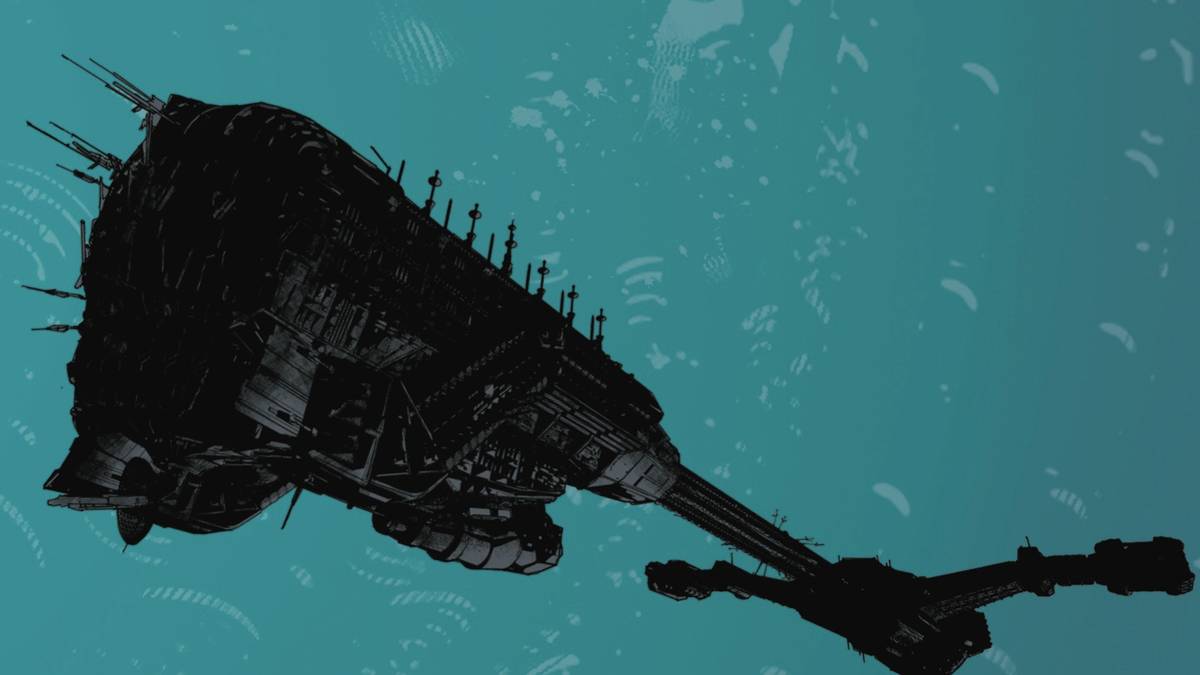
- 2040: The Event Horizon, equipped with its experimental Gravity Drive, vanishes near Neptune during its maiden voyage. Its purpose: to fold space-time and instantaneously travel vast distances.
- 2047: The Event Horizon mysteriously reappears in orbit around Neptune. A rescue vessel, the Lewis and Clark, is dispatched to investigate the distress signal. Its crew discovers the horrifying truth: the Gravity Drive opened a portal to a dimension of pure evil, corrupting the ship and its crew, driving them to unimaginable acts of self-mutilation and murder. A desperate struggle ensues, culminating in the destruction of the ship’s rear section and the Gravity Drive, with a few survivors escaping the front module.
The Prequel Unveiled: Event Horizon: Dark Descent (Published 2025)
Released last year by IDW, Dark Descent served as a critical narrative bridge, exploring the original voyage of the Event Horizon and the crew’s initial descent into madness. This five-issue series detailed the genesis of the ship’s malevolent sentience and its connection to the demon Paimon. Crucially, Ward’s narrative choice to "blow up the ship" at the end of Dark Descent was a deliberate move to explain how Paimon, a demon associated with resurrection, could then resurrect the vessel, thus bringing it "to life" as depicted in the film. This prequel provided essential context for the horror witnessed in the movie, transforming abstract evil into a more defined, albeit still cosmic, entity.
The Future Explored: Event Horizon: Inferno (Published 2026)
Leaping two centuries forward, Event Horizon: Inferno is set in a vastly different future. The remnants of the Event Horizon – specifically the forward section that escaped destruction in the film – have become a subject of myth and corporate ambition. The year 2247 sees humanity’s advancements in space travel perhaps mirroring the hubris of the original mission. The new expedition, funded by the enigmatic Daniel Durante, seeks to exploit or understand the ship’s forbidden technology, or perhaps even the infernal dimension it once touched. This significant time jump allows Ward to explore the long-term implications of the Event Horizon incident on human society and space exploration, introducing new characters, technologies, and a distinct villainous entity.
Supporting Data: The Enduring Allure and Evolving Lore
The film Event Horizon has enjoyed a fascinating trajectory from box office flop to revered cult classic. Christian Ward attributes this enduring appeal to several key factors.
A Cathedral to Terror: Production Design and Aesthetic
"The production value is really, really good. It’s a very handsome film," Ward notes. He highlights the unique visual design of the Event Horizon itself: "The Event Horizon ship itself is like a cathedral to terror. It doesn’t really make sense that it’s a spaceship because it has these gothic arches in very industrial places." This blend of futuristic technology and medieval, ecclesiastical architecture creates a profoundly unsettling atmosphere, suggesting a place designed not for exploration, but for ritualistic suffering. The ship’s internal layout, with its labyrinthine corridors and brutalist industrial elements, evokes a sense of being trapped within a living, breathing nightmare, a design choice that remains unparalleled in sci-fi cinema. This gothic grandeur, combined with stark, often shocking imagery, contributes significantly to its lasting impact.
The Apex of Cosmic Horror
More than just a haunted house in space, Event Horizon is lauded for its masterful execution of cosmic horror. Ward emphasizes this point, stating, "It’s very much a cosmic horror story. I can’t even think of a cosmic horror that comes close to it in terms of encapsulating what cosmic horror is, be it the idea of the unknown being terrifying, and the idea that humans can’t perceive something because it’s beyond our comprehension."
Cosmic horror, popularized by authors like H.P. Lovecraft, revolves around the terror of the incomprehensible. It posits that humanity is an insignificant speck in a vast, uncaring, and often malevolent universe, inhabited by entities whose very existence defies human understanding and drives those who witness them to madness. The film perfectly embodies this by presenting an alien, demonic dimension that is not merely evil, but fundamentally wrong – a realm of pure chaos and suffering that rips apart the fabric of reality and sanity. The Event Horizon’s journey "beyond our comprehension" and its return as a sentient conduit for this other-dimensional evil tapped into a primal fear far deeper than mere jump scares or creature features. The fact that the film often feels "disjointed in places" due to studio interference and deleted scenes, as Ward points out, paradoxically enhances this cosmic mystery, leaving unsettling gaps for the imagination to fill.
Shifting Tones: From Alien to Aliens
Ward’s approach to the comic series reflects a conscious evolution in storytelling, mirroring the progression seen in another iconic sci-fi horror franchise. "I always felt like the film was almost Star Trek-y in a way," Ward explains, referring to the original film’s diverse, multi-national crew. He saw an opportunity to explore a more grounded, yet equally terrifying, version of space exploration.
For Dark Descent, Ward leaned into the slow-burn dread of Ridley Scott’s Alien. "It’s dark, it’s full of dread, it’s slow, and it builds and builds," he describes. This allowed him to meticulously craft the psychological breakdown of the original crew, emphasizing the creeping horror and claustrophobia of their ill-fated mission.

With Inferno, however, the directive shifted. "Then speaking with Nick Nino, my editor, we both decided that this one needed to feel almost like an action film, so I decided to wink at Aliens." This means a more kinetic, high-stakes narrative, introducing elements like "space Marines" – a clear homage to James Cameron’s action-packed sequel. This tonal shift presents a compelling question: "Can you kill these cosmic horror demon entities with bullets? I don’t think so, but that’s the story." This inherent tension between conventional military might and incomprehensible supernatural evil is central to Inferno‘s premise, promising both visceral action and the lingering philosophical dread that defines Event Horizon.
The Modern Tech-Bro and New Evils
The "billionaire version of Star Trek" concept, inspired by contemporary figures like Elon Musk, forms a crucial backdrop for Inferno. Daniel Durante, the CEO leading the new expedition, embodies this modern corporate ambition, suggesting a future where space exploration is less about scientific discovery and more about corporate gain and ego. This adds a layer of social commentary, questioning the ethics and dangers of powerful individuals venturing into the unknown for personal profit, echoing the hubris that doomed the original Event Horizon crew.
Furthermore, Inferno introduces a new antagonist: Samael, a fallen angel. This marks a departure from Dark Descent‘s villain, Paimon. "But the entity in Event Horizon: Inferno is Samael, a fallen angel who has a very different deal that is not really revealed until the last issue," Ward teases. Unlike Paimon, who was associated with resurrection and the literal reanimation of the ship, Samael operates through insidious influence. "At the moment, all he does is whisper into people’s ears and influence them. That’s his thing. He’s literally like the devil on your shoulder." This shift from overt, demonic possession to subtle, psychological manipulation promises a different flavor of horror, one that preys on human weaknesses and ambitions, perfectly aligning with the "tech-bro" antagonist.
Official Responses: Christian Ward’s Vision and Filmmaker Support
Christian Ward’s deep understanding and respect for the source material are evident in his interviews. His ability to articulate why the film resonates so strongly is key to his success in expanding its universe.
On the Film’s Enduring Appeal
Ward’s analysis of the film’s lasting power is insightful. He points to its unique visual identity, "It doesn’t look like anything else either, before or since," creating an unparalleled aesthetic that stands the test of time. He also stresses the film’s success as a pure cosmic horror story, tapping into humanity’s deepest fears of the unknown and the incomprehensible. Even the film’s perceived flaws, such as its occasionally disjointed narrative, are reinterpreted by Ward as strengths, contributing to its mysterious and unsettling atmosphere. "Because it has these holes, they actually add to that mystery. It taps into that fear that you get with cosmic horror."
The Creative Process: Inspirations and Challenges
Ward reveals his inspirations for Inferno, drawing parallels to modern space ventures and the dynamics of classic sci-fi franchises. The idea of "billionaire Star Trek" directly informs the character of Daniel Durante, grounding the cosmic horror in a contemporary, relatable critique of corporate ambition. The deliberate shift from the slow, psychological horror of Dark Descent to the action-oriented suspense of Inferno showcases Ward’s versatility and willingness to evolve the narrative while staying true to the franchise’s core themes. The challenge of depicting cosmic horror entities facing conventional weaponry is a central tension he intends to explore.
Collaboration with the Original Filmmakers
A crucial aspect of expanding a beloved franchise is the involvement, or lack thereof, of the original creators. Ward confirms that IDW has maintained a respectful and collaborative relationship with the original filmmakers. "We’ve had to run everything past them, but they haven’t had an active role beyond being really supportive," he states. This hands-off but approving approach suggests a trust in Ward’s vision for the universe. The most significant endorsement comes from Philip Eisner, the original film’s scriptwriter, who has expressed particular excitement for Inferno. "I will say, they’re even more excited about Inferno than they were about Dark Descent because it goes to so many different kinds of crazy places." This enthusiastic feedback from the film’s architect validates Ward’s creative choices and signals that the comic series is expanding the lore in ways that resonate with its foundational vision.
Implications: Expanding the Event Horizon Mythos and Beyond
The success of Event Horizon: Dark Descent and the anticipated impact of Event Horizon: Inferno carry significant implications for the future of the franchise and the broader landscape of cult property extensions.
Sustaining a Legacy
These comic series are not merely cash-ins but thoughtful expansions that deepen the lore of Event Horizon. By providing both a prequel and a sequel, Christian Ward and IDW Comics are transforming a singular cinematic event into a robust, multi-faceted narrative universe. This keeps the franchise relevant for existing fans while introducing its unique brand of horror to new audiences. The comics offer a level of narrative detail and character exploration that the original 90-minute film could only hint at, enriching the fan experience.
The Power of Comic Book Adaptations
The decision to continue the Event Horizon story in comic book form highlights the medium’s strength as a fertile ground for extending established intellectual properties. Comics offer a creative freedom that often surpasses the constraints of film or television budgets, allowing creators to explore elaborate concepts, terrifying visuals, and complex narratives without the same financial pressures. This makes them ideal for cult classics like Event Horizon, where a dedicated fanbase craves more content, and creators like Ward can push boundaries without necessarily needing a blockbuster budget.
Potential for Future Adaptations
The success and critical reception of Dark Descent and Inferno could pave the way for further adaptations. Should Inferno‘s "action film" approach resonate with audiences, it’s not inconceivable that these comic narratives could serve as a blueprint for a new film, animated series, or even a video game. The 200-year time jump and the introduction of a new crew and corporate antagonist offer a fresh entry point that could appeal to a broader audience while honoring the original.
Continuing Relevance of Themes
The themes explored in Event Horizon – the dangers of unchecked scientific ambition, the terror of the unknown, humanity’s fragility in the face of cosmic forces, and the corrupting influence of power and greed – remain profoundly relevant. Ward’s integration of the "tech-bro" archetype into Inferno grounds these cosmic fears in contemporary anxieties about corporate control and the ethics of technological advancement. As humanity continues to push the boundaries of space exploration, the cautionary tale of the Event Horizon resonates more strongly than ever.
In conclusion, IDW Comics, under the masterful pen of Christian Ward, is not just revisiting the Event Horizon; it is fearlessly expanding its chilling mythos. By delving into both its origins and its distant future, the comic series ensures that the "cathedral to terror" continues to loom large in the pantheon of cosmic horror, inviting readers to once again peer into the abyss – and perhaps, to find that the abyss stares back. With Event Horizon: Inferno currently unfolding, fans have much to anticipate as the boundaries of sanity and reality are stretched to their breaking point, 200 years after the infamous starship first opened a gateway to Hell.












No comments yet. Be the first to join the conversation!