Suro Senen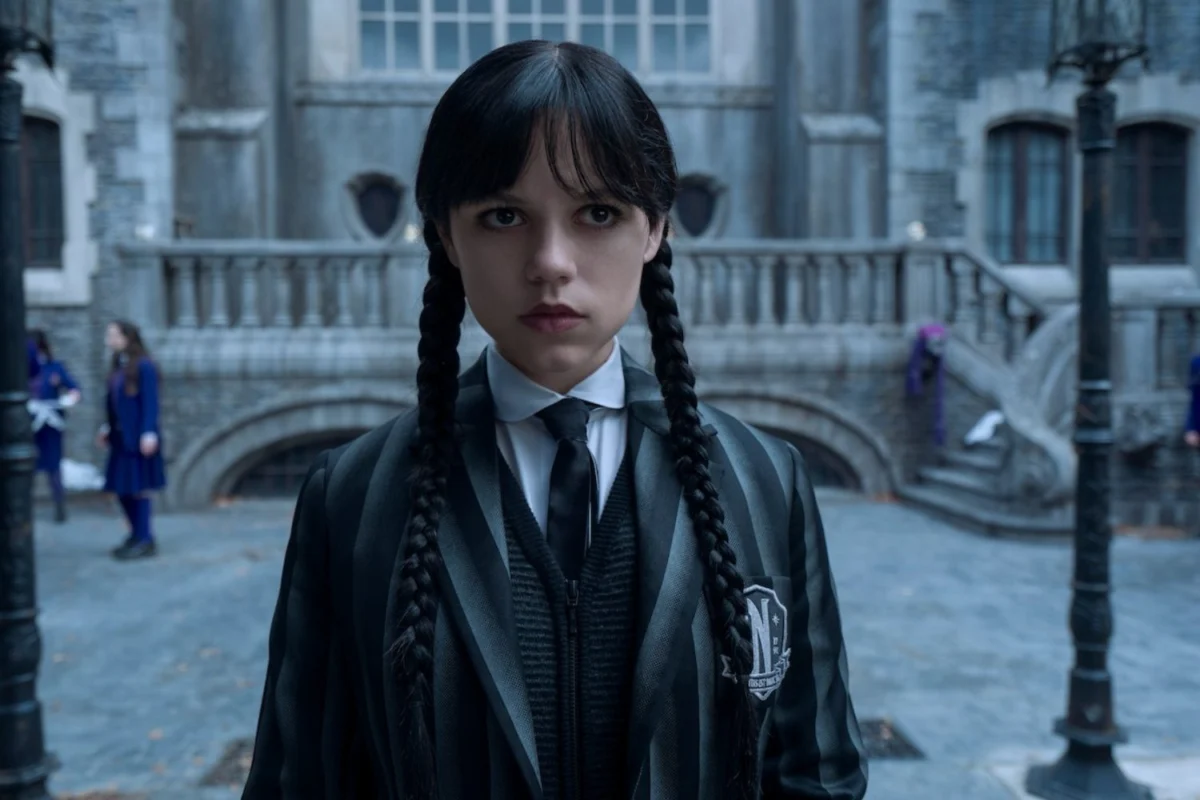
Taika Waititi, the visionary filmmaker behind Thor: Ragnarok and Jojo Rabbit, is trading the chaotic, vibrant energy of the Marvel Cinematic Universe for the quiet, haunting introspection of Nobel Prize-winning author Kazuo Ishiguro. In his latest directorial venture, Klara and the Sun, Waititi tackles the complex intersection of artificial intelligence, human loneliness, and the ethics of grief. The film, an adaptation of Ishiguro’s 2021 bestselling novel, promises to be one of the most intellectually provocative entries in Waititi’s filmography, stripping away the digital noise of modern life to ask what, exactly, constitutes a soul.
The Premise: A Retro-Futuristic Dystopia
Set in a future that feels simultaneously advanced and regressive, the world of Klara and the Sun is a visual departure from typical neon-soaked cyberpunk tropes. Waititi has opted for a 1960s-inspired aesthetic, crafting a society that has undergone a profound, if unexplained, technological collapse. Most notably, the internet has vanished entirely, forcing humanity to retreat into a localized, tactile existence.
In this landscape, the stratification of society is sharper than ever. Children are frequently subjected to rigorous genetic engineering to secure academic and professional advantages, creating a generation of high-achievers who are nevertheless deeply isolated. Into this vacuum steps the "Artificial Friend" (AF)—a line of sophisticated androids designed to provide companionship.

The story centers on Klara (played by Jenna Ortega), an AF who spends her days in a store window, observing the outside world with a mixture of innocence and hyper-analytical curiosity. She is eventually purchased by a mother (Amy Adams) to serve as a companion for her ailing daughter, Josie (Mia Tharia). As Klara attempts to navigate the complexities of human emotion, the film interrogates whether the love she has been programmed to provide can ever truly mirror the authentic, messy, and often painful reality of human connection.
Chronology: From Page to Screen
The journey of Klara and the Sun from Ishiguro’s prose to the silver screen has been a meticulous process, reflecting the weight of the source material.
- March 2021: Kazuo Ishiguro releases Klara and the Sun to critical acclaim, with reviewers praising its sparse, poignant look at the future of companionship.
- May 2023: Reports surface that Taika Waititi is in negotiations to direct the adaptation, marking a significant tonal pivot for the director.
- Late 2024: Casting announcements confirm Jenna Ortega as Klara and Amy Adams as the mother, sparking excitement about the chemistry between the two leads.
- June 2026: The first promotional look at the film is released, confirming a theatrical release date of October 23, 2026.
- October 2026: The scheduled global premiere of the film.
Casting Against Type: Ortega’s Transformation
One of the most intriguing aspects of the production is the casting of Jenna Ortega. Having solidified her status as a pop-culture icon through roles defined by dark, sardonic wit—most notably in Netflix’s Wednesday—Ortega’s turn as Klara is a deliberate subversion of her established screen persona.

Waititi explicitly sought an actor capable of conveying "wide-eyed curiosity" rather than cynicism. Ortega has shared that her preparation for the role involved studying the movements and mannerisms of her own nieces and nephews. By stripping away the "brooding" aesthetic that defined her previous work, Ortega aims to capture the essence of an entity that is inherently forgiving and perpetually open to the world. For an android, the task of understanding humanity is a daunting one, and Ortega’s performance serves as the emotional anchor of the film.
The Ethical Quandary of Artificial Love
At the heart of the narrative lies a series of philosophical questions that feel increasingly relevant in our current age of rapidly advancing AI. Waititi, working closely with the themes established in Ishiguro’s book, forces the audience to confront the "replacement theory" of grief.
If a robot can be programmed to act, think, and love like a human, does it diminish the value of a person? Throughout the film, the narrative probes:

- The Limits of Programming: Can empathy be reduced to algorithms, or is there an ineffable quality to human connection that technology cannot replicate?
- The Cost of Obsession: How far will a parent go to "fix" their child’s loneliness, and is it fair to subject an artificial being to the burden of human trauma?
- The Disappearance of Technology: By placing the characters in a world without the internet, Waititi forces them to interact with the raw, unmediated reality of their environment, highlighting the difference between true presence and digital distraction.
Supporting Data and Production Context
The production design reflects the film’s central theme of "broken humanity." By removing the internet, Waititi creates a vacuum that emphasizes the silence and the isolation of the characters. The visual language of the film utilizes warm, mid-century color palettes that contrast with the cold, sterile nature of the androids.
Furthermore, the ensemble cast is designed to ground these high-concept themes in grounded, human performances. The inclusion of veterans like Natasha Lyonne and Steve Buscemi alongside Adams and Tharia suggests a film that balances its sci-fi premise with intense, character-driven drama. The film serves as a testament to the "prestige" side of Waititi’s career—a reminder that beneath the humor of his blockbuster hits lies a filmmaker deeply invested in the human condition.
Official Responses and Industry Anticipation
Industry experts and fans of Ishiguro’s literary work have been vocal about the high stakes of this adaptation. Adapting a novel that is told entirely through the limited, often detached perspective of an AI is a notoriously difficult feat.

Waititi’s own commentary, provided to Vanity Fair, suggests that he recognized this challenge from the start. "It was one of the hardest things I’ve tried to adapt," the director admitted, citing the difficulty of translating Klara’s internal, observational monologue into visual storytelling. "We had to find a way to show, not just tell, her internal growth."
The production has remained relatively tight-lipped regarding the film’s third act, which in the novel takes a turn that is both devastating and profoundly hopeful. Whether the film maintains the book’s specific ending or pivots to a new interpretation remains the subject of intense speculation among cinephiles.
Implications for the Future of Sci-Fi
Klara and the Sun is poised to influence the landscape of science fiction cinema in the coming years. By moving away from the "AI as a threat" trope—a staple of films like The Terminator or Ex Machina—Waititi is exploring a more nuanced, intimate territory. The film posits that the real danger of artificial intelligence may not be its power to destroy, but its potential to offer a comfort that makes us forget how to connect with each other.

As the October 2026 release date approaches, the film stands as a benchmark for how modern directors can use genre fiction to address contemporary anxieties. By stripping the world of its connectivity, Waititi is essentially holding up a mirror to our own digital-obsessed culture. We are forced to look at our screens, then at our families, and finally at the "artificial" entities we create to bridge the gaps in our own lives.
Conclusion: A New Chapter for Waititi
With Klara and the Sun, Taika Waititi is signaling a shift in his creative trajectory. While he will likely continue to helm large-scale projects, this film establishes that he is also a director capable of profound, quiet humanism. Whether the audience is drawn in by the star power of Jenna Ortega or the literary prestige of Kazuo Ishiguro, they will leave the theater forced to grapple with a singular, lingering question: In a world where everything can be replicated, what is the one thing that will always remain uniquely, painfully, and beautifully human?
As the leaves turn in October 2026, cinema-goers will have their answer. For now, the anticipation surrounding Klara and the Sun confirms that the appetite for thoughtful, human-centric science fiction is as strong as ever, and in the hands of a director like Waititi, it promises to be an unforgettable exploration of the heart.


 Azzam Bilal Chamdy
 Jia Lissa