

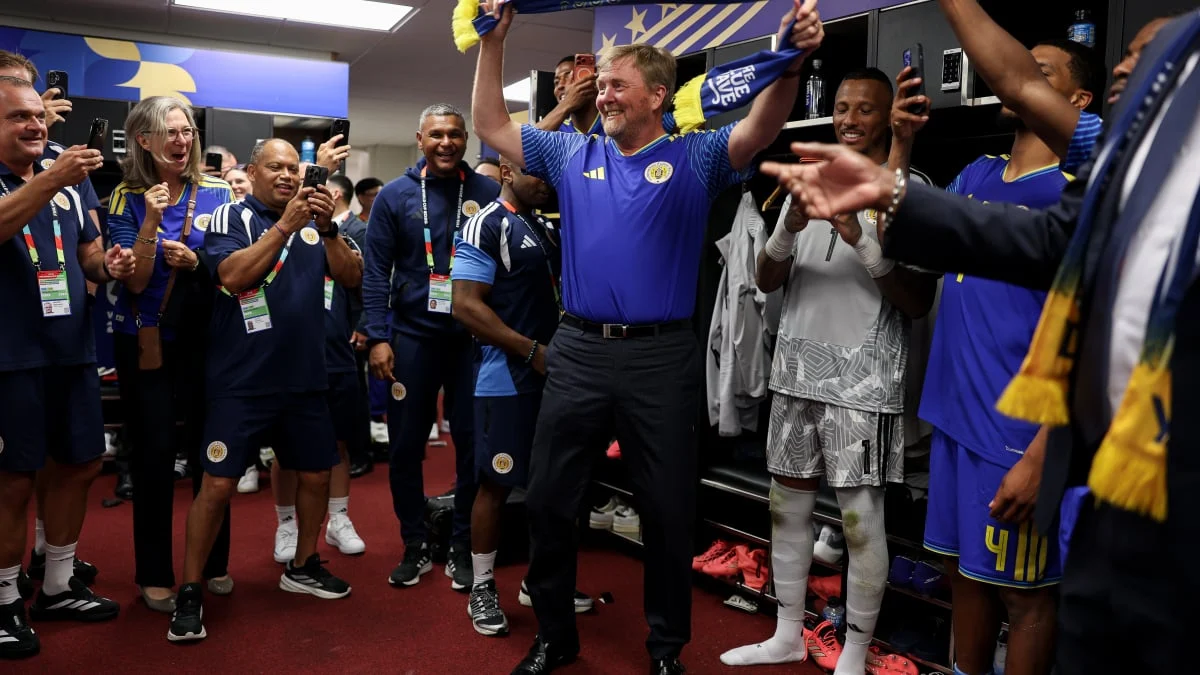
Since the inaugural tournament in 1930, the FIFA World Cup has functioned as the ultimate theater of human ambition. Historically, the narrative arc of the competition has been dominated by the giants of the sport—nations like Brazil, Germany, and Argentina, whose trophy cabinets are already crowded with gold. However, the 2026 FIFA World Cup is proving to be a radical departure from this tradition.
In this edition, the most resonant moments are not the clinical finishes of world-class superstars or the hoisting of the silverware. Instead, the tournament is being defined by the "smaller" nations—teams with limited infrastructure, unconventional recruitment paths, and decades of pent-up aspiration. From the tiny island nation of Curaçao to the historic drought-breaking victory of Egypt, this World Cup has transformed into a stage where a draw can feel like a title win and a maiden goal can spark a national holiday.
The Geography of Hope: A Tournament of Firsts
The 2026 World Cup has provided a platform for nations that have historically existed on the periphery of the global soccer consciousness. This is not merely a collection of upsets; it is a fundamental shift in the power dynamics of international football.
Curaçao: The Smallest Nation, The Biggest Heart
In Willemstad, the capital of Curaçao, the atmosphere surrounding the national team’s matches has been nothing short of transformative. With a population of just 156,000, Curaçao holds the title of the smallest nation ever to participate in a World Cup.
The team’s journey began with a sobering 7-1 defeat at the hands of Germany, a result that could have easily demoralized a squad of their size. Yet, six days later, they stood toe-to-toe with Ecuador. Despite Ecuador dominating possession and firing nearly 30 shots toward the goal, goalkeeper Eloy Room turned in a legendary performance. Making 15 saves, Room acted as a one-man defensive line, securing a 0-0 draw. For a nation that had never before earned a point in the tournament, the final whistle did not just signal the end of a game—it signaled the arrival of a footballing identity.
Cape Verde: The "Blue Sharks" and Global Virality
Perhaps no team has captured the world’s imagination more than Cape Verde. The "Blue Sharks" arrived in 2026 as tournament debutants, but they quickly shed the label of "novice" through sheer tenacity.
Their trajectory has been the stuff of sports cinema. They opened by holding Spain to a scoreless draw, followed by a thrilling 2-2 stalemate with Uruguay. Kevin Pina etched his name into the annals of history with a 31-meter free-kick beauty, while Hélio Varela provided the late-game heroics to secure points.
Beyond the pitch, the team’s narrative has been bolstered by the meteoric rise of 40-year-old goalkeeper Vozinha. After a standout performance against Spain, his Instagram following surged from 50,000 to over 15 million. More importantly, his story highlights the human side of the tournament: after an emotional post-game interview revealed that his mother could not attend due to visa complications, a coordinated effort involving the U.S. State Department and House Minority Leader Hakeem Jeffries ensured she was in the stands for the Miami match against Uruguay. It is a testament to the power of the World Cup to bridge the gap between bureaucracy and human connection.
The Mechanics of the Miracle: Recruitment and Resilience
The success of these underdog nations is not merely coincidental; it is the result of modern, often unconventional, approaches to building a squad.
The LinkedIn Discovery
The Cape Verde squad provides a fascinating case study in modern recruitment. One of their key players, an Irish-born talent with dual nationality, joined the squad after being scouted by the head coach via LinkedIn. Initially dismissing the direct message as a spam solicitation, the player eventually engaged in a conversation that led him to the biggest stage in sports. This narrative underscores a growing trend: the democratization of scouting. Nations with limited budgets are now utilizing digital connectivity to find talent in the global diaspora, effectively bypassing traditional, high-cost scouting networks.
Iran’s Dignity Under Pressure
The experience of the Iranian national team serves as a stark reminder of the political complexities that often intersect with the World Cup. Forced to base themselves in Tijuana, Mexico, due to travel restrictions and bureaucratic hurdles, the Iranian squad faced logistical challenges that would have crippled most teams.
Despite these obstacles, they managed to hold Belgium to a 0-0 draw at SoFi Stadium in Los Angeles. The lasting image of their campaign was not a goal, but a handwritten note left in the locker room. "We came to Los Angeles with pride, competed with honour, and leave with dignity," the message read. By acknowledging the Iranian diaspora in the U.S. who provided their "heart, voice and soul," the team turned a scoreless draw into a poignant moment of cultural unity, transcending the geopolitical tensions that defined their preparation.
Chronology of Historical Milestones
To understand the significance of the 2026 tournament, one must look at the specific milestones shattered by these teams:
- Egypt’s 92-Year Wait: While not a "small" nation in the footballing sense, Egypt’s 3-1 victory over New Zealand was a landmark event. Having waited 92 years for a World Cup win, the victory—sparked by Liverpool star Mohamed Salah—triggered celebrations that spanned from Vancouver to Cairo, proving that the hunger for victory is universal, regardless of a nation’s history.
- Uzbekistan’s Central Asian Breakthrough: Representing the first Central Asian nation to qualify for the World Cup, Uzbekistan’s 3-1 loss to Colombia was secondary to the symbolic victory of simply being there. The event drew massive crowds across the country, proving that the tournament remains the ultimate validator of a nation’s sporting legitimacy.
- Haiti’s Return from Exile: After a 52-year absence, Haiti’s return was a triumph of endurance. Competing throughout the qualifying cycle without the benefit of home-field advantage, their presence in 2026 offered a narrative of national resilience, shifting the global conversation away from crisis reporting and toward athletic pride.
Implications for the Future of FIFA
The success stories of the 2026 World Cup present a compelling argument for the expansion of the tournament. Critics of expanded formats often cite the potential for "diluted" quality, yet the 2026 edition is proving that "quality" is not defined solely by FIFA rankings.
The Rise of the "Secondary" Markets
The global engagement metrics for the 2026 tournament have been bolstered by the massive viewership from nations that are participating for the first time or returning after long hiatuses. When a team like Cape Verde or Uzbekistan plays, they bring with them a concentrated, passionate, and newly energized fanbase that expands the tournament’s reach into untapped markets.
The Humanization of the Sport
The official response from FIFA and participating nations has increasingly focused on these human-interest stories. By highlighting the struggles of players like Vozinha and the logistical hurdles faced by the Iranian team, the organization is acknowledging that the World Cup’s value lies in its ability to tell stories of global migration, technological innovation in scouting, and the enduring power of national identity.
Conclusion: A New Standard for the Beautiful Game
The 2026 FIFA World Cup will be remembered not for the team that stands atop the podium in the final match, but for the collective spirit of the teams that refused to be defined by their limitations.
Curaçao’s point against Ecuador, Cape Verde’s viral surge, and Egypt’s historic victory are the building blocks of a new era. These stories have shifted the narrative from a narrow focus on the elite to a broader, more inclusive celebration of what it means to compete on the world stage. As the tournament progresses, the "Blue Sharks" and their peers serve as a vital reminder: in the world of football, the gap between the expected and the extraordinary is often bridged by nothing more than the audacity to show up and the belief that, for ninety minutes, anything is possible.
The 2026 World Cup has proven that while trophies provide the history, it is the underdogs who provide the soul. Whether it is through a handwritten note of gratitude or a LinkedIn-facilitated dream, the tournament continues to redefine the boundaries of what a "successful" campaign looks like, ensuring that the legacy of 2026 will be written in the hearts of nations that finally had their moment in the sun.










