

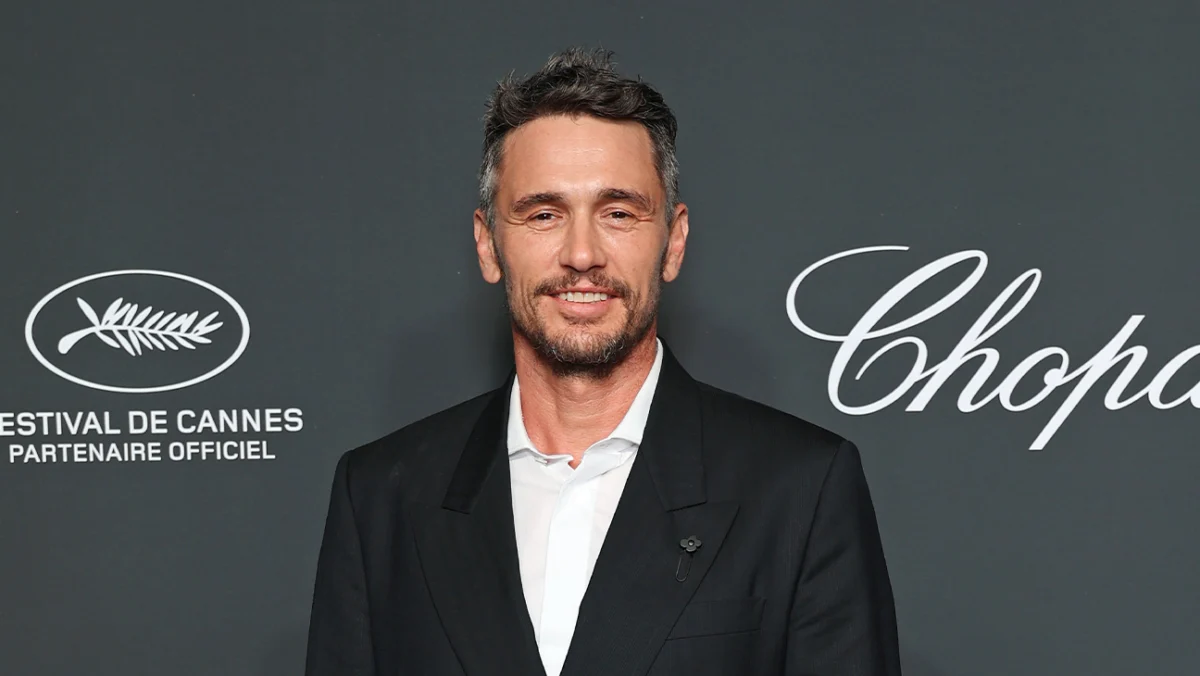
In the landscape of modern celebrity, few figures have navigated as volatile a trajectory as James Franco. Once a darling of both the independent cinema circuit and the blockbuster machine, the Oscar-nominated actor largely retreated from the public eye following a wave of sexual misconduct allegations in 2018. However, after years of relative digital silence, Franco has resurfaced—not with a press tour or a formal apology, but with a cryptic, erratic, and deeply puzzling series of TikTok dispatches that have left fans and industry observers questioning his motives, his sanity, and his future.
The Re-emergence: A Digital Return to Chaos
On June 3, the silence was broken. An account surfaced on TikTok, bearing the verified markings of James Franco. For a man who had effectively scrubbed his online presence following the 2018 scandals that led to a high-profile sexual harassment lawsuit, the return was stark. His inaugural video did not offer a retrospective on his career or a clarification regarding his absence; instead, it offered a warning.
"I can’t say too much right now," Franco stated, his demeanor appearing tense. "But stick around and I promise it will all make sense."
The caption, coupled with his insistence that he was not an AI-generated deepfake, set the stage for a month of digital psychological theater. To the casual scroller, the clips appeared to be the ramblings of a man experiencing a breakdown. To his long-time followers, they felt like a high-concept, albeit confusing, marketing campaign. Franco addressed the skepticism head-on, stating in a subsequent clip: "I maybe seem crazy, like, why? What’s going on? What’s the gimmick? No. This is real."
A Chronology of the Alien Saga
The narrative arc of Franco’s TikTok presence evolved from vague, panicked proclamations into a singular, extraterrestrial conspiracy theory.
- Early June: Franco begins posting frantic, low-fidelity videos. He claims he is being surveilled and fears for his safety, hinting that he may "disappear." The tone is urgent, bordering on conspiratorial.
- June 15: The plot shifts. Franco explicitly claims that the cause of his distress is not a person or an organization, but an extraterrestrial entity he allegedly witnessed on his private property.
- June 25: Paranoia reaches a fever pitch. Franco uploads a video claiming his account has been hacked by outside forces—presumably those who wish to silence his revelations. He establishes a deadline: July 13. "They don’t want me to show what I’m gonna show," he insists. "I’m gonna show it. I already told you, 7/13."
- July 13: The "big reveal." Franco releases footage that he characterizes as something "thrust upon" him. He argues that the moral imperative to share evidence of the encounter outweighs the risks posed by those attempting to stop him.
The resulting footage—a grainy, black-and-white sequence depicting a humanoid figure moving through his yard and peering into his windows—was met with immediate and overwhelming skepticism. The internet, a discerning judge of visual effects, was largely unimpressed.
Analyzing the "Evidence" and Fan Reception
The reaction to the July 13 reveal was a mixture of mockery, disappointment, and analytical frustration. Comment sections were flooded with users who felt the footage lacked the hallmarks of authentic, accidental recording.
"Clearly fake but I’ll say it again, I’m excited for whatever movie this is for," wrote one user, summarizing the consensus that the entire ordeal is a protracted piece of performance art or a viral marketing strategy for an upcoming, yet-to-be-announced project. Another user expressed the weariness of the audience: "God damnit James Franco, you made us wait for this?!"
The situation is further complicated by the paywall factor. Some of the supplemental content Franco has teased requires a paid subscription to his TikTok account, a move that has drawn fire from those who view the "alien" narrative as a predatory engagement tactic. By blending the aesthetics of a mental health crisis with the structure of a subscription-based ARG (Alternate Reality Game), Franco has managed to keep the conversation going, even as the "evidence" fails to hold up to scrutiny.
The Industry Context: A Career in Limbo
To understand the weight of this bizarre spectacle, one must look at the vacuum of Franco’s career. Before the 2018 allegations, Franco was one of Hollywood’s most prolific hyphenates—actor, director, producer, and author. His output was vast, ranging from the critically acclaimed The Disaster Artist to the gritty HBO drama The Deuce.
Since the allegations surfaced, his presence in major studio projects has all but evaporated. His last significant film role was in the Coen brothers’ The Ballad of Buster Scruggs (2018). While he has maintained a presence on the periphery—with upcoming, sporadically announced projects like John Rambo (expected 2027) and a collaboration with the polarizing director Vincent Gallo titled Golden State Killer—the mainstream industry has largely distanced itself from him.
Industry experts note that this current social media strategy represents a "rebranding of the pariah." By leaning into the absurd, the conspiratorial, and the cryptic, Franco is attempting to reclaim the narrative in a space where he doesn’t need studio approval. However, this carries significant risks. If the goal is a comeback, appearing to mock the nature of public truth and transparency may prove counterproductive.
Official Responses and Verification
As of the date of publication, silence remains the dominant response from those in Franco’s professional orbit. The Hollywood Reporter reached out to Franco’s representatives to verify the authenticity of the account and to clarify whether the "alien" content is part of a sanctioned publicity campaign for a film project. No response was provided.
Furthermore, a review of Franco’s IMDb page shows no current projects that align with a science-fiction or extraterrestrial theme. While the actor has several projects in various stages of development, the "alien" narrative remains entirely disconnected from his professional portfolio, lending credence to the theory that this is either a deeply personal creative expression or a highly unorthodox method of self-promotion.
Implications: The Ethics of Digital Storytelling
The Franco saga raises deeper questions about the intersection of celebrity, mental health narratives, and the digital economy. By adopting the aesthetic of a person in distress, Franco has weaponized the "fan concern" dynamic. When a public figure uses language that mimics a crisis—referencing being followed, being hacked, and fearing disappearance—they draw upon the audience’s natural empathy. When that content is revealed to be a performance or a marketing stunt, it can erode the trust between the creator and the audience.
Furthermore, the "pay-to-view" aspect of his recent activity marks a concerning trend in how celebrities monetize their personal brands. By dangling "proof" of an extraordinary claim behind a subscription gate, Franco is commodifying curiosity.
What Comes Next?
"A lot more footage dropping soon! It gets very crazy!!!"
This message, which appeared at the end of the July 13 reveal, serves as the only roadmap forward. Whether this is a prelude to a surprise directorial feature, a descent into niche internet performance art, or a genuinely misguided attempt to regain relevance, the result remains the same: the world is watching, albeit with an arched eyebrow.
For now, the audience is left in a state of suspended animation. The "alien" footage, while debunked by the court of public opinion, has served its primary purpose: it has made James Franco the focal point of the conversation once again. Whether he can convert this controversial curiosity into a return to his former professional standing remains to be seen. In the age of viral anomalies, perhaps the most telling takeaway is that in the absence of traditional media support, a grainy video of an extraterrestrial in a backyard is enough to bring a fallen star back to the center of the digital stage.
As the saga unfolds, the public will have to decide for themselves: is this the creative work of an auteur pushing the boundaries of digital engagement, or the final, desperate act of a career that lost its way? For James Franco, the answer seems to be tucked away, waiting for the next "drop" on July 13 or beyond. Until then, the mystery persists, and the clicks continue to mount.










