Neng Nana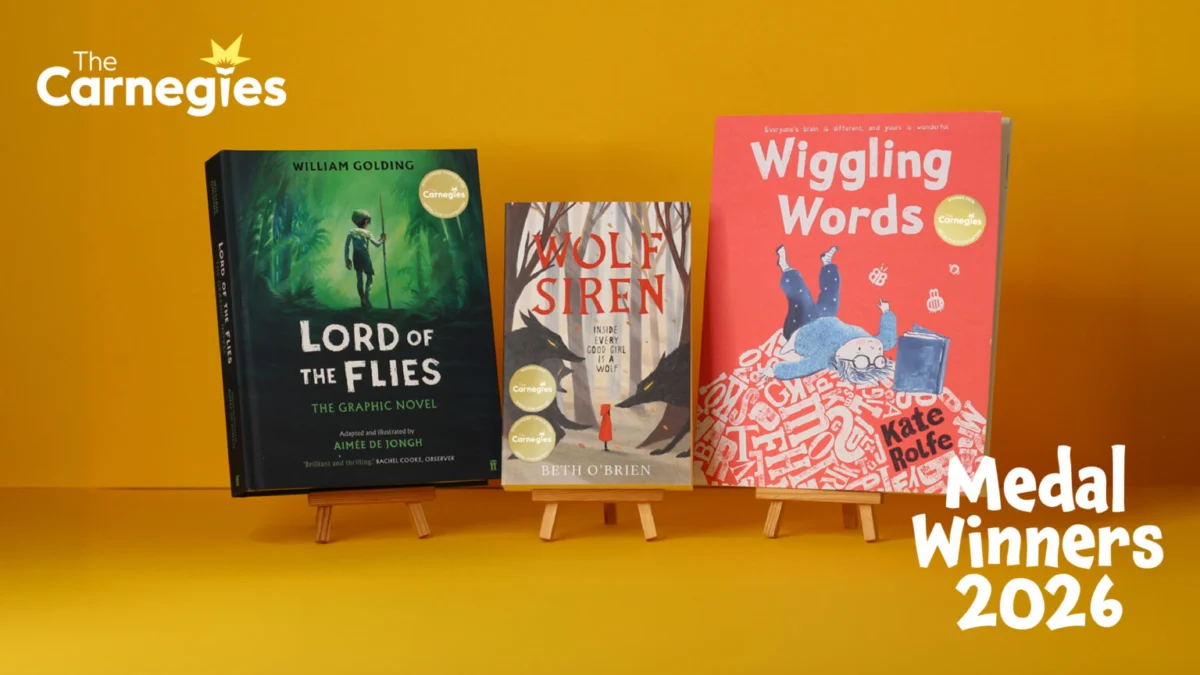
On June 23, the literary world turned its gaze toward the UK’s most prestigious and long-standing accolades for children’s and young adult literature: The Carnegies. In a vibrant, livestreamed ceremony, the 2026 winners for the Carnegie Medal for Writing and the Carnegie Medal for Illustration were unveiled, marking a significant milestone in the evolution of inclusive storytelling.
The Carnegies hold a unique position in the publishing landscape. Unlike many other literary prizes, they are judged exclusively by librarians—professionals whose daily lives are spent connecting children with the stories that shape their development. This year, the awards underscored a powerful trend in modern literature: the rise of neurodivergent and disabled voices, transforming personal challenges into triumphant, accessible narratives.
The Winners: A Triumph of Authentic Representation
This year’s victors, debut author Beth O’Brien and illustrator Kate Rolfe, represent a new vanguard of creators. Their work does not merely "represent" disability or neurodiversity; it integrates these lived experiences into the very fabric of their art and prose, challenging readers to see the world through a different lens.
The Carnegie Medal for Writing: Beth O’Brien’s Wolf Siren
Beth O’Brien took home the top honor for writing with her debut novel, Wolf Siren. A feminist reimagining of the classic Red Riding Hood myth, the book has been lauded for its "richly layered symbolism" and its exploration of power, gender stereotypes, and disability.
O’Brien, who is currently pursuing a PhD focusing on the misrepresentation of disability in fairytales, wrote the book with the intent of dismantling the "superhuman" or "villainous" tropes often assigned to characters with disabilities. Wolf Siren is not just a retelling; it is an exercise in sensory perception. Drawing from her own lived experience of visual impairment, O’Brien eschews the common misconception that blindness is synonymous with total darkness. Instead, she writes with a lyrical intensity that describes the spectrum of light, movement, and color that defines her world.
The Carnegie Medal for Illustration: Kate Rolfe’s Wiggling Words
The Carnegie Medal for Illustration was awarded to Kate Rolfe for her deeply personal picture book, Wiggling Words. Following her 2025 shortlist debut with Wolf and Bear, Rolfe has solidified her status as a vital voice in children’s literature.
Wiggling Words serves as a poignant, visual celebration of dyslexia. For years, Rolfe—like many of the estimated 900,000 school children in the UK currently navigating the educational system with dyslexia—felt the need to conceal her neurodiversity. Through her illustrations, she transforms the "wiggles" of text that dyslexic readers often encounter into a narrative device, turning a source of past shame into a vibrant, creative strength.
Chronology of the 2026 Awards Cycle
The road to the 2026 Carnegies was a months-long process that engaged thousands of young readers, educators, and library staff across the globe.
- The Shortlist Selection: Earlier in the year, the panel of librarian judges meticulously curated the shortlists for both Writing and Illustration. The selection process involved deep reading and critical analysis of hundreds of submissions, narrowing the field down to the most exceptional works.
- The Shadowing Process: Concurrent with the official judging, the "Shadowing" program began. This unique initiative invites reading groups in schools and local libraries to read the shortlisted books, debate their merits, and cast their own votes for the "Shadowers’ Choice" Medals. This process serves as a grassroots barometer for what resonates most profoundly with the target audience.
- The Announcement: The culmination of the process took place on June 23, where the winners were formally announced via a global livestream. The ceremony served not only to honor the authors and illustrators but to highlight the collaborative nature of the awards.
- The Prize Distribution: Following the announcement, the winners were awarded their respective Carnegie Medals and the £5,000 Colin Mears Award cash prize. Additionally, the Shadowers’ Choice winners received their honors, along with a donation of £500 worth of books for their chosen libraries, supported by the Centre for Literacy in Primary Education and CILIP.
Supporting Data: Why Representation Matters
The 2026 Carnegies arrive at a time when the conversation regarding accessibility and representation in literature has reached a fever pitch. The choice of winners reflects a deliberate effort to address the "invisibility" of certain groups within the publishing ecosystem.
The Landscape of Visual Impairment
As Beth O’Brien notes, 93% of blind and partially sighted people experience a spectrum of light, movement, and color. By writing about "how she sees" rather than "what she sees," O’Brien provides an authentic mirror for visually impaired readers while educating sighted readers on the nuances of visual disability. Her work serves as an essential counter-narrative to the standard literary trope where blindness is a "plot device to be cured."

The Reality of Dyslexia
Kate Rolfe’s win brings essential attention to the 1 in 10 adults and the nearly one million school children in the UK who live with dyslexia. By winning a major national award for a book explicitly about her own neurodivergence, Rolfe provides a powerful role model for young readers who struggle with traditional reading formats. It is a validation that their way of processing the world is not a deficit, but a valid form of human experience.
Official Responses and Reflections
The emotional weight of the wins was evident in the responses from both authors.
Beth O’Brien expressed profound gratitude, stating: "I am beyond stunned and delighted… Wolf Siren speaks to so many things that I care about, from visual impairment representation and period stigma to the abuse of power and weaponized belief systems. It’s an honor to know this resonated with the judges."
She emphasized the importance of access, noting her own history as a child who relied on audio and large-print editions from her local library. Her victory is a testament to her ongoing advocacy for making the "magic of stories accessible to everyone," regardless of physical or neurological barriers.
The judges, meanwhile, praised the "freshness" of the storytelling. By selecting these two works, the library community has sent a clear message: they are looking for books that challenge traditional structures and offer new, inclusive perspectives on what it means to grow up in a diverse society.
The Broader Implications for Children’s Literature
The 2026 Carnegies signal a shift in the criteria for "literary excellence." It is no longer enough for a book to be technically proficient; in the current climate, excellence is increasingly tied to authenticity, accessibility, and social relevance.
Impact on School Libraries
The "Shadowing" program, which remains a core component of the awards, ensures that the impact of these books extends far beyond the award ceremony. By engaging students in the debate, the Carnegies empower young people to think critically about the books they consume. When students see their own experiences—or those of their peers—reflected in prize-winning literature, it fosters a sense of belonging and community.
A Call for Continued Accessibility
The advocacy mentioned by both O’Brien and Rolfe highlights a persistent issue: the gap in accessibility for print-disabled readers. While the Carnegies have highlighted these specific authors, the implications of their win call for a broader industry-wide commitment to producing more audiobooks, large-print editions, and dyslexia-friendly formats. The winners have proven that there is a massive, eager audience for these stories; it is now up to publishers to ensure that the physical books are as accessible as the narratives themselves.
Conclusion: A Legacy of Evolution
Since its inception, the Carnegie Medal has evolved alongside the society it serves. By celebrating Wolf Siren and Wiggling Words, the 2026 Carnegies have cemented their reputation as a forward-thinking institution. These awards do more than provide a trophy; they curate a reading list for the next generation, ensuring that the stories of tomorrow are as diverse, complex, and inclusive as the young readers who will eventually inherit them.
As the dust settles on the 2026 ceremony, the legacy of this year’s winners will surely be felt in classrooms and libraries for years to come, proving that when we open the doors of literature to everyone, the resulting stories are all the more powerful for it.


 Dwi Wanna
 Siti Muinah