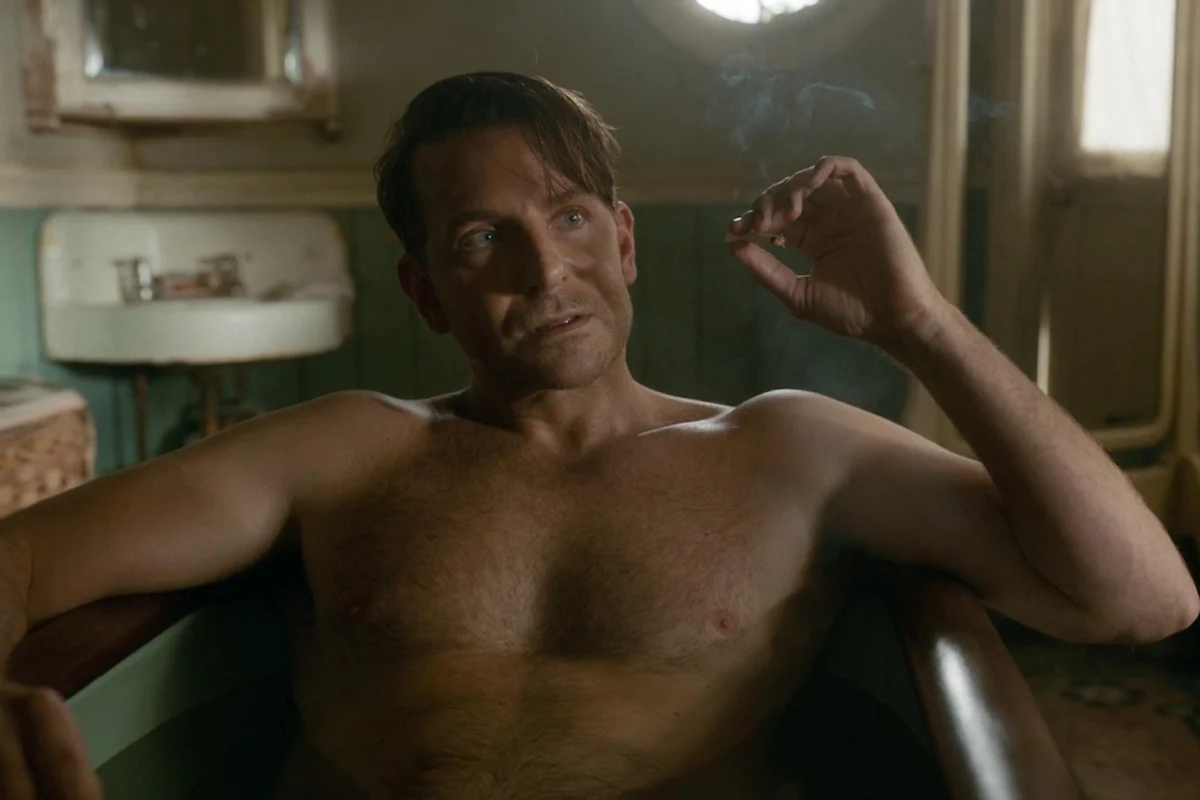
The cinematic landscape is currently undergoing a period of unprecedented expansion. As the sheer volume of content produced by streaming giants and major studios continues to climb, the task of filtering through the noise to find high-quality genre entertainment—particularly in the realms of fantasy, science fiction, and horror—has become a daunting endeavor for even the most dedicated cinephile.
As we approach the threshold of autumn, the industry is shifting gears. September 2026 marks a pivotal transition in the theatrical and digital calendar, bridging the gap between summer blockbusters and the atmospheric, high-concept releases that define the "spooky season." From the long-awaited resurrection of iconic witchy franchises to experimental animation and high-octane creature features, this month promises a diverse buffet of genre storytelling. Whether you are a devotee of pulse-pounding horror or a fan of lighthearted, supernatural whimsy, the following lineup offers a roadmap to the must-see titles hitting screens in the coming weeks.
The Chronology of Fear and Fantasy: September 2026 Releases
The release schedule for September is packed with variety, catering to audiences who seek both the adrenaline of a jump scare and the immersive escapism of world-building.
September 4: A Heavy-Hitting Opening Week
The month kicks off with a flurry of activity, signaling a strong start for both theaters and premium streaming platforms.
- "Tom and Jerry: Forbidden Compass": In a move that has surprised industry analysts and animation enthusiasts alike, the iconic cat-and-mouse duo returns to the silver screen with a narrative pivot into high fantasy. Drawing inspiration from classical Chinese mythology, this film utilizes a magical compass to transport the rivals into a realm of ancient legends. The film’s core conflict—forcing the duo to abandon their slapstick warfare to navigate an otherworldly threat—promises a fresh, visually ambitious take on a century-old property.
- "Parasomnia": Shudder continues its dominance in the horror space with this original feature. Focusing on a protagonist burdened by a history of trauma and chronic night terrors, the narrative blurs the lines between REM sleep and reality. When her closest confidante vanishes, the film descends into a psychological exploration of whether her dream-born demons are manifestations of guilt or tangible, predatory entities.
- "Onslaught": Director Adam Wingard returns to the gritty, suspense-driven territory he explored in his cult classic The Guest. Described by Wingard as a "spiritual sequel," this action-horror hybrid stars Adria Ajorna as a sniper navigating a desert landscape under siege. The antagonists—genetically engineered super-soldiers—add a layer of visceral, sci-fi terror to the traditional tactical thriller.
- "Dark Hollow": For those who prefer claustrophobic dread, Dark Hollow arrives on VOD. The narrative premise is simple yet effective: a partial collapse in a coal mine reveals an ancient, predatory creature. A desperate mother’s journey into the subterranean depths to rescue her family provides the emotional stakes necessary to elevate the film beyond a standard "creature feature."
September 9: The Mid-Week Monster Arrival
- "Hope": Korea has long been a powerhouse in modern horror, and Hope continues that trend. Set in a remote, isolated mountain village, the film tracks a local investigation into a series of unexplained destruction events. The transition from what appears to be rogue wildlife to something far more "otherworldly" suggests a film rooted in the slow-burn, atmospheric dread that has become a hallmark of contemporary Korean genre cinema.
September 11: The Witching Hour
- "Practical Magic 2": Perhaps the most anticipated release of the month, the sequel to the 1998 cult classic finally arrives. With Sandra Bullock and Nicole Kidman reprising their roles as the Owens sisters, the narrative centers on a quest to dismantle the ancestral curse that has plagued their love lives for generations. The inclusion of Lee Pace as a potential love interest adds a modern spark to the franchise’s trademark blend of romance and occult mystery.
September 18: The Horror and Animation Pivot
- "Resident Evil": Zach Cregger, fresh off the success of Barbarian, attempts to revitalize the Resident Evil franchise. By focusing on the events of the 1998 game Resident Evil 2 but transposing them into a contemporary setting, Cregger aims to ground the high-concept zombie apocalypse in modern anxieties.
- "Shaun the Sheep: The Beast of Mossy Bottom": Catering to those who want the Halloween aesthetic without the trauma, this Aardman-style feature leans into the "monster movie" genre with humor. It is a lighthearted, family-friendly romp that reinforces the studio’s reputation for wit and charm.
- "April X": This neon-noir sci-fi entry stars Connor Storrie in a high-stakes search through a futuristic metropolis. It is a stylistic departure from the rest of the month’s offerings, focusing on the dark, criminal underbelly of a world defined by its technology and moral decay.
September 25: Closing the Month
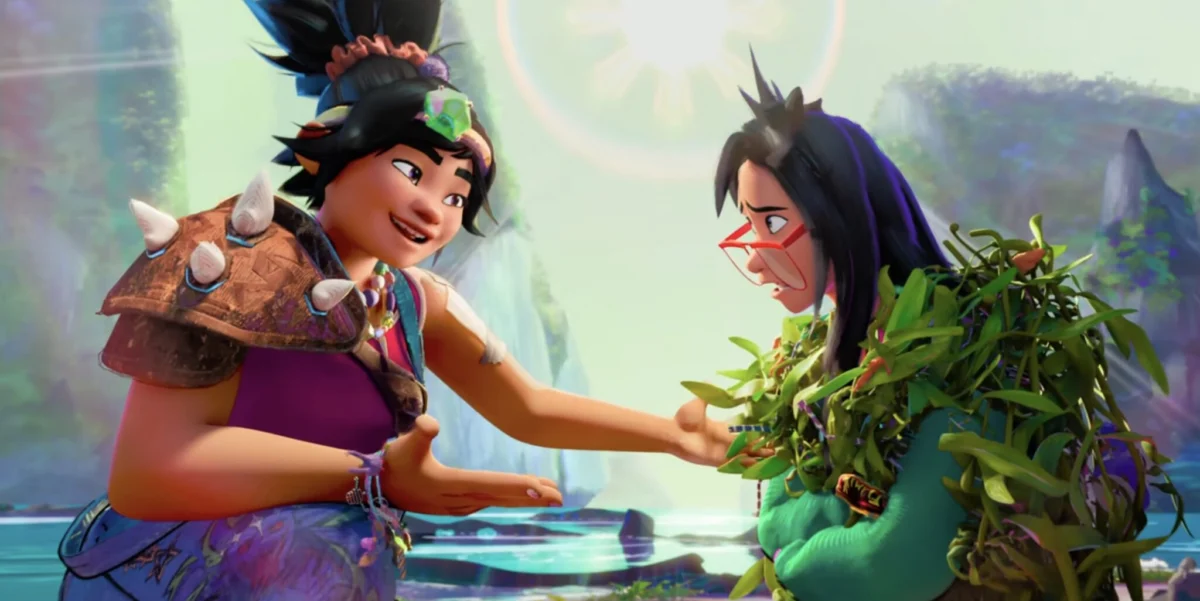
- "Forgotten Island": From the creative minds behind Puss in Boots: The Last Wish, this animated adventure explores Filipino mythology. As two friends face the impending separation of college, they find themselves stranded on an island where memories are the price of survival.
Supporting Data: The Rise of Genre Hybridization
The trend observed this September is not accidental. Data from box office analysts suggests a shifting consumer preference toward "Genre Hybridization." Audiences are increasingly wary of formulaic storytelling. Films like Onslaught (Action/Horror) and Forgotten Island (Animation/Mythology/Drama) demonstrate that studios are betting on cross-pollination to retain interest.
Furthermore, the surge in "cozy horror"—exemplified by the Shaun the Sheep release—reflects a market segment that enjoys the seasonal branding of Halloween without the visceral gore associated with traditional slashers. This diversification allows studios to capture multiple demographics simultaneously, effectively hedging their bets against a volatile theatrical market.
Official Responses and Creative Vision
Director Adam Wingard has been vocal regarding the thematic intent of Onslaught, stating, "I wanted to return to the tension of The Guest but heighten the stakes. By introducing the element of genetic modification, we aren’t just looking at a survival story; we are looking at the moral cost of military advancement."
Regarding the Practical Magic sequel, the production team has emphasized that the film is a "love letter to the original fanbase." By focusing on the next generation of the Owens family, the film balances nostalgia with a forward-looking narrative arc, ensuring that the sequel functions both as a continuation and a standalone entry for new viewers.
Zach Cregger’s involvement with Resident Evil has also drawn significant attention. Sources close to the production indicate that Cregger was given creative autonomy to strip back the franchise’s recent reliance on over-the-top action in favor of a more claustrophobic, survival-horror approach that emphasizes the vulnerability of the characters.
Implications: The Future of Theatrical Distribution
The diverse slate for September 2026 carries significant implications for the industry. First, the success of these films will determine whether the "reboot culture" of the 2020s remains viable. If Resident Evil and Practical Magic 2 perform well, studios will likely double down on legacy IP. If they falter, it may signal a shift toward original, mid-budget creative projects.
Second, the simultaneous release of VOD and theatrical titles—such as Dark Hollow—highlights the ongoing tension between traditional cinema and home entertainment. As theaters fight to remain the primary destination for "event cinema," the release of smaller-scale, high-concept genre films on streaming platforms provides a necessary lifeline for the genre industry.
Ultimately, September 2026 is a microcosm of the current state of film: it is a time of rediscovery, where old monsters are given new faces and new legends are forged in the fires of creative experimentation. Whether you choose the dark mines of Dark Hollow or the witchy shores of England in Practical Magic 2, the month offers a profound look at how we, as an audience, process our fears, our memories, and our desires through the lens of the fantastic.