Sagoh
Sagoh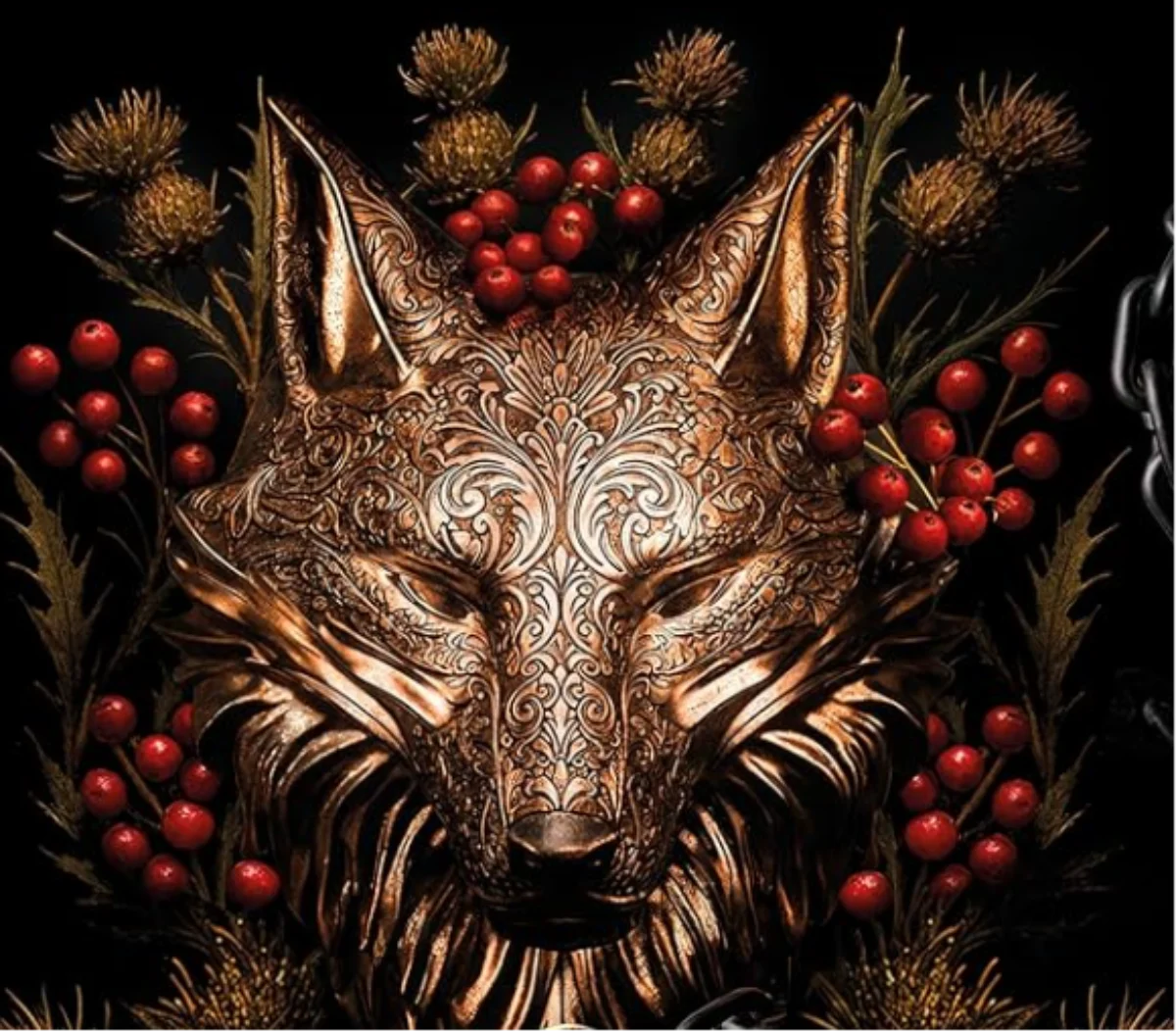
By Editorial Staff
June 26, 2026
The current golden age of "romantasy"—the high-octane, emotionally charged subgenre that fuses high-fantasy world-building with intense, often dark, romantic stakes—is set to receive a significant new entry. Starz, the network renowned for its penchant for high-stakes genre dramas like Outlander, has officially confirmed that it is developing a television series based on Lauren Palphreyman’s breakout hit, The Wolf King.
The project marks a significant milestone for the indie-to-mainstream pipeline that has become increasingly common in the literary world. With Tanya Saracho—the acclaimed showrunner behind the critically lauded Vida and a veteran writer for How to Get Away with Murder—spearheading the development, the project is positioning itself to be one of the most anticipated supernatural dramas in the coming years.
The Core Narrative: A Kingdom of Claws and Consequence
At the heart of the adaptation is the compelling, often brutal journey of Princess Aurora. As established in Palphreyman’s original source material, the narrative begins with a classic trope—the unwanted arranged marriage—and subverts it through the lens of a violent, post-human-conflict landscape.
The story follows Aurora, a princess desperate to escape the confines of her royal life and a politically motivated union. Her life takes a harrowing turn on the eve of her wedding when she impulsively intervenes in a brutal, state-sanctioned blood sport where captured werewolves are forced to fight for the entertainment of the human elite. By sparing the life of a young wolf, she inadvertently marks herself as a target for the region’s most formidable alpha.
The subsequent kidnapping—and the journey into the rugged, lawless territories north of the border—serves as the catalyst for the series’ central "forbidden attraction." As the human kingdoms and the long-divided werewolf clans drift toward an inevitable, blood-drenched war, Aurora must navigate a landscape where monsters are not always the ones with fangs, and the "hero" of the human world may be the true architect of the impending apocalypse.
A Chronology of Success: From Indie Roots to Global Adaptation
The journey of The Wolf King is a testament to the power of the modern digital publishing ecosystem.
- Early Success: The series originated as an independent release via Amazon’s self-publishing platforms. Without the traditional machinery of a major publishing house, the series relied on aggressive digital word-of-mouth and the fervent engagement of online book communities.
- The Bloom Books Pivot: Recognizing the massive, untapped audience, Bloom Books secured the print rights for the United States, providing the series with the necessary distribution muscle to reach bookstore shelves nationwide.
- International Reach: Following its stateside success, the property saw a surge in international interest, with publishing deals secured across multiple territories, cementing its status as a global phenomenon.
- The Starz Development Deal (June 2026): The official announcement confirms that Starz has acquired the television rights. Development is officially underway, with author Lauren Palphreyman attached as an executive producer to ensure the integrity of the vision during the translation from page to screen.
Supporting Data: Why ‘Romantasy’ is Dominating the Streamers
The acquisition of The Wolf King is not an isolated incident but part of a calculated industry trend. Data from streaming platforms over the last 36 months suggests that genre-bending romantic fantasy series have some of the highest completion rates among younger demographics.
According to industry analysts, the "Romantasy" subgenre occupies a unique space in the current market:
- High Retention: Series that combine character-driven romantic arcs with established fantasy lore (magic systems, political hierarchies) tend to retain viewers for longer periods compared to procedural dramas.
- Social Media Synergy: These stories provide vast amounts of "fandom fuel"—aesthetic-heavy content that thrives on platforms like TikTok and Instagram, effectively creating a self-sustaining marketing loop that costs studios significantly less than traditional advertising.
- Cross-Generational Appeal: By blending the tropes of classic fairy tales with modern, more cynical political commentary and mature themes, The Wolf King appeals to both the Young Adult (YA) demographic and the rapidly growing "New Adult" (NA) market.
Official Statements and Vision
Tanya Saracho, whose work has often explored the intersection of cultural identity and intense, personal struggle, expressed deep enthusiasm for the project. In a statement released shortly after the news broke, Saracho noted, "This book has been my obsession since I first found it as an indie release over a year ago, and I’ve been lovingly championing it ever since."
For fans, Saracho’s involvement is a major draw. Her ability to handle complex, messy emotional dynamics—as evidenced by her work on Vida—suggests that the television adaptation will not merely be a "beauty and the beast" retread, but a nuanced exploration of the cost of survival in a world that demands absolute loyalty.
Lauren Palphreyman’s inclusion as an executive producer is also a signal of intent from the studio. By keeping the author involved, Starz aims to avoid the pitfalls of past adaptations that drifted too far from the source material, alienating the very fan base that guaranteed the book’s initial success.
The Implications: What This Means for the Future of Television
The move by Starz to develop The Wolf King signals a shift in how networks are looking for "pre-vetted" content. Rather than developing original scripts from scratch, studios are increasingly looking at high-performing indie books that have already proven they can build a dedicated audience.
1. The Death of the "Slow Burn"
While the series is expected to have deep lore, the pacing will likely be aggressive. Modern streaming audiences demand immediate emotional stakes, and The Wolf King provides that from the very first episode.
2. The Rise of the "Monster Romance"
The success of The Wolf King indicates that the "monster romance" trope has officially moved from the fringes of the genre into the mainstream spotlight. The moral ambiguity of the alpha protagonist allows for the kind of dark, complex character work that has become the hallmark of premium cable television.
3. The Indie-to-Studio Pipeline
For aspiring authors, this deal serves as a beacon. The barrier between "indie author" and "showrunner-partner" is thinning. When a book can demonstrate clear market demand, the traditional gatekeepers of Hollywood are increasingly willing to bypass the middle-man of legacy publishing houses.
Looking Ahead: Production and Casting
As of late June 2026, the project remains in the early stages of development. No casting news has been released, and given the nature of the industry, fans should expect a lengthy period of silence as Saracho and the writing team work to adapt the sprawling narrative into a episodic format.
The primary challenge for the production team will be balancing the intimate, internal life of Aurora with the external, large-scale war between the werewolf clans and the humans. Creating a visual language that matches the "rugged, dangerous, yet beautiful" aesthetic described in the books will require a significant budget for location scouting and practical effects.
With the second sequel to the series still forthcoming, the show potentially has a long runway. If the first season succeeds, Starz will have a multi-year franchise on its hands—one that is already primed for global expansion.
For now, the "alphas are coming," and the industry will be watching closely to see if The Wolf King can successfully translate its massive digital following into the next great television obsession.

 Azzam Bilal Chamdy
 Raul Delapena Setiawan