

WASHINGTON — In a striking display of legislative defiance, a contentious $1.8 billion government fund established by the Trump administration to compensate victims of alleged federal "weaponization" has been effectively mothballed following a fierce pushback from Republican leadership in Congress. The decision to sideline the program—a cornerstone of the administration’s efforts to retool the Justice Department—marks a rare and significant crack in the alliance between President Donald Trump and the GOP legislative bloc.
The collapse of the fund, which sources confirm was abandoned under the threat of a broader legislative impasse, exposes deepening fissures within the Republican Party. As the administration struggles to secure the passage of a $72 billion appropriations package for ICE and Border Patrol operations, lawmakers have signaled that their support for executive priorities is no longer unconditional.
The Genesis of the "Weaponization" Fund
The $1.776 billion fund originated from a highly unconventional legal settlement between President Trump and the Department of Justice. The agreement was designed to resolve a $10 billion lawsuit filed by the President against the Internal Revenue Service (IRS), in which he alleged the systematic mishandling of his personal tax records.
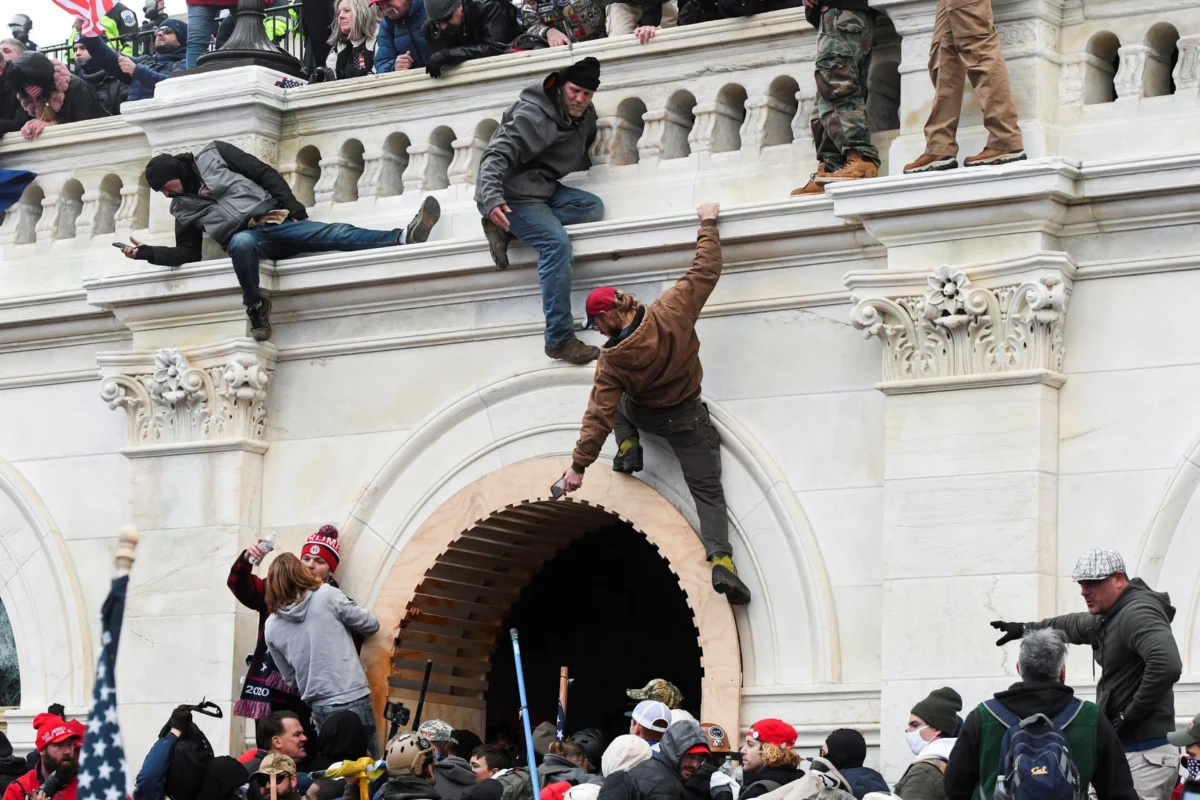
Under the terms of the settlement, the administration proposed the creation of a massive compensatory pool intended to provide payouts to individuals who claimed to have been subjected to government abuse or institutional bias. However, the proposal immediately triggered a firestorm of controversy. Critics, including a bipartisan coalition of lawmakers and legal watchdogs, labeled the initiative a "slush fund," expressing profound concern that the taxpayer-funded payouts could potentially benefit individuals involved in the January 6, 2021, attack on the U.S. Capitol.
Chronology of the Impasse
The path to the fund’s suspension was marked by rapid escalation and mounting political pressure:
- Mid-April 2026: Acting Attorney General Todd Blanche assumes his role, signaling an aggressive shift in DOJ policy, including the prosecution of high-profile former officials such as former FBI Director James Comey and an intensified probe into former CIA Director John Brennan.
- Late May 2026: The administration announces the $1.8 billion fund, framed as a remedy for those targeted by "government weaponization."
- Late May 2026 (Memorial Day Break): While lawmakers are away, the fund faces intense public and private criticism. Upon their return to Washington, Senate Republicans initiate a confrontation with the White House, linking the fund’s survival to the broader $72 billion border funding bill.
- Early June 2026: Federal judges in Virginia and Florida issue temporary restraining orders, halting the fund’s disbursement and mandating a deeper judicial review of the settlement’s legality.
- Monday, June 8, 2026: Senate Majority Leader John Thune publicly confirms that he delivered an ultimatum to the White House: the fund must be eliminated to ensure legislative cooperation.
The Republican Rebellion
The standoff represents an extraordinary act of political maneuvering. President Trump has long demanded unwavering loyalty from his party, frequently threatening to endorse primary challengers against those who deviate from his agenda. The willingness of Republican leaders to stare down the President over this specific issue suggests that the political calculus has shifted.
The friction is further complicated by recent electoral developments. Observers point to Trump’s endorsement of Texas Attorney General Ken Paxton over incumbent Senator John Cornyn as a catalyst for the recent defiance. By backing a primary challenger against a long-standing party figure, the President may have inadvertently weakened his grip on the Senate, emboldening other Republicans to prioritize their institutional leverage over executive demands.
"They gave us an ultimatum," said one White House source, speaking on the condition of anonymity to discuss the internal deliberations. Senate Majority Leader John Thune, reflecting the mood of the upper chamber, made the party’s position clear to the administration: "We made it clear to the White House the fund needed to be killed."
The Blanche Factor: A Leadership Crisis
The controversy surrounding the fund has placed Acting Attorney General Todd Blanche in a precarious position. Since his appointment, Blanche has moved to consolidate his power by purging controversial records—including the removal of press releases regarding the prosecution of January 6 rioters—from the DOJ website.
However, his handling of the compensation fund has arguably undermined his standing with the very Senators who would be required to confirm him for a permanent tenure. Sources indicate that during a tense meeting last month, Republican lawmakers openly berated Blanche regarding the political optics and legal viability of the fund.
"He did not come back with any answers," a source familiar with the meeting noted. While the White House has attempted to distance itself from the initiative by pinning the concept on the Justice Department and Blanche’s deputies—such as Senior Deputy Trent McCotter—the political damage has been done. The botched rollout has raised significant questions about Blanche’s political acumen and his ability to navigate the complex relationship between the Department of Justice and the legislative branch.
Official Responses and Legal Maneuvering
The Justice Department’s response has been one of tactical retreat. In a statement released on Monday, a DOJ spokesperson affirmed that the Department "disagrees strongly" with the federal court orders halting the fund but stated that the government "will abide by the Court’s ruling."
Crucially, the statement avoided any explicit commitment to permanently scuttling the program. This lack of finality has failed to satisfy critics. Senate Minority Leader Chuck Schumer, leveraging the controversy to unite the Democratic caucus, took to social media to announce that Democrats would pursue legislation explicitly banning the creation of such funds in the future. "This week, Senate Democrats will push legislation to ban this slush fund and ensure no president can ever do this again," Schumer wrote on X.
Implications for the Administration and Tax Policy
The broader settlement agreement, which accompanied the establishment of the fund, included a provision barring the IRS from pursuing any audits into tax claims for President Trump, his relatives, or his companies for returns filed before May 18.
Legal experts remain divided on whether the court-ordered pause of the compensation fund will impact the enforceability of the settlement’s other provisions, specifically the protection against future audits. As the June 12 deadline for the initial judicial review approaches, the administration finds itself in a defensive posture.
President Trump is reportedly "not thrilled" with the current state of affairs, though sources suggest he recognizes the necessity of the retreat to ensure the passage of the critical $72 billion border funding bill. For now, the administration’s strategy appears to be one of "pause and pivot," waiting for the political heat to dissipate before determining the next move.
Conclusion
The collapse of the $1.8 billion compensation fund is a watershed moment in the current administration’s tenure. It highlights the limits of presidential power in the face of a unified, if occasionally fractious, congressional majority. While the administration seeks to frame the development as a temporary setback, the underlying tension—between the executive’s desire to reshape federal institutions and the legislature’s insistence on oversight—remains unresolved.
As the White House navigates this impasse, the future of both Acting Attorney General Todd Blanche and the broader "weaponization" agenda remains uncertain. Whether the fund will remain dead or be reincarnated in a more palatable form remains the central question for Washington in the coming weeks. For now, the "slush fund" saga serves as a potent reminder of the volatile nature of the current political landscape and the ongoing struggle for control between the executive and legislative branches of the United States government.












No comments yet. Be the first to join the conversation!