Raul Delapena Setiawan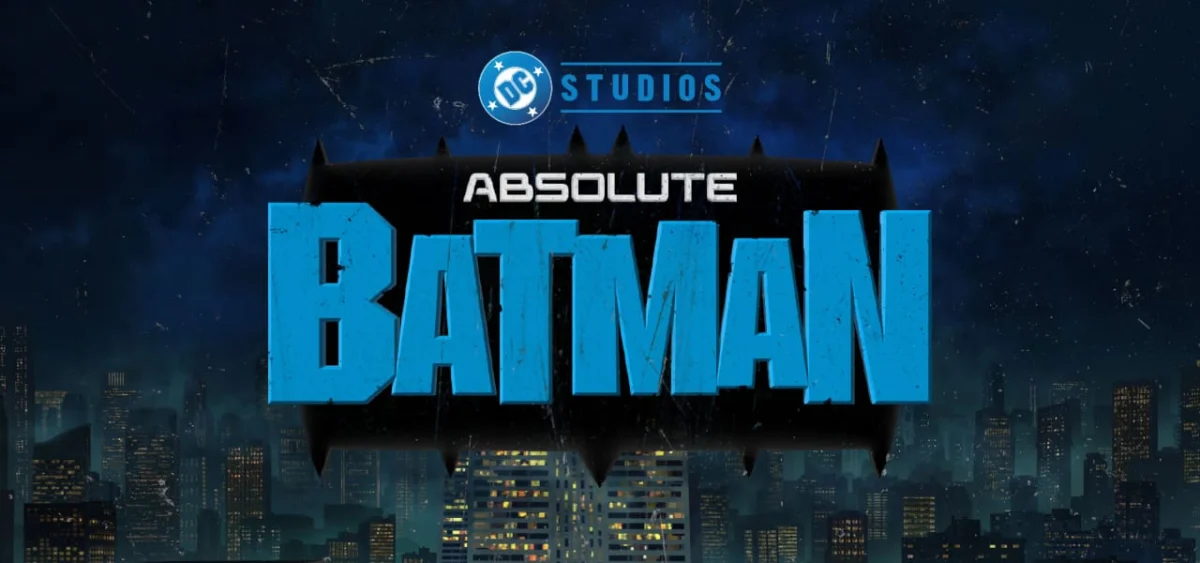
By [Your Name/Journalistic Desk]
June 25, 2026
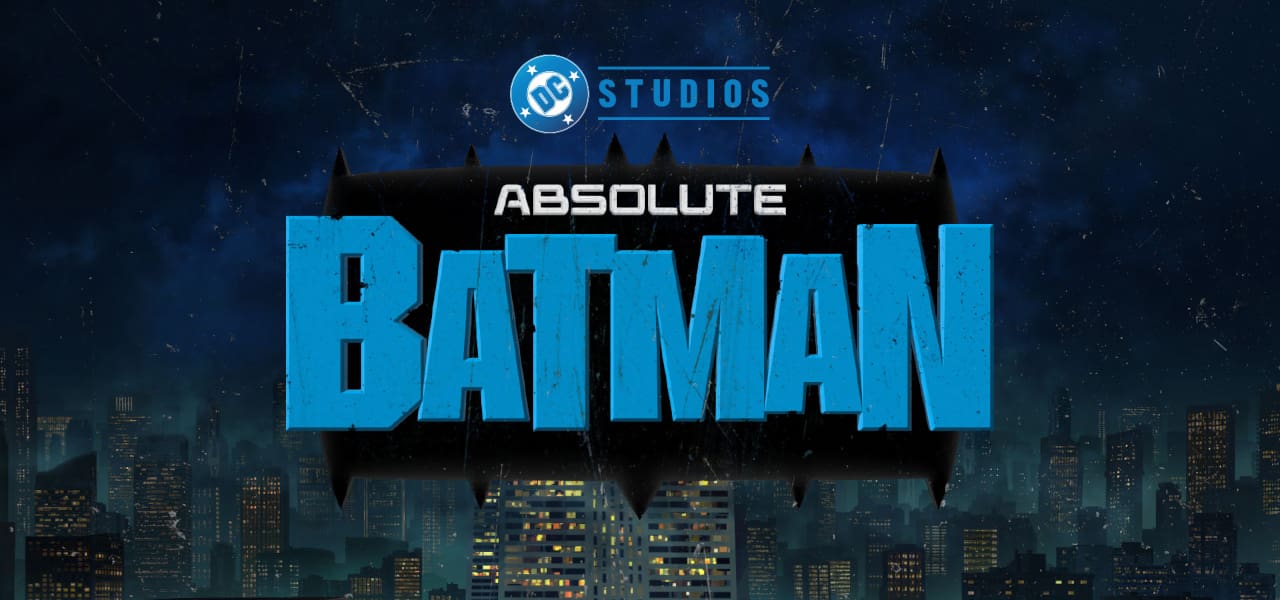
The 2026 Annecy International Animation Film Festival, the world’s most prestigious gathering for the animation industry, became the stage for a seismic shift in the DC Universe’s media strategy. In a sweeping presentation that bridged the gap between legacy comic book storytelling and modern animation techniques, Warner Bros. Animation and DC Studios announced a sprawling slate of new projects. Among the headlines was the long-rumored animated adaptation of the acclaimed Absolute Batman comic book series, a move that signals a deeper commitment to integrating comic creators into the directorial process of their own adaptations.
The Rise of Absolute Batman and Creator-Led Adaptations
The centerpiece of the Annecy presentation was the official confirmation that the Absolute Batman comic book series, created by Scott Snyder and Nick Dragotta, is being fast-tracked into an animated series. Perhaps most significant is the announcement that Scott Snyder himself will serve as the showrunner.
For years, the comic book industry has grappled with the "creator credit" dilemma, where the architects of billion-dollar cinematic universes often receive little more than a "special thanks" in the credits of the films their work inspired. By placing Snyder at the helm of the Absolute Batman production, Warner Bros. and DC Studios are making a calculated pivot toward respecting the intellectual foundations of their library.
Understanding the Source Material
The Absolute Batman series has become a cornerstone of recent DC output, offering a radical departure from the traditional Bruce Wayne archetype. This version of the Caped Crusader is not the heir to the Wayne fortune or a product of aristocratic privilege. Instead, he is a blue-collar civil engineer raised in the harsh environment of Crime Alley, where his primary antagonists are often his childhood friends turned enemies. The character’s visual identity—a massive, self-designed suit of armor—speaks to a grounded, industrial aesthetic.
Artist Nick Dragotta has been vocal about his vision for the project, having previously expressed a desire for a high-octane, stylized animation approach. There is significant industry speculation that the visual language of the show will lean into kinetic, action-heavy aesthetics, potentially drawing inspiration from the likes of Studio Trigger, an aspiration Dragotta has publicly supported.
A New Golden Age of DC Animation
The Absolute Batman announcement was accompanied by a robust rollout of other titles, demonstrating a diverse range of genres and target demographics. The studio’s strategy appears to be a multi-pronged approach: catering to adult-oriented anime fans, developing whimsical content for younger audiences, and expanding existing cult-favorite franchises.
The Rise of Adult-Oriented DC Anime
Following the success of 2024’s Suicide Squad Isekai from Wit Studio, DC has solidified its partnership with Japanese animation houses. The most prominent addition is Joker: Laugh Riot, a series greenlit to production via Sola Entertainment.
The premise of Laugh Riot is a dark, character-driven exploration of the Joker’s psyche in a reality where Batman has been killed. The narrative centers on the Joker’s existential crisis: without his primary foil, he finds himself inadvertently slipping into the role of a crime-fighter. It is a psychological deconstruction that mirrors the dark, surreal storytelling prevalent in modern seinen anime.
The "Mister Miracle" Benchmark
During the event, attendees were treated to exclusive footage from Tom King’s Mister Miracle adaptation. The presentation served as a proof-of-concept for the "Creator-Led" model. The footage, characterized by vibrant, visceral visuals and an uncompromisingly somber tone, received a standing ovation. It captured the specific narrative gravity that made King and artist Mitch Gerads’ comic run a critical darling. The success of this presentation reinforced the industry sentiment that the best adaptations emerge when the original visionaries are given the creative latitude to translate their work directly to the screen.
.png)
Diversifying the Portfolio: Kids and Genre Expansions
Beyond the darker, serialized content, Warner Bros. Animation showcased a commitment to younger demographics and stylistic experimentation.
- Krypto’s New Mission: Created by C.H. Greenblatt (Chowder), the new Krypto animated series is aimed at a younger audience but promises the same high-concept charm that defined Greenblatt’s previous work. The series follows Superman’s canine companion as he finds himself embedded in a criminal underworld, inadvertently acting as a mentor who guides low-level thugs toward moral redemption.
- Magical Girl Green Lantern: The My Adventures With Superman spin-off, My Adventures With Green Lantern, highlighted a stunning transformation sequence for Jessica Cruz. The aesthetic leans heavily into the "Magical Girl" anime trope, signaling a creative willingness to blend classic DC iconography with established anime sub-genres.
- The "Super Powers" Initiative: Set within a training academy for budding heroes, Super Powers serves as an action-oriented successor to the Teen Titans Go! ethos, emphasizing the mechanics of power progression and skill development.
- Starfire’s Galactic Journey: A standalone origin story for the iconic Teen Titans member, Starfire promises a space-opera scale. By bringing back Hynden Walch to voice the character, the studio maintains continuity in voice performance while firmly establishing the show as an independent, standalone adventure.
Chronology of the 2026 Annecy Presentation
- Opening Statement: DC Studios leadership reaffirms the "Comic-First" production model.
- The Absolute Batman Reveal: Scott Snyder confirmed as showrunner; series announcement.
- Mister Miracle Showcase: Presentation of "blood-soaked" and "poignant" footage.
- Anime Block: Joker: Laugh Riot announced; Suicide Squad Isekai retrospective.
- Family-Friendly Slate: Krypto by C.H. Greenblatt and Super Powers unveiled.
- Franchise Milestones: Teen Titans Go! celebrates its 500th episode and 10th anniversary.
Supporting Data: The Teen Titans Phenomenon
The celebration of the 500th episode of Teen Titans Go! served as a reminder of the franchise’s durability. As the longest-running animated series in DC history, its longevity provides a reliable revenue stream that subsidizes the more experimental, adult-focused projects announced alongside it. The cross-generational appeal—often characterized by its meta-humor and frequent nods to the 2003 Teen Titans series—remains a cornerstone of the Warner Bros. Animation strategy.
Implications for the Future of DC Studios
The 2026 Annecy event represents a fundamental shift in how Warner Bros. approaches its IP. By moving away from a homogenized "house style" and toward a model that values creator involvement and aesthetic diversity, the studio is positioning itself to compete more aggressively in an increasingly crowded animation market.
Key Takeaways:
- Creative Autonomy: The decision to empower writers like Scott Snyder suggests that the studio is prioritizing artistic integrity over corporate sanitization.
- Genre Fluidity: By leaning into "Magical Girl" tropes for Green Lantern and "Seinen-style" crime drama for Joker, DC is effectively breaking down the barrier between Western superhero fiction and international animation styles.
- Strategic Risk-Taking: The Absolute Batman project is, by definition, a risk. An alternate-reality, blue-collar Batman could alienate purists, but its inclusion in the slate suggests that the studio is prioritizing innovation over brand safety.
As the industry looks toward the next cycle of production, all eyes remain on the collaboration between DC Studios and its creative partners. If the quality of the Mister Miracle footage is any indication, the future of DC animation is not just bright—it is bold, unconventional, and finally, in the hands of the people who know these characters best.

 Siti Muinah
 Evan Lee Salim