Neng Nana
The rapid evolution of consumer electronics over the last seventy years has created a stark divide in how generations experience the world. For the Baby Boomer generation—those born between 1946 and 1964—the landscape of their youth was defined by physical interaction, mechanical reliability, and a slower, more deliberate pace of life. While modern society is tethered to the infinite, ephemeral nature of the cloud, the Boomer childhood was anchored by tangible, often oversized, and undeniably charismatic hardware.
From the glowing vacuum tubes of massive console televisions to the rhythmic, tactile click of a rotary phone dial, these devices were more than mere appliances; they were the central nervous system of the American household. This retrospective explores five pieces of technology that continue to serve as powerful emotional anchors for a generation that witnessed the transition from the post-war industrial boom to the dawn of the digital revolution.
The Console Television: The Hearth of the Modern Home
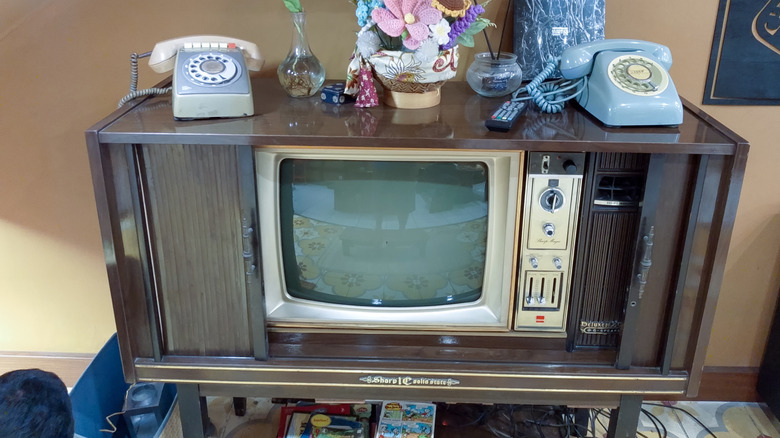
In the mid-20th century, the television set underwent a metamorphosis, evolving from a small, utilitarian box into a piece of fine furniture. Console televisions, manufactured by titans like Zenith, RCA, and GE, were massive, wood-encased centerpieces that occupied the place of honor in the American living room.
The Chronology of Visual Dominance
The rise of the console TV paralleled the economic prosperity of the post-war era. By 1960, nearly 90% of American households owned a television set. While black-and-white broadcasts dominated the early years, the slow, expensive, and technical shift to color in the 1960s and 70s represented a quantum leap in cultural immersion.
Societal Implications
The console TV was not merely a source of entertainment; it was the primary conduit for civic engagement. In 1960, the first televised presidential debate between John F. Kennedy and Richard M. Nixon fundamentally altered the political landscape. For the first time, public perception was shaped as much by visual charisma as by policy. These sets served as the family’s window to the world, facilitating shared experiences—from the moon landing to the coverage of the Civil Rights Movement—that unified a generation through a single, communal screen.
Vinyl Record Players: The Birth of Personal Auditory Freedom
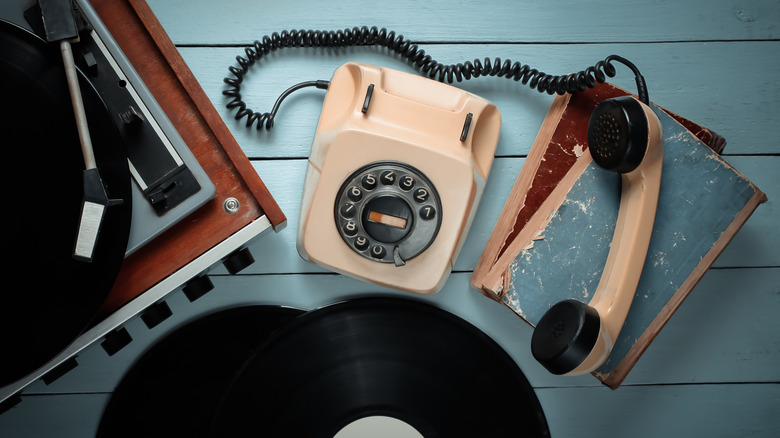
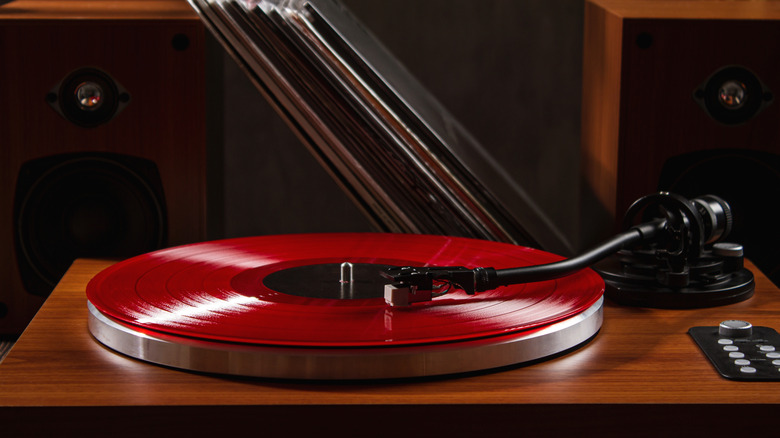
Before the era of algorithmic streaming, music discovery was a physical, deliberate act. The vinyl record player, particularly the high-fidelity consoles of the 1950s and 60s, gave Boomers their first taste of autonomy in an era of otherwise restricted media choices.
Supporting Data and Cultural Impact
Vinyl was the undisputed king of media from the 1950s through the 1970s. For the teenager of the 1960s, building a record collection was an exercise in personal branding. It was a way to navigate the explosion of rock ‘n’ roll, folk, and Motown. Unlike today’s "shuffle" culture, listening to a record required the user to physically place the disc on the platter, align the needle, and sit through the curated sequence of an album.
The Tactile Experience
There is a profound psychological connection to the "hands-on" nature of early vinyl players. The ritual of cleaning the record, the anticipation as the needle drops, and the warmth of analog sound created a multi-sensory experience that digital files have struggled to replicate. This explains the modern resurgence of vinyl; it is a return to a period where music was a physical object to be owned, displayed, and cherished.
Transistor Radios: Portability and the First "Personal" Tech
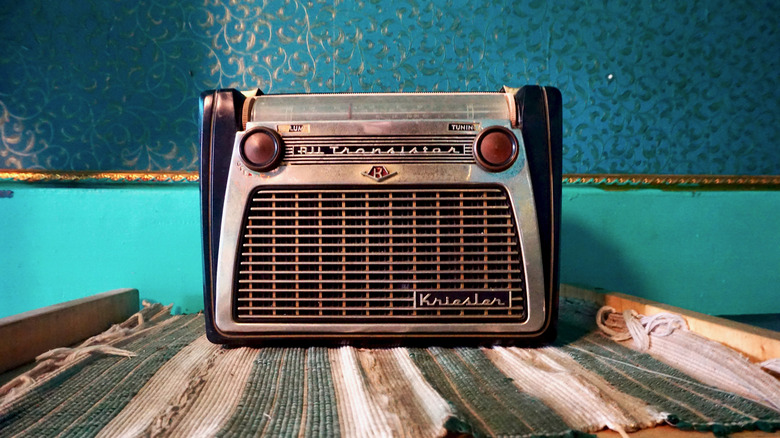
If the console TV was the hearth of the home, the transistor radio was the key to the outside world. First hitting the mass market with the Regency TR-1 in 1954, the transistor radio was the first piece of technology that allowed Boomers to take their media anywhere.
Technological Breakthroughs
The transition from bulky, tube-based tabletop radios to pocket-sized, battery-powered transistors represented one of the most significant engineering achievements of the era. By replacing fragile vacuum tubes with solid-state transistors, manufacturers created devices that were durable, efficient, and mobile.
The "Private" Listening Experience
For the Boomer teenager, the transistor radio was a lifeline to the burgeoning youth culture. It allowed them to listen to the latest hits in their bedrooms, at the park, or at the beach, often away from the "curated" listening habits of their parents. It fostered a sense of independence and community, as peers would gather to tune into local stations, hoping to catch the latest track from Elvis Presley or The Beatles. It was the precursor to the Walkman, the iPod, and eventually, the smartphone.
Rotary Telephones: The Architecture of Patience
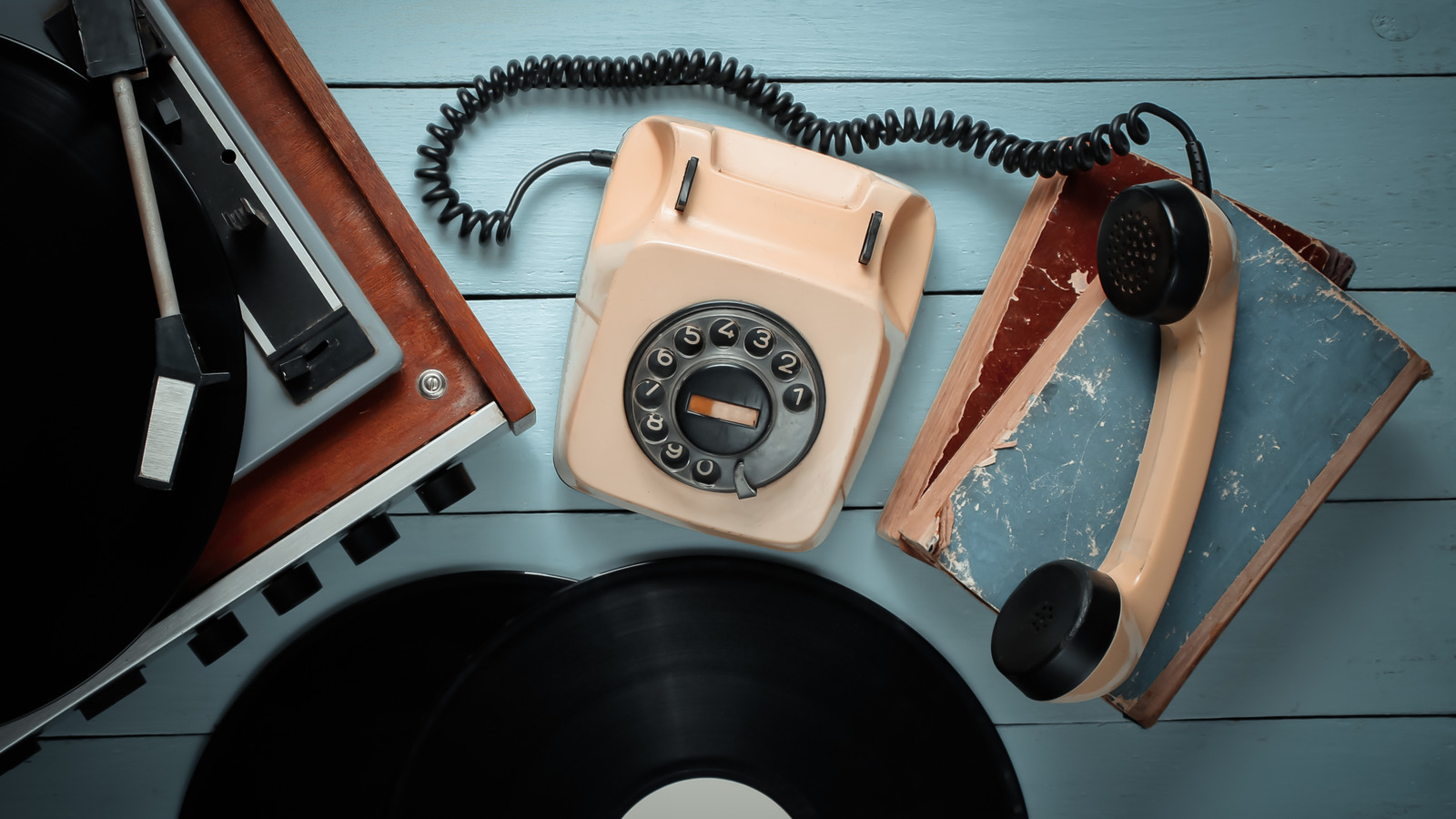
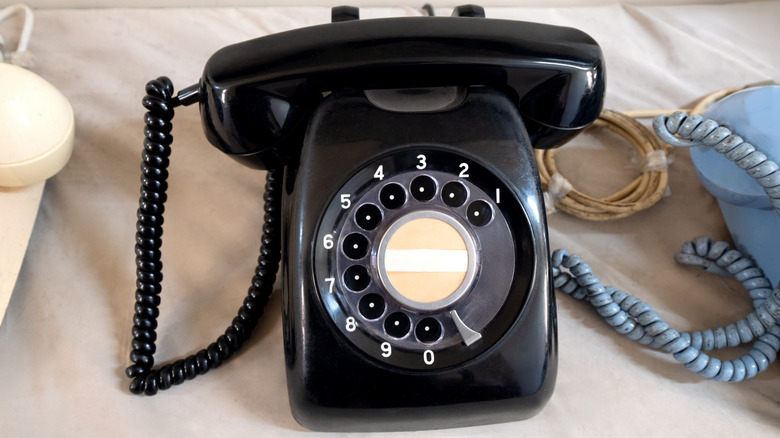
Perhaps no device evokes as much nostalgia—or as much confusion from younger generations—as the rotary telephone. With its heavy handset, coiled cord, and circular dial mechanism, it was a ubiquitous feature of daily life for decades.
Operational Mechanics and Social Norms
Operating a rotary phone required patience and a physical commitment. To dial a number, one had to insert a finger into the corresponding hole, rotate the dial to the stopper, and wait for it to return to its position. This mechanical process forced a slower pace of communication.
Unlike the hyper-connected, notification-saturated environment of the 21st century, the rotary phone was tethered to a wall. If it rang, you had to physically go to the location of the phone to answer it. There was no caller ID, no voicemail, and no ability to ignore a call while checking a screen. Conversations were often public affairs, conducted in hallways or kitchens, which paradoxically fostered a sense of transparency and intimacy in communication.
Polaroid Cameras: The Dawn of Instant Gratification
The introduction of the Polaroid camera in 1948 by Edwin Land was nothing short of miraculous. For the first time, the lag time between capturing an image and viewing it was collapsed from days or weeks to mere seconds.
The Chemistry of Memory
The magic of watching an image emerge from a blank square of film in the palm of one’s hand became a defining activity at family gatherings, holidays, and parties. By 1977, Polaroid dominated the instant photography market, cementing its status as the social glue of the Boomer experience.
Implications of the Instant Print
Polaroid photography prioritized the "moment" over the "perfection." Because film was expensive and finite, each click of the shutter carried weight. The photos were rarely stored in digital folders; they were passed around, taped to mirrors, or kept in physical albums. They served as tangible proof of existence, capturing the candid, unpolished reality of life before the advent of digital editing and social media filters.
Conclusion: The Enduring Legacy of Analog
Reflecting on these five technologies—the Console TV, the Vinyl Player, the Transistor Radio, the Rotary Phone, and the Polaroid—reveals a common thread: these devices required human participation. They were not "smart" in the modern sense of automation or connectivity, but they were deeply integrated into the fabric of daily social life.
For Baby Boomers, these gadgets represent a period where technology was designed to facilitate connection rather than mediate it. As we move further into an era of artificial intelligence and virtual reality, the memory of these analog tools serves as a reminder of the value of physical interaction. While the hardware may be largely obsolete, the memories attached to them remain vibrant, marking a distinct chapter in the history of human progress—a time when the tools we used were as solid, reliable, and character-filled as the people who used them.


 Jia Lissa
 Ammar Sabilarrohman