Rifan Muazin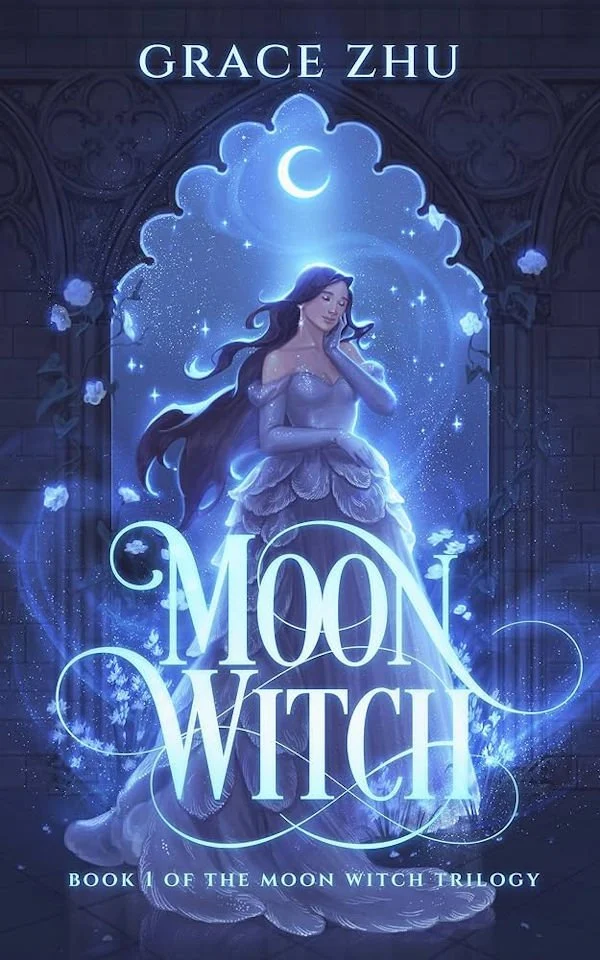
As the calendar turns to the first of May, the literary landscape of the 11th annual Self-Published Fantasy Blog-Off (SPFBO) shifts once again. This prestigious competition, a cornerstone of the indie fantasy community, continues its rigorous vetting process, systematically narrowing a field of 300 entrants down toward the ultimate semi-finalists. Today, we bid farewell to the second group of five contestants.
For the uninitiated, the SPFBO is not merely a contest; it is a vital barometer for the health and innovation of self-published genre fiction. Curated by a diverse panel of judges, the competition prioritizes discovery, placing under-the-radar gems alongside ambitious experimental works. As the judging panel transitions into this next phase, it is worth examining the criteria, the trends, and the specific evaluations that led to the latest round of eliminations.
The Philosophy of Subjectivity in Judging
It is a mantra often repeated by the SPFBO organizers, yet it bears repeating: All reading is subjective. In a contest designed to celebrate the breadth of self-published fantasy, the criteria for "success" are fluid. The panel does not read entries in a specific hierarchy—they do not progress from "worst to best." Instead, the process is a series of five-book cycles, where each title is weighed against the judges’ personal tastes, technical expectations, and engagement levels.
The elimination of a book from the SPFBO does not signify a failure of vision. Rather, it indicates that a specific narrative did not resonate with the particular panel of judges assigned to it. As the industry continues to evolve, these reviews serve as a candid mirror for authors, offering a glimpse into how their work lands with an audience that consumes high-volume, competitive literature.

A Review of the Departed Titles
The following five titles, while showing clear ambition and creative spark, have reached the end of their journey in this year’s competition.
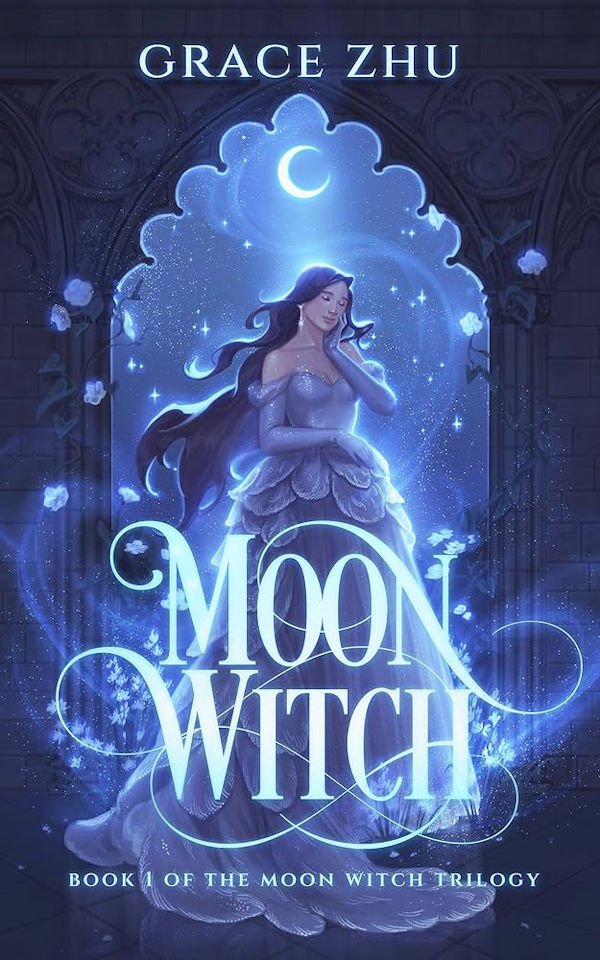
Moon Witch (Moon Witch, #1) by Grace Zhu
Moon Witch presents a classic portal fantasy narrative, following two friends, Evangeline and Alice, who stumble through a rift into a realm of sorcery. The story highlights the conflict between the comfort of home and the seductive power of a new, magical reality.
The Verdict: The panel identified a strong premise that captures the quintessential appeal of portal fiction. While some judges praised the author’s specific word choices, others found the prose lacked the necessary "bite" to distinguish itself in a crowded market. Ultimately, the characters failed to leave a lasting impression, leading to the decision to cut the title. However, the judges noted that Grace Zhu shows significant promise as a writer, suggesting her future projects may well find a more receptive audience.
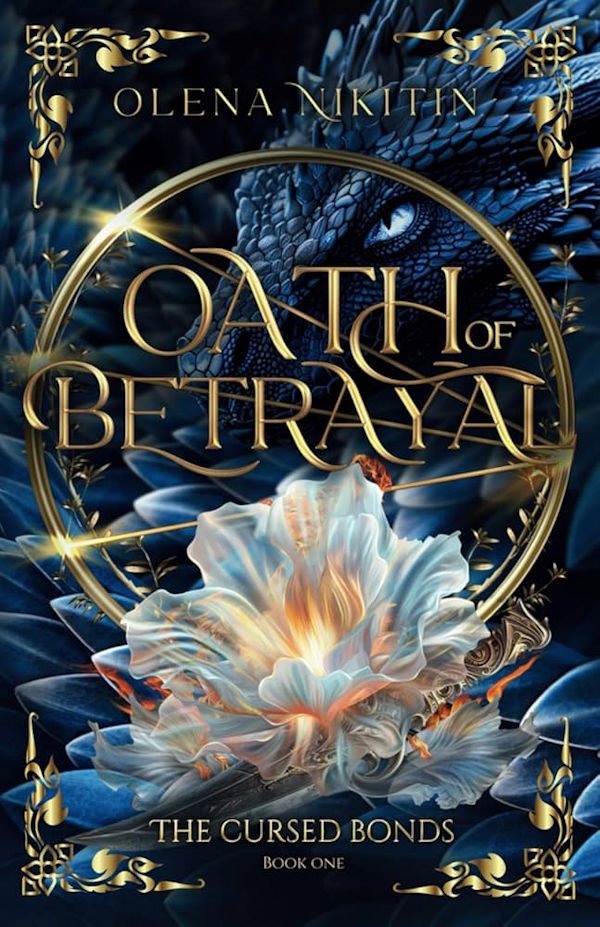
Oath of Betrayal (The Broken Bonds, #1) by Olena Nikitin
A bold foray into the world of romantasy, Oath of Betrayal centers on Annika, a protagonist in her 30s navigating a polyamorous relationship and a world defined by dragon riders and dark necromancy.
The Verdict: The book clearly targets a specific demographic, boasting "spicy" on-page content and complex, high-stakes relationship dynamics. However, the judges struggled with the execution of the narrative. Multiple first-person points of view, combined with dense, occasionally alienating lore, created barriers to immersion. Additionally, some stylistic choices—such as the characterization of women as "females"—clashed with the judges’ preferences for modern gender-neutral terminology. While not advancing, the book remains a strong contender for readers who prioritize romance and polyamorous tropes in their fantasy.
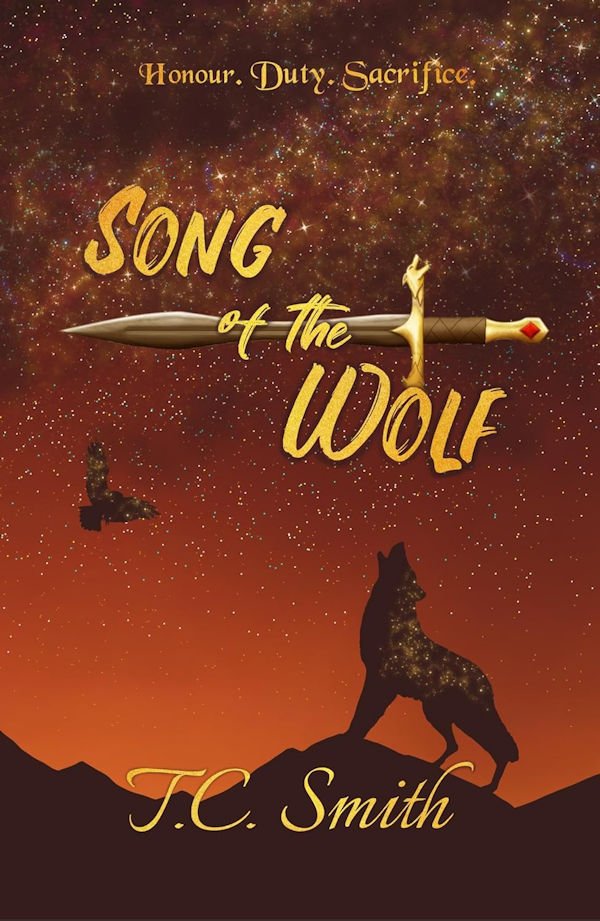
Song of the Wolf by T. C. Smith
Set against the backdrop of an elven kingdom in turmoil, Song of the Wolf features a young queen, Talin Zylvaris II, fighting to save her people from both internal conspiracies and external threats like Hellhounds.
The Verdict: The worldbuilding was, by all accounts, the standout feature of this work. The setting felt lived-in and expansive. Yet, the book stumbled in its structural integrity. The judges reported that the decision-making processes of the characters often felt erratic or unmotivated, breaking the suspension of disbelief. Because the plot relied heavily on these "odd" choices to move forward, the panel found it difficult to maintain a consistent connection with the narrative.
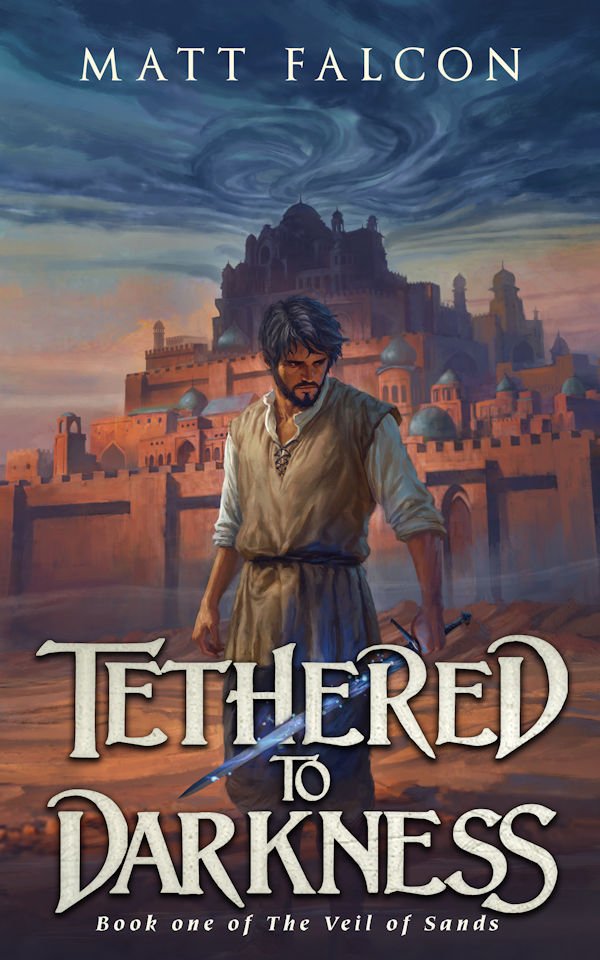
Tethered to Darkness by Matt Falcon
This entry explores the life of Shen Auger in the harsh, sand-swept Eoden City. It is a tale of generational secrets, a dying world, and a reluctant hero forced to confront his father’s tyranny.
The Verdict: Tethered to Darkness represents a "near miss." Every judge found elements to appreciate, yet the collective experience was lukewarm. The primary criticism was a lack of narrative momentum; while no single judge felt the need to quit the book, none felt the "desperate" urge to return to it. In the competitive environment of the SPFBO, a book that fails to ignite passion is often sidelined in favor of works that provoke stronger reactions, whether positive or negative.
The Fire Within by John B. Cheek
A grand-scale epic, The Fire Within pits massive armies against one another and tracks the intersecting fates of three tortured souls caught in the crossfire of an ancient conflict.
The Verdict: This book serves as a cautionary tale regarding the necessity of professional-grade editing. The narrative core and the worldbuilding were robust enough that one judge finished the book in a single sitting—a testament to its inherent appeal. However, the "roughness" of the prose and the lack of polish proved to be a fatal flaw. In a contest where quality control is paramount, the panel concluded that the story, while great in concept, requires further refinement before it can compete at this level.
Chronology and Industry Impact
The SPFBO operates on a tight schedule, with the 11th annual iteration (SPFBO 11) running throughout 2026. This second round of eliminations serves as a reminder of the sheer volume of talent currently surfacing in the indie scene. With 300 books on the master list, the journey for both the judges and the authors is a marathon, not a sprint.
The panel for this year includes a broad spectrum of voices, ranging from industry veterans like Adawia Asad and Robert Max Freeman to insightful reviewers like Yaniv Rosenfeld Cohen and Stacey Markle. Their combined feedback, while critical, is intended to provide constructive guidance to the authors who have demonstrated the immense courage required to submit their work for public scrutiny.
The Road Ahead
As we look toward the remaining 20 books (and the broader list of 300), the SPFBO remains a vital nexus for the fantasy community. The elimination of these five titles does not spell the end for their authors; in the world of independent publishing, a review—even one that results in a "pass"—is a piece of data that can inform future marketing, editing, and creative directions.
Key Takeaways for Future Entrants:
- The Importance of Polish: As seen in the case of The Fire Within, even a compelling story can be held back by insufficient editing.
- Character Agency: A plot that relies on irrational character decisions to progress often loses the reader, as noted in the critique of Song of the Wolf.
- Accessibility: While niche sub-genres like romantasy are thriving, stylistic choices that feel dated (like specific gendered language) can alienate readers.
- Engagement is King: A book must not only be readable; it must be "unputdownable."
For those interested in following the remainder of the contest, the official SPFBO website remains the primary resource for updates, rankings, and full reviews. As for the authors who have exited the contest, we encourage them to continue their work. The history of the SPFBO is littered with authors who did not win the trophy but went on to build successful, long-term careers through the visibility and feedback the contest provided.
We extend our gratitude to the judges for their transparency and diligence. For any inquiries regarding the judging process or the specific feedback provided to the authors, readers are encouraged to reach out to the editor, Jennie Ivins, via her social media channels on Bluesky or Threads.
The flowers may have faded on this round of the competition, but for the indie fantasy world, the season of growth is only just beginning.


 Reynand Wu
 Asep Darmawan