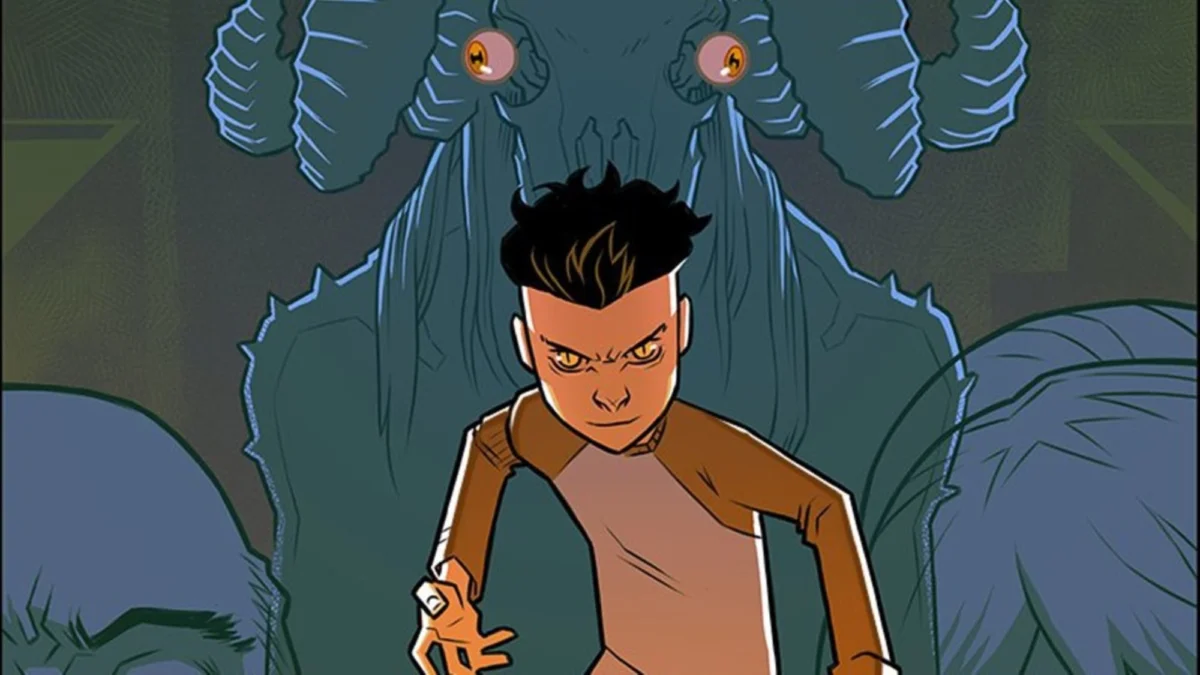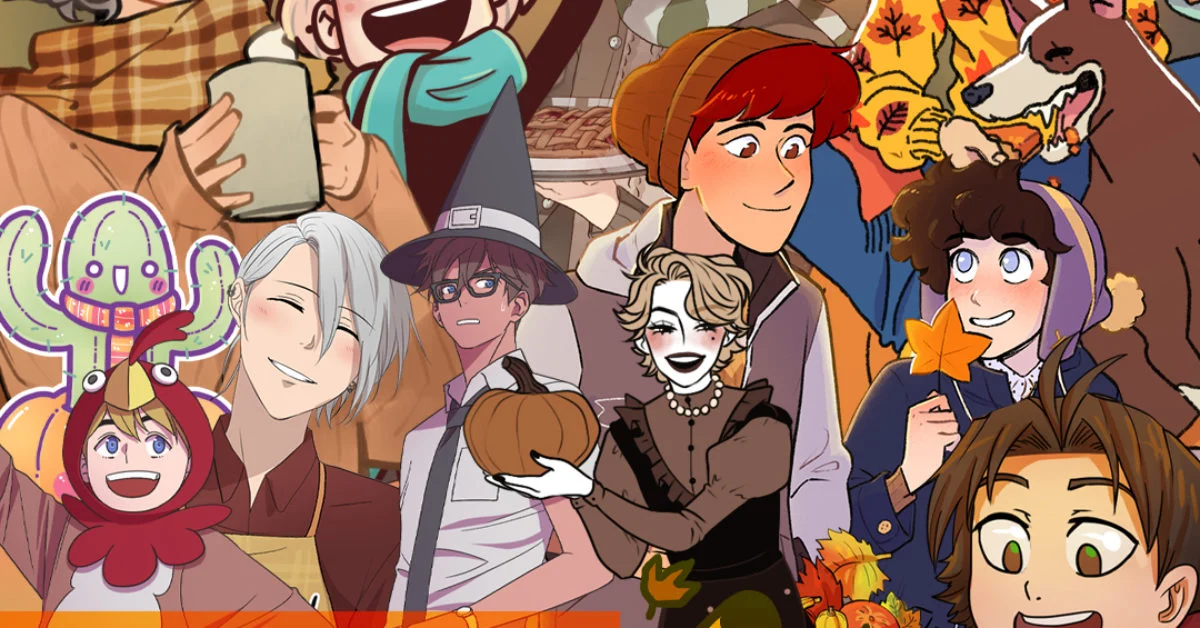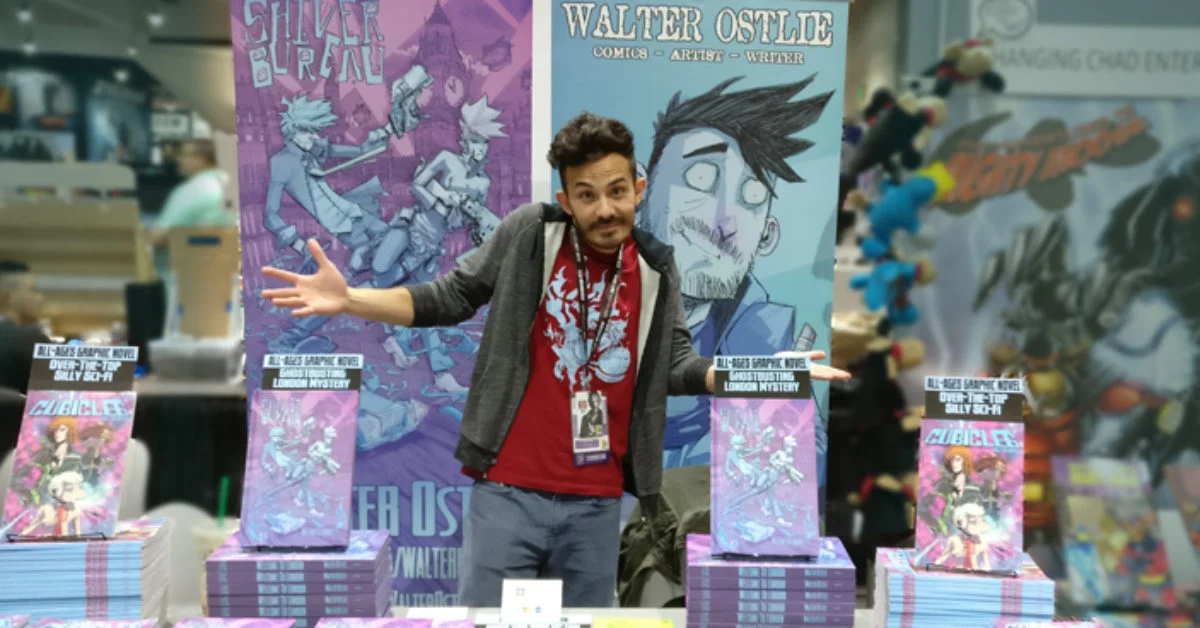
In the ever-shifting landscape of the modern comic book industry, few creators have managed to bridge the gap between traditional print graphic novels and the burgeoning digital webtoon market as seamlessly as Walter Ostlie. A multi-hyphenate talent—writer, artist, and educator—Ostlie has spent over a decade refining his craft, transitioning from a self-taught enthusiast to a full-time professional whose work has reached global audiences.
From the grounded, relatable office-life satire of his debut Cubicles to the high-octane, surrealist absurdity of Metalshark Bro, Ostlie’s career serves as a masterclass in independent creator resilience. In this deep dive, we explore his trajectory, his insights into the digital revolution, and his philosophy on the grueling but rewarding life of a full-time independent artist.
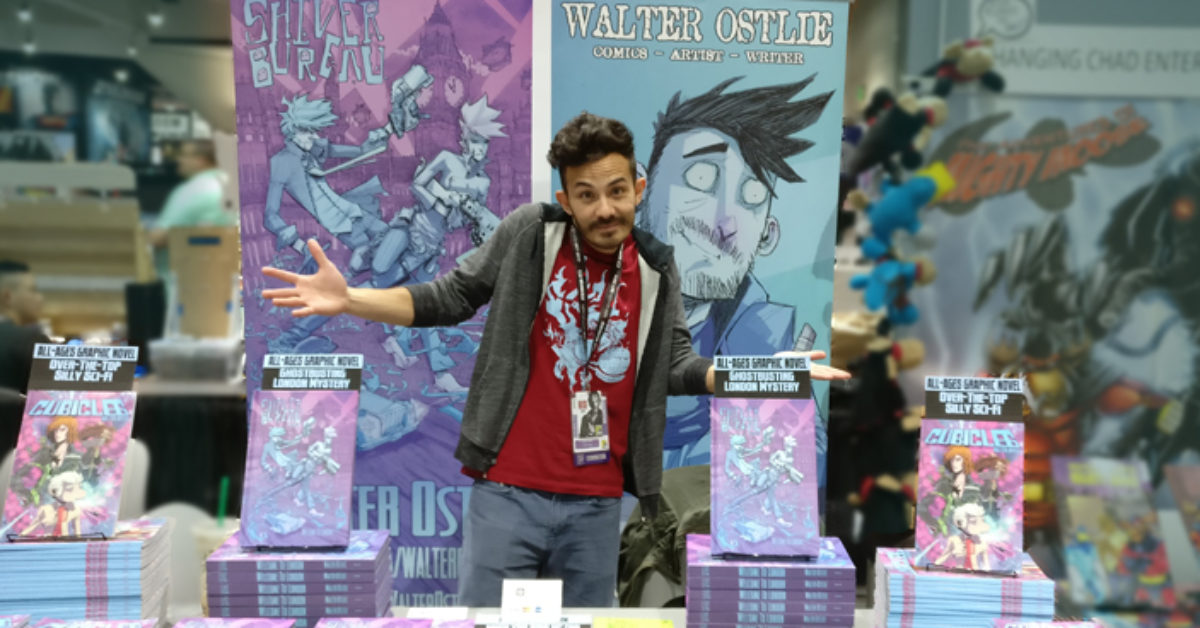
A Chronology of Creative Growth
Walter Ostlie’s journey into the sequential arts began in 2008, a period marked by self-directed study and a hunger to translate internal narratives into visual form. By 2011, this dedication culminated in the publication of Cubicles via Red5 Comics. The success of this debut provided the momentum for his sophomore effort, Shiver Bureau, a project that proved his mettle in the crowdfunding space. Raising over $13,000 on Kickstarter, Shiver Bureau caught the attention of the industry, eventually being picked up by Scout Comics for wider Diamond distribution.
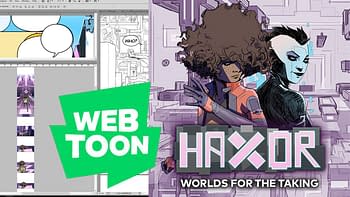
However, the real inflection point in Ostlie’s career arrived with the rapid ascent of the Webtoon platform. Recognizing the shift in how younger readers were consuming content, Ostlie adapted his workflow to create Haxor. This project not only cemented his status as a "Featured" creator on Webtoon but also provided the financial stability required to transition away from his "9-to-5" day job, allowing him to pursue comics as a full-time vocation.
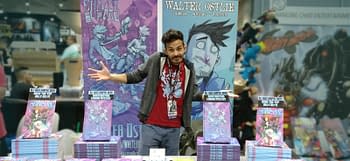
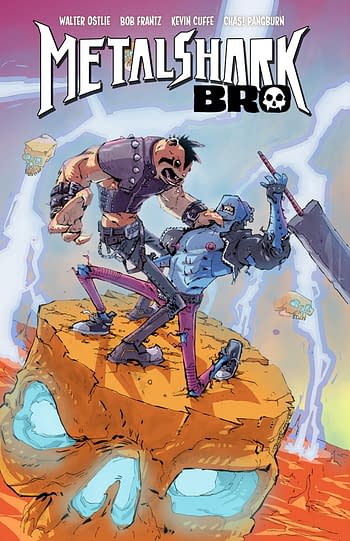
Since then, Ostlie has remained a prolific force. His collaboration with Greg Anderson Elysee on the award-winning Is’nana: The Were-Spider series showcased his ability to adapt his aesthetic to collaborative visions. Simultaneously, his work on the breakout hit Metalshark Bro—a title that secured over $50,000 in crowdfunding—has demonstrated his capacity for blending dark humor with imaginative world-building.
The Digital Frontier: Webtoons as a Paradigm Shift
During a recent interview with Greg Anderson Elysee, Ostlie offered a candid look at why he considers the Webtoon platform a fundamental "game-changer" for the comic book industry.
"Webtoon is webcomics, but to the power of a million," Ostlie explains. He likens the platform to YouTube, noting that while anyone can post their work and earn ad revenue, the platform also functions similarly to Netflix, as it actively funds "Originals" through publishing fees. Crucially, creators retain their intellectual property rights—a stark contrast to the traditional, often restrictive, work-for-hire models prevalent in mainstream American comics.
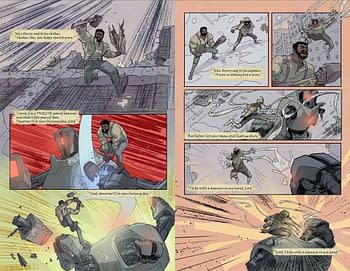
This shift has forced a fundamental change in how Ostlie approaches storytelling. The "infinite vertical scroll" of the platform allows for a different pacing structure. "I have a ton of room to play with," says Ostlie. "I could use ten panels of the same face, slowly changing the expression from confusion to horror if I wanted. Which really allows for a lot of character building." However, he notes that this requires unlearning certain traditional habits; splash pages and wide-establishing shots, staples of print comics, often fail to translate to the mobile-centric vertical format.
The Daily Grind: Discipline and Sustainability
For those who romanticize the life of an independent artist, Ostlie’s reality check is grounded in rigorous discipline. Working six days a week, his schedule is a testament to the "old person schedule" he jokingly adopts to survive the high-output demands of his career.
A typical day for Ostlie begins at 7:00 AM. After a quick meal, he is at his drawing board by 8:00 AM, working in focused blocks until 5:00 PM, with only a 30-minute break for lunch. This level of consistency is required to meet the demanding deadlines of weekly digital releases. Ostlie admits that while he thrives on this routine, the mental load of constant creation can be heavy. To combat burnout, he maintains a YouTube channel where he documents the technical side of comic creation—lettering, writing, and drawing.
"People are overwhelmed by the technical stuff," Ostlie says of his channel, which now boasts over 4,500 subscribers. "I wanted to approach the technical and more mundane stuff. Take away that stress so people could focus on their stories."
Artistic Evolution and Stylistic Philosophy
When asked about the growth of his art style over the last 12 years, Ostlie offers a humble assessment. While he feels his core artistic "skill" may have hit a plateau, his efficiency has skyrocketed. "Stuff that would have taken me a few hours to draw, I can now draw in 30 minutes," he notes.
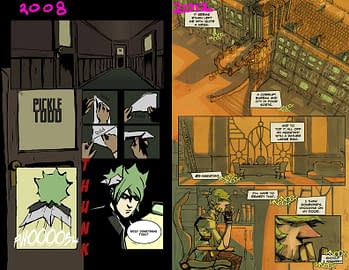
This speed has inadvertently shaped his aesthetic. By simplifying his lines to accommodate the sheer volume of work required, he has developed a signature, stylized look. He credits artists like Skottie Young and Ben Templesmith as his primary influences, noting their ability to create work that is both familiar and uniquely alien. "I grew up on Image comics, and I still love Jim Lee’s art, but all I look at now is stylized art. It’s just really amazing how they can take something normal, like a tree, and draw it in a way that is both familiar and uniquely alien."
Implications for Future Collaborations
The relationship between writers and artists is notoriously fraught, but Ostlie maintains that the secret to success is radical transparency. His advice to aspiring creators is to prioritize open communication. "A writer needs to be okay with telling an artist that something isn’t right. An artist needs to be okay with telling a writer that a scene doesn’t work," he advises.
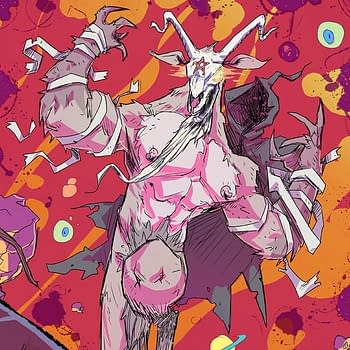
Looking forward, Ostlie is currently under contract for a new, top-secret project that will keep him occupied through 2021. While fans clamor for more Shiver Bureau or a follow-up to the John Henry/Is’nana crossover, Ostlie remains protective of his schedule. He has made a personal commitment to avoid new freelance work for at least a year to focus on his own intellectual property and his upcoming major release.
His success with Metalshark Bro—a title described as a "ridiculous story about a shark man-killing possessed donuts"—proves that there is a significant audience for unconventional, high-concept creator-owned works. By embracing the chaos of the industry and leveraging digital platforms to reach niche audiences, Ostlie has built a sustainable career on his own terms.
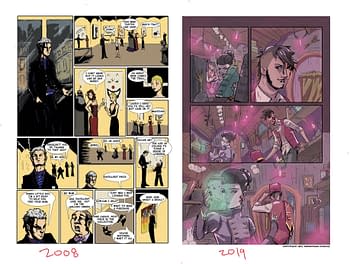
As the industry continues to move toward decentralized, creator-driven models, creators like Walter Ostlie provide a roadmap for the future. By balancing the technical rigor of traditional comics with the innovative distribution methods of the digital age, he continues to push the boundaries of what an independent creator can achieve. Whether he is drawing spider-gods or shark-men, one thing remains clear: Walter Ostlie isn’t just making comics; he’s building a blueprint for the next generation of independent storytellers.
For those interested in following his work, updates and project links can be found at walterostlie.com.