In the evolving landscape of modern gaming, the line between virtual assets and physical craftsmanship is becoming increasingly blurred. When Electronic Arts (EA) approached the renowned prop-making duo Kamui Cosplay to bring an iconic weapon from the action-RPG Wild Hearts to life, the result was more than just a promotional prop—it was a masterclass in modern maker technology, combining 3D modeling, advanced electronics, and traditional cosplay artistry.
Main Facts: Bringing the Karakuri Katana to Life
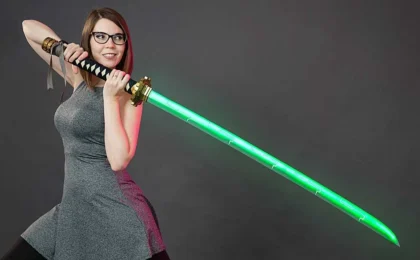
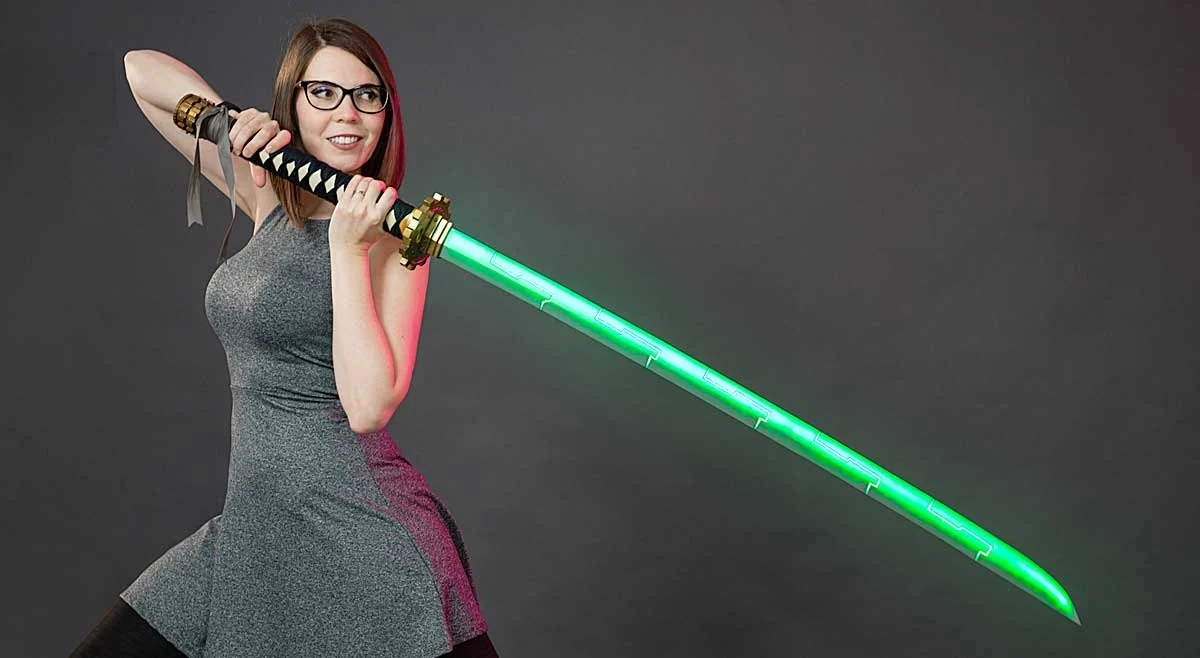
The Karakuri Katana from Wild Hearts is defined by its fluid, evolving nature, glowing with ethereal energy and shifting forms during combat. To translate this into a physical object, Kamui Cosplay—comprised of Svetlana and Benni—undertook a rigorous development cycle. The project resulted in a fully functional, light-up, and sound-reactive LED prop that serves as a benchmark for game-inspired replica builds.
The build process utilized high-performance 3D printing techniques, leveraging white ABS filament to ensure both durability and optimal light diffusion. By integrating sophisticated microcontroller technology—specifically drawing inspiration from Adafruit’s open-source lighting solutions—the team managed to replicate the "special attack" sequence seen in-game, complete with synchronized LED sequences and high-fidelity sound effects. This project serves as a bridge between the virtual "Karakuri" technology in the game and the real-world manufacturing capabilities of independent creators.
Chronology: A Week of Intense Fabrication
The journey from a digital asset to a tangible prop was compressed into an intensive one-week development window. The project proceeded through several distinct phases:
Phase 1: Digital Sculpting (Days 1–2)
Benni utilized Blender, the industry-standard open-source 3D suite, to model the katana from scratch. This was not a simple conversion of game files; the model had to be engineered specifically for internal hardware housing. The handle needed to accommodate battery packs and soundboards, while the blade required a hollow, thin-walled structure to allow the internal LEDs to shine through the white ABS plastic effectively.
Phase 2: Additive Manufacturing (Days 3–4)
With the CAD files finalized, the team moved to the printing phase. Using a specialized 3D printer, they produced the sword in sections. The choice of thin-walled white ABS was strategic; it provided the necessary structural integrity for a prop of this size while acting as a natural diffuser for the internal light strips, ensuring the blade glowed evenly rather than exhibiting harsh "hot spots" of light.
Phase 3: Electronics Integration (Days 5–6)
The electronics package was the most complex component. Inspired by the Adafruit "Light Saber FeatherWing" ecosystem, the team programmed custom lighting patterns. This involved soldering, wiring, and fine-tuning the soundboard to trigger specific audio cues upon movement or button activation.
Phase 4: Final Assembly and Polishing (Day 7)
The final stage involved sanding, light-diffusing treatment, and the structural bonding of the printed segments. The result was a seamless, balanced prop that mirrored the weight and aesthetic of the in-game weapon.
Supporting Data: The Technical Architecture of the Build
The success of the project relies on a synergy of specific hardware and software choices. Understanding these components reveals why this project stands out in the cosplay community.

- The Medium: ABS (Acrylonitrile Butadiene Styrene) was selected for its heat resistance and post-processing capabilities. By printing with thin walls, the team balanced the weight—essential for a prop that needs to be held during photoshoots or conventions—with the structural rigidity required for a long-bladed weapon.
- The Intelligence: At the heart of the katana lies a microcontroller. By utilizing the Adafruit Feather ecosystem, the creators were able to achieve sophisticated power management and lighting transitions. The "Light Saber" inspiration provided a stable framework for the sound-reactive components, which translate the "kaching" and hum of the digital katana into audible output.
- Accessibility: Recognizing the demand for such high-quality props, Kamui Cosplay has made the files available for download. This democratization of the build process allows fans with access to a home 3D printer to recreate the project, effectively expanding the Wild Hearts fan experience into the physical world.
Official Responses and Collaborative Impact
The collaboration between Electronic Arts and Kamui Cosplay represents a growing trend in the gaming industry: the formal acknowledgment of the cosplay community as a vital marketing and creative partner.
In an official statement regarding the project, the creators noted the thrill of translating a specific gameplay mechanic—the "fancy special attack"—into a tactile experience. "It was an amazing opportunity to finally bring this blade to life," the duo remarked. The project was not merely a commission but a creative endeavor that fulfilled a long-standing ambition to build a fully realized, electronic-integrated katana.
Furthermore, the influence of Adafruit, a cornerstone of the DIY electronics community, cannot be understated. By providing the open-source tutorials that served as the backbone for the blade’s logic, Adafruit enabled a level of technical sophistication that would have been inaccessible to most prop makers a decade ago. This collaborative ripple effect—from game developer to professional prop maker to DIY hobbyist—highlights a healthy ecosystem of shared knowledge and creative innovation.
Implications for the Future of Cosplay and Gaming
The Karakuri Katana build has several broader implications for the future of hobbyist manufacturing and marketing:
1. The Rise of "Prosumer" Prop Building
As 3D printing technology becomes more accessible, the barrier to entry for high-end, electronic-heavy props is lowering. The success of this build proves that professional-grade results are no longer restricted to industrial studios. The release of the build files signals a shift toward a model where game developers provide the digital assets, and the community provides the physical manifestation, creating a symbiotic promotional loop.
2. Interactive Merchandising
Traditional merchandising often relies on static PVC statues or plastic toys. However, the success of the Karakuri Katana suggests that fans value interactivity. By documenting the build process, EA and Kamui Cosplay created a "behind-the-scenes" narrative that generated more engagement than a standard product advertisement. This indicates that the future of game marketing may lie in empowering fans to "make" the game content themselves.
3. The Digital-to-Physical Workflow
The workflow established by Benni in Blender, moving from a virtual model to a 3D-printed physical object, is becoming the gold standard for modern creative studios. As game engines like Unreal Engine 5 and design software like Blender become more interoperable, we can expect to see more "official" cosplay guides that include 3D print files as a standard inclusion in digital deluxe editions of games.
Conclusion
The Kamui Cosplay Wild Hearts LED Katana project is a testament to the power of passion and technology. By meticulously blending the digital aesthetics of a high-fantasy action game with the technical rigors of electrical engineering and additive manufacturing, the project provides a blueprint for what is possible in the modern age of fandom.
For those inspired by this project, the availability of the print files through the Kamui Cosplay shop serves as an open invitation to participate in the craft. It is a reminder that in the world of modern gaming, the screen is only the beginning. With the right tools, a bit of ingenuity, and a week of dedicated work, the most impossible weapons from our favorite digital realms can be brought into the light of the real world, glowing, humming, and ready for action. As the lines between the player and the creator continue to blur, projects like this ensure that the magic of gaming extends far beyond the console.