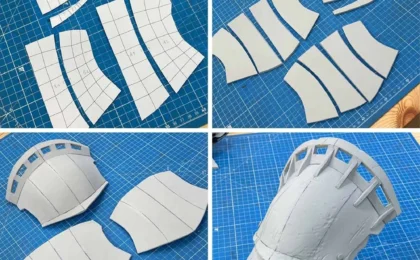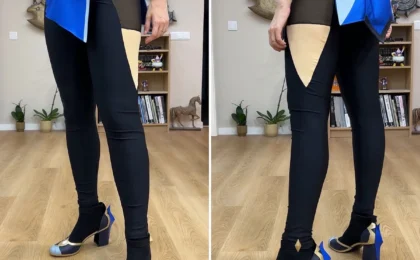
In the high-stakes world of professional cosplay, few names command as much respect as Kamui Cosplay. Known for pushing the boundaries of craftsmanship, the duo recently tackled one of their most daunting projects to date: bringing Yelan, the mysterious intelligence officer from HoYoverse’s Genshin Impact, to life for Gamescom 2023. What began as a fan’s appreciation for character design evolved into a complex, multi-week engineering challenge that bridged the gap between virtual assets and physical wearable art.
The Genesis of the Project: Merging Technology and Art
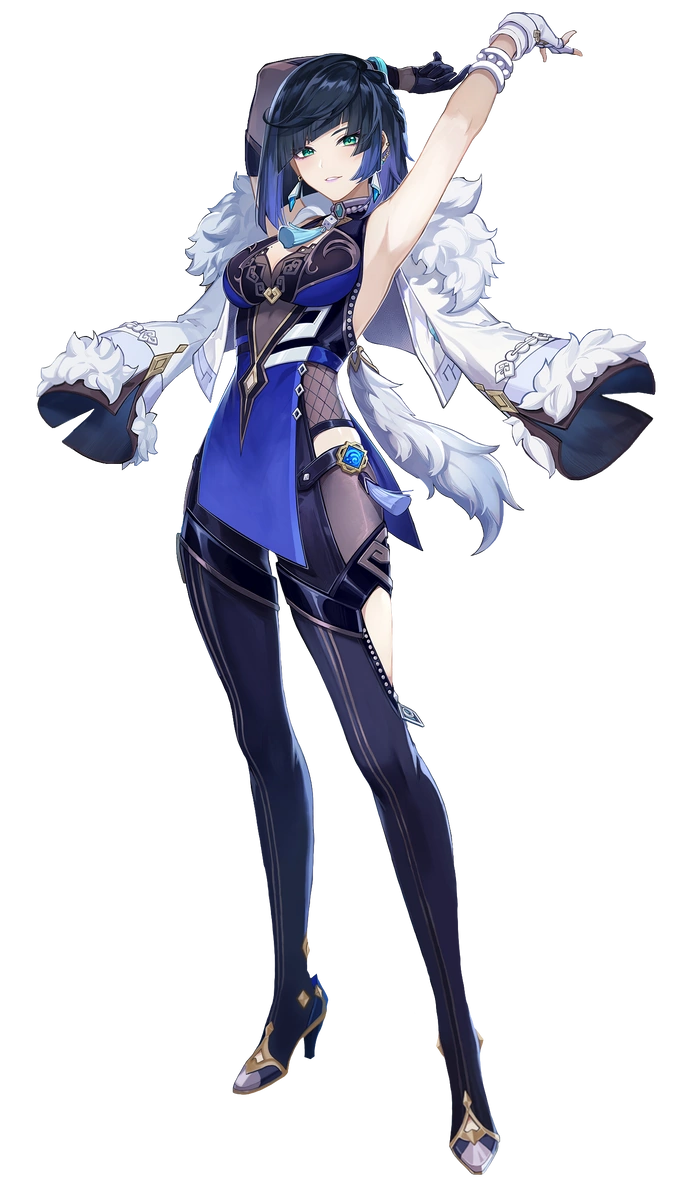
The project was born from an ongoing creative collaboration between Kamui Cosplay and HoYoverse. Following the success of a previous Beidou project, the team sought to challenge themselves further. Yelan was selected for her sleek, elegant, and notoriously deceptive design.
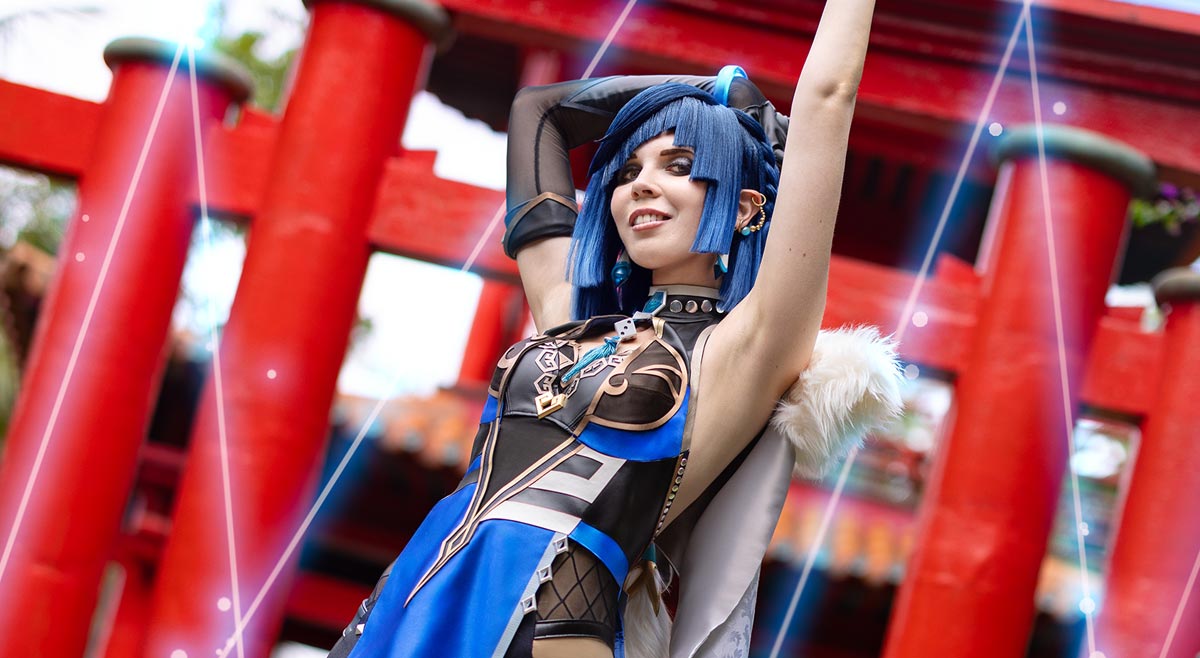
"She looked simple at first glance," the lead artist notes, "but once I studied her design more closely, I knew this would be a very complex build." The primary hurdle was the lack of standard patterns for such a silhouette, necessitating a reliance on official 3D assets. In a move that highlights HoYoverse’s commitment to community engagement, the company provides high-fidelity 3D models for their entire character roster via the Aplaybox platform. These digital files served as the "ground truth" for the physical build, allowing for precise measurements and proportion matching that traditional paper references simply cannot provide.
Chronology of Construction: A Five-Week Marathon
The construction phase was a rigorous five-week exercise in patience and technical problem-solving, divided into distinct phases to manage the overwhelming scope of the costume.
Phase 1: The Foundation of the Dress
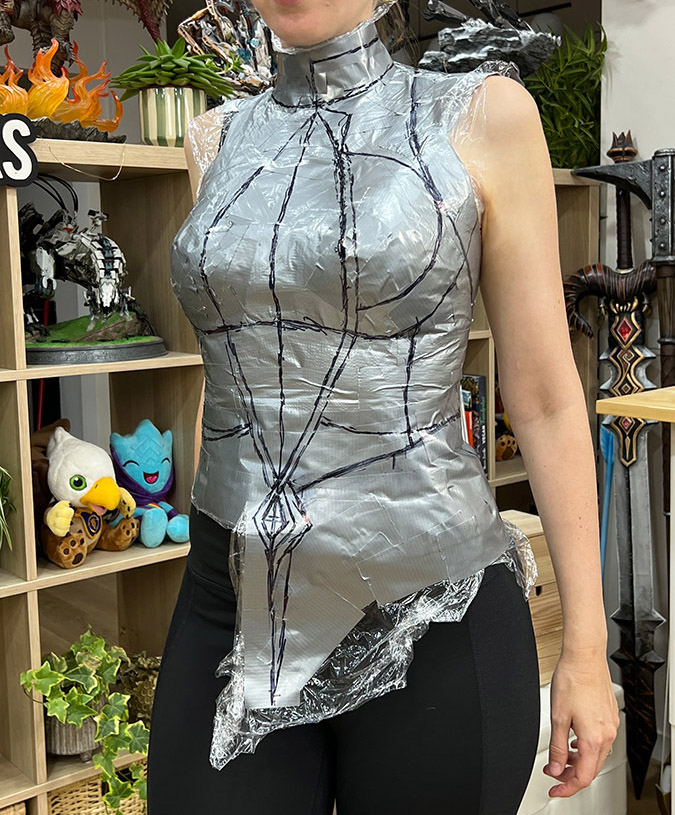
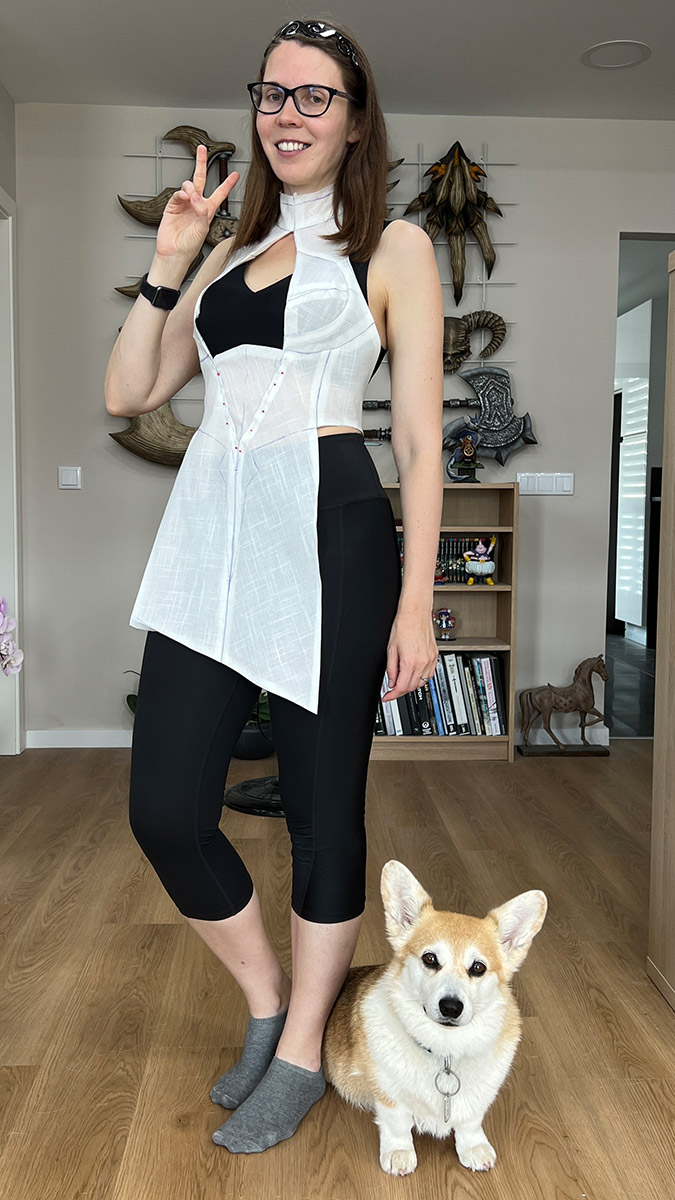
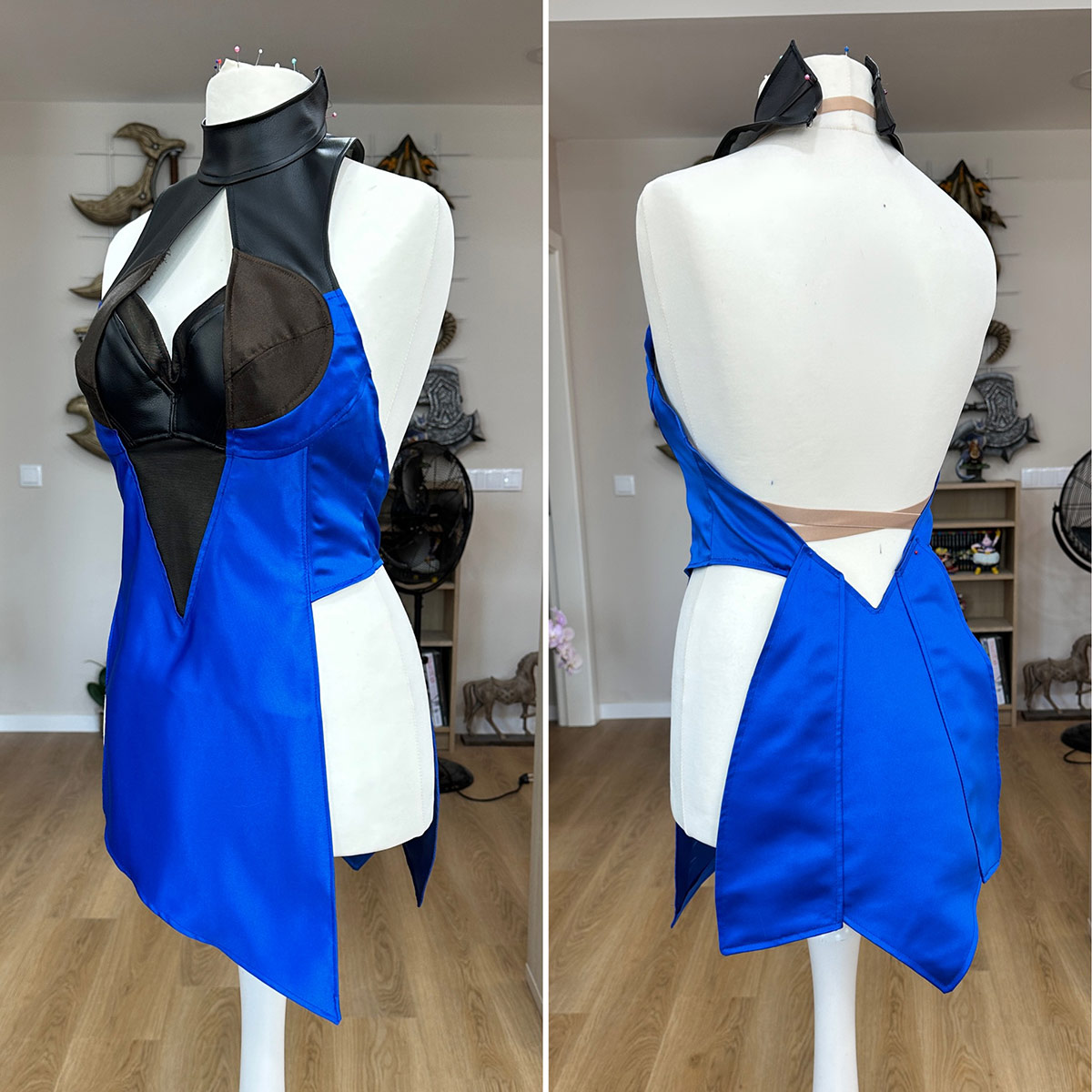
The process began with the most intimidating element: the dress. To ensure a perfect fit that would remain secure despite the character’s open-back design, the team utilized the "duct tape dummy" technique. By wrapping the torso in layers of tape and mapping out the seam lines, they created a custom mannequin shell. This served as the master template. The choice of material—a heavy, royal blue satin—presented immediate difficulties due to its tendency to fray and its lack of stretch. To stabilize the structure, the team engineered a hidden support system using faux leather and integrated athletic-style straps, ensuring the garment maintained its integrity during the high-energy environment of a convention floor.
Phase 2: The Floating Jacket
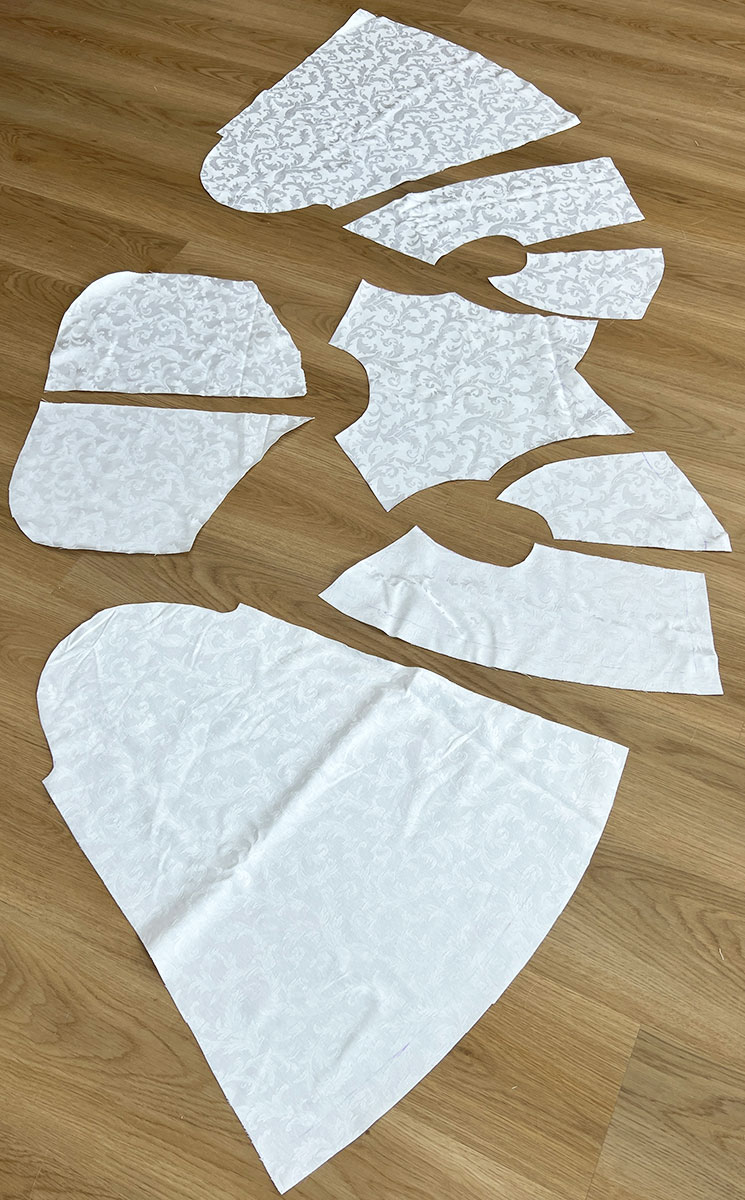
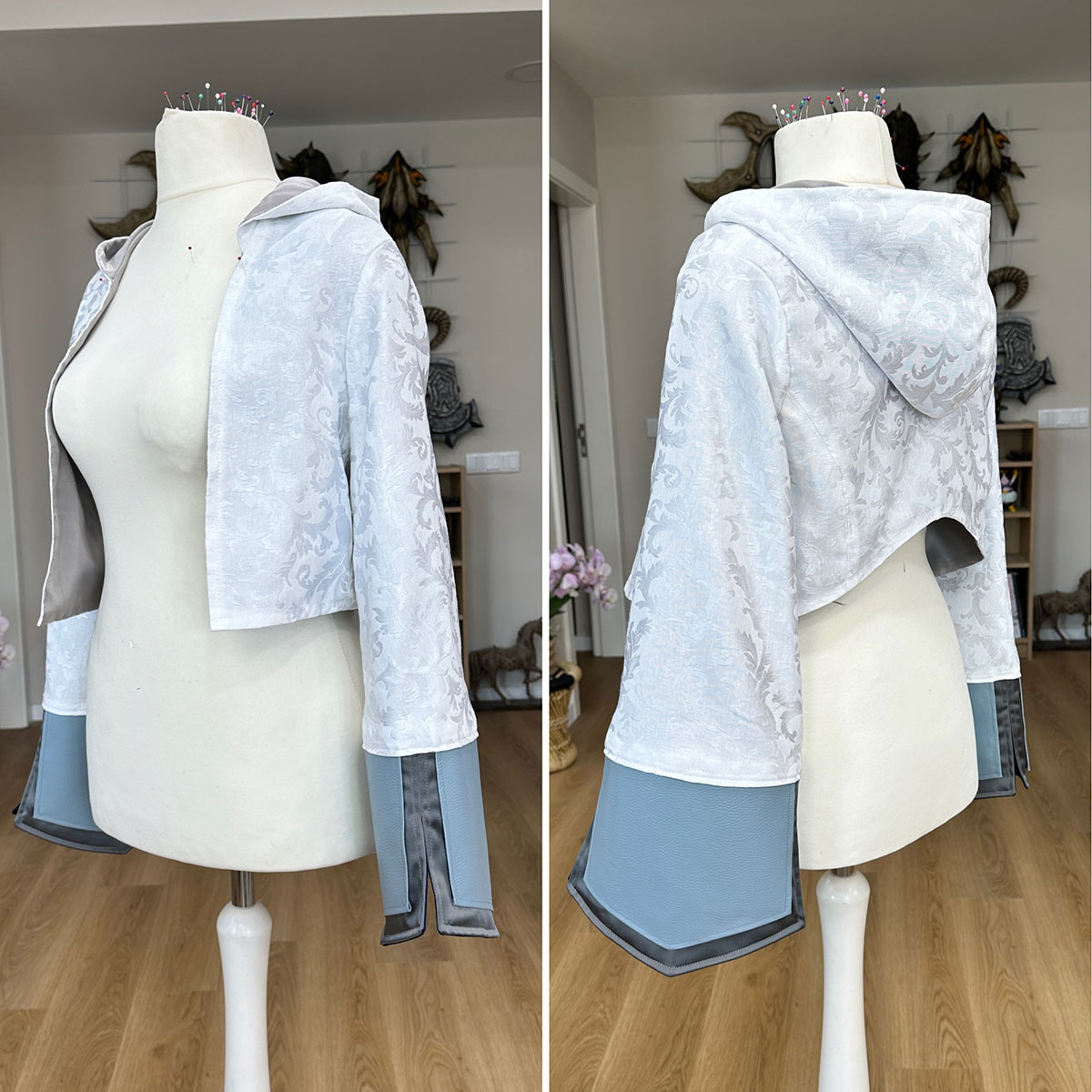
Perhaps the most iconic part of Yelan’s look is the white jacket that appears to float magically on her shoulders. Translating this from a 3D model to a physical object required a blend of sewing and structural engineering. After creating a mockup in inexpensive fabric to refine the sleeve proportions, the final piece was constructed from a white brocade adorned with custom-added floral textures. The addition of laser-cut faux leather, faux fur, and 3D-printed accents added significant weight, necessitating a complex system of internal supports and press-on buttons to secure the jacket to the dress without visible straps.
Phase 3: Leggings, Gloves, and Asymmetry
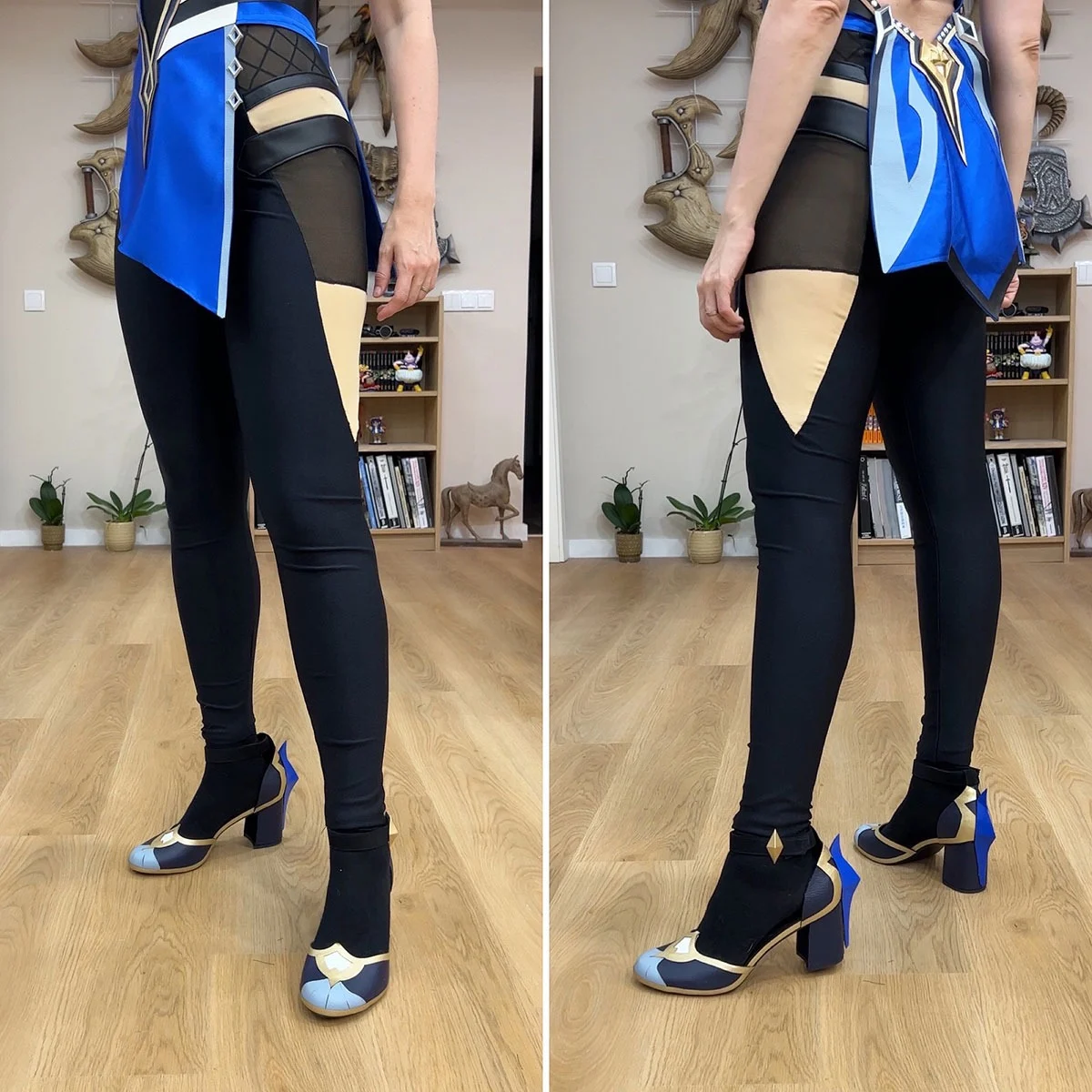
Yelan’s design is defined by its asymmetry, which doubled the workload for the lower half of the costume. The leggings were not a simple mirrored garment; rather, each leg required independent pattern drafting to accommodate the specific cut-outs and golden ornamental details. Using over 20 different materials—ranging from delicate netting to heavy-duty faux leather—the team had to manage different material tensions, making the assembly a feat of technical precision. The gloves followed suit, requiring individual attention as separate projects to ensure that every unique detail was faithfully replicated.
Supporting Data: The Tools of the Trade
The project’s success relied heavily on a sophisticated workshop setup. The team leveraged a Flux Beambox Pro for precision laser cutting of the intricate golden appliques, while high-end resin printing was used for the smaller, more delicate 3D elements.
The weapon of choice, the Aqua Simulacra bow, was a project unto itself. Orchestrated by the technical leads of the workshop, the bow was sculpted in Blender, 3D printed, and reinforced with internal PVC piping to ensure it remained lightweight yet rigid. The finish was achieved through multiple layers of specialized paints to mimic the weapon’s in-game gradient, a process that consumed an entire week of the project’s timeline.
Official Collaboration and Community Impact
HoYoverse’s support for the cosplay community is a cornerstone of their marketing strategy. By providing official 3D assets to creators, the company effectively lowers the barrier to entry for high-quality fan content. This strategy creates a symbiotic relationship: the company gains high-visibility brand representation at major events like Gamescom, and the artists are granted the resources to execute professional-grade work.
The project serves as a case study in how modern game developers can foster a "prosumer" culture. By treating cosplayers as professional collaborators rather than just fans, HoYoverse has turned the Genshin Impact community into a massive, decentralized marketing force. The accessibility of these 3D models has, in turn, inspired a new wave of tutorials and community-shared knowledge, elevating the standard of global cosplay craftsmanship.
The Implications: Is "DIY" Still Viable?
The Yelan build raises an important question regarding the current state of the cosplay industry: with the rise of high-quality, pre-made costumes, is the "from scratch" method still relevant?
Kamui Cosplay argues that the value lies in the process. While ready-to-wear versions are available, the act of constructing a garment from raw materials provides a level of personalization and durability that mass-produced items lack. The sheer logistical difficulty of this project—navigating shipping delays for materials in remote locations like Madeira, managing the weight of heavy components, and the technical skill required for 3D modeling—demonstrates that high-end cosplay is becoming a multidisciplinary field. It now requires skills in fashion design, mechanical engineering, digital sculpting, and material science.
Conclusion: A Masterclass in Dedication
The culmination of this five-week effort was captured in a photoshoot at the Monte Palace Garden in Madeira, followed by a triumphant appearance at Gamescom 2023. The final result was not just a costume, but a physical manifestation of digital art.
For those looking to follow in these footsteps, the team emphasizes the importance of compartmentalization. When faced with a task as daunting as a Genshin Impact build, the only way to succeed is to focus on one single element at a time, ignoring the scope of the whole until the individual pieces are ready for assembly. As the team notes, "Kudos to all cosplayers who also decide to make their costumes on their own. It takes an incredible amount of time, skill, and dedication!"
The Yelan project stands as a testament to the fact that while digital characters exist in a world of pixels, the dedication of the creators who bring them into our reality is very, very human.