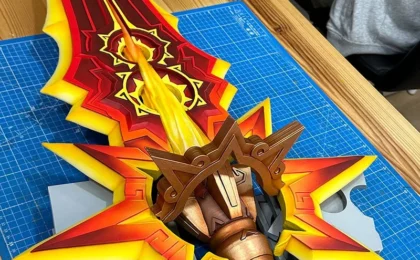

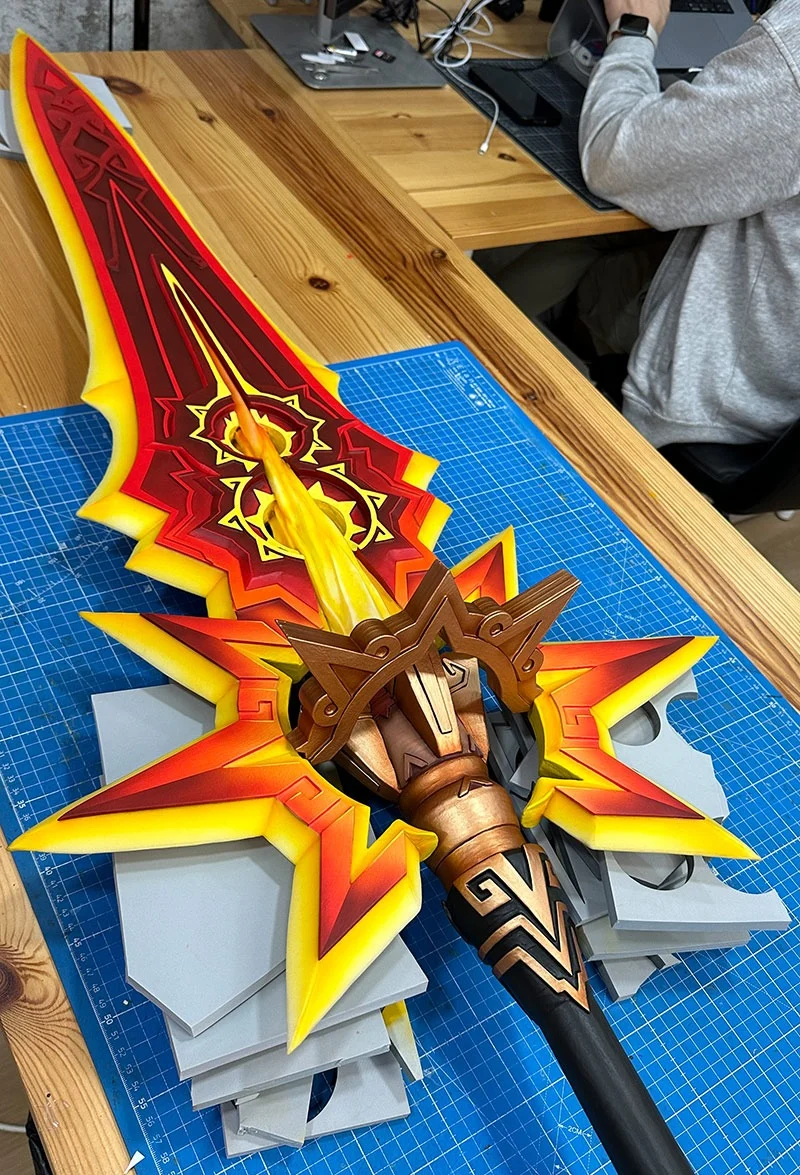
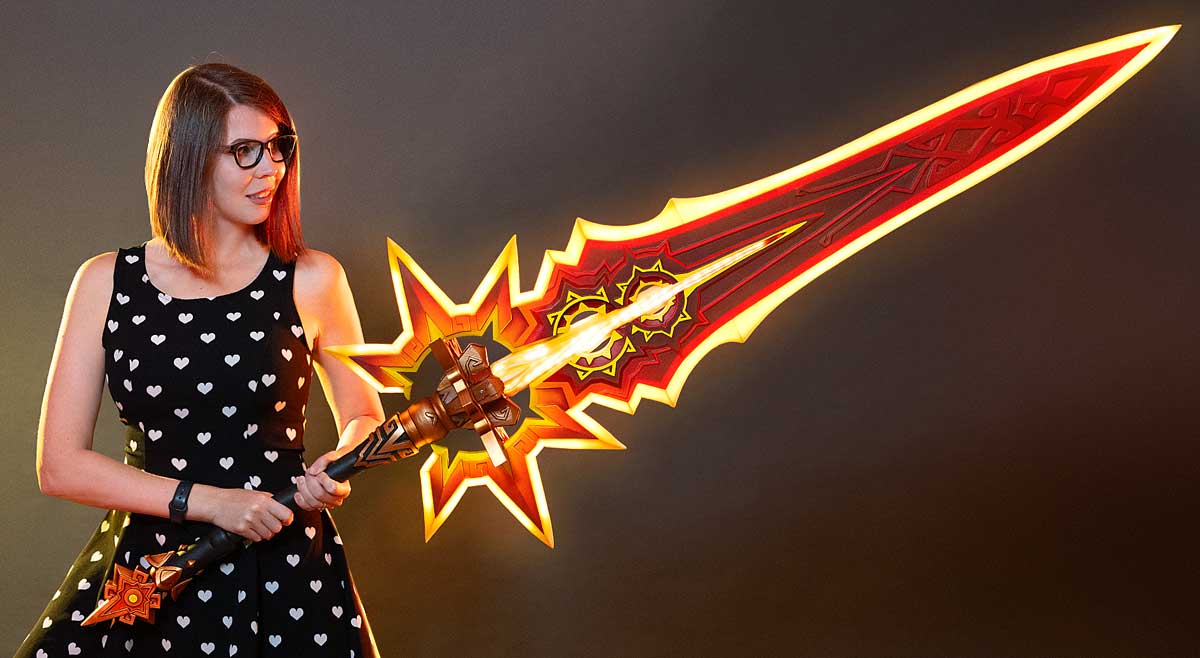
In the high-stakes world of professional cosplay, few names carry as much weight as Kamui Cosplay. Known for pushing the boundaries of material science and electronics, the duo behind the brand has consistently bridged the gap between virtual fantasy and physical reality. Their latest endeavor—a breathtaking recreation of "A Thousand Blazing Suns," the signature weapon of Mavuika, the Fire Archon from HoYoverse’s global hit Genshin Impact—represents a masterclass in modern prop-making.
This project was not merely a creative whim; it was a high-profile, official collaboration between the creators and HoYoverse, designed to promote the character’s debut. What resulted was a seven-day sprint of engineering, artistry, and technical precision that has captivated both the cosplay community and the wider gaming public.
The Genesis of a Legend: Conceptualization and Design
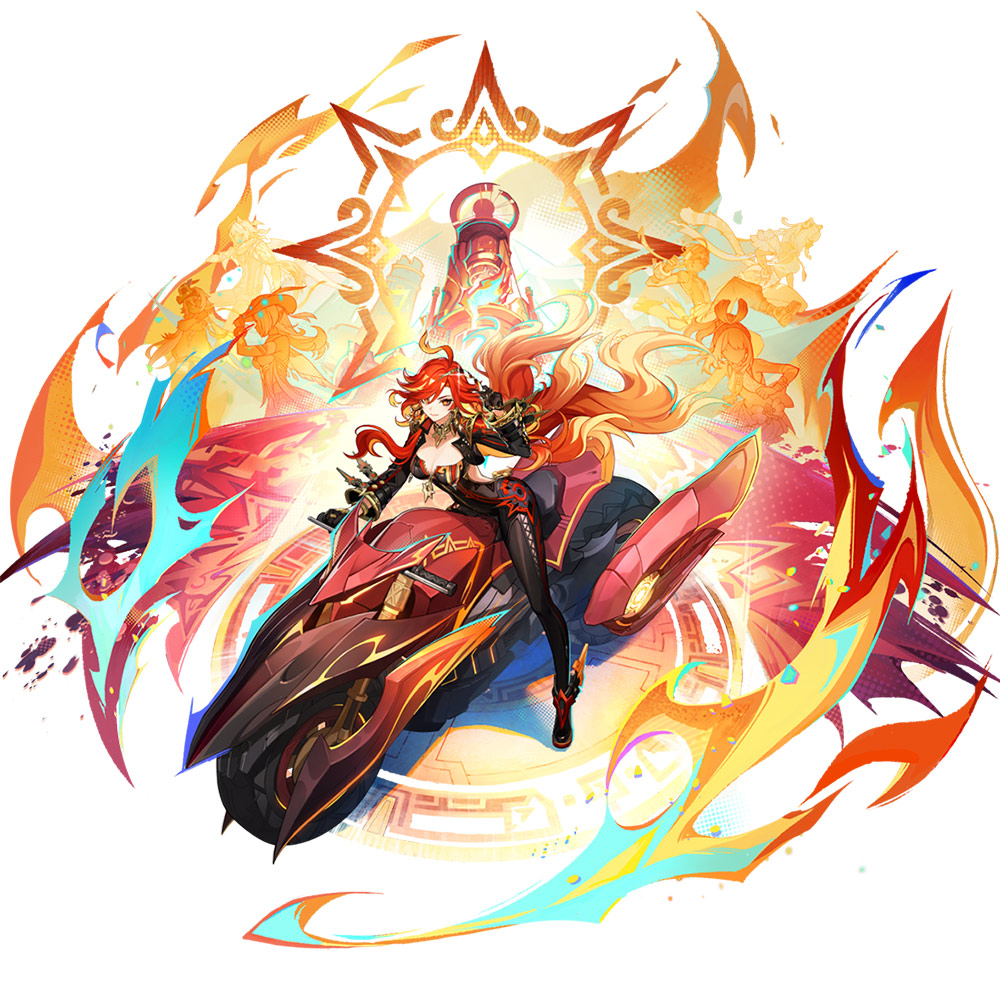
The journey began at the intersection of fandom and professional opportunity. As longtime admirers of Genshin Impact’s aesthetic—having previously brought characters like Yelan and Beidou to life—the allure of Mavuika’s design was immediate. The Fire Archon’s weapon, a colossal, glowing blade, served as the perfect centerpiece for a promotional campaign requested by HoYoverse.
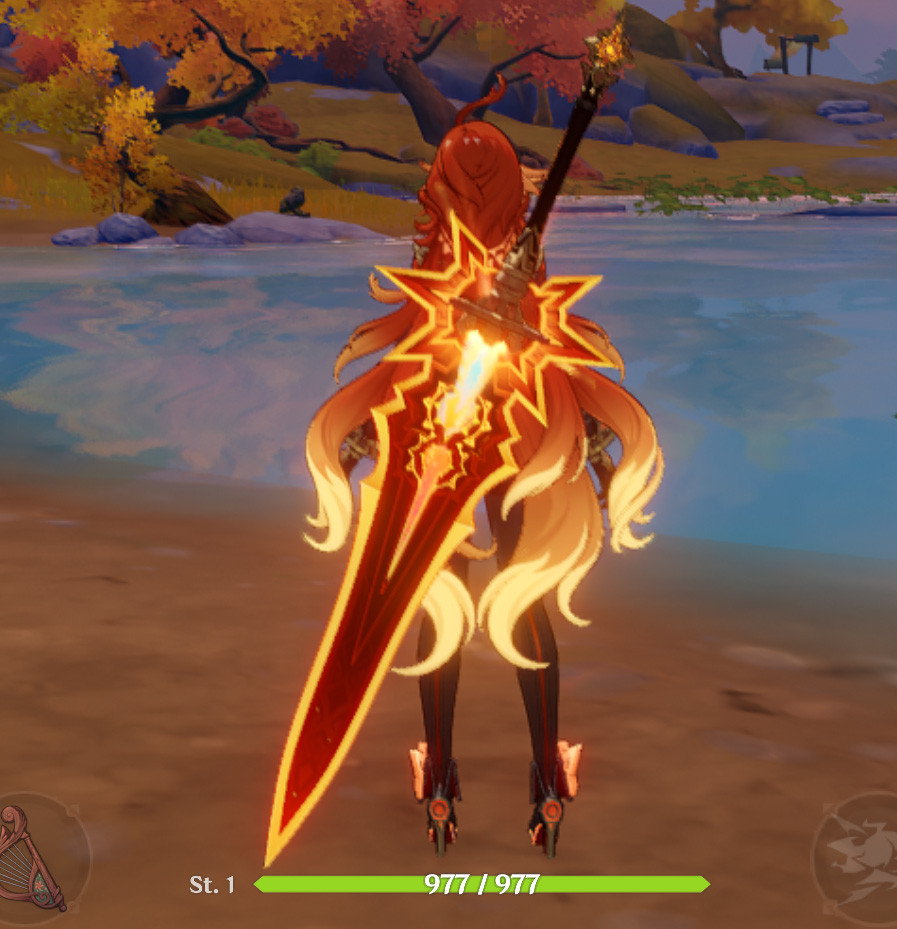
The first challenge in any high-end prop build is scale and accuracy. While the team possesses the skills to interpret game art, they prefer the precision of official 3D assets. Utilizing Aplaybox, a repository for character models, the team sourced the raw data of Mavuika’s sword. Despite the language barrier—the site being predominantly in Chinese—the integration of machine translation tools allowed the team to extract the geometry necessary for a perfect blueprint.
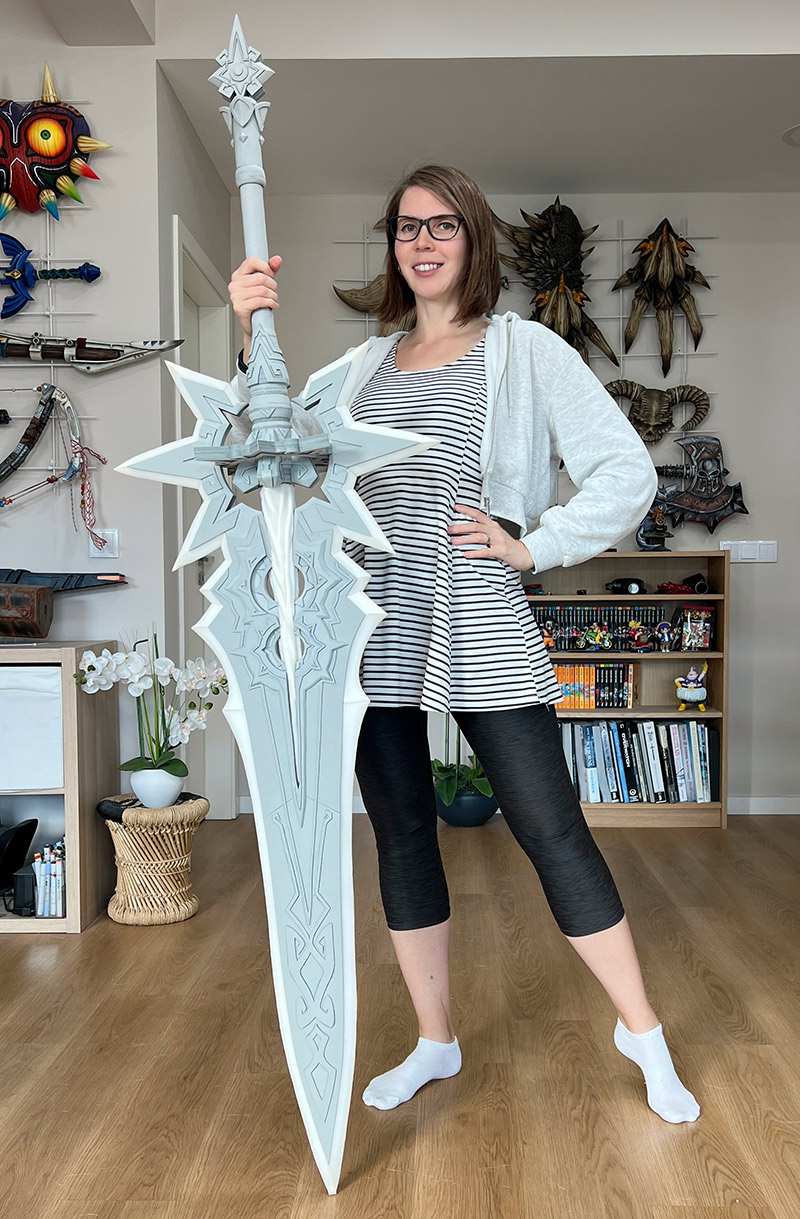
Scaling was the next hurdle. While the in-game model is massive, "perfect" scaling often leads to impractical, unwieldy props. After careful consideration, the team opted for a two-meter length. This choice reflects a sophisticated understanding of ergonomics, ensuring that while the prop retains the "massive" visual impact of the original, it remains a manageable piece of equipment for a cosplayer in motion.
Chronology of Construction: A Seven-Day Marathon
The build process followed a rigorous four-stage schedule, requiring extreme discipline to meet the demands of an official content release.
Step One: The Structural Foundation
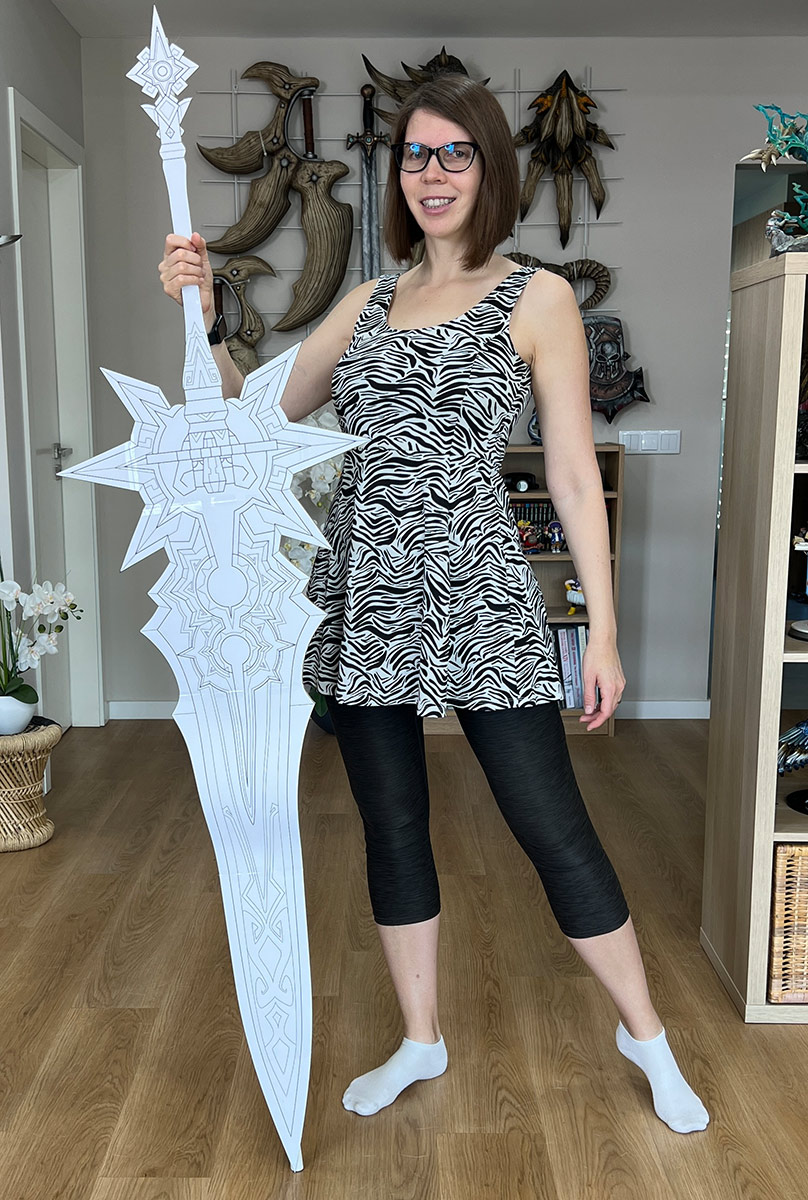
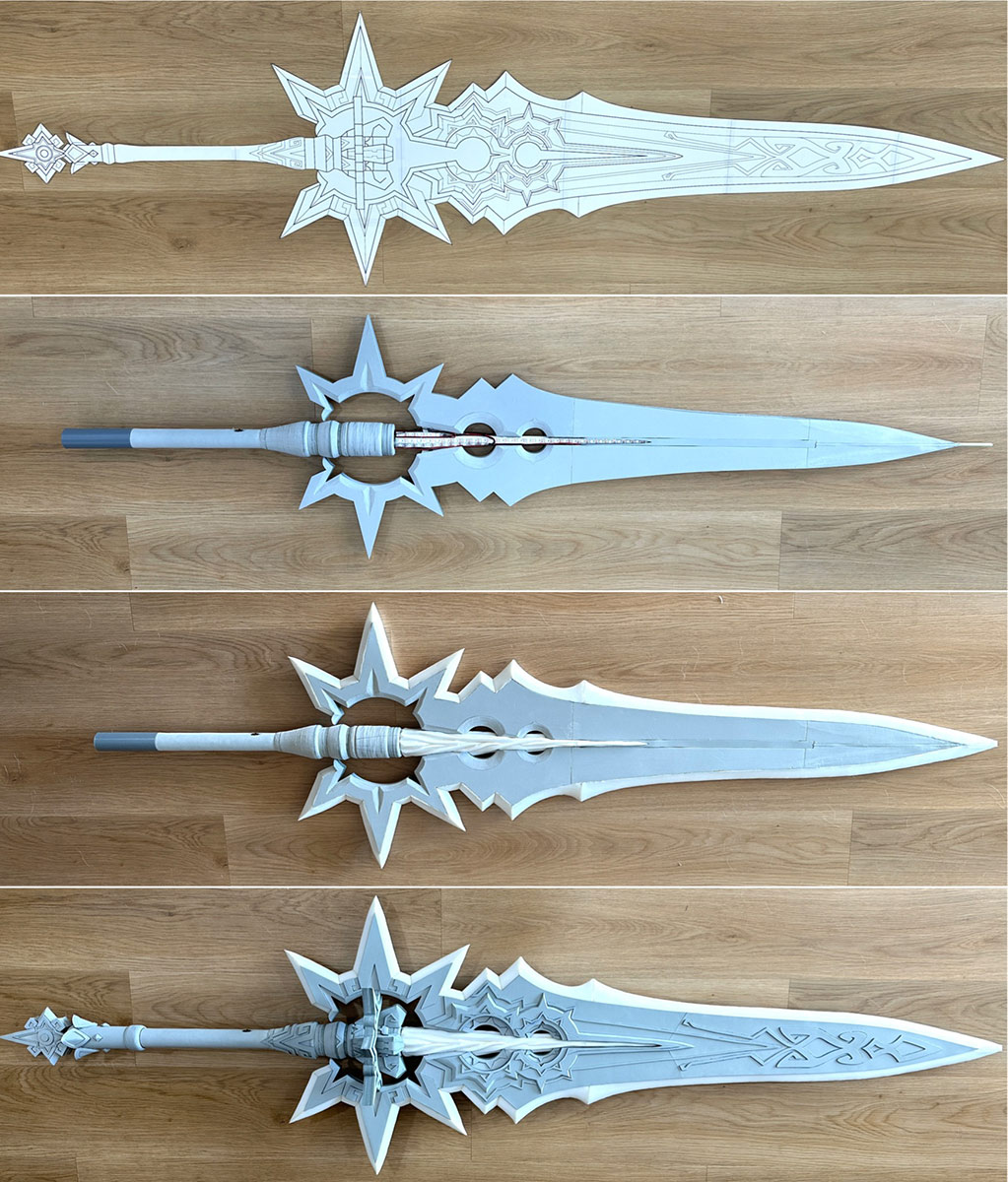
The integrity of a two-meter prop relies entirely on its core. Given the weight and size of the sword, the team utilized a heavy-duty PVC pipe as the internal spine. This core was encased in layers of EVA foam, chosen for its balance of durability and workability. By utilizing both high-density foam and strategic layering, the team ensured the sword could withstand the rigors of filming and movement without structural failure.
Step Two: Foam Crafting and Laser Precision
While traditional hand-cutting with box cutters is the hallmark of the craft, the time-sensitive nature of this project necessitated a more efficient approach. The team leveraged a laser cutter to process the vector files generated from their blueprints. This transition from manual labor to digital fabrication allowed for unparalleled precision, particularly in the intricate, rocket-engine-inspired details of the sword’s core.
Step Three: The Architecture of Light
A defining feature of Mavuika’s weapon is its bioluminescent, fiery glow. To replicate this, the build incorporated nearly 300 individual LEDs. The electronics setup was a testament to the team’s expertise, utilizing an Adafruit Prop-Maker FeatherWing connected to a micro-controller.
The programming involved in this phase was extensive. The sword was designed with a custom trigger system: a "ground-stomp" sensor allows the weapon to transition from a pulsing, fiery idle animation to a brilliant white flash, mimicking the sword’s activation in the game. The electronics, wires, and power supply were masterfully concealed within the grip, proving that functionality need not come at the expense of aesthetics.
Step Four: The Paint Job
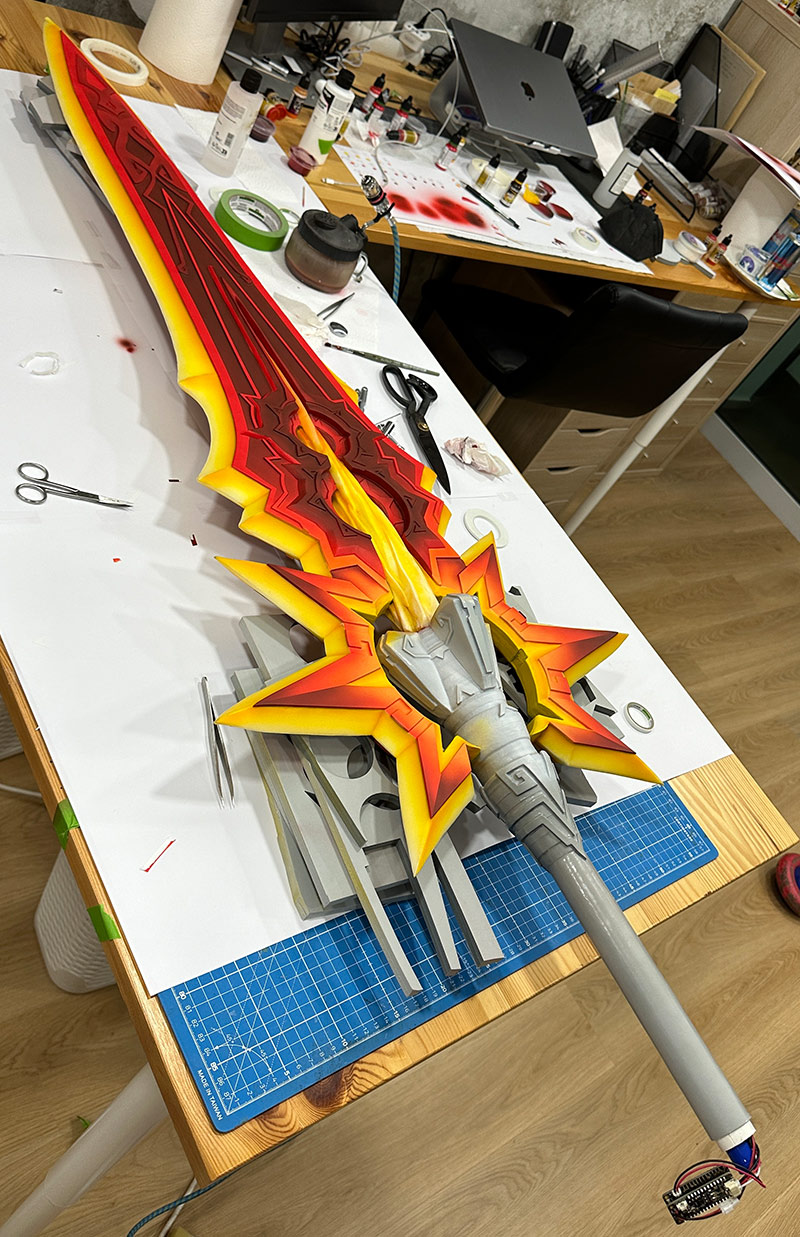
Painting served as the final, most time-intensive hurdle. The team opted for an airbrushing technique, layering specific shades of yellow, orange, and red to achieve a "glowing" effect. This process was a high-pressure environment; the team had to tape off sections to preserve the translucency of the light-diffusing areas. The adhesive tape used to mask these sections could only remain on the surface for 12 hours before risking damage to the paint underneath, turning the painting phase into a grueling, multi-day race against time.
Supporting Data: The Tools of the Trade
Success in professional cosplay is as much about the tools as it is the talent. The team’s workshop serves as a testament to the evolution of the hobby into a specialized industry:
- Materials: High-density EVA foam remains the primary medium, sourced from specialized vendors like cosplayshop.be.
- Electronics: The Adafruit ecosystem provided the backbone for the lighting, chosen for its reliability and the wealth of community support available for prop-makers.
- Documentation: The project was bolstered by the team’s "Book of Light and Sound Effects," a resource that provides standardized methodologies for implementing complex electronics in props.
- Software: The combination of 3D modeling software and vector-based blueprint design allowed for a seamless transition from the digital asset to the physical workspace.
Official Responses and Collaborative Synergy
The collaboration with HoYoverse highlights a growing trend in the gaming industry: the formal integration of professional creators into the marketing lifecycle of a game. By commissioning an expert to physically manifest an item before the character’s widespread release, HoYoverse tapped into the "hype" cycle, providing their audience with high-quality visual content that feels authentic to the game’s lore.
The team noted that the coincidence of receiving the request while already having an interest in Mavuika provided an "organic" synergy. For HoYoverse, this partnership serves as a validation of their character design, proving that their assets are complex and detailed enough to inspire high-end fabrication in the real world.
Implications for the Cosplay Industry
The "A Thousand Blazing Suns" project offers several key takeaways for the future of the cosplay industry:
- Professionalization: The move from "hobbyist" to "professional creator" is increasingly defined by the ability to manage complex logistics, such as working with corporate brands and adhering to strict deadlines.
- Technological Integration: The reliance on laser cutting, 3D model extraction, and sophisticated micro-controllers indicates that the barrier to entry for high-end props is shifting toward digital literacy.
- Community Knowledge Sharing: By documenting the entire process—from the failures in painting to the successes in programming—the creators are not just producing content; they are elevating the skill floor of the entire community.
In conclusion, the recreation of Mavuika’s sword is more than just a promotional stunt. It is a synthesis of art, engineering, and digital marketing. It demonstrates that as games like Genshin Impact become more visually ambitious, the cosplay community is rising to meet the challenge, armed with 3D models, laser cutters, and a relentless drive to turn digital pixels into tangible, glowing reality. For those watching, the result is a reminder that in the world of cosplay, the only limit is the patience to see a project through to its final, illuminated form.