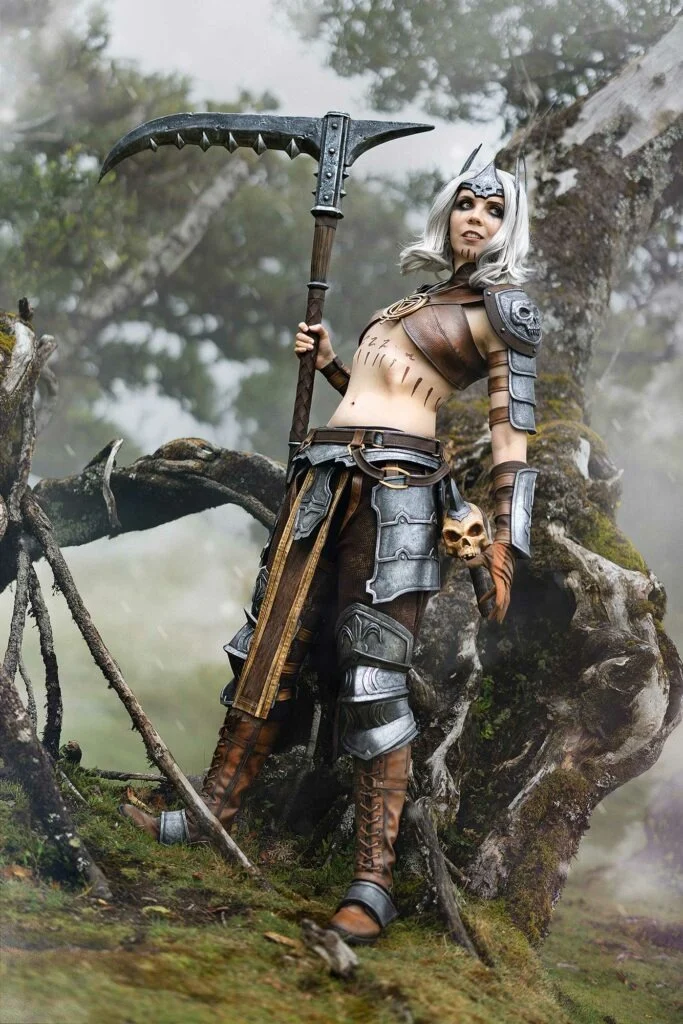
In the high-octane world of professional cosplay, deadlines are rarely forgiving, but few challenges compare to the one faced by world-renowned creator Kamui Cosplay. Tasked by Blizzard Entertainment to bring the dark, brooding aesthetic of the Diablo IV Necromancer to life, the artist found herself operating under the most extreme conditions imaginable: a two-week construction window during an international relocation.
What follows is an exploration of the technical mastery, logistical hurdles, and creative ingenuity required to translate a digital character model into a physical, wearable work of art, proving that even in the face of chaos, legendary craftsmanship can prevail.
The Challenge: A Blizzard Partnership Under Pressure
For a creator who has spent two decades meticulously crafting over 20 distinct characters and armor sets from the Blizzard universe, the request to celebrate the release of Diablo IV was a career milestone. Having been a fan of Blizzard titles since World of Warcraft launched in 2005, the Necromancer class—with its intricate armor and morbid, gothic charm—offered an irresistible creative canvas.
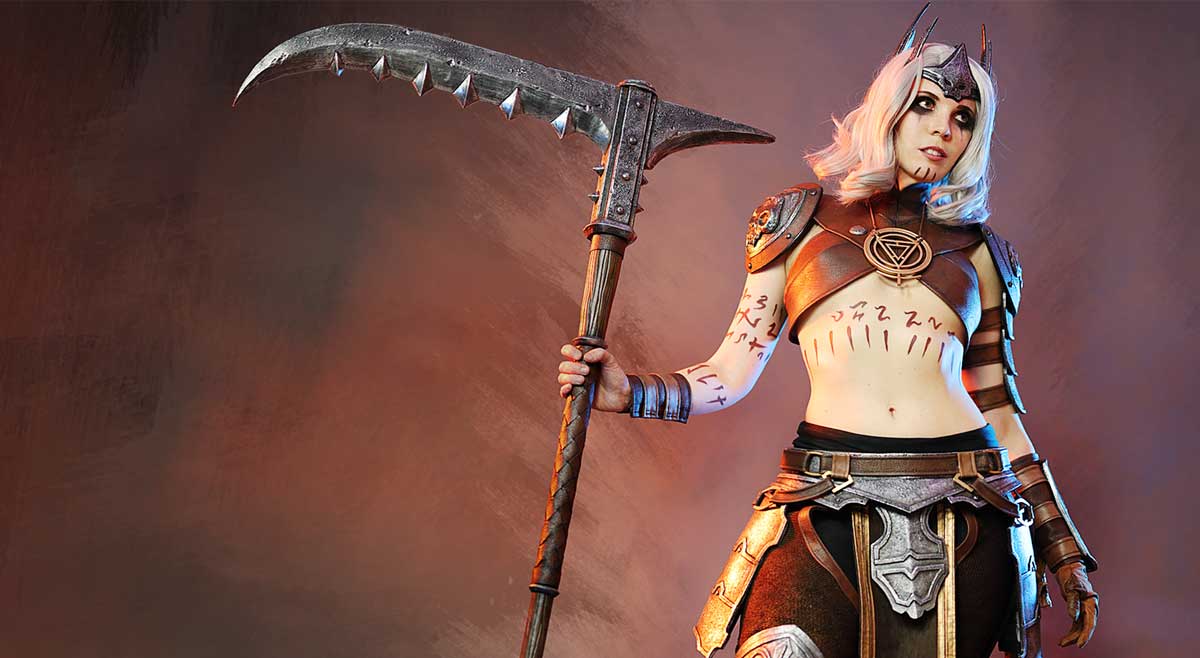
However, the timing could not have been more disruptive. Between the logistics of moving to a new country and existing project commitments, the window to deliver a full-scale, screen-accurate costume was reduced to just 14 days. For many, this would be a prompt to build a single, manageable prop. For Kamui, it was an opportunity to push the boundaries of her craft.
"I knew this would be a crazy idea," she noted. "But I was just too hyped for the game. The Necromancer was an amazing-looking class, and I instantly fell in love with the character and armor design."
Chronology of Creation: A Fourteen-Day Sprint
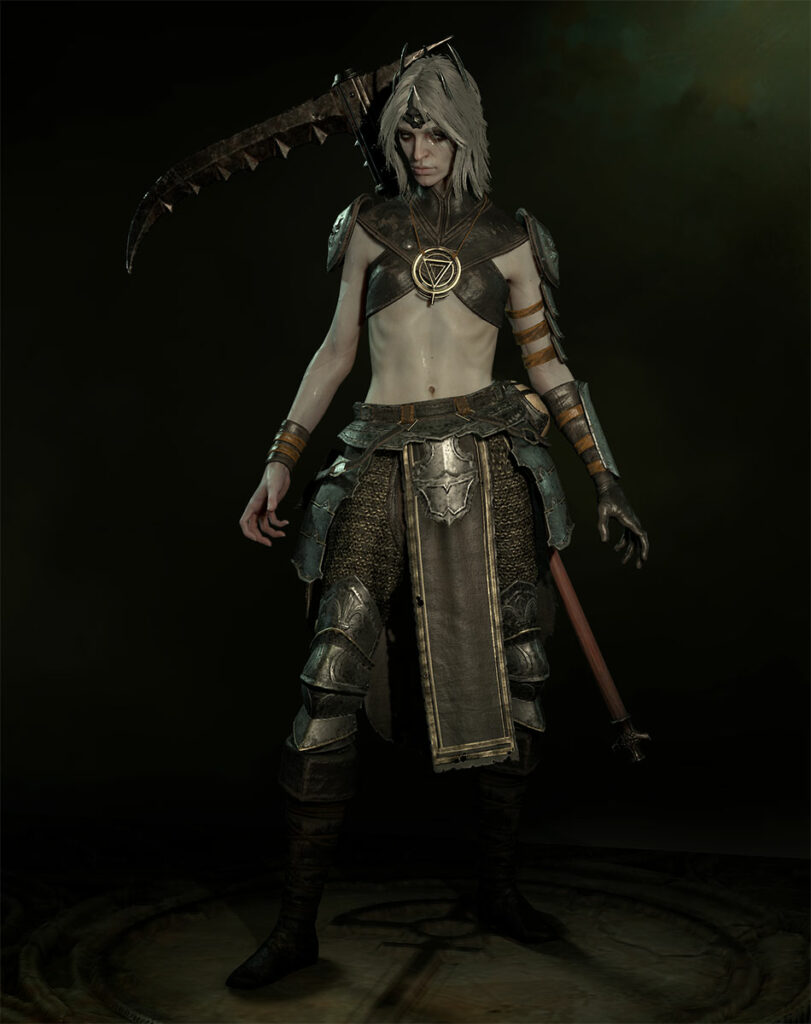
The project began with a rare privilege: direct access to the source material. Before the game was even released to the public, Blizzard developers provided reference images, allowing the artist to curate a specific look, including custom hair, tattoos, and armor configurations. This level of collaboration allowed for a pre-rendering process that would normally take weeks, condensed into a matter of days.
Phase 1: Foundations and Fabric (Days 1–5)
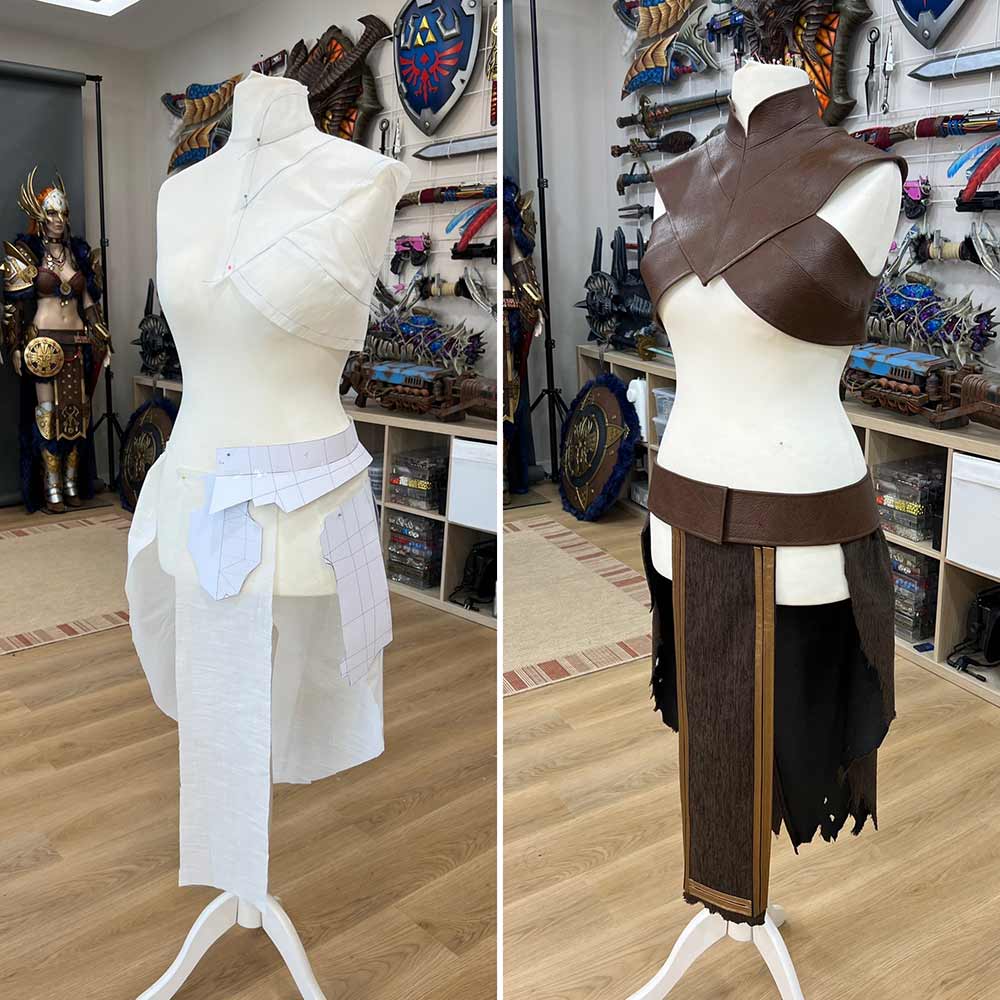
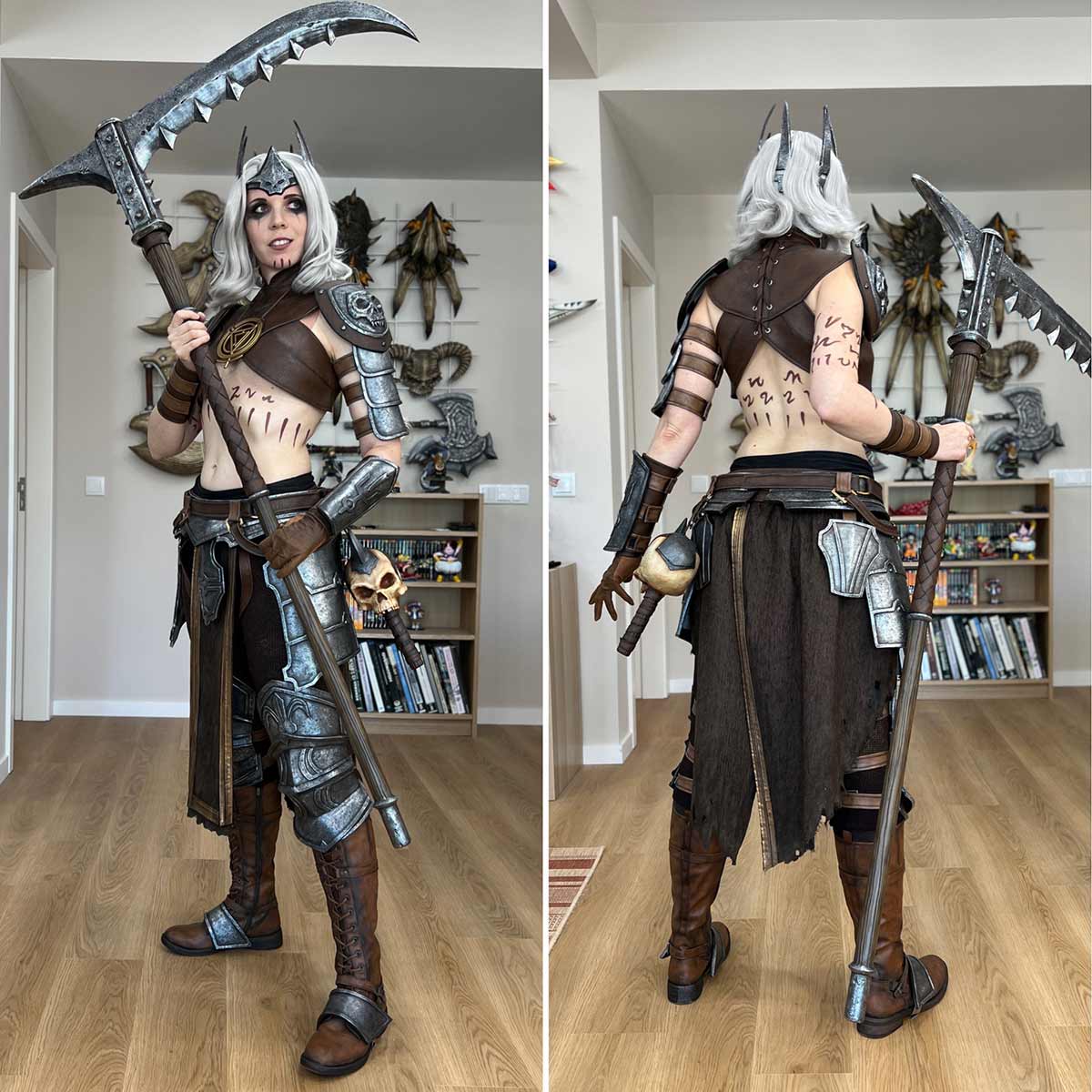
With the blueprints finalized, the physical labor began. The construction process prioritized speed and modularity. The base structure involved a classic cosplay technique: draping linen for the skirt and using duct tape to map out the chest piece, ensuring a perfect fit before committing to expensive materials.
The sourcing process was equally accelerated. Eschewing custom orders that might be delayed by shipping, the team turned to local fabric shops. A heavy, durable curtain fabric was repurposed for the skirt to achieve the necessary weight and flow, while brown furniture pleather was selected for the leather components, providing both durability and a realistic texture.
Phase 2: Structural Engineering (Days 6–10)
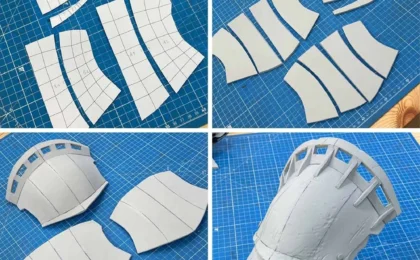
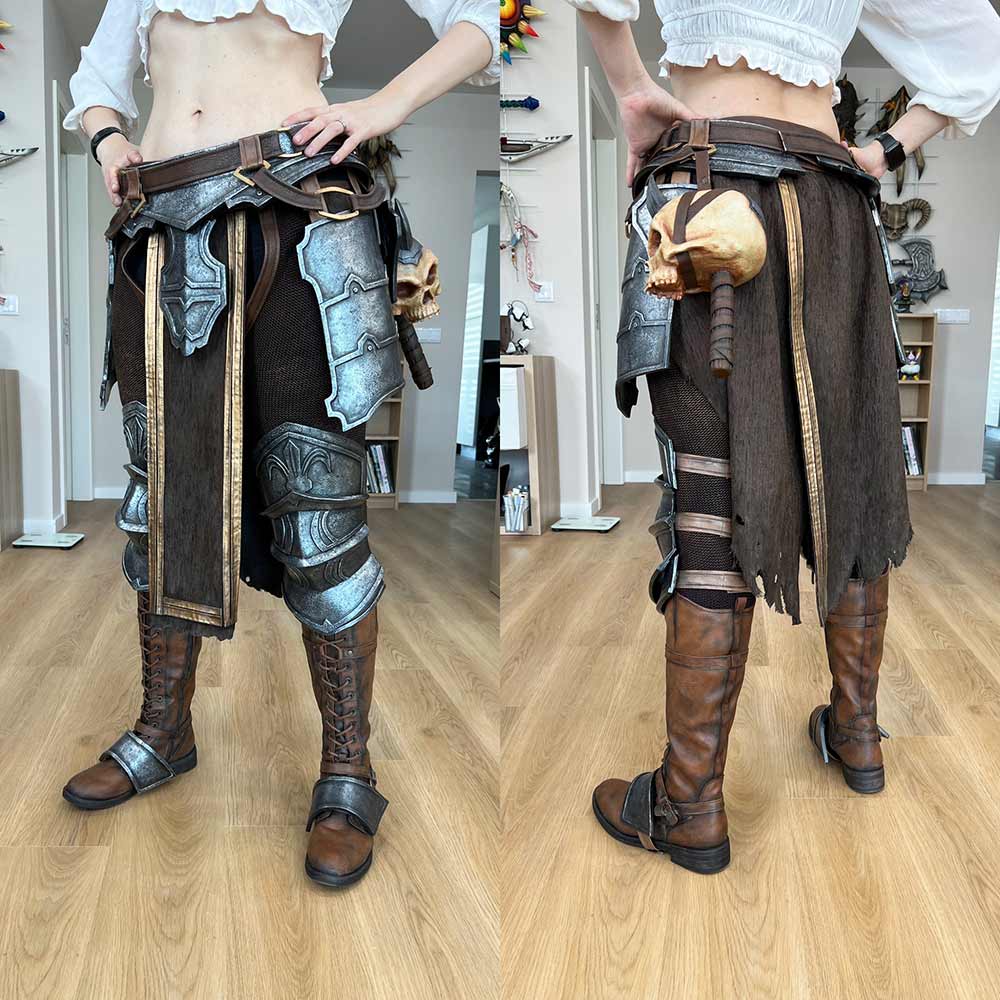
As the clock ticked down, the focus shifted to the complex leg armor. To maintain structural integrity while ensuring the pieces looked "straight out of Sanctuary," the artist’s partner, Benni, utilized 3D modeling software (Blender) to create custom patterns. This allowed for precise sizing and a design that could, in theory, be adapted for future knight-themed builds.
The armor components were constructed from 5mm EVA foam, with 2mm foam layered on top to provide intricate detailing. To achieve the signature "battle-worn" look of a Diablo character, the team employed a specialized texturing technique: a mixture of Flexbond and black acrylic paint was dabbed onto the foam. This created a rough, organic surface that added visual depth, which was later enhanced by the careful application of silver Rub ‘n Buff to simulate worn metal.
Phase 3: The Scythe and Final Assembly (Days 11–14)
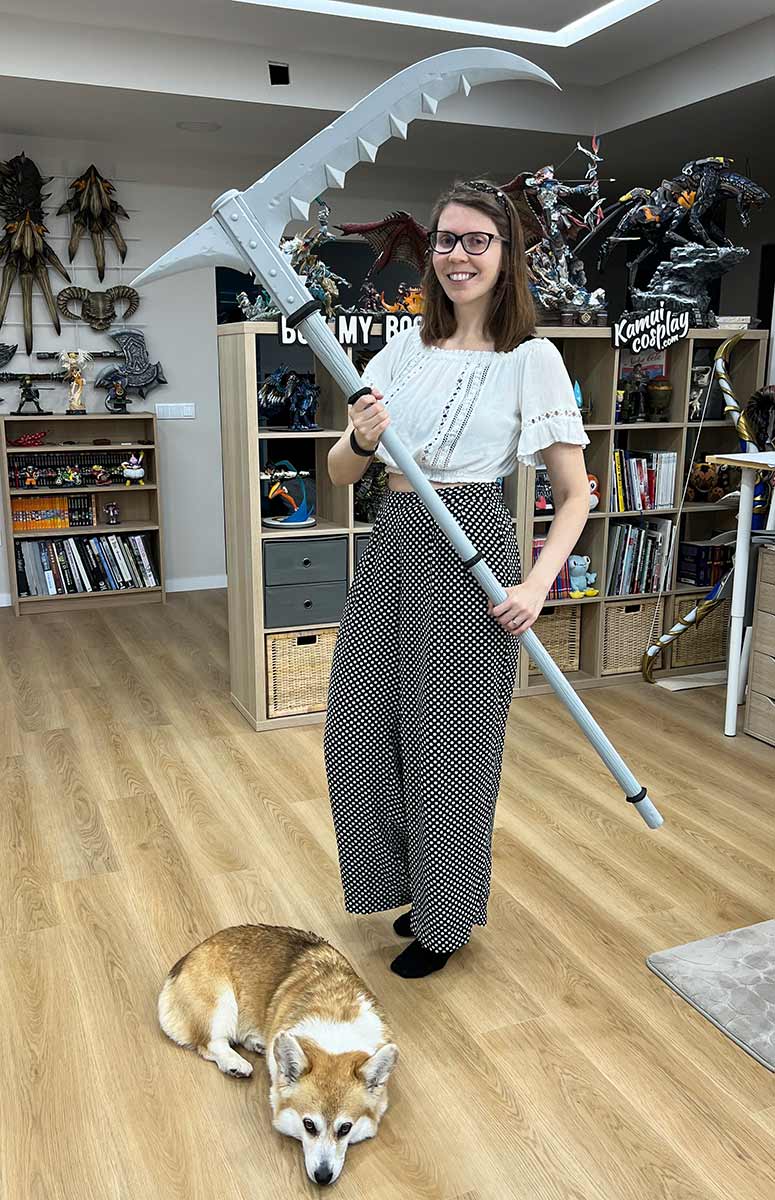
The final major hurdle was the Necromancer’s iconic weapon. The scythe was designed with portability in mind, featuring a core of PVC pipes in varying diameters, connected by magnets to allow for easy breakdown and transport. Within just 24 hours, the weapon was shaped using foam layers, primed, and painted.
"It’s just far easier to build, prime, and paint smaller pieces than a massive, single cosplay weapon," she explained. The final assembly relied on industrial-strength velcro and faux leather belts, which were integrated directly into the armor to ensure the costume could withstand the rigors of a photoshoot.
Supporting Data: Materials and Methodology
The success of the build relied on a combination of professional-grade materials and accessible, store-bought alternatives. Below is a breakdown of the core components used to ensure both aesthetic fidelity and structural longevity:
- Primary Armor Material: 5mm and 2mm EVA foam.
- Priming and Texture: Flexbond mixed with black acrylic paint.
- Finishing: Rub ‘n Buff (Silver) for metallic weathering.
- Fabrication: Linen for the skirt, heavy-duty curtain fabric for structure, and brown furniture-grade pleather.
- Attachment Systems: Industrial Velcro and reinforced faux leather straps.
- Weaponry Base: Modular PVC pipe segments with magnetic coupling.
The integration of 3D printing also played a pivotal role. The centerpiece skull ornament—affectionately nicknamed "Wilson"—was sculpted and printed by Benni, serving as a testament to the versatility of modern digital fabrication in traditional costume making.
Official Perspective and Community Impact
When asked about the project, the creators emphasized the necessity of adaptability. In the world of high-end cosplay, the "making of" process is often as valuable as the final result. By documenting the build through YouTube tutorials, the creators provide a blueprint for others to follow, effectively democratizing the techniques used for their own professional work.
The project highlights a shift in the gaming industry, where developers actively support the cosplay community by providing high-fidelity assets. This relationship creates a feedback loop: the game developers benefit from the high-quality promotion, and the cosplayers receive the technical details necessary to produce authentic work.
Implications: The Intersection of Digital and Physical
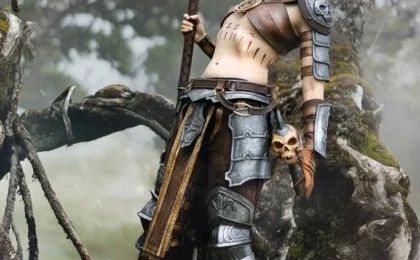
The final reveal took place in the Fanal Forest of Madeira. With its ancient, fog-drenched laurel trees and centuries-old mossy trunks, the forest served as an organic recreation of the Diablo atmosphere. The photoshoot, featuring the Necromancer alongside the creators’ dogs, Zelda and Midna, served as the ultimate test for the gear.
The project carries several broader implications for the future of cosplay:
- The Rise of Modular Design: The use of magnets for the scythe demonstrates a shift toward more portable, functional cosplay props, a trend necessitated by the increasing number of conventions and travel-intensive projects.
- Digital-to-Physical Workflow: The use of Blender to pattern armor demonstrates how essential technical skills are becoming in the cosplay space. It is no longer just about sewing and gluing; it is about geometry, material science, and 3D modeling.
- The "Crunch" Reality: The project serves as a candid look at the "crunch" culture often seen in creative fields. By choosing to highlight the construction noise and the stress of the move, the creators provided a grounded, realistic look at their process, contrasting with the polished final photos.
In conclusion, the Diablo IV Necromancer project stands as a high-water mark for what can be achieved with limited time, provided the creator possesses the technical foundation to execute their vision. It is a reminder that while digital games are confined to screens, the passion they inspire can manifest in the real world with incredible, haunting precision. The project proves that even with the pressure of a two-week deadline and an international move, the spirit of the Diablo Necromancer—resilient, dark, and meticulously crafted—can be perfectly summoned into reality.